
A Mold Inspection Can Prevent Major Damage and Expenses
Published by Remtech Environmental Team · Last updated April 2025
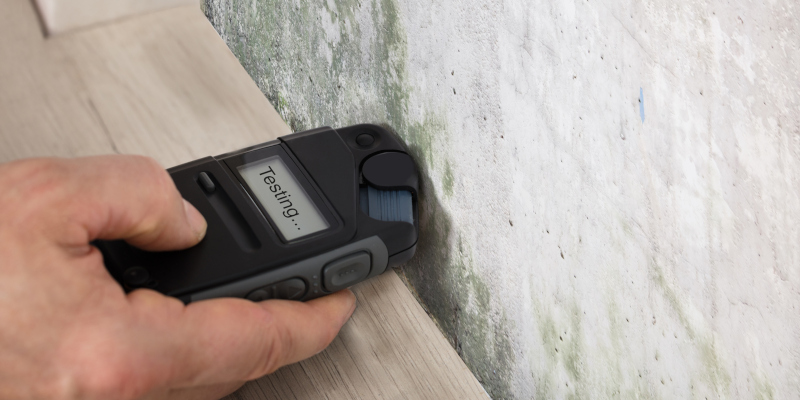
Mold exposure is a reality of life, but the extent to which one is exposed can vary greatly depending on environmental circumstances. If you are buying a new home or have had recent flooding, roof damage, condensation, or any symptoms of mold exposure, it may be a good idea to have a mold inspection.
A mold inspection generally costs hundreds of dollars, whereas mold remediation can easily cost thousands; so, finding a problem before it gets out of hand can save a lot of money and the headache of a huge mold remediation project.
A mold inspection can be preferable to mold testing. Many types of mold spores come into buildings from outside, but are not actually growing inside. Therefore, mold testing will give a long list of species, but may offer limited usefulness. A mold inspection will actually quantify the extent of any mold problem and thus may be a better option in most cases.
A visual check of areas prone to mold growth by a trained professional can uncover problems without the need for expensive equipment or testing. If a problem is found, the inspector will look for a source of moisture that is causing the problem. Addressing the cause of the problem will make it less likely that mold will continue to grow.
At Remtech Environmental, we offer mold inspections in the Raleigh, North Carolina area and are passionate about the services we offer. We seek to educate our clients about mold to make the best decisions for their home and family. You can trust us to offer unique solutions for unique problems. If you suspect mold growth or want to rule it out, reach out to us today!
A professional mold inspection is one of the highest-return decisions a North Carolina homeowner can make. For a few hundred dollars, an accredited inspector can identify active microbial growth, locate the moisture source feeding it, and document the scope before it metastasizes into a full remediation project costing tens of thousands. In a state where humid summers, hurricane-driven flooding, and aging housing stock combine to create persistent indoor moisture challenges, early inspection is not a luxury, it is a financial safeguard. Beyond the cost calculus, mold inspections protect structural integrity, indoor air quality, and the resale value of your property. Buyers, lenders, and insurers increasingly demand documented proof that a home is mold-free before closing. Whether you are negotiating a real estate transaction, recovering from Hurricane Helene flooding, or simply noticing a musty smell that will not fade, a timely inspection delivers clarity, cost certainty, and peace of mind that no amount of guesswork or surface cleaning can match.
The Real Return on Investment of an Early Mold Inspection
Most homeowners view a mold inspection as an expense, but the better framing is risk reduction. An inspection that costs between three and six hundred dollars routinely prevents losses that climb into five and even six figures once mold has spread through framing, HVAC systems, or insulation. Here are the highest-leverage benefits an early inspection delivers.
Cost Avoidance: Inspection Fees Versus Full Remediation
A typical residential mold inspection in the Raleigh, Durham, and Chapel Hill metro runs between $300 and $600, including a visual assessment, moisture mapping, and a written report. By contrast, mold remediation in a single bathroom often starts at $2,500, whole-room remediation can exceed $10,000, and whole-house projects following undetected long-term moisture frequently surpass $30,000. A 2024 industry analysis put the average remediation cost in North Carolina between $1,500 and $9,000 per project. The inspection-to-remediation cost ratio is typically 1 to 20 or higher, which means catching a problem early almost always pays for itself many times over. Add the avoided costs of replacing drywall, flooring, cabinetry, and HVAC components, and the math becomes overwhelming in favor of early detection.
Protecting Structural Integrity and Long-Term Property Value
Mold does not just stain surfaces, it actively digests them over time. Wood-decay fungi consume cellulose in framing lumber, joists, sheathing, and subflooring, progressively reducing load-bearing capacity in ways that are invisible until failure. By the time visible deterioration appears, structural members may need full replacement at significant cost. An inspector trained to IICRC S520 standards assesses moisture content in framing, identifies elevated readings before decay accelerates, and recommends targeted intervention. In older North Carolina homes, particularly those in coastal Wilmington, the Outer Banks, or pre-1980 inland communities, this preventive function is critical. Catching elevated moisture in a crawl space joist at 22 percent moisture content is typically a $500 fix; replacing a rotted joist system after years of unchecked saturation can easily exceed $25,000 once labor and finishes are factored in.
Indoor Air Quality and Health Cost Reduction
The CDC and EPA both recognize indoor mold exposure as a meaningful contributor to respiratory illness, asthma exacerbation, allergic reactions, and immune-system stress. Families dealing with chronic congestion, persistent headaches, or unexplained fatigue often discover mold contamination as the underlying cause only after a professional inspection identifies it. Medical costs associated with chronic mold exposure, including specialist visits, prescription medications, missed work, and in severe cases hospitalization, can dwarf the cost of remediation many times over. An early inspection that identifies and eliminates a hidden colony before symptoms become chronic is a public-health investment as much as a property investment, and it is especially valuable for households with children, elderly residents, pregnant women, or immunocompromised members who tolerate exposure poorly.
Real Estate Transactions: Buyer Protection and Seller Leverage
Mold issues are now a routine deal-breaker in North Carolina real estate transactions across every price tier and property type. Lenders, particularly those issuing VA, FHA, and USDA loans, frequently require documentation that a property is free of active microbial growth before approving financing. Buyers who commission a pre-purchase mold inspection gain negotiating leverage on price, repair credits, or closing costs when issues are uncovered during due diligence. Sellers who proactively inspect and remediate before listing avoid surprise renegotiations, failed home inspections, and broken deals at the closing table. In a competitive market like Raleigh, Cary, Durham, or Asheville, a clean mold report is a quiet but powerful selling point that supports asking price, builds buyer confidence, and accelerates closing timelines significantly.
Insurance Documentation and Claim Outcomes
Most homeowners policies in North Carolina exclude long-term mold damage but cover sudden and accidental water events that subsequently lead to mold growth inside the home. The line between covered and excluded losses is almost entirely documentation. A mold inspection performed shortly after a flood, pipe burst, ice dam, or roof leak creates a contemporaneous record that the contamination is recent and directly tied to the covered event. Without that documentation, insurers routinely deny claims by classifying mold as long-term neglect or maintenance failure. Inspection reports, moisture readings, and dated photographs from a certified professional give policyholders the evidentiary footing they need to support legitimate claims and recover the full cost of remediation under their existing coverage rather than absorbing it personally out of pocket.
Why North Carolina Homes Face Elevated Mold Risk
North Carolina sits in a climate band where average summer dew points routinely exceed 70 degrees Fahrenheit and indoor relative humidity in unconditioned spaces frequently runs above 65 percent. The American Society of Heating, Refrigerating and Air-Conditioning Engineers, ASHRAE, recommends keeping indoor humidity between 30 and 50 percent to inhibit microbial growth. Most homes without active dehumidification in basements or crawl spaces sit well above that threshold for months at a time. Layer on hurricane-driven saturation events, including Florence in 2018 and Helene in 2024, and the result is a built environment in which mold colonization is not exceptional, it is statistically likely without active prevention. Older housing stock compounds the issue. Many homes across the Triangle, Triad, Charlotte metro, and coastal counties were built before modern vapor-barrier and ventilation standards. Crawl spaces lack encapsulation, attics are under-ventilated, and original HVAC systems oversize cooling without dehumidifying effectively, leaving cold surfaces sweating and creating ideal conditions for hidden growth. New construction is not immune either. Tightly sealed energy-efficient envelopes, when paired with poor moisture management or improperly commissioned HVAC systems, trap humidity inside and create the same problem with newer materials. A North Carolina mold inspection is the diagnostic equivalent of an annual physical: a relatively low-cost intervention that flags issues while they remain inexpensive to correct, before the cost curve steepens dramatically.
When to Schedule a Mold Inspection and What to Expect
Several specific scenarios warrant a professional mold inspection rather than a wait-and-see approach. Any time you are buying a home, inheriting a property, or returning to a residence that has been vacant for extended periods, an inspection establishes a clean baseline. After any water event, including hurricane flooding, supply line failure, roof leak, sewer backup, or HVAC condensate overflow, schedule an inspection within two weeks even if the visible water has dried. The IICRC's 48-hour colonization window means problems may already be active inside walls. Persistent musty odors, allergy symptoms that worsen indoors, visible staining on ceilings, condensation on windows, or warped flooring all justify a call. A professional inspection follows a structured process: a non-invasive visual assessment of every room and accessible mechanical space, moisture mapping with calibrated meters and thermal imaging, identification of suspected moisture sources, and when warranted, surface or air sampling sent to an accredited laboratory. The deliverable is a written report that documents findings, identifies the moisture source, and outlines a recommended scope of work. At Remtech Environmental, our inspectors prioritize education, walking clients through every finding and providing clear options that match the severity of the issue.
Pair Your Inspection with the Right Remediation Path
If an inspection identifies active microbial growth, the next step is professional remediation under IICRC S520 protocols, which we deliver through our Mold Remediation service across the Triangle, Triad, and surrounding North Carolina counties. Because mold problems almost always trace back to a moisture source, we frequently coordinate with our Water Damage Restoration team to address the underlying leak, flood, hurricane intrusion, or condensation issue at its root cause. Pre-1990 homes that require demolition work should also be screened through our Asbestos Inspection service before any drywall, flooring, popcorn ceiling, vinyl tile, or insulation is disturbed during the active remediation process.
Key Takeaways
- A $300 to $600 mold inspection routinely prevents remediation costs of $5,000 to $30,000 or more, delivering 10x to 50x return on investment.
- Early inspection protects structural framing from wood-decay fungi that quietly compromise load-bearing capacity over time.
- Pre-purchase and pre-listing inspections are now standard in North Carolina real estate, protecting both buyers and sellers from deal-breaking surprises.
- Documented inspections create the contemporaneous evidence needed to support insurance claims tied to sudden water events.
- North Carolina's humid climate, hurricane history, and mixed housing stock make periodic inspection a reasonable preventive maintenance strategy.
Need Help with Environmental Services?
If you have concerns about mold, asbestos, or water damage in your property, contact Remtech Environmental today for a free consultation.
Get a Free Quote