
Remtech Environmental has been a leading, certified mold removal company in Raleigh, NC for over 20 years. We specialize in comprehensive, education-first mold remediation and mold inspections for both residential and commercial properties throughout the Triangle and across North Carolina.
But it grows, multiplies, and spreads very quickly — becoming a legitimate problem (and health concern) fast.
While most people think you can just kill mold, the truth is dead mold can have the same health effects as live mold.
Here are signs you may have a mold problem in your home or business:
If you answered yes to any of those questions, chances are you may have a mold problem in your home or property.
1. EXPERIENCE: Our team has decades of combined experience handling every type of mold situation – from small residential jobs to large commercial remediation projects.
2. INSURANCE: We pay for the best insurance coverage to back our work and protect our customers: including general liability, worker’s compensation, and specific environmental pollution liability insurance.
3. CERTIFICATIONS: Our mold removal experts not only go through continual training on mold remediation procedures and mold mitigation, but they’re also certified by the Institute of Inspection, Cleaning and Restoration (IICRC).
4. EQUIPMENT: We invest in professional-grade dehumidifiers, air scrubbers, and HEPA vacuums to deliver safe, thorough mold remediation.
If you have or suspect you have mold in your home don’t wait to act. Let us equip you with the information to make the right decision for your family and property. Contact us to receive a free consultation or schedule an inspection.
We serve all types of properties in North Carolina, including commercial buildings, distribution centers, industrial plants, malls, retail spaces, government facilities, transportation centers, condominiums, supermarkets, research facilities, hospitals and medical facilities, military bases, warehouse facilities, school, hotels and motels, restaurants, and churches.
Identifying the cause and determining the source of the moisture problem is critical. Even if you can see mold with your own eyes, oftentimes there’s more to be found deeper down, in subflooring or behind wallpaper, for example.
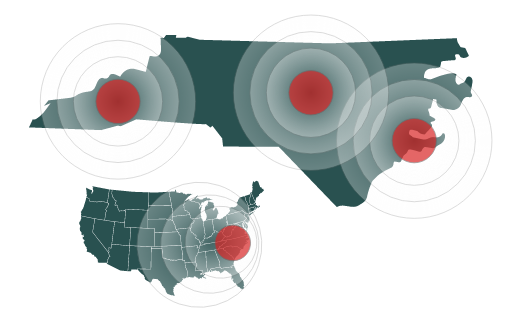
We’ve travelled as far as Nebraska, Texas, and the Cayman Islands to assist with large-scale disaster relief, but our main service areas since we started are North Carolina, South Carolina, and Virginia.
At Remtech Environmental, we offer mold removal services for customers in Raleigh, Durham, Cary, Asheville, Morrisville, Wake Forest, Wendell, Winston-Salem, Apex, Chapel Hill, and Greensboro, North Carolina.
![Our Proven Mold Removal Process in 6 Steps [infographic]](/images/scraped/295759-Remtech-Environmental_Approved.jpg)
At Remtech Environmental, we have seen the DIY videos circulating that discuss how easy it is to handle mold removal from your Raleigh, North Carolina property yourself, and we want to caution you to take that advice with a grain of salt. What most of them fail to explain is that dead mold can be just as hazardous to your respiratory system as live mold, so just killing it isn’t enough. In addition, mold removal that doesn’t follow strict safety protocols can result in spreading the mold spores and endangering your health. Finally, the vast majority of DIY mold removal advice is completely ineffective. For complete peace of mind, your best bet is leaving it to our professionals.
Mold damage is one of the most common problems we address at homes and businesses in the Raleigh area. Read More →
Our mold remediation services are handled by skilled and certified technicians who will resolve this concerning issue. Read More →
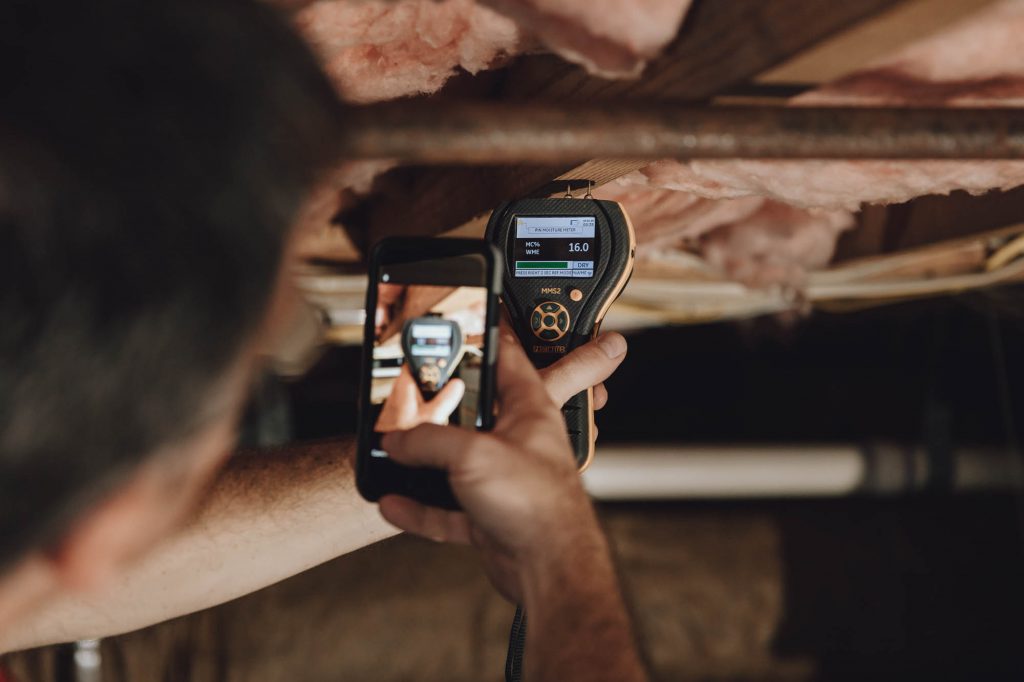
We start with an extensive mold inspection that allows us to plan the remediation strategy. Read More →
When it comes to black mold removal, you need to act fast. Black mold can show up in many places around your Raleigh, North Carolina home. Read More →
Mold can grow in places you don’t always see and quickly become a problem. Read More →
Turn to our certified professionals for mold cleanup. Read More →
Raleigh sits squarely in the humid subtropical zone of the North Carolina Piedmont, where summer dew points routinely climb past 70 and relative humidity stays above 80 percent from June through September. That kind of moisture load punishes the housing stock here. The vast majority of Raleigh-area homes are built over vented crawlspaces, and the neighborhoods filling out North Hills, Five Points, Brier Creek, and the historic Oakwood district all show the same pattern: warm humid air slipping past foundation vents, condensing on cool ductwork and floor joists, and feeding mold colonies before homeowners ever notice a smell. Add in the tropical remnants that swing through the Triangle most years, the slow-draining red clay soils that send water sideways into basements, and aging attic insulation that traps roof-deck condensation, and you get a region where mold is less a freak occurrence than a near-certainty without active management. Remtech Environmental has worked Raleigh properties for over two decades and knows exactly where to look.
Raleigh's combination of long humid summers, mature tree canopy, and crawlspace construction supports a predictable mix of mold genera. These are the five we encounter most on Wake County remediation jobs.
Stachybotrys chartarum thrives on cellulose materials that have stayed wet for a week or longer, which is why we find it after burst pipes, hidden roof leaks, and storm-driven flooding from systems like Hurricane Florence. In Raleigh homes, it shows up most often on drywall paper behind vinyl wallpaper, on the back side of baseboards in finished basements, and on subfloor sheathing above wet crawlspaces. Black mold releases mycotoxins that demand full containment and HEPA-filtered negative air during removal.
Aspergillus is the genus we sample most frequently in Raleigh attic spaces. North-facing roof slopes shaded by mature oaks and pines hold morning dew long enough for spores to germinate on roof decking, and inadequate ridge or soffit ventilation lets the colony spread across rafter bays. Several Aspergillus species produce aflatoxins and trigger asthma flare-ups in sensitive occupants. Effective remediation pairs HEPA vacuuming and antimicrobial treatment with corrected attic airflow so the conditions do not return.
Penicillium colonies turn up in Raleigh as the blue-green fuzz on water-damaged drywall, on HVAC evaporator coils, and on stored cardboard in closets that share a wall with humid garages. The genus produces enormous spore counts very quickly, so even small unaddressed leaks under kitchen sinks or behind washing machines can elevate indoor airborne counts well above outdoor baselines. We see it constantly in older Cameron Park and Hayes Barton homes where original galvanized supply lines have started to weep.
Cladosporium is the most abundant outdoor mold across the Triangle and the one that drifts indoors through every open door and HVAC return. It establishes interior colonies on cool window frames, painted bathroom ceilings, and the rubber gaskets of front-load washers. Because Cladosporium tolerates lower temperatures than most molds, it continues growing through Raleigh winters in unconditioned bonus rooms and over-garage spaces. Remediation focuses on cleaning, drying, and reducing the surface condensation that lets it persist.
Alternaria is a major allergen for the same patients who already react to Triangle pollen seasons, and it colonizes any chronically damp surface inside the home. We find it in shower grout, around tub surrounds, on window sills where rain blows through poorly sealed casements, and in the drain pans of central air systems. Raleigh's pollen-mold compounding effect makes Alternaria sources worth eliminating even when colonies look small, because spore release continues year-round once established.
Every Raleigh project follows the same five-stage protocol, calibrated to IICRC S520 and adapted to the construction styles common across Wake County.
Our certified inspectors walk the property with moisture meters, infrared cameras, and a borescope, paying particular attention to crawlspaces, attic ridges, and any wall cavities downstream of plumbing. We pull air samples from each affected zone plus an outdoor control, then send them to an accredited lab for spore identification and counts. The resulting report tells the homeowner exactly which species are present, at what concentration, and where the moisture source is feeding them, before any demolition starts.
Before we disturb a single contaminated surface, the work zone is sealed with six-mil polyethylene, zippered entry chambers, and negative air machines fitted with HEPA filtration that exchange the contained air several times per hour. This keeps Raleigh's prevailing air pressure from pushing spores into clean parts of the house and protects the family's HVAC system. For larger jobs we run dedicated decontamination chambers so workers can move in and out without tracking spores through living areas.
Removal is performed in personal protective equipment to IICRC standards. Porous materials past saving, including affected drywall, insulation, carpet pad, and subfloor, are double-bagged and removed. Salvageable framing and masonry are HEPA-vacuumed, wire-brushed where needed, and treated with EPA-registered antimicrobials selected for the specific genus identified in testing. We document every step photographically so the homeowner and any insurance adjuster can see exactly what was done.
Killing mold without fixing the moisture source guarantees a callback, so this step is non-negotiable. In Raleigh that usually means encapsulating crawlspaces with a sealed vapor barrier and dedicated dehumidifier, correcting roof flashing, rerouting downspouts away from clay-soil foundations, repairing failed plumbing connections, and addressing HVAC condensate problems. We coordinate with licensed plumbers, roofers, and HVAC contractors when a repair falls outside our scope.
We never close a project on our own word. An independent industrial hygienist or our third-party lab clears the space with new air samples and surface tests, comparing post-work counts against the outdoor control. Only after the verification report shows acceptable spore levels and no visible regrowth do we rebuild affected finishes. The homeowner receives the full chain of documentation, which insurance carriers and future buyers consistently ask to see.
Raleigh sits on Cape Fear and Triassic basin clay soils that hold water far longer than the sandier soils east of I-95. After the heavy summer thunderstorm cells that build off the Sandhills, that clay funnels water against foundations and into the vented crawlspaces under most Raleigh homes. Once humid June-through-September air enters the crawlspace and hits cool floor joists and ductwork, condensation forms on every wood surface and stays there. National Weather Service climatology for Raleigh-Durham International shows average summer relative humidity above 80 percent at sunrise and average July dew points at 70 degrees, which is the textbook condition for fungal growth. Hurricane and tropical-storm remnants compound the problem, dropping four to eight inches of rain in a day on neighborhoods like North Raleigh, Garner-adjacent subdivisions, and the older homes inside the Beltline that predate modern foundation drainage. Roof age is another factor. Many Raleigh subdivisions built in the 1990s housing boom are now on second-generation shingles and original attic ventilation, and we routinely find decades of accumulated Aspergillus growth on north-facing roof decks. None of this is exotic, but all of it requires a remediation contractor who understands North Carolina building practices and the specific climate that drives our work.
Mold spores, fragments, and the volatile organic compounds molds produce reach the lungs every time the HVAC system circulates contaminated air. For most Raleigh residents the symptoms start as the same congestion, sinus headaches, and watery eyes that the pollen-heavy Piedmont allergy seasons already provoke, which is why mold-driven illness is so often misattributed to seasonal allergies and left untreated for months. Documented effects from longer exposure include chronic cough, new-onset asthma, eczema flare-ups, and persistent fatigue. Children, elderly residents, pregnant women, and anyone immunocompromised through chemotherapy, transplant medication, or an autoimmune condition face materially higher risk, including invasive aspergillosis from heavy Aspergillus exposure. Stachybotrys exposure has been linked to pulmonary hemorrhage in infants. The combination of Raleigh's long oak and pine pollen seasons plus elevated indoor mold counts is particularly punishing for asthmatic children, and remediation often produces measurable symptom reduction within weeks.
Most Raleigh residential remediation projects fall between 2,500 and 7,500 dollars, with the variables being affected square footage, how many materials need removal versus cleaning, and whether a crawlspace encapsulation or HVAC cleaning is part of the scope. Small isolated jobs, like a single bathroom wall behind a leaky shower, can run under 1,500 dollars. Whole-house contamination after an undetected long-term leak, or post-flood remediation following hurricane remnants, can exceed 15,000 dollars when subfloor replacement and drywall reconstruction are factored in. Remtech provides itemized written estimates after the inspection so there are no surprises.
Most North Carolina homeowner policies cover mold remediation only when it follows a covered sudden-and-accidental water loss, such as a burst pipe or a wind-driven roof breach. Mold from long-term seepage, deferred maintenance, or chronic crawlspace humidity is typically excluded. Many policies in the Raleigh market cap mold coverage at 5,000 or 10,000 dollars unless a higher endorsement was purchased. We document the moisture source and remediation scope in the format adjusters expect, and we have worked with most carriers active in Wake County. Check your declarations page for the specific mold sublimit.
A typical single-room remediation in a Raleigh home runs two to four working days, including setup, removal, drying, and clearance testing. Crawlspace projects with encapsulation usually take three to five days. Whole-house contamination after a major leak can run two weeks or longer once reconstruction is included. The schedule depends heavily on how quickly affected materials dry to the moisture content the IICRC requires before rebuild, so summer humidity actually extends timelines compared to winter work. We provide a written project timeline before mobilization.
In most cases, yes. Remtech sets containment that isolates the work area from the rest of the house, runs HEPA-filtered negative air, and seals the HVAC zones serving affected rooms so spores cannot migrate through ductwork. Families with infants, elderly relatives, asthmatics, or anyone immunocompromised are usually advised to stay elsewhere during active demolition, which generally lasts one or two days. If the contamination is whole-house or the HVAC system itself is colonized, full relocation becomes necessary. We make that call jointly with the homeowner during the scoping visit.
Returning mold almost always signals an unaddressed moisture source, not failed remediation. Watch for the same musty odor returning, fresh staining at the original failure point, peeling paint, or a recurrence of respiratory symptoms in the family. Check crawlspace humidity with a cheap hygrometer; readings above 60 percent year-round are a warning sign. After a Remtech project we recommend a follow-up air sample at the six-month mark, and we offer a written warranty against regrowth when the moisture repair is part of our scope and recommended controls are kept in place.
Remtech Environmental serves homeowners and commercial property managers across the entire Raleigh metro. Our crews regularly work properties in North Hills, Five Points, Hayes Barton, Cameron Park, Oakwood, Mordecai, Brier Creek, North Raleigh, Falls of Neuse, Wakefield, Bedford, Hedingham, Glenwood South high-rises, downtown lofts, and the older inside-the-Beltline neighborhoods built before modern moisture controls. We also cover the Wake County perimeter towns, including Garner, Knightdale, Wendell, Zebulon, Rolesville, and Wake Forest. If your property sits anywhere from US-1 west to NC-39 east, we can be on site fast.
Contact us today to schedule an inspection or receive a free quote for our services.
Get a Free QuoteReady to get started? Fill out the form below and we'll get back to you right away.
We believe that a job done right is the only way to sleep well at night.
Contact Us Today