
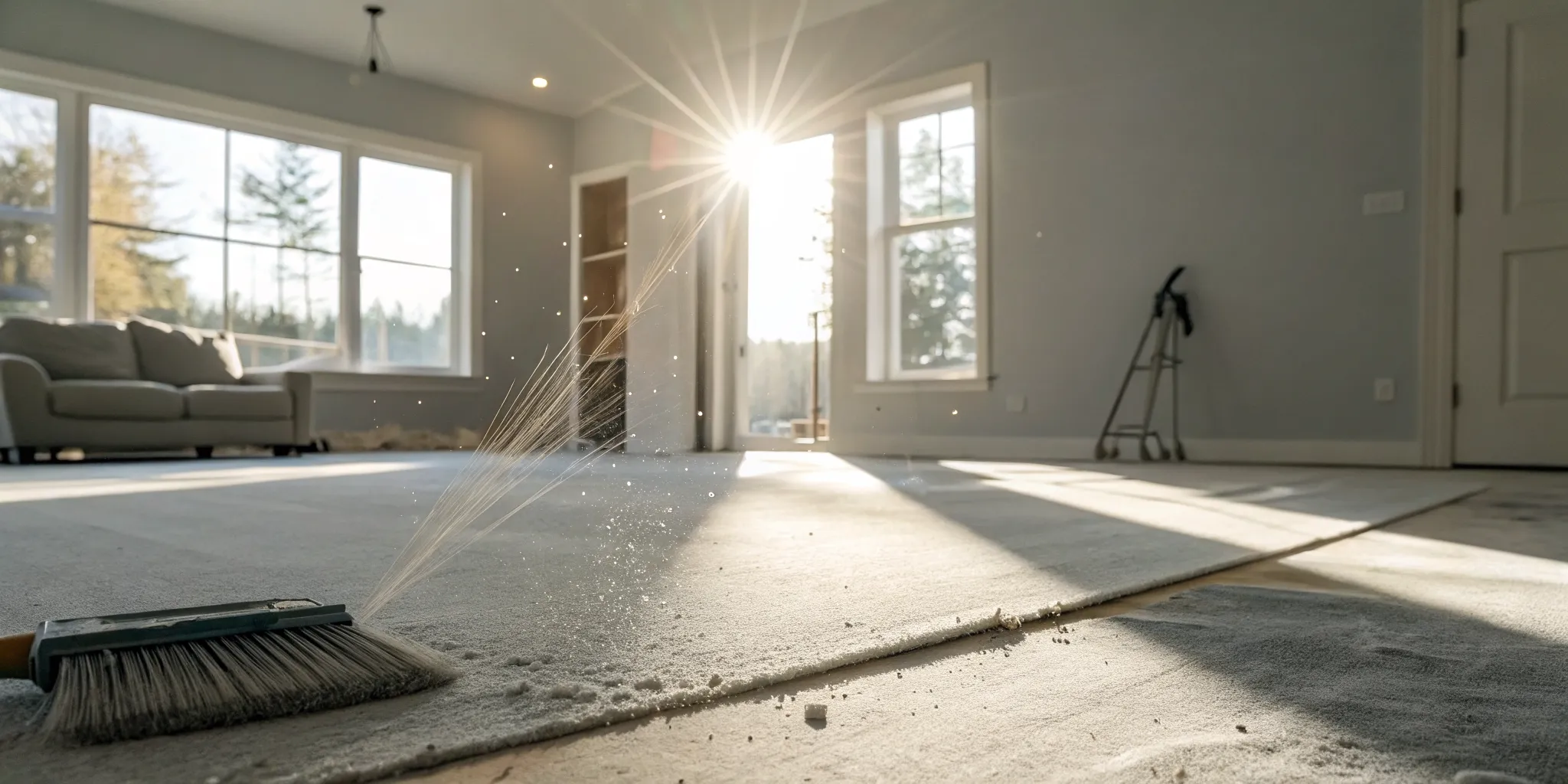
The most dangerous threats are often the ones you can't see. Unlike smoke or dust, asbestos fibers are completely invisible, odorless, and tasteless. When released, they can float undetected in your home for days. This invisibility is what makes the question of how long does asbestos stay in the air so important. For up to 72 hours after a disturbance, your family could be breathing in these harmful particles without any warning signs. Even after they settle, simple actions like vacuuming can stir them back up. This guide will shed light on this invisible threat, explaining the health risks and outlining the necessary steps to ensure your home’s air is truly clean and safe.
Key Takeaways
- Airborne asbestos lingers for days: Microscopic fibers can float in the air for up to 72 hours after a disturbance and can become airborne again with simple movements, creating a long-lasting, invisible hazard.
- There is no safe level of exposure: Even brief contact with asbestos can lead to serious health issues like mesothelioma and lung cancer, which may not show symptoms for decades. Every exposure adds to your lifetime risk.
- Do not disturb suspected asbestos: The safest action is to leave the material alone, secure the area to prevent access, and call a licensed professional for inspection and removal. This is not a DIY project.
How Long Does Asbestos Stay in the Air?
When materials containing asbestos are disturbed, microscopic fibers are released into the air. Unlike ordinary dust that settles quickly, these fibers are incredibly lightweight and can remain suspended for a surprisingly long time, posing a serious health risk to anyone in the area. Understanding this timeline is the first step in protecting yourself and your family.
The 48- to 72-Hour Window
Once disturbed, asbestos fibers can float in the air for 48 to 72 hours. Think about that, for two to three full days, these harmful particles can be circulating in a room, waiting to be inhaled. Some studies even show they can linger longer depending on the conditions. This extended timeframe is why simply airing out a room isn't enough to solve an asbestos problem. The initial hours after a disturbance, like a renovation or accidental damage to building materials, are critical. During this period, the concentration of airborne fibers is at its highest, making professional asbestos abatement the only safe solution.
Why Asbestos Fibers Are an Invisible Threat
You can't see, smell, or taste asbestos fibers. They are often more than 10 times smaller than the width of a human hair, making them completely invisible to the naked eye. This is what makes them so dangerous. You could be breathing them in without any immediate sign of their presence. Unlike smoke or other visible pollutants, there are no warning signs. This invisibility is why you should never handle materials you suspect contain asbestos. Without proper testing and containment, you are unknowingly exposing yourself and others to a hidden hazard that can have health consequences decades down the road.
The Lingering Risk of Re-Suspension
Even after the initial 72-hour window passes and fibers seem to have settled, the danger is not gone. These settled fibers can easily become airborne again. Simple, everyday actions like walking across the floor, vacuuming, dusting, or even a draft from an open window can stir the fibers back into the air you breathe. This cycle of re-suspension means the area remains contaminated long after the initial disturbance. It creates an ongoing risk that can only be eliminated by thorough, professional removal. If you suspect you have an issue, it's best to contact a professional to assess the situation safely.
What Keeps Asbestos Fibers Airborne?
Once asbestos fibers are released into the air, they don't just disappear. Several factors can influence how long these microscopic particles stay suspended, posing a risk to anyone who breathes them in. Unlike dust that you can see and wipe away, asbestos fibers are invisible to the naked eye and behave more like a gas, floating and spreading with ease. Their ability to linger is what makes them so hazardous, as they can travel far from their original source on even the slightest air current.
Understanding what keeps these fibers airborne can help you appreciate the importance of leaving potential asbestos-containing materials undisturbed. The characteristics of the fibers themselves, the movement of air in your home, and even the size of the room all play a role in how long the danger can last. This is why a seemingly small disturbance, like drilling a hole in a wall or scraping old flooring, can create a widespread problem. If you suspect you have asbestos, it's crucial to call a professional for asbestos abatement to ensure the fibers are safely contained and removed, not just stirred up. The goal is to prevent them from ever becoming airborne in the first place.
Fiber Size and Type
Not all asbestos fibers are created equal. Their size plays a huge role in how long they can float in the air. The smallest, most lightweight fibers can remain suspended for hours or even days, traveling on air currents throughout your home. Think of it like the tiniest dust particles you see dancing in a sunbeam; they seem to float forever. These microscopic fibers are particularly dangerous because their small size allows them to be inhaled deep into the lungs, where they can become lodged and cause serious health issues over time. Because they are so light, they don't settle quickly, creating a long-lasting hazard long after the initial disturbance.
Airflow and Ventilation
You might think that opening a window or turning on a fan would help clear the air, but with asbestos, it can actually make the problem worse. Air circulation from your HVAC system, ceiling fans, or even just people walking through a room can keep fibers suspended and spread them to other areas of your house. Any disturbance can easily stir up fibers that have already settled on floors, furniture, and other surfaces, reintroducing them into the air you breathe. This is why professionals use strict containment measures and specialized air filtration systems during removal; simply ventilating the area is not a safe solution and can contaminate your entire home.
Humidity, Temperature, and Room Size
The environment within a room also affects how long asbestos fibers linger. In smaller, enclosed spaces with still air, like closets, basements, or attics, fibers can stay suspended for several days because there's nowhere for them to go. While factors like humidity and temperature can have a minor effect, the most important thing to remember is that asbestos fibers are persistent. They don't break down or evaporate over time. They simply settle on a surface until they are disturbed again or professionally removed. This is why it's so important to contact a licensed professional if you suspect asbestos in any part of your home, especially in those quiet, enclosed areas.
Common Myths About Airborne Asbestos
When it comes to asbestos, what you don't know can certainly hurt you. A lot of misinformation floats around, making it hard to separate fact from fiction. Let's clear the air and tackle some of the most common and dangerous myths about airborne asbestos.
Myth: "If I can't see it, it's not there."
This is one of the most dangerous assumptions you can make. Asbestos fibers are microscopic, around 10 times smaller than a single human hair, making them completely invisible to the naked eye. They also have no taste or smell. This is precisely why they pose such a significant threat; you could be breathing them in without any immediate sign of danger. Because you can't rely on your senses to detect them, the only way to know for sure if your home has asbestos is through professional testing. Disturbing materials you suspect might contain it can release these invisible fibers into the air, where they can linger for days.
Myth: "Only older buildings have asbestos."
While it's true that asbestos was heavily used in homes built before the 1980s, this myth gives a false sense of security. Many of those "older" homes are still standing and occupied today. Materials like insulation, vinyl floor tiles, popcorn ceilings, and drywall compounds often contained asbestos. As these materials age, they can become brittle and release fibers with even minor disturbances. If your home was built before 1990, it's wise to be cautious. Our services are designed to safely identify and remove these hidden dangers from properties across our service areas.
Myth: "Short-term exposure isn't dangerous."
This is a critical misunderstanding. According to health experts, there is no known safe level of asbestos exposure. Every exposure, no matter how brief, contributes to your lifetime risk of developing serious health problems. A single event, like a DIY renovation that disturbs asbestos-containing materials, can release enough fibers to cause irreversible damage years down the road. The effects are cumulative, and since symptoms can take decades to appear, many people don't realize they've been affected until it's too late. This is why it's essential to leave potential asbestos removal to trained and certified professionals.
Myth: "Asbestos is completely banned."
Many people believe asbestos is a problem of the past, but that's not entirely accurate. While its use has been severely restricted in the United States, a complete ban has not been fully enacted for all products. More importantly, the real issue lies with the millions of homes and buildings constructed when asbestos was a go-to material. It's still present in countless properties, waiting to be disturbed. The legacy of its widespread use means that asbestos remains a very current threat. If you have any concerns about materials in your home, the safest first step is to contact a professional for an assessment.
Understanding the Health Risks of Inhaling Asbestos
The real danger of asbestos isn't just its presence; it's the risk of inhaling its microscopic fibers. When materials containing asbestos are disturbed, these tiny, sharp fibers become airborne and can easily be breathed into the lungs. Once lodged in the lung tissue or lining, they can remain there for a lifetime, causing inflammation and scarring that can eventually lead to serious health problems.
These health issues are often severe and develop decades after exposure, making it a silent threat. Because the consequences are so significant, it’s critical to leave any suspected asbestos-containing materials untouched. The only safe way to deal with this hazard is through professional asbestos abatement, which ensures fibers are not released into your home’s air.
Mesothelioma
Mesothelioma is a rare and aggressive form of cancer that develops in the thin layer of tissue covering most of your internal organs, most commonly the lining of the lungs and chest wall. Its primary and most well-known cause is asbestos exposure. When asbestos fibers are inhaled, they can travel to the pleura (the lung lining), where they become embedded and cause inflammation and genetic changes that lead to cancer. Because of its strong connection to asbestos, mesothelioma is a key reason why handling this material is so dangerous.
Lung Cancer
While mesothelioma affects the lining of the lungs, asbestos exposure can also cause cancer within the lung tissue itself. The risk of developing lung cancer after inhaling asbestos fibers is significant, and it increases with heavier or longer-term exposure. This risk is also multiplied for smokers. If you have a history of both smoking and asbestos exposure, your risk for lung cancer is substantially higher than it would be from either factor alone. This makes it even more important to prevent any further exposure.
Asbestosis and Pleural Disease
Not all asbestos-related conditions are cancerous, but they can be just as serious. Asbestosis is a chronic, non-cancerous respiratory disease where inhaled asbestos fibers cause scarring of the lung tissue. This scarring, or fibrosis, makes the lungs stiff, leading to shortness of breath, coughing, and permanent lung damage. Other conditions, known as pleural diseases, affect the membrane surrounding the lungs. This can include pleural plaques, which are hardened areas on the lung lining that indicate past exposure.
Is There a Safe Level of Exposure?
This is a critical point to understand: there is no safe amount of asbestos exposure. Health organizations worldwide agree that even a small, one-time exposure can increase your risk of developing a related disease later in life. The risk is cumulative, so repeated exposures add up over time. Because any amount of inhaled asbestos can be harmful, you should never attempt to remove or disturb suspect materials yourself. The only way to ensure your safety is to contact a licensed professional for testing and removal.
Why Symptoms Can Take Decades to Appear
One of the most deceptive aspects of asbestos-related diseases is their long latency period. After inhaling asbestos fibers, it can take anywhere from 10 to 50 years or more for symptoms to appear. A person exposed as a child or young adult may not experience any health issues until they are much older. This long delay means you might not connect your symptoms to a past exposure, making diagnosis difficult. It also underscores the importance of preventing exposure today to protect your long-term health.
What to Do If You Suspect Asbestos in Your Home
Finding something in your home that you think might be asbestos can feel overwhelming, but don't panic. There is a clear and safe way to handle the situation. The most important thing to remember is that asbestos is most dangerous when its fibers are disturbed and become airborne. Your primary goal is to prevent that from happening. By following a few straightforward steps, you can protect yourself and your family while getting the answers you need. Think of it as a simple safety protocol: stop, secure, and call for help. Let’s walk through exactly what to do.
Do Not Disturb the Material
Your first and most critical rule is to leave the material alone. If you see crumbling insulation, old vinyl tiles, or a damaged popcorn ceiling that you suspect contains asbestos, resist every urge to touch, scrape, or inspect it up close. Any action that disturbs the material, like drilling, sanding, or even just breaking off a piece, can release microscopic fibers into the air. As the experts at Mesothelioma.com advise, "If you know or suspect there's asbestos, leave it alone until an expert can check it." This isn't the time for a DIY investigation. Just keeping the material isolated and untouched is the safest first step you can take.
Leave and Secure the Area
Once you’ve identified a potential hazard, the next step is to create distance. Move everyone out of the room or area where the material is located. If you can, close the door to the room to help contain any potential fibers. It’s also a good idea to shut down any heating, ventilation, or air-conditioning systems that circulate air through that part of your home. This prevents the HVAC system from accidentally spreading fibers to other rooms. Do not attempt to sweep, vacuum, or clean up any dust or debris yourself. This can make the problem much worse by kicking fibers back into the air.
Schedule an Inspection for Older Properties
If your home was built before the 1980s, the chances of it containing asbestos are higher. Asbestos was a popular component in thousands of building products, from insulation to flooring. Because of this, it's wise to "have a qualified inspector check for asbestos, especially before remodeling." Planning a renovation is the perfect time to schedule a professional inspection. An expert can safely take samples and have them tested in a lab, giving you a definitive answer. This proactive step ensures you don’t accidentally disturb hidden asbestos during a project, protecting your health and your home’s value.
Contact a Licensed Asbestos Professional
When you suspect asbestos, your final and most important step is to call in the experts. Handling and removing asbestos is not a do-it-yourself job; it requires specialized training and equipment to be done safely. A licensed asbestos professional knows how to contain the area, use proper protective gear, and follow strict regulations for removal and disposal. They have the tools, like HEPA filtration systems, to ensure fibers are captured and the air in your home is left clean. Bringing in a certified team gives you peace of mind that the hazard will be removed completely and correctly, keeping your family safe.
How Professionals Safely Remove Asbestos
Seeing asbestos removal professionals in full protective gear can be intimidating, but every step they take is designed for one purpose: safety. Removing asbestos isn't a simple cleanup job; it's a highly regulated process that requires specialized training, equipment, and a meticulous plan. From the initial test to the final air clearance, licensed professionals follow a strict set of procedures to contain the fibers and ensure they are removed from your home for good. Understanding this process can help you feel more confident and prepared for what's ahead. Here’s a breakdown of how a certified team like ours handles asbestos abatement safely and effectively.
The Assessment and Testing Process
Before any work begins, the first step is always a thorough assessment. A certified professional will visit your property to visually inspect materials you’re concerned about. They will carefully take small samples of suspected materials, like old insulation, vinyl flooring, or popcorn ceilings. These samples are then sealed and sent to an accredited lab for analysis. This testing is the only way to know for sure if asbestos is present and what type it is. According to the Environmental Protection Agency (EPA), this confirmation is essential for creating a safe and effective removal plan tailored to your specific situation. It ensures that we only disturb what's necessary and handle it with the correct procedures.
Containment, Safety Gear, and HEPA Filtration
Once asbestos is confirmed, safety becomes the top priority. The work area is completely sealed off from the rest of your home using thick plastic sheeting and tape. We create a fully contained environment to prevent any fibers from escaping. To further control the air, we use special negative air pressure machines with HEPA (High-Efficiency Particulate Air) filters, which capture even the tiniest asbestos particles. Our team wears full personal protective equipment (PPE), including disposable coveralls and specialized respirators. These strict protocols, which align with guidelines from the Occupational Safety and Health Administration (OSHA), are non-negotiable. They protect both our crew and your family from exposure during the removal process.
Following Disposal Regulations
Getting asbestos out of your home is only half the battle; getting rid of it safely is just as critical. Asbestos-containing material is considered hazardous waste and can't just be thrown in a regular dumpster. Professionals are trained to handle disposal according to strict local, state, and federal laws. All removed materials are carefully sealed in specially labeled, leak-proof bags. We then transport this waste in covered trucks to a designated landfill that is licensed to accept hazardous materials. Following these regulations is a crucial part of our asbestos abatement service, ensuring the fibers that were removed from your home don't pose a risk to the community or the environment down the line.
What to Expect During Professional Abatement
Knowing what the abatement process involves can make it feel much less disruptive. It’s a multi-day project that includes careful preparation, the removal itself, and a thorough post-abatement cleanup. Depending on the size and location of the asbestos, you may need to arrange to be out of your home for a few days to ensure everyone's safety. Our team will communicate with you every step of the way, giving you a clear timeline and letting you know what to expect. After the removal is complete, we perform a detailed cleaning and often conduct air testing to confirm the area is safe for you to re-enter. If you have questions about your specific situation, our team is always ready to walk you through the process. You can contact us anytime for a consultation.
Protect Your Property With Professional Asbestos Removal
When it comes to asbestos, your safety and the safety of your family should always come first. If you suspect your home contains asbestos, especially if it was built before the 1980s, it’s crucial to take immediate and careful action. The first thing to do is stop all work in the area. Don't touch, scrape, or disturb the material in any way. Put up a simple sign and make sure everyone in the house, including pets, stays away from the area to prevent accidental exposure.
Once the area is secure, the next step is to call a professional. This is not a DIY situation. Attempting to remove asbestos yourself can release dangerous fibers into the air, contaminating your home and putting your health at risk. A certified asbestos abatement company is equipped with the proper training, safety gear, and specialized containment methods to handle the material safely. Professionals will conduct a thorough assessment and testing to confirm the presence of asbestos. If it's found, they will create a detailed plan to remove it according to strict state and federal regulations, ensuring it’s disposed of correctly. By hiring a professional, you can be confident that the job is done right and your home is safe. If you have any concerns at all, please contact a licensed professional for an inspection.
Related Articles
- What Makes Asbestos Bad for You?
- Common Places to Find Asbestos in the Home
- Covering Up Asbestos is the Reason it is a Problem
- Why is Asbestos so Harmful?
- What You Need to Know About Asbestos
Frequently Asked Questions
My house was built in 1992. Do I still need to worry about asbestos? While the use of asbestos declined significantly after the 1980s, it wasn't completely banned in all products. Some materials manufactured in the late 80s and early 90s could still contain it. If you're planning a renovation or have materials that are showing signs of wear, it's always safest to be cautious. An inspection can give you a definitive answer and peace of mind before you start any projects that could disturb hidden materials.
Is a single, brief exposure to asbestos really that dangerous? Health experts agree that there is no known safe level of asbestos exposure. While longer or more frequent exposure carries a higher risk, any exposure can contribute to your lifetime risk of developing a related disease. A single event, like drilling into a wall or tearing up old flooring, can release a high concentration of fibers into a small space. Since the health effects can take decades to appear, the safest approach is to prevent every possible exposure.
If I can't see or smell asbestos, how do I know the air is safe after a potential disturbance? You can't rely on your senses to detect asbestos fibers, which is what makes them so hazardous. They can remain airborne for days after being disturbed. The only way to know for sure if the air is safe is through professional air quality testing. Certified abatement professionals use specialized equipment to test the air after a removal project is complete, ensuring that the fiber count is at a safe level before you and your family re-enter the space.
Can I just paint over or seal asbestos-containing materials myself? While sealing, or encapsulation, is a method used by professionals in some cases, it's not a safe DIY project. Preparing a surface for painting or sealing often involves scraping or sanding, which is exactly the kind of disturbance that releases fibers. An improper seal can also flake off or become damaged, creating a future hazard. Professional removal is typically the most thorough and permanent solution to eliminate the risk completely.
What should I do right now if I accidentally broke something I think contains asbestos? First, don't panic. Immediately have everyone, including pets, leave the area. If you can, close the door to the room and shut off any HVAC systems or fans that could circulate the air. Do not try to sweep or vacuum the debris, as this will only send more fibers into the air. Your next step is to call a licensed asbestos professional to assess the situation and guide you on how to handle it safely.