
Common Places to Find Asbestos in the Home
Published by Remtech Environmental Team · Last updated April 2025
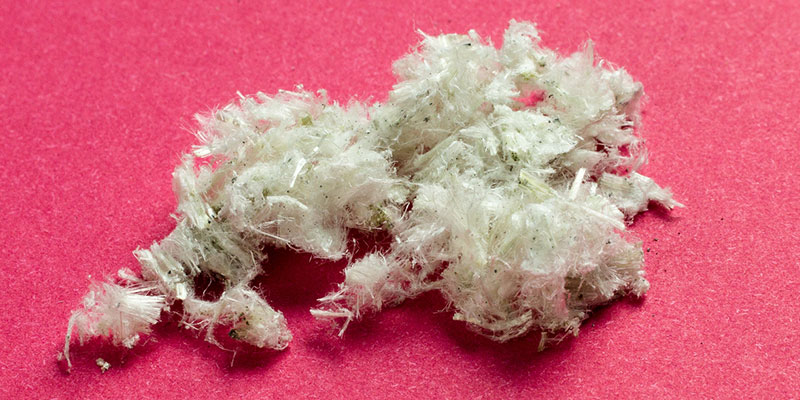
You may not know too much about asbestos, but if you’ve at least heard of it, you’ve probably also heard that it can be very hazardous to your health. While an asbestos presence in the home is not an immediate cause for concern, it can be hazardous if this asbestos gets released into the air when materials become damaged.
Houses built before 1985 are at the greatest risk for developing an asbestos problem. If you have an older home, there are a few key places that may harbor asbestos. For example, floor tiles used to utilize asbestos adhesives during installation, so if your home had vinyl flooring but it has since been removed, there’s a possibility that asbestos may have been released into the home when the sheet flooring was ripped out.
Asbestos was also commonly used in cement sheets in older homes. You can find these sheets around vent covers and light bases. Corrugated roofing, specifically cement roof shingles, can have white asbestos in them. Decorative elements around the home provide another possible source of asbestos. For example, textured paint and patching elements used on walls may have asbestos in them, depending on how old this paint job is.
We at Remtech Environmental are here to keep you safe rather than scare you over a possible asbestos problem. If you have an older home and are worried about exposure to asbestos, give us a call today. We can let you know whether or not there is asbestos in your home’s air and talk to you about the next best steps for taking care of the issue.
Asbestos was used in more than 3,000 building products throughout the twentieth century, and homes built or renovated before the late 1980s in North Carolina almost certainly contain at least one asbestos-containing material. The challenge for homeowners is that asbestos is not visible to the naked eye, cannot be identified by appearance alone, and only becomes hazardous when the material is disturbed in a way that releases microscopic fibers into the air. Routine renovation projects, storm damage repairs, and even simple maintenance tasks can transform an intact, low-risk material into an active exposure source within minutes. Understanding the most common locations where asbestos hides is essential for any homeowner planning a remodel or buying an older property. The following guide highlights six of the most frequently encountered asbestos-containing materials in older North Carolina homes, explains why each one poses a particular risk, and outlines how the licensed inspectors and abatement professionals at Remtech Environmental approach identification and removal under EPA, OSHA, and NC DHHS regulations.
Six Common Locations of Asbestos in Older North Carolina Homes
While asbestos can appear almost anywhere in a pre-1985 home, a handful of materials account for the majority of identifications during pre-renovation surveys. The six categories below were widely manufactured and widely installed, and they are still routinely uncovered during renovation, demolition, and storm-damage repair projects throughout the Piedmont, the Triangle, the Coastal Plain, and the western mountains of North Carolina. Treat any of them in an older home as presumed asbestos-containing until laboratory testing proves otherwise.
Popcorn Ceilings and Other Acoustic Texture Coatings
Popcorn ceilings, also marketed as acoustic, stucco, or cottage cheese ceilings, were applied in millions of American homes between the 1950s and the late 1970s. The textured spray often contained chrysotile asbestos to improve fire resistance and acoustic performance, and the EPA did not formally restrict its use in surfacing materials until 1977. Even after the ban, existing inventory continued to be installed for several years. The hazard with popcorn ceilings is that the texture is friable, meaning it crumbles easily under hand pressure, and any scraping, sanding, or water damage can release fibers into the breathing zone. Homeowners considering removal of a popcorn ceiling in any home built before the mid-1980s should treat the material as presumed asbestos-containing until laboratory analysis proves otherwise. Bulk sampling is inexpensive compared to the cost of an exposure event.
Nine-by-Nine Vinyl Floor Tile and the Mastic Beneath It
Vinyl asbestos tile measuring nine inches by nine inches is one of the most reliable visual indicators of asbestos in an older home. The format was standard from the late 1940s through the 1970s, and the tile body itself typically contains 10 to 25 percent chrysotile asbestos by weight. Equally important, the black cutback mastic used to adhere these tiles, and often used under newer vinyl sheet flooring installed directly on top, frequently contains asbestos as well. The risk arises when homeowners attempt to remove old flooring with floor scrapers, grinders, or sanders, all of which can pulverize the tile and mastic into respirable dust. NC DHHS guidance is clear that abatement of these materials should be performed by licensed contractors using wet methods, HEPA vacuuming, and proper containment.
Transite Cement Siding, Roofing, and Flue Pipes
Transite is the trade name most commonly associated with asbestos cement products, and it appears in older North Carolina homes as exterior siding shingles, corrugated roofing panels, soffit panels, and the flue pipes used to vent oil furnaces and water heaters. Intact transite is generally classified as non-friable, meaning the asbestos fibers are bound within the cement matrix and pose limited risk in undisturbed condition. The danger emerges when these materials are cut with power saws, broken during demolition, pressure washed at high pressure, or weathered to the point that the cement matrix has noticeably degraded. Homeowners replacing siding, reroofing an older outbuilding, or removing an obsolete oil heating system should assume transite components are asbestos-containing and engage a licensed abatement contractor before any cutting or demolition work begins on site.
Pipe Insulation, Boiler Wraps, and Duct Tape Wraps
Thermal system insulation is among the most hazardous categories of asbestos-containing material because much of it is highly friable. White, chalky pipe wrap with a corrugated cardboard appearance, often referred to as air-cell insulation, was used extensively on hot water and steam lines through the 1970s. Boilers and furnaces of the same era were commonly wrapped in asbestos-containing paper, fabric, or block insulation, and the cloth tape used to seal duct joints in older HVAC systems frequently contained asbestos as well. Damaged or aged thermal insulation can release fibers simply from being bumped or vibrated, and any decision to perform plumbing work, HVAC replacement, or basement renovation in a pre-1980 home should begin with an inspection of these systems by a licensed inspector.
Vermiculite Attic Insulation
Vermiculite is a naturally occurring mineral that was sold as loose-fill attic insulation under brand names such as Zonolite throughout much of the twentieth century. The vast majority of vermiculite sold in the United States was mined in Libby, Montana, where the underlying deposit was contaminated with naturally occurring tremolite and actinolite asbestos. The EPA continues to recommend that homeowners assume any vermiculite insulation in an older attic contains asbestos and avoid disturbing it under any circumstance. This includes avoiding storage in the attic, sealing penetrations from the living space below, and never attempting to remove or supplement the insulation without licensed abatement support. Vermiculite is one of the most common surprise findings during attic-related renovation projects in older North Carolina homes, and identifying it before work begins prevents costly emergency stop-work situations.
Joint Compound, Drywall Texture, and Plaster Skim Coats
Joint compound and drywall texture products manufactured before 1980 frequently contained chrysotile asbestos as a filler to improve workability and crack resistance over time. Because joint compound is used at every seam and fastener in a drywall installation, the contamination is effectively distributed throughout the wall assembly even when the drywall panels themselves are asbestos-free. The same concern applies to skim-coat plaster systems and decorative wall textures used to finish older walls and ceilings. The hazard becomes acute when homeowners sand walls in preparation for painting, cut openings for new electrical or plumbing work, or demolish walls during a remodel. EPA dust sampling has repeatedly confirmed that uncontrolled drywall sanding in older homes can release significant airborne fiber concentrations, which is why pre-renovation surveys are strongly recommended for any pre-1980 property.
Why Asbestos Is Regulated in North Carolina and What That Means for Homeowners
Asbestos is a known human carcinogen recognized by the International Agency for Research on Cancer, the EPA, and OSHA, and prolonged exposure has been definitively linked to mesothelioma, lung cancer, asbestosis, and pleural disease. The latency period between initial exposure and diagnosis often spans 20 to 50 years, which means damage done during a renovation today may not produce symptoms until well into retirement age. North Carolina regulates asbestos work through the Department of Health and Human Services Health Hazards Control Unit, which licenses inspectors, management planners, supervisors, and abatement workers, and which enforces work practice standards aligned with the federal Asbestos Hazard Emergency Response Act and the National Emission Standards for Hazardous Air Pollutants. While owner-occupants of single-family residences are technically permitted to perform some of their own abatement work, the regulatory exemption does not eliminate the health risk, the special disposal requirements, or the long-term liability associated with disturbing the material. Reputable real estate transactions, mortgage underwriting processes, and insurance claims increasingly require documentation that asbestos work was performed by properly licensed professionals, and any homeowner contemplating disturbance of suspect material should weigh the upfront cost of professional abatement against the long-term health, financial, and legal consequences of an uncontrolled fiber release inside their home.
How to Handle Suspected Asbestos in Your Home
If you live in a home built before 1985, the most important rule is simple: do not disturb suspect material until it has been tested. Asbestos in good condition and left undisturbed generally poses minimal risk, and the EPA has long taken the position that intact, non-friable materials are often best managed in place rather than removed. The hazard arises almost entirely from disturbance, which means renovation projects, storm damage repairs, and DIY remodeling are the three highest-risk situations for homeowners. Before scraping a popcorn ceiling, pulling up old vinyl flooring, removing siding, or opening up walls for any reason, schedule a pre-renovation asbestos survey with a North Carolina-licensed inspector. The inspector will collect bulk samples following EPA-approved protocols, send them to an accredited laboratory for polarized light microscopy or transmission electron microscopy analysis, and provide a written report identifying which materials require abatement and which can remain in place. If abatement is required, Remtech Environmental holds the necessary North Carolina asbestos contractor license, employs trained and accredited workers, uses negative-pressure containment, and provides full documentation including waste manifests, air monitoring results, and final clearance testing. The investment in a professional process protects your family today, your buyers tomorrow, and your peace of mind for decades to come.
Continue Learning About Asbestos Safety
Remtech Environmental maintains an extensive library of homeowner guidance covering the full asbestos lifecycle from initial inspection to final disposal. Our asbestos abatement service page details our licensed removal process, including engineering controls, containment, abatement methodology, regulated waste disposal, and clearance air sampling. We also publish detailed guides on the dangers of asbestos exposure, what to expect during a pre-renovation inspection, and how to interpret laboratory polarized light microscopy results. For homeowners considering a major renovation in an older North Carolina property, the asbestos testing and inspection page explains how surveys are scoped and priced based on the size and age of the building. You can request a free quote directly through our website at any time.
Key Takeaways
- Homes built or renovated in North Carolina before the late 1980s should be presumed to contain asbestos in at least one material until proven otherwise by laboratory testing.
- The six most commonly identified asbestos materials are popcorn ceilings, nine-by-nine vinyl floor tile and mastic, transite cement products, thermal pipe insulation, vermiculite attic insulation, and joint compound or plaster.
- Asbestos is hazardous primarily when disturbed, which is why renovation, demolition, and storm damage repair are the highest-risk activities for homeowners.
- North Carolina regulates asbestos work through NC DHHS, and licensed inspectors and abatement contractors are required for most projects under EPA NESHAP and OSHA standards.
- A pre-renovation asbestos survey followed by licensed abatement when needed is far less expensive than the long-term health and liability consequences of uncontrolled fiber release.
Need Help with Environmental Services?
If you have concerns about mold, asbestos, or water damage in your property, contact Remtech Environmental today for a free consultation.
Get a Free Quote