
What to Know About Asbestos Removal
Published by Remtech Environmental Team · Last updated April 2025
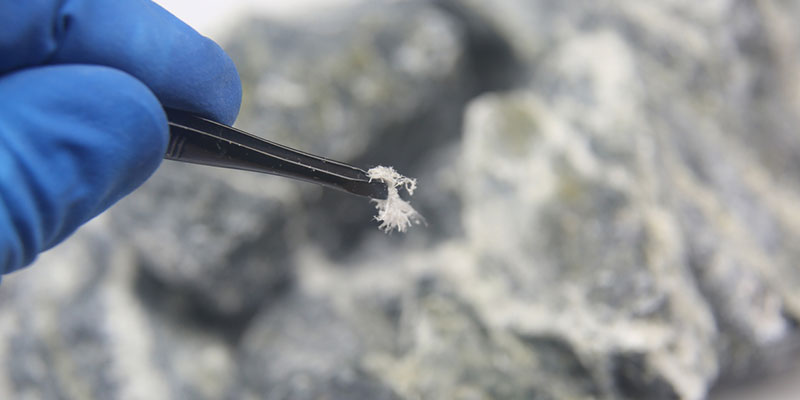
Asbestos is a known carcinogen that can make you and your family very sick, making asbestos removal important when it has been disturbed or is likely to be disturbed. However, there are a few important things to know when it comes to asbestos and its removal.
For one, asbestos removal is not always necessary. The potential for asbestos in your home significantly decreases if your home was built later than 1985. If a building material that contains asbestos hasn’t been damaged or is in otherwise good condition, you and your family are most likely safe from exposure. Asbestos removal is typically required when flooring, siding, insulation, walls, or ceilings that utilize materials containing asbestos have begun to deteriorate or are going to be disturbed due to an upcoming renovation or repair. These conditions will expose occupants to asbestos fibers.
It’s also important to know that asbestos removal isn’t something you should do on your own. Because asbestos can be harmful when inhaled, a trained, accredited, insured professional should always be used to protect your family’s health.
If you suspect that you’ve been exposed to asbestos, don’t hesitate to reach out to our team here at Remtech Environmental. We’ll handle the entire asbestos removal and abatement process, so you don’t have to worry about it. Call us today for all of your asbestos removal needs.
Asbestos remains one of the most heavily regulated environmental hazards in North Carolina, and for good reason: a single disturbed ceiling tile or scraped pipe wrap can release millions of microscopic fibers that linger in indoor air for hours and embed in lung tissue for decades. If your Raleigh, Durham, or Cary home was built before 1985, asbestos-containing materials (ACM) are statistically likely in floor tile mastic, vermiculite insulation, joint compound, popcorn ceilings, and HVAC duct wrap. Removing these materials is not a job for a handyman or a weekend DIYer. Federal NESHAP rules, EPA AHERA standards, and the North Carolina Health Hazards Control Unit (HHCU) impose specific licensing, notification, containment, and disposal requirements that protect workers, occupants, and the public. This guide walks through what every homeowner, property manager, and commercial owner should understand before scheduling abatement, including how pricing is calculated and why corner-cutting almost always costs more in the long run.
The Seven Pillars of a Compliant Asbestos Abatement Project
A legitimate asbestos removal job in North Carolina follows a predictable sequence of regulatory checkpoints. Each pillar below corresponds to a step where untrained or unlicensed contractors typically fail inspection or expose occupants to liability. Understanding these requirements helps you vet quotes, recognize red flags, and confirm your contractor is operating within the law rather than creating a hidden Phase II environmental liability you will inherit at closing.
Licensing Requirements in North Carolina
Any company performing asbestos abatement in NC must hold a current license issued by the Health Hazards Control Unit under the NC Department of Health and Human Services. Individual workers and supervisors need separate accreditation issued after EPA AHERA Model Accreditation Plan training, with annual refreshers required to keep credentials active. Ask for the company license number and at least one supervisor accreditation card before signing any contract, and photograph both. The HHCU maintains a public list of licensed firms on the NC DHHS website; if a contractor is not on it, walk away. Bonus credentials worth checking include NC General Contractor licensing for any structural rebuild, EPA RRP certification for pre-1978 lead-paint overlap, and pollution insurance with explicit asbestos coverage rather than the standard ACM exclusion.
EPA NESHAP Compliance and Pre-Job Notification
The National Emission Standards for Hazardous Air Pollutants require written notification to the NC Division of Air Quality at least ten working days before any regulated asbestos abatement begins. The notice covers project address, supervisor accreditation number, square footage of ACM, removal methods, transporter, and the approved Subtitle D disposal site. NESHAP also dictates work practices including thorough wetting before disturbance, prompt double-bagging in labeled six-mil poly, and a strict prohibition of visible emissions to the outdoor air. Skipping notification, even on a small residential job, can trigger fines that easily exceed the cost of the abatement itself, and the violation becomes publicly searchable. A reputable contractor files the NESHAP form electronically through the state portal and provides you a stamped copy with the project ID number for your file.
Engineering Controls and Containment
Friable ACM removal requires a regulated work area built from minimum six-mil polyethylene sheeting on all walls and floors, sealed seams running continuously, and a three-stage decontamination chamber at the only authorized access point. Negative air machines with HEPA filtration must maintain at least minus 0.02 inches of water column inside the enclosure, exhausting filtered air outdoors and creating four to six air changes per hour to prevent fugitive emissions. Critical barriers seal every HVAC register, door, and electrical penetration with rated poly and tape. For Class I friable jobs like pipe wrap or vermiculite, a glove bag or full enclosure is non-negotiable. If you tour an active site and see open windows, no decon chamber, no manometer reading, or workers in dusty Tyveks, the containment is failing and cross-contamination is almost guaranteed.
The Wet Method and Approved Work Practices
Wet methods are the foundation of EPA-compliant fiber control on residential and commercial projects alike. Amended water, made by adding a non-ionic surfactant to ordinary water, soaks ACM before, during, and after removal so fibers stay bound to the substrate instead of becoming airborne. For exterior siding such as transite, encapsulation sprays may be applied first to lock down loose edges before any mechanical disturbance. Dry removal is permitted only in narrow circumstances, such as power-line proximity vermiculite jobs where water creates electrical hazard, and even then requires a state variance and additional engineering controls. When you receive a quote, ask the contractor to specify which removal method applies to each suspect material and why, plus the surfactant brand. The answer reveals whether the bidder actually understands the regulation or is rehearsing buzzwords.
Clearance Air Sampling and Disposal Manifests
Once removal is complete, an independent third-party industrial hygienist performs a visual inspection of all enclosure surfaces followed by aggressive PCM or TEM clearance air sampling inside the still-sealed containment. Aggressive sampling means leaf blowers and fans agitate any remaining settled dust during collection, so the result reflects worst-case conditions rather than calm-air readings. Acceptable results in NC residential settings are typically below 0.01 fibers per cubic centimeter for PCM, with TEM thresholds even lower. Only after a passing clearance can the containment be dismantled. All waste leaves double-bagged and tracked on a uniform hazardous waste manifest signed by generator, transporter, and approved Subtitle D landfill. Keep every manifest, the clearance report, and lab chain-of-custody in your property file forever; buyers, lenders, and Phase I consultants will ask for them at due diligence.
What Drives the Price of an Asbestos Removal Project
Homeowners often ask why one estimate comes in at 1,800 dollars and another at 9,500 dollars for what looks like the same job. The honest answer is that asbestos pricing is driven by six variables that legitimate contractors all have to budget for, and dishonest contractors quietly skip. First is square footage and material type: friable pipe insulation removes faster per linear foot than non-friable nine-by-nine floor tile bonded with black mastic. Second is accessibility, since crawlspace and attic work requires more PPE rotations, more cleanup, and longer labor hours than open basement removal. Third is the cost of the regulated containment itself, including poly, tape, negative air rental, HEPA filter consumables, and decon chamber materials, which can run several hundred dollars even on small jobs. Fourth is third-party clearance, typically 350 to 700 dollars depending on the number of samples and turnaround time. Fifth is disposal tipping fees, charged by weight at approved Subtitle D landfills, with transportation fuel and manifest filing tacked on. Sixth, and the one most often hidden, is project management overhead for NESHAP filing, OSHA recordkeeping, payroll burden on accredited workers, and required medical surveillance and respiratory fit testing. When a quote comes in dramatically below market, it usually means one or more of these line items is being skipped, which exposes you to fines, retesting, and re-abatement costs that dwarf the original savings.
Steps to Take If You Suspect Asbestos in Your Home
Do not start by ripping anything open. The single most expensive mistake homeowners make is disturbing a suspect material to bring a sample to a lab or to test whether their suspicion is correct. That single action can convert a stable material into a regulated friable hazard requiring full containment to remediate. Instead, begin with a written inventory of suspect materials by location: vermiculite in the attic, popcorn ceiling in the bedroom, nine-by-nine vinyl tile in the basement, transite siding on the garage, joint compound on pre-1980 drywall seams, and HVAC duct mastic. Photograph each one without touching it. Next, hire a licensed asbestos inspector, not the abatement contractor who would also bid the removal, to collect bulk samples using approved low-disturbance technique and submit them to a NVLAP-accredited PLM laboratory. Inspector and abatement should be separate companies to avoid conflict of interest. Once you have lab results, request scoped abatement quotes from at least two licensed firms, confirming each carries pollution liability coverage. Before signing, verify NESHAP notification will be filed, ask which approved disposal site will be used, and require a third-party clearance be included in the contract. After the project, retain the lab report, NESHAP filing, manifests, and clearance certificate together. These documents are essential for any future sale, refinance, or commercial appraisal in the Triangle market.
Continue Your Asbestos and Indoor Air Research
Asbestos abatement often overlaps with mold and water remediation, especially in older Triangle homes where chronic leaks have damaged ACM and forced emergency response under regulatory time pressure. Explore our overview of residential and commercial asbestos removal services across the region, our breakdown of mold and asbestos cross-contamination scenarios in pre-1985 properties, and our dedicated service-area pages for Raleigh, Durham, Cary, Chapel Hill, Apex, Morrisville, and Wendell to see local project examples and response times. If you are preparing a property for sale or refinance, our environmental due-diligence guidance walks through the inspection-contingency documentation that buyers, lenders, and Phase I consultants increasingly require before clearing the file to close.
Key Takeaways
- Only NC HHCU licensed firms with EPA-accredited supervisors can legally perform residential or commercial asbestos abatement in North Carolina.
- EPA NESHAP requires a ten working day pre-job notification to the NC Division of Air Quality, even for small residential jobs involving regulated ACM.
- Compliant containment uses six-mil poly, sealed critical barriers, HEPA negative air at minus 0.02 inches w.c., and a three-stage decon chamber.
- Wet methods with amended water plus third-party PCM or TEM clearance sampling are mandatory before a containment can be dismantled.
- Keep lab reports, NESHAP filings, waste manifests, and clearance certificates permanently because they are required during future sale, refinance, and insurance underwriting.
Need Help with Environmental Services?
If you have concerns about mold, asbestos, or water damage in your property, contact Remtech Environmental today for a free consultation.
Get a Free Quote