
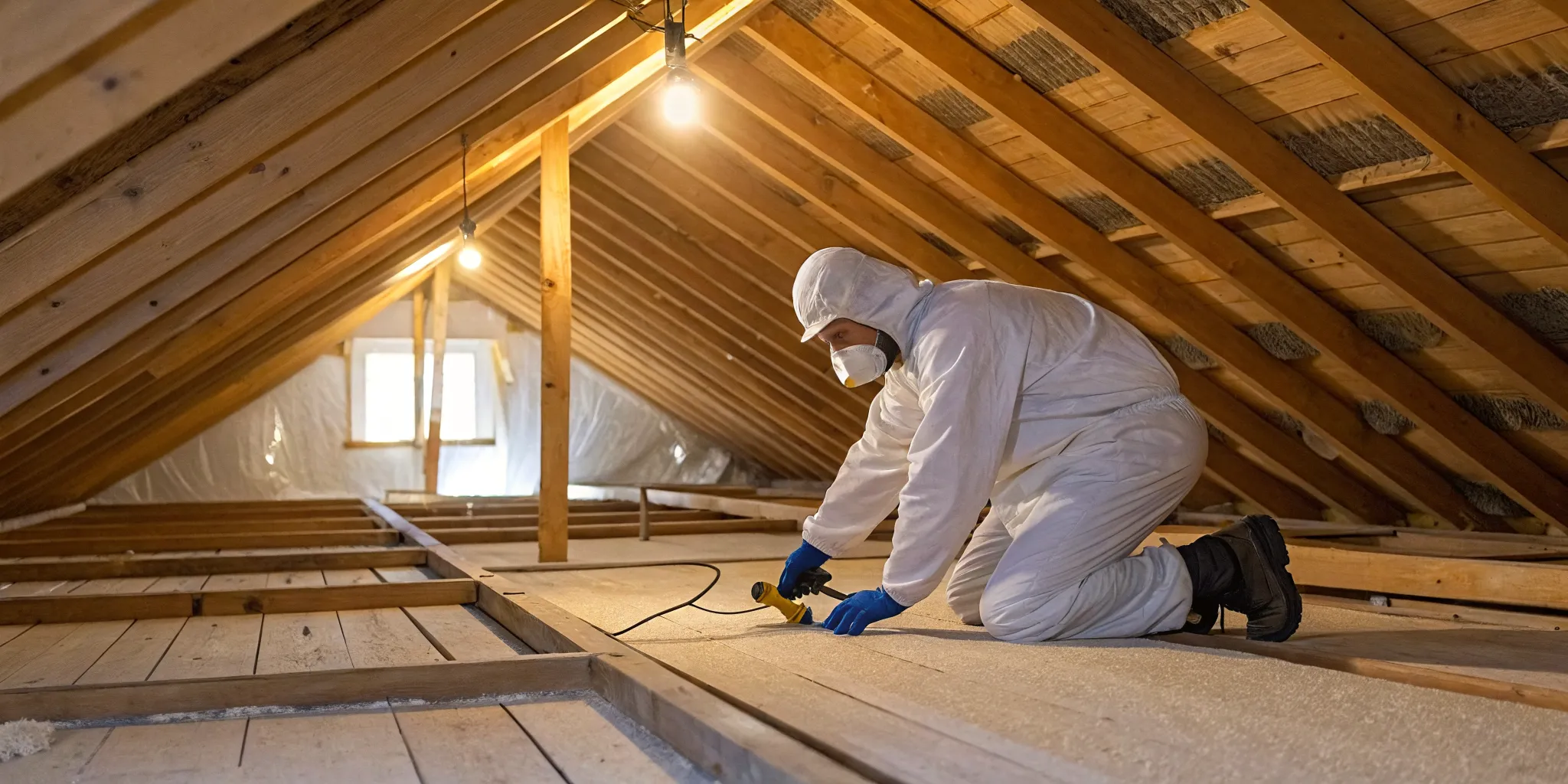
Your nose is often the first line of defense against hidden household problems. If you’ve noticed a persistent musty, earthy smell in your home that you can’t seem to locate, it’s a sign you shouldn’t ignore. This odor, combined with allergy symptoms that seem to worsen indoors, is your home’s way of telling you that a moisture issue is fueling microbial growth somewhere out of sight. The attic is a common culprit. Instead of guessing, a professional attic mold inspection acts as a form of detective work, using specialized tools and expertise to trace these clues back to their source and give you a definitive answer.
Key Takeaways
- Trust your senses: A musty smell or visible water stains are your home's way of signaling a problem. Addressing these early signs with an inspection can prevent serious health issues and protect your home's structure from long-term damage.
- Get the full story, not just a guess: While DIY kits can confirm mold exists, a professional inspection tells you why it's there. Experts use specific tools to locate the moisture source, which is the key to creating a plan that actually solves the problem.
- An effective plan addresses the root cause: True mold remediation isn't just about cleaning what you see; it's about fixing the underlying moisture issue. A proper inspection report will give you a clear, step-by-step protocol for a lasting solution.
What Is a Professional Attic Mold Inspection?
A professional attic mold inspection is a detailed investigation to determine if you have mold, identify its source, and understand the extent of the problem. It’s much more than a quick look around; a certified inspector uses their training and specialized tools to conduct a systematic assessment of your entire attic environment. Think of it as detective work for your home’s health. The goal is to get a clear, factual picture of the situation so you can make an informed decision about what to do next. This step is essential before any cleanup begins, as it ensures the problem is handled correctly at its source, preventing it from returning.
What an Inspection Includes
An inspection always starts with a thorough visual check. Our experts will carefully examine your attic, looking for any visible mold growth and signs of moisture problems, like water stains or damp insulation. If we spot something that looks like mold, we might recommend taking a sample. One common method is a tape-lift, where a special piece of tape is pressed against the surface to collect a sample for lab analysis. This helps confirm that what we're seeing is mold and identifies the type. This detailed approach ensures we understand the full scope of the issue before recommending a mold removal plan.
Why Mold Loves Your Attic
Your attic can be a perfect home for mold, and it almost always comes down to one thing: moisture. Mold thrives in damp, warm, and dark places, and attics often check all those boxes. The main culprit is usually moisture buildup that can't escape, often caused by roof leaks, poor ventilation, or even condensation from appliances venting directly into the attic instead of outside. Without proper airflow, this moisture gets trapped. The wood framing, insulation, and any stored cardboard boxes become a food source, allowing mold to grow quickly. You can find more tips on home maintenance in our resource library.
Signs You Need an Attic Mold Inspection
Not sure if your attic has a mold problem? Your home often gives you clues long before an issue gets out of hand. Some signs are obvious, like visible patches of growth, while others are more subtle, like a persistent musty smell you can’t quite place. Paying attention to these signals is the first step in protecting your home and your family’s health. An attic is a common trouble spot for moisture, making it a prime location for mold to thrive. If you notice any of the following signs, it’s a good idea to consider a professional inspection.
You See Visible Growth
This is the most straightforward sign. If you can see mold, you have a mold problem. It might look like black, green, or white spots, fuzzy patches, or discoloration on wood, insulation, or stored items. But what you see is often just the tip of the iceberg. In many cases, visible mold represents only a small fraction of the actual growth, with much more hiding within walls or under flooring. A professional mold removal expert understands that a clean-looking surface doesn't always mean a clean structure. Even a small, visible patch is a clear signal that it’s time to call for an inspection to determine the full extent of the issue.
You Smell Musty Odors
Your nose is one of the best tools for detecting mold. If you notice a persistent damp, earthy, or musty smell in your attic or even in the living spaces below, it’s a strong indicator that mold is growing somewhere nearby. This odor is caused by microbial volatile organic compounds (MVOCs), which are gases produced by mold. A musty smell often means mold is present, even if you can't see it. Don't dismiss that "old house smell" as normal. It’s your home’s way of telling you that there’s a moisture problem fueling microbial growth, and it’s worth investigating with a professional inspection.
You Have Water Damage or Poor Ventilation
Mold needs moisture to survive, and your attic can be a perfect source. Attic mold is frequently caused by the buildup of moisture that cannot escape. Look for signs of past or present water issues, like dark stains on the wood, evidence of roof leaks, or condensation on pipes. Another major culprit is poor ventilation. If your bathroom or kitchen fans vent directly into the attic instead of outside, you're pumping warm, moist air right where mold loves to grow. An attic with good ventilation and no moisture intrusion is unlikely to have a mold problem. If you suspect leaks or poor airflow, it's wise to get it checked out. You can find more information in our Resource Library.
The Risks of Ignoring Attic Mold
It’s easy to adopt an "out of sight, out of mind" attitude about your attic. But when it comes to mold, what you can’t see can definitely hurt you. Ignoring a mold problem in your attic is like ignoring a slow leak under your sink; it only gets worse and more expensive over time. The issue isn't just contained to the attic space. Mold spores are microscopic and can easily travel through your home's ventilation system, gaps around light fixtures, and attic hatches, affecting your indoor air quality. Letting attic mold go unchecked puts both your family’s health and your home’s structural integrity on the line. Understanding these risks is the first step toward protecting your investment and the people living within it.
Health Risks from Attic Mold
The primary danger of attic mold is its effect on your health. As mold grows, it releases spores into the air that can cause a range of health problems, especially when inhaled. For many people, this starts with allergy-like symptoms, such as persistent coughing, sneezing, a runny nose, or itchy eyes. If you find your allergies acting up inside your own home, mold could be the culprit. For individuals with asthma or other respiratory conditions, mold exposure can trigger more severe reactions. While it's often hidden away, attic mold can seriously compromise your home's air quality, turning your safe space into a source of illness. Addressing the growth with professional mold removal is the best way to protect your family’s well-being.
Damage to Your Home's Structure
Beyond the health concerns, mold poses a serious threat to the structure of your house. Mold is a living organism that needs to eat, and its food source is organic material. In your attic, that means the wooden rafters, beams, and plywood sheathing that make up your roof's support system are all on the menu. As mold colonies grow, they digest this wood, causing it to weaken and rot over time. This can compromise the structural integrity of your roof, leading to sagging, instability, and eventually, costly repairs that go far beyond the price of remediation. Ignoring the problem allows this silent destruction to continue, threatening the very framework of your home. You can learn more about these kinds of environmental hazards in our resource library.
What to Expect During an Attic Mold Inspection
Knowing what happens during a professional mold inspection can help you feel more prepared and confident in the process. It’s more than just a quick look; it’s a detailed investigation to uncover the full scope of any mold problem. A certified inspector follows a systematic process to find not only the mold itself but also the moisture source that’s allowing it to grow. This ensures that the remediation plan will be effective and long-lasting. The goal is to give you a complete picture of your attic's health and a clear path forward, so you can be sure you’re making the right decisions for your home and family.
Visual Checks and Moisture Readings
The first thing an inspector will do is a thorough visual examination of your attic. They’ll use a flashlight to look for any visible signs of mold growth, which can appear as black, green, or white spots or patches. They will also search for evidence of water damage, like stains on the wood or insulation, and identify potential moisture sources, such as roof leaks or poorly vented exhaust fans. To find moisture that isn't visible, the inspector will use a moisture meter. This tool measures the moisture content in materials like wood framing and sheathing, helping pinpoint problem areas that are feeding the mold.
Air and Surface Sampling
If the inspector finds visual evidence of mold or suspects hidden growth, the next step is often sampling. This helps identify the type of mold and the concentration of spores in the air and on surfaces. For surface sampling, an inspector might use a tape-lift system, which involves pressing a special piece of tape onto a surface to collect a sample for lab analysis. They may also take air samples to measure the number of airborne mold spores in your attic compared to the outdoors. This is a crucial step because it tells us if the mold is impacting your home's indoor air quality.
Using Advanced Detection Tools
Professionals come equipped with more than just a flashlight. They often use advanced tools to uncover hidden issues. One of the most valuable is an infrared or thermal imaging camera. This device detects temperature differences in your attic's structure, which can reveal hidden moisture behind walls or under insulation without any demolition. An inspector might also use a borescope, a tiny camera on a flexible cable, to see inside wall cavities or other hard-to-reach spaces. These tools provide a non-invasive way to get a complete understanding of the moisture problem, ensuring nothing is missed.
How Long Does an Attic Mold Inspection Take?
The time it takes to complete an attic mold inspection can vary, but you can generally expect it to last between one and three hours. The duration depends on several factors, including the size and accessibility of your attic. A small, easily accessible attic will take less time to inspect than a large, cluttered one with limited headroom. If the initial visual check reveals significant issues, the inspector may need more time for detailed documentation and collecting multiple samples. The goal is to be thorough, so a good inspector will take as long as needed to assess the situation properly before recommending a mold removal plan.
How Much Does an Attic Mold Inspection Cost?
Let's talk about the investment. When you're worried about mold, you want a clear picture of what's happening, and that starts with a professional inspection. In general, you can expect the cost of an attic mold inspection to range from $300 to $1,000. The final price tag depends on a few key things, like the size of your attic and how deep the investigation needs to go. A basic visual inspection, where a professional checks for visible signs of mold and uses a moisture meter, usually falls on the lower end of that range.
If the situation calls for taking air or surface samples to a lab for analysis, the cost will be higher. This more comprehensive approach gives you definitive answers about the type and concentration of mold in your attic, which is crucial for planning the right remediation strategy. Think of it as an investment in your home’s health and your family’s peace of mind. While these numbers provide a general idea, every home is different. For a specific quote tailored to your property, it's always best to contact a professional who can assess your unique situation.
What Affects the Cost?
Several factors can influence the final cost of your attic mold inspection. The size of your property is a major one; a larger, more complex attic simply takes more time and effort to inspect thoroughly. Accessibility also plays a role. If your attic is difficult to get into or move around in, it can add to the labor involved. Another key factor is the number of samples required. If the inspector finds multiple areas of concern, they may need to take several samples to get a complete picture, which can increase lab analysis fees.
Potential Additional Costs
It’s important to understand that the price for an inspection is separate from the cost of mold removal. The inspection identifies the problem, while remediation is the solution. If a more hazardous type of mold, like black mold, is suspected, the inspection might cost more due to the need for specialized testing protocols. Additional tests, such as air cell or swab testing, can also add to the total. A trustworthy inspector will be transparent about these potential costs from the start, explaining what tests are needed and why they are recommended for your specific situation.
How to Choose a Mold Inspection Service
Finding the right mold inspector can feel overwhelming, but it doesn't have to be. You want someone you can trust to give you an honest assessment of your home without trying to sell you services you don’t need. Making a smart choice comes down to knowing what to look for and what questions to ask. A qualified professional will not only identify the extent of your mold problem but also help you understand its source, giving you a clear path forward.
Look for Certifications and Experience
When you’re vetting a mold inspection service, start by checking their credentials. It's crucial to work with professionals who are certified and have substantial experience in the field. Certifications from respected organizations show that a company is committed to industry standards and that its technicians are properly trained. An experienced team has seen it all and can quickly diagnose issues specific to homes in North Carolina. A reputable company will be transparent about their qualifications, so don't hesitate to ask. Our team's extensive experience is something we're proud to share, as it forms the foundation of the expert services we provide.
Why Inspection and Remediation Should Be Separate
It’s wise to be cautious of companies that seem too eager to find a problem. A conflict of interest can arise when one company handles both the inspection and the remediation. To ensure you get an unbiased and thorough assessment, it’s a good practice to separate the two processes. An inspector’s only job should be to give you the facts about what’s happening in your attic. If visible mold is already present, extensive testing may not even be necessary to confirm a problem. An honest inspector will tell you that. This separation helps guarantee that you aren't pressured into expensive work based on an exaggerated report.
Questions to Ask Before You Hire
Before you hire anyone, a short interview can reveal a lot about their professionalism and process. Being prepared with a few key questions will help you make an informed decision.
Start with these:
- What steps do you take during a mold inspection?
- Are you and your technicians certified? If so, by which organizations?
- What kind of report will I receive after the inspection?
- Do you also perform remediation work?
A trustworthy inspector will walk you through their process, which should begin with a detailed visual check and moisture readings. If they find something that looks like a problem, they might recommend sampling to confirm it. Once you have a clear and honest inspection report, you can confidently plan for professional mold removal.
Are DIY Mold Test Kits Good Enough?
When you suspect mold, it's tempting to grab a DIY test kit from the hardware store. They seem like a fast and affordable way to get answers. But when it comes to protecting your home and your family's health, are these kits really sufficient? The short answer is usually no. While they might confirm that mold is present, they often fall short of providing the complete picture you need to actually solve the problem. A professional assessment gives you a clear, actionable plan, which is something a simple petri dish can't offer.
The Limits of DIY Mold Kits
The biggest issue with DIY mold kits is that they can be misleading. Most of these kits simply involve a petri dish that you leave out to collect airborne spores. The problem? Mold spores are virtually everywhere, inside and outside. So, when the dish grows mold, it doesn't tell you if you have an unusual concentration or a dangerous type of mold in your attic. It just confirms that mold exists. These kits also can't pinpoint the moisture source feeding the growth or determine how far the contamination has spread within your walls or insulation. For that, you need a professional who uses specialized tools and lab tests to get accurate, reliable results.
Common Myths About Attic Mold
Several common myths can lead homeowners to underestimate an attic mold problem. One major misconception is that what you see is all there is. In reality, visible mold is often just a fraction of the total growth, with much more hiding behind drywall or under insulation. Another myth is that you can just clean visible mold with bleach. While this might work on non-porous surfaces, it doesn't address the hidden mold or the underlying moisture issue. Finally, some believe that if you can see mold, you don't need testing. However, professional testing is crucial to identify the mold type and define the full scope of the problem, ensuring the remediation plan is truly effective.
What Happens After the Inspection?
So, the inspector has packed up their tools and left. Now what? This is the part where you get answers and a clear path forward. The post-inspection phase is all about understanding the findings and deciding on the next steps to ensure your home is safe and healthy. You aren't alone in this; a professional team will guide you through the results and the solutions.
The process is straightforward. First, you’ll receive a detailed report that breaks down exactly what was found in your attic. If mold is present, the report will include a plan for how to handle it. This plan, often called a remediation protocol, is your roadmap to a mold-free home. It outlines the specific steps needed to remove the existing mold and, just as importantly, addresses the underlying moisture issue that allowed it to grow in the first place. We’ll walk through what to expect from the report, the remediation process, and the final checks that give you peace of mind.
How to Read Your Inspection Report
Your inspection report is the key to understanding the health of your attic. It can feel a bit technical at first, but it will be broken down for you. You’ll get the official lab results from any samples taken, which identify the types and concentrations of mold found. Alongside the data, you’ll receive a summary that explains these findings in simple, clear language.
Most importantly, if mold is an issue, the report will include a detailed plan for mold removal. This isn't just a suggestion; it's a specific, step-by-step protocol tailored to your home. It will outline the scope of the problem and the exact procedures recommended to fix it, so you know precisely what needs to be done.
The Mold Remediation Process
If the inspection confirms mold, the next step is remediation. You should receive a price quote for the removal services, often on the same day as your report. This quote will be based on the specifics of your situation, including the size of the affected area and the extent of the growth. A small, contained patch of mold will naturally cost less to remove than a widespread issue.
The remediation process itself is thorough. Professionals will seal off the work area to prevent spores from spreading, carefully remove the mold-damaged materials, and clean the surrounding surfaces. The goal is not just to get rid of the visible mold but to eliminate the problem at its source, creating a safe environment in your home once again.
Fixing the Root Cause
Here’s a simple truth: mold is a symptom of a moisture problem. It thrives in damp, humid conditions. If you only clean the mold without addressing the source of the water, it will inevitably return. A leaky roof, a poorly ventilated bathroom fan venting into the attic, or high overall humidity can all create the perfect breeding ground for mold.
A truly effective remediation plan always includes identifying and fixing this root cause. Whether it’s repairing a leak or improving your attic’s airflow, this step is non-negotiable for a lasting solution. At Remtech Environmental, our team of experts understands that solving the moisture issue is just as critical as removing the mold itself.
Why Follow-Up Testing Is Important
After the remediation work is complete, how do you know for sure that the job is truly done? That’s where follow-up testing, also known as post-remediation verification or clearance testing, comes in. An independent professional will take new air and surface samples from the area that was treated to confirm that mold levels have returned to a normal, healthy state.
Think of it as a final seal of approval. This step provides scientific proof that the remediation was successful and that the air quality in your home is safe. It’s the ultimate peace of mind, confirming that your investment has protected your home and your family’s health. You can see what our satisfied customers have to say about our thorough process.
How to Prevent Attic Mold
After you’ve gone through the remediation process, the last thing you want is a repeat performance. The best way to deal with attic mold is to prevent it from growing in the first place. Taking a proactive approach to your attic’s health can save you from future headaches, expenses, and potential health issues. By focusing on ventilation, humidity, and moisture control, you can create an environment where mold simply can’t get a foothold. These preventative steps are key to maintaining a healthy home from the top down.
Improve Your Attic's Ventilation
Your attic needs to breathe. Proper ventilation allows warm, moist air to escape instead of getting trapped, which is a primary cause of attic mold. A simple way to check for moisture issues is to look at the nails or metal fasteners in your attic. If they are rusted, you likely have a ventilation problem. Make sure your soffit, ridge, and gable vents are clear of insulation, dust, and debris. Good airflow not only discourages mold but also helps regulate your home's temperature, which can extend the life of your roof and improve energy efficiency. If ventilation is poor, a professional can help you find the right solution.
Control Humidity Levels
Mold thrives in damp conditions, and high humidity creates the perfect environment for it to grow. It's important to control humidity because mold growth can lead to health issues for your family, including persistent coughing, throat irritation, and allergic reactions like sneezing. A common mistake is having bathroom or kitchen exhaust fans venting directly into the attic instead of outside. Double-check that all your vents, including your dryer vent, are properly sealed and routed to the exterior of your home. This simple check prevents warm, moist air from being pumped directly into a space that’s already prone to moisture buildup. For more tips, you can explore our resource library.
Fix Leaks and Moisture Issues
Even a tiny leak can lead to a massive mold problem. Water can enter your attic from a damaged roof, compromised flashing around chimneys or vents, or even from leaking pipes. Attic mold is a big deal and a potential health hazard for your entire house, as it can compromise your indoor air quality. Regularly inspect your attic, especially after a heavy storm, for any signs of water intrusion like damp spots, stains on the wood, or wet insulation. If you find a leak, fix it immediately. The longer you wait, the more damage it can cause. If you discover a leak has already led to mold, it's best to contact a professional to assess the situation.
Schedule Your Professional Attic Mold Inspection
If you’ve noticed any of the signs we’ve covered, from a persistent musty smell to visible discoloration on your attic’s surfaces, it’s time to take the next step. Scheduling a professional attic mold inspection is the most reliable way to understand what’s happening in your home and how to fix it for good. A trained expert can do more than just spot obvious mold; they can identify the hidden moisture sources that allowed it to grow in the first place. This comprehensive approach ensures you’re not just treating a symptom but solving the root problem.
During an inspection, a certified professional starts with a thorough visual assessment of your entire attic. If they see what looks like mold, they may recommend surface sampling to confirm its presence and type, which provides the concrete data needed to create an effective remediation plan. Acting quickly is key, as attic mold can compromise your home’s structural integrity and affect your family’s health over time. Taking this proactive step protects your investment and gives you peace of mind.
Don’t leave your family’s health and safety to chance with a DIY kit or by waiting for the problem to get worse. Getting a professional opinion is the best thing you can do for your home. If you’re in Raleigh, Durham, or the surrounding areas, our team at Remtech Environmental is here to help. Contact us today to schedule your inspection and get clear, actionable answers from experts you can trust.
Related Articles
- A Mold Inspection Can Prevent Major Damage and Expenses | Remtech Environmental
- How a Mold Inspection Can Keep You Healthy | Remtech Environmental
- Reasons to Get a Mold Inspection in Your Home | Remtech Environmental
- Mold Inspection, Asheville, NC | Remtech Environmental
- What Technicians Look for During a Mold Inspection | Remtech Environmental
Frequently Asked Questions
My attic smells musty, but I don't see any mold. Is an inspection really necessary? That musty, earthy smell is one of the most reliable clues that you have a moisture problem fueling microbial growth. Mold is excellent at hiding in places you can't easily see, like behind insulation or on the underside of your roof decking. An odor is your home’s way of telling you something is wrong, even if the evidence isn't visible yet. A professional inspection uses tools like moisture meters and thermal cameras to find these hidden problem spots and confirm if mold is the source of the smell.
Can't I just use bleach to clean up a small spot of mold myself? While it’s a common go-to, bleach is not an effective solution for mold on porous surfaces like the wood in your attic. It might clean the surface, but it doesn't penetrate deep enough to kill the mold's roots. More importantly, cleaning the spot doesn't fix the underlying moisture issue that allowed the mold to grow in the first place. Without addressing the leak or ventilation problem, the mold will almost certainly return.
How do I know if the mold in my attic is the "dangerous" kind? Many people worry specifically about "black mold," but the truth is that any type of mold can cause health issues, especially for those with allergies or asthma. You can't identify a mold species just by looking at it. A professional inspection, sometimes with lab sampling, is the only way to know for sure what you're dealing with. Regardless of the type, all indoor mold growth should be treated as a potential health concern and removed properly.
What's the difference between an inspection and remediation? Do I need both? Think of it like a visit to the doctor. The inspection is the diagnosis; a professional assesses your attic to identify if mold is present, what's causing it, and how widespread the problem is. Remediation is the treatment; it's the actual process of safely removing the mold and fixing the moisture source. You need an inspection first to create an effective plan for remediation. If no mold is found, then remediation isn't necessary.
If you find mold, do I have to use your company for the removal? An ethical inspection provides you with an unbiased, factual report about the condition of your attic. Our primary goal during an inspection is to give you a clear and honest assessment. While we do offer expert remediation services, you are never obligated to use them. The detailed report you receive can be used to get quotes from any qualified company, giving you the freedom to make the best choice for your home.