
How a Mold Inspection Can Keep You Healthy
Published by Remtech Environmental Team · Last updated April 2025
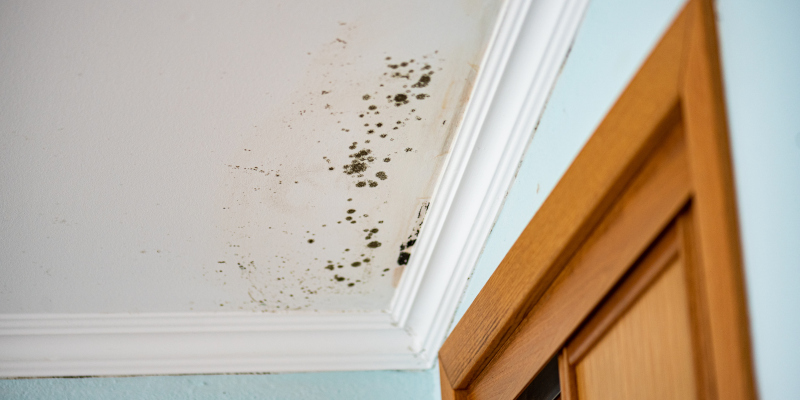
Homeownership can be a tough job. There’s plenty you need to keep track of, including your appliances, your home’s exterior, your electrical and plumbing, and much, much more. One aspect of homeownership that cannot be overlooked is mold prevention and removal. Mold is a silent, subtle invader, but it can cause serious problems if not taken care of. A mold inspection is a great way to make sure your home is safe and healthy for your whole family.
When mold is present in a home, it may cause those living within it to breathe in mold spores. Mold spore inhalation can cause a variety of problems, as mold can produce allergens and irritants, which can cause sore throat, rash, congestion, and other unpleasant effects. Allergic reactions to mold are common, so where it is present, these symptoms are likely to follow.
Mold commonly grows in damp, dark places, so you may not notice it promptly. A mold inspection can identify the source of your home’s mold, even if it’s hidden away. Mold inspection can bring you crucial insights into not only removing the mold you may currently have, but also in preventing it from reappearing. Because mold commonly forms in wet spaces, it may clue you in to a problem with your plumbing or a leak in your home.
Mold inspection allows you to eliminate sources of mold from your home and bring you the peace of mind that the air you and your family are breathing is clean and safe. To learn more about mold inspection and our other services, contact us today.
Mold is one of the few indoor environmental hazards that is simultaneously common, biologically active, and routinely underdiagnosed by primary care physicians. North Carolina sits in a climate band among the most favorable in the country for indoor microbial growth. Summer dewpoints in the Triangle and Triad sit in the high sixties to low seventies for four to five months a year, crawlspaces in older homes routinely hold relative humidity above 80 percent, and the building stock includes pre-1980 homes with original HVAC and limited vapor management. The result is that mold spores and their associated metabolites are present in measurable concentrations in many North Carolina homes, often without visible colonies on finished surfaces. A professional mold inspection is the diagnostic step that translates vague symptoms into actionable information. This article explains the respiratory and allergic mechanisms by which indoor mold affects health, addresses mycotoxins, identifies populations at elevated risk, and outlines what early detection through an IICRC S520 inspection can accomplish before remediation costs escalate.
Respiratory Symptoms, Allergic Reactions, and the Mechanisms Behind Them
Mycotoxins, Vulnerable Populations, and What the Science Actually Says
A subset of mold species produce secondary metabolites known as mycotoxins, which are low-molecular-weight compounds with documented biological activity in humans and animals. The species most commonly cited in indoor environment discussions include Stachybotrys chartarum, certain Aspergillus species including Aspergillus flavus and Aspergillus fumigatus, and certain Penicillium species. These organisms produce mycotoxins such as trichothecenes, aflatoxins, ochratoxin A, and gliotoxin under specific moisture and substrate conditions. The relevant scientific consensus, as documented by the World Health Organization Guidelines for Indoor Air Quality on Dampness and Mould, is that indoor dampness and microbial growth contribute to respiratory symptoms, asthma development and exacerbation, and respiratory infections, with mycotoxins playing a role in the chronic inflammation observed in heavily contaminated environments. The literature is more cautious about specific dose-response relationships between low-level indoor mycotoxin exposure and individual disease states, and homeowners should be skeptical of clinics or testing companies that promise to diagnose mold-specific illness through unvalidated urine panels or proprietary blood tests. What the science does support is that reducing indoor microbial burden reduces respiratory symptoms in sensitized individuals, and that vulnerable populations face disproportionate risk. Infants and young children inhale larger volumes of air per kilogram of body weight than adults, spend more time near floor level where settled spores accumulate, and have developing immune and respiratory systems that respond more strongly to environmental triggers. Older adults frequently have reduced respiratory reserve, more chronic comorbidities, and more medication use that can blunt or alter immune response. Pregnant patients are advised by most maternal-fetal medicine guidelines to avoid known indoor mold exposure when feasible. Immunocompromised patients, including organ transplant recipients, chemotherapy patients, and individuals with poorly controlled diabetes, face the most serious risk because Aspergillus species can cause invasive infections in patients whose immune defenses cannot clear inhaled spores from lung tissue. For these populations, indoor mold is not a comfort issue. It is a clinically relevant hazard that warrants proactive inspection and source control.
Early Detection and What a Real Mold Inspection Includes
The economic and health argument for early detection is straightforward. A focused mold inspection in a 1,500 to 3,000 square foot North Carolina home typically costs between 300 and 700 dollars and identifies active moisture sources, hidden growth, and elevated airborne spore counts before symptoms become chronic and before structural materials become unsalvageable. A remediation project caught at the inspection stage often costs between 1,500 and 6,000 dollars. The same project allowed to progress for another twelve to twenty-four months frequently exceeds 15,000 to 40,000 dollars when wall cavity demolition, subfloor replacement, and HVAC decontamination become necessary. A properly scoped inspection follows the IICRC S520 Standard for Professional Mold Remediation and includes several distinct components. The first is a moisture survey using calibrated pin and pinless meters to measure substrate moisture content, supplemented by infrared thermal imaging to identify temperature differentials consistent with hidden moisture migration. The second is a relative humidity and dewpoint assessment of conditioned and semi-conditioned spaces, including crawlspaces, attics, and HVAC return plenums, which establishes whether ambient conditions are supporting microbial growth. The third is visual assessment of high-probability areas including under-sink cabinets, behind washing machines, around bathroom exhaust fans, in attic eave bays, on the underside of crawlspace subfloors, and around any historical leak sites disclosed by the homeowner. The fourth, when warranted, is air sampling using spore trap cassettes collected indoors and outdoors simultaneously, analyzed by a third-party AIHA-accredited laboratory. Spore counts are compared between indoor and outdoor samples, with indoor counts that are equivalent to or lower than outdoor counts of the same genera generally considered consistent with normal fungal ecology, and indoor counts elevated by an order of magnitude or showing species not present outdoors generally considered indicative of an indoor amplification source. The deliverable from a real inspection is a written report with photographs, moisture readings, lab results when applicable, and a recommended scope of work. That report is the document that gives homeowners the leverage to make informed decisions, file insurance claims accurately, and verify that any remediation work performed actually resolved the problem rather than simply hiding it behind fresh paint.
Schedule a Mold Inspection Across the Triangle and Triad
Remtech Environmental provides IICRC-aligned mold inspections, third-party laboratory analysis, and full S520 remediation across central North Carolina. Our inspectors hold relevant industry certifications, work with AIHA-accredited laboratories for spore trap analysis, and provide written reports suitable for homeowner decisions, real estate transactions, and insurance documentation. Visit our mold inspection and mold remediation service pages for what to expect during a visit, our Raleigh and Cary pages for Wake County response, our Durham and Chapel Hill pages for Triangle coverage, and our Greensboro and Winston-Salem pages for Guilford and Forsyth response. If members of your household have been experiencing respiratory symptoms that improve when away from the home, or if a recent water event has not been followed by a clearance inspection, we recommend scheduling an assessment before the next humid season begins.
Key Takeaways
- Indoor mold exposure produces allergic and irritant respiratory symptoms whose key diagnostic feature is improvement when away from the home and return within hours of coming back.
- A subset of mold species produce mycotoxins, and the WHO Indoor Air Quality Guidelines link indoor dampness and microbial growth to asthma development, exacerbation, and respiratory infection.
- Infants, older adults, pregnant patients, and immunocompromised individuals face elevated clinical risk from indoor mold exposure and warrant proactive inspection.
- A professional mold inspection in North Carolina typically costs 300 to 700 dollars and includes moisture survey, thermal imaging, visual assessment, and spore trap air sampling when indicated.
- Early detection through inspection routinely catches problems at 1,500 to 6,000 dollar remediation cost, while delayed action commonly escalates the same project to 15,000 to 40,000 dollars.
Need Help with Environmental Services?
If you have concerns about mold, asbestos, or water damage in your property, contact Remtech Environmental today for a free consultation.
Get a Free Quote