
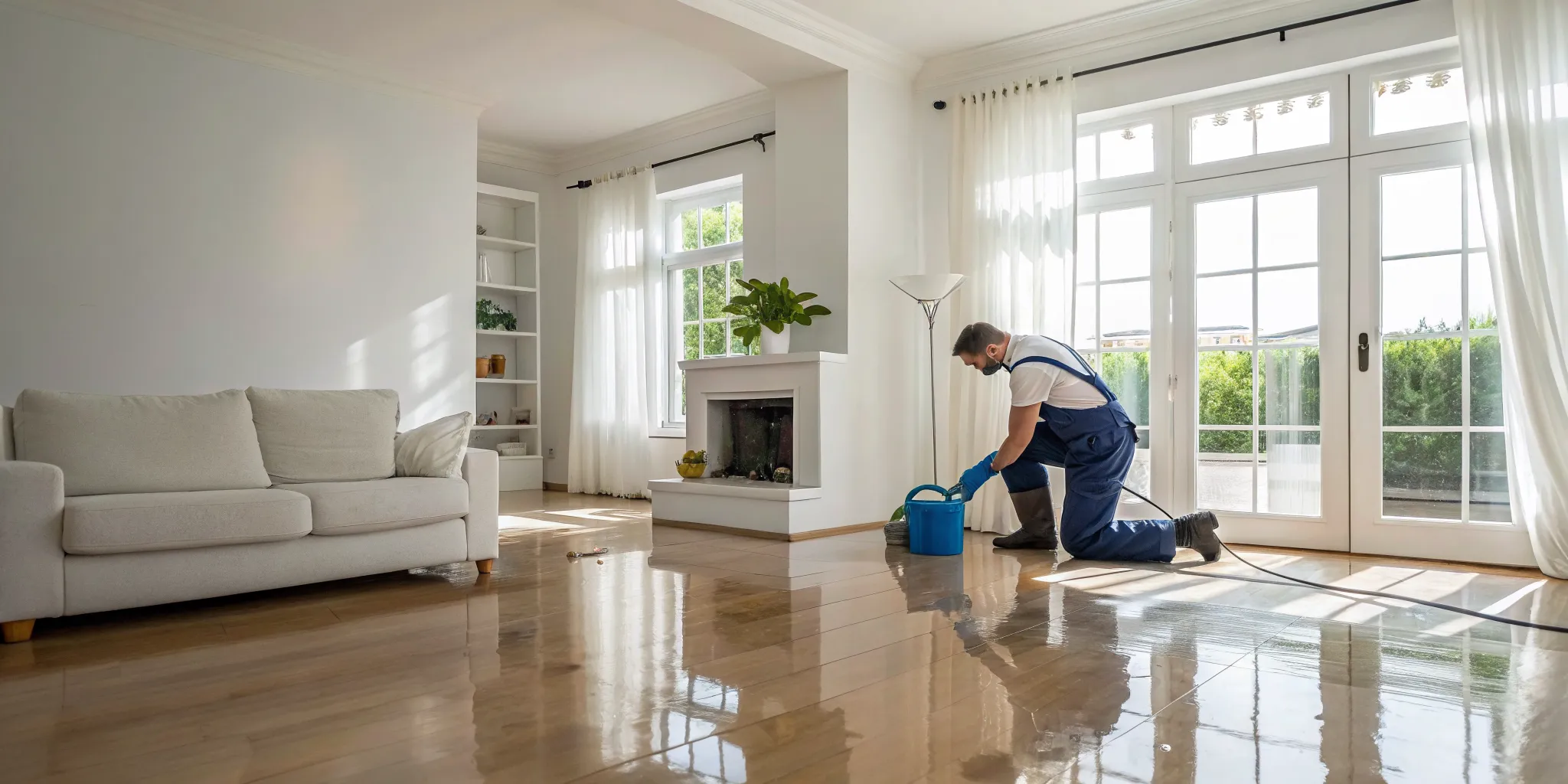
Think of water damage as an uninvited guest. It shows up unexpectedly and makes a huge mess. But the real problem is the destructive friend it brings along: mold. This secondary issue can quietly take hold while you’re focused on the initial cleanup, causing long-term problems for your home and health. Getting rid of the water is only half the battle. This guide is your playbook for handling the entire situation. We’ll show you how to effectively dry out your property and provide the essential steps on how to prevent mold after water damage, ensuring both unwelcome guests are gone for good.
Key Takeaways
- Speed is Everything: Mold can begin growing in just 24 to 48 hours, so your immediate response is critical. Focus on removing standing water, pulling out saturated materials, and starting the drying process as soon as you discover the damage.
- Dry, Clean, and Disinfect: A successful cleanup is a three-part process. After thoroughly drying the area with fans and dehumidifiers, you must clean hard surfaces to remove dirt and then disinfect them to kill any invisible mold spores left behind.
- Focus on Long-Term Prevention: Keeping mold away for good means controlling moisture. Maintain indoor humidity between 30% and 50%, fix leaks right away, and recognize when a problem is too large to handle without professional help.
Why Does Mold Grow So Fast After Water Damage?
When you’re dealing with a sudden leak or flood, the last thing you want to think about is another problem cropping up. Unfortunately, mold growth is a swift and predictable consequence of water damage. It’s not just a matter of bad luck; it’s biology at work. Microscopic mold spores are a natural part of our environment, floating harmlessly in the air both indoors and out. They are just waiting for the right conditions to land and start growing.
Understanding why mold appears so quickly is the first step in preventing it. The moment water enters your home, a clock starts ticking. The environment inside your walls, under your floors, and in your carpets can transform into a perfect breeding ground. By getting a handle on what mold needs to thrive and how fast it can happen, you can take decisive action to protect your home and your family’s health.
The Critical 24-48 Hour Window
It’s shocking but true: mold can start growing in your home as quickly as 24 to 48 hours after water damage happens. This short timeframe is why immediate action is so important. What starts as a simple water problem can rapidly become a complex mold issue. Once spores find a damp surface, they begin to colonize, spreading through porous materials and establishing a foothold in your home.
If you don't stop it, this growth can lead to ugly stains on your walls, damage your home's structure, and potentially affect your health. That’s why the initial response is so critical. Waiting even an extra day can make the difference between a straightforward cleanup and a much more involved mold removal project.
The Perfect Conditions for Mold Growth
Mold isn’t very picky, but it does have a few key requirements to grow: moisture, a food source, and the right temperature. Since spores are already everywhere, the main trigger is almost always unwanted water. As the EPA wisely puts it, if you control moisture, you control mold. This is the golden rule of mold prevention.
Your home is filled with organic materials that mold loves to eat. It can grow on common household items like wood, wallpaper, paint, carpet, and even the paper backing on drywall. When these materials get wet, they become a buffet for mold spores. Combined with the typical indoor temperatures we all enjoy, a water-damaged area provides the perfect environment for mold to flourish.
Your First Steps After Water Damage
When you discover water damage, it's easy to feel overwhelmed. But taking quick, decisive action is the most important thing you can do to protect your home and prevent mold. The first few hours are critical. Focus on safety first, then on removing the water and saturated items. These initial steps will set you up for a much smoother recovery process and significantly reduce the risk of long-term problems.
Turn Off Electricity in Affected Areas
Safety is your number one priority. Before you even think about cleanup, you need to address electrical hazards. If there's standing water, turn off the power to the affected areas at the breaker box. If you're not sure which breakers control which rooms, it's safest to turn off the main power. Also, if your heating or cooling system was exposed to water, shut it down immediately. This prevents the risk of electric shock and stops the system from spreading moisture and potential mold spores throughout your home. Don't use any electrical appliances in the wet area until a professional has confirmed it's safe.
Remove Standing Water Immediately
The clock starts ticking on mold growth as soon as the water appears. Your next goal is to get rid of all standing water as quickly as possible. For small spills, towels and mops might be enough. For more significant flooding, a wet-dry vacuum is your best friend. Once the puddles are gone, start the drying process. Open up windows and doors to get air circulating, and use fans and dehumidifiers to help pull moisture out of the air and from surfaces. The faster you can remove the water, the less chance mold has to take hold.
Pull Out Wet Items and Porous Materials
Mold needs organic material to feed on, and many common household items are on its menu. You'll need to remove anything that got wet and can't be dried out quickly and completely. This includes things like rugs, carpets, upholstered furniture, books, and cardboard boxes. Porous materials like drywall, insulation, and particleboard are like a buffet for mold. They soak up water and are almost impossible to dry thoroughly once saturated. It might be tough to part with some items, but removing them is a crucial step in preventing a widespread mold problem.
Don't Overlook Hidden Damp Spots
Water is sneaky and can get into places you wouldn't expect. Just because an area looks dry on the surface doesn't mean it is. Mold loves to grow in dark, hidden spots where moisture gets trapped. Be sure to check behind baseboards, under flooring and carpets, inside wall cavities, and behind appliances like your dishwasher or refrigerator. Ceiling tiles and the space inside your air ducts are other common hiding places. Pulling back a corner of the carpet or checking behind wallpaper can reveal hidden dampness. A thorough inspection is key to finding and eliminating every last bit of moisture before it becomes a problem.
How to Dry Out Your Property the Right Way
After you’ve removed the standing water, the real drying process begins. This step is all about getting rid of the moisture you can’t see, the kind that seeps into walls, floors, and furniture. Just because an area looks dry doesn't mean it is. Lingering dampness is a perfect invitation for mold, so being thorough is non-negotiable. The goal is to create an environment where mold simply can't get a foothold. This involves using the right equipment to pull moisture out of the air and materials, encouraging plenty of airflow to carry it away, and knowing for sure when everything is completely dry. It’s a systematic approach, but breaking it down makes it much more manageable.
Essential Tools for Drying
Once the standing water is gone, your next move is to tackle the remaining moisture with some heavy-duty equipment. Start with a wet/dry vacuum to pull as much water as possible from carpets and floors. After that, it’s time to bring in high-powered fans and commercial-grade dehumidifiers. These tools are critical for speeding up evaporation and lowering the humidity in the room. Running your air conditioning can also help. For smaller spaces or particularly humid areas, a dehumidifier is your best friend. These machines work around the clock to pull moisture from the air, which is essential for effective water damage restoration.
Manage Airflow and Ventilation
Good airflow is your secret weapon against lingering dampness. If the weather is clear and the air outside is dry, open up your windows and doors to get a natural cross-breeze moving through the affected areas. This helps carry moist air out of your home. Point fans toward wet walls, floors, and furniture to speed up the drying process. You want to create a constant flow of air across all damp surfaces. Proper ventilation is a cornerstone of mold removal because it disrupts the stagnant, humid conditions that mold needs to thrive. Don't just place a fan in the middle of the room; be strategic about directing the airflow where it's needed most.
How to Know When It's Truly Dry
Looks can be deceiving. A wall might look and feel dry on the surface, but moisture could still be trapped inside the drywall or wood framing. To be certain, you need to check for hidden dampness. The most reliable way to do this is with a moisture meter, a tool that can detect water content below the surface. You can also do a simple tactile check. Press down on carpets and touch walls in various spots. If you feel any coolness or dampness, the area isn't dry yet. Don’t rush this step. Confirming that every material is completely dry is the only way to be confident that you've stopped mold in its tracks. For more information, our resource library has additional guides to help.
How to Clean and Disinfect the Area
Once you’ve thoroughly dried the water-damaged area, your next mission is to clean and disinfect everything. This step is non-negotiable for preventing mold growth. Even if a surface looks clean, microscopic mold spores can be left behind, just waiting for the slightest bit of moisture to start growing. Taking the time to properly sanitize hard surfaces and make smart choices about repairs will protect your property and your peace of mind. Think of this as setting the stage for a healthy, mold-free environment long after the water is gone.
Start by Cleaning Hard Surfaces
Before you disinfect, you need to clean. Wiping down all hard, non-porous surfaces that were affected by water is your first task. This includes things like tile floors, countertops, metal fixtures, and sealed wood. Use a simple detergent and water solution to wipe away any dirt, grime, or residue. This initial cleaning removes the surface-level debris and prepares the area for disinfection. Remember to wear waterproof gloves and to work in a well-ventilated space. Once everything is visibly clean and completely dry, you can move on to the next phase: killing any lingering mold spores.
Disinfect Using the Right Solutions
Disinfecting is what actually kills the mold spores that are invisible to the naked eye. For a powerful DIY solution, you can scrub hard surfaces with a mixture of one cup of household bleach per gallon of water. Never mix bleach with ammonia or other cleaning products, as this can create toxic fumes. If you prefer a non-bleach alternative, straight white vinegar can also be effective. Apply your chosen solution with a sponge or cloth, let it sit for about 10 to 15 minutes, and then wipe it down. For tougher jobs, specialized mold cleaners are also available at most hardware stores.
Choose Mold-Resistant Products for Repairs
Some materials simply can't be saved after significant water damage. You’ll need to get rid of anything porous that you couldn't dry completely, including carpets, padding, insulation, and drywall. When you start making repairs, choose materials that will help prevent future mold problems. Opt for mold-resistant drywall, moisture-resistant insulation, and paints that contain mildewcides. Making these smart choices during the repair process adds an extra layer of protection. If you're facing extensive damage, professional mold removal ensures that contaminated materials are handled safely and replaced with the right products.
Keep Indoor Humidity Between 30-50%
Your work isn't done once the cleaning is finished. Long-term moisture control is the key to keeping mold away for good. Mold thrives in damp environments, so your goal is to maintain low indoor humidity. According to the EPA, you should keep the humidity level between 30% and 50%. You can easily monitor this by purchasing an inexpensive humidity meter. Use dehumidifiers and air conditioners, especially during humid months, to keep the air dry. Proper ventilation in kitchens and bathrooms is also crucial, so always run your exhaust fans when cooking or showering. This is a simple, ongoing habit that makes a huge difference.
Common Mold Prevention Mistakes to Avoid
When you're dealing with the aftermath of water damage, it's easy to make a misstep. Even with the best intentions, small oversights can create the perfect environment for mold to take hold. Understanding these common pitfalls is the key to a successful cleanup and a healthy, mold-free home. Let's go over the mistakes we see most often so you can confidently handle your water damage situation and prevent a bigger problem from developing.
Waiting Too Long to Respond
The single biggest mistake you can make is waiting. Mold can start growing in as little as 24 to 48 hours after water damage occurs. Procrastination gives spores the time they need to colonize and spread throughout your property. What might start as a small damp spot can quickly become a significant contamination issue. Acting immediately is your best defense. As soon as you discover water damage, the clock starts ticking. Don't put it off until tomorrow. A rapid response is crucial for preventing mold growth and minimizing damage. If you suspect a problem, getting a professional mold removal assessment is the fastest way to get answers.
Failing to Remove All Wet Materials
Simply mopping up puddles isn't enough. Water is sneaky and seeps into porous materials like drywall, insulation, carpet padding, and wood framing. These materials act like sponges, holding onto moisture long after the surface feels dry. You need to get rid of all standing water and then focus on removing anything that is saturated. This might mean pulling up carpets, cutting out sections of drywall, or removing wet insulation. If an item cannot be dried completely within 24 to 48 hours, it's best to discard it. Being thorough at this stage is non-negotiable for preventing hidden mold growth inside your walls or under your floors.
Skipping the Disinfection Step
Once everything is completely dry, you might think the job is done. However, skipping the disinfection step is a critical error. Even if you can't see any mold, microscopic spores can linger on surfaces, just waiting for the right conditions to grow. After cleaning the affected area, you should disinfect it to kill any remaining spores. A simple bleach solution can be effective on hard, non-porous surfaces. This final cleaning ensures that you’ve addressed not just the water, but also the invisible threat of mold spores. For more detailed cleaning guides, you can check our resource library for helpful tips and information on keeping your home safe.
Neglecting Long-Term Humidity Control
After you've cleaned up from a water damage event, your work isn't over. The final mistake is failing to manage your home's humidity levels going forward. A damp, humid environment is an open invitation for mold to return. You should aim to keep your indoor humidity below 50%. Using dehumidifiers in naturally damp areas like basements, crawl spaces, and bathrooms is a great strategy. Ensure your kitchen and bathroom exhaust fans are working properly and use them every time you cook or shower. Consistent humidity control makes your home a much less hospitable place for mold, protecting you from future problems long after the initial water damage is a memory.
Ignoring Leaks from Your Roof or Gutters
Sometimes, water damage isn't caused by a dramatic event like a flood, but by a slow, persistent leak you didn't even know you had. Ignoring small leaks from your roof, gutters, windows, or plumbing is a recipe for chronic mold issues. Make it a habit to regularly inspect these areas for signs of water intrusion. Check for water stains on your ceiling, damp spots around windows, or slow drips under sinks. Fixing these small leaks promptly prevents them from causing widespread water damage. If you're unsure where a problem is coming from, it's always best to contact a professional to investigate and stop the issue at its source.
How to Tell If Mold Is Growing
Even after you’ve done everything right, mold can be sneaky. It thrives in hidden, damp places, so its appearance isn't always obvious. After dealing with water damage, it’s important to stay vigilant and know the telltale signs of a new, unwelcome guest. Catching mold growth early is the key to stopping a small problem from becoming a major headache. Knowing what to look, smell, and feel for will help you protect your home and your health.
Look for Musty Smells and Visible Stains
Your nose is one of your best tools for detecting mold. A persistent, musty smell is a classic sign that mold is growing somewhere, even if you can’t see it. This odor often means a colony is hiding behind a wall or under the floor. Visually, look for any new spots or discoloration. Mold can appear as black, green, white, or gray fuzzy patches or streaks. Check areas affected by water, paying close attention to drywall and baseboards. If you spot something suspicious, it’s best to get a professional mold removal assessment.
Watch for Peeling Paint, Warped Walls, and Health Issues
Mold doesn't just sit on the surface; it can damage your home's structure. If you notice paint starting to bubble or peel, it’s a strong indicator that moisture is trapped in the wall. Similarly, warped or swollen walls are a red flag for lingering water damage. Pay attention to how you and your family feel, too. If new allergies, breathing issues, or headaches pop up after a water incident, it could be a reaction to mold spores. Your body can sometimes detect a problem before your eyes do. We believe a healthy environment is essential, and understanding these signs is part of maintaining it.
Use a Moisture Meter to Find Hidden Trouble
For extra certainty, a moisture meter is an excellent tool. This handheld device measures the moisture content inside materials like drywall and wood, helping you find out if an area is truly dry. You can buy one at most hardware stores. Simply press the meter’s prongs into the surface to get a reading. If you find areas that are still wet days after the cleanup, you know they need more drying time. This proactive step helps you find and address potential mold hotspots before they grow, giving you valuable peace of mind.
When Should You Call a Mold Remediation Pro?
While it’s tempting to tackle a mold problem yourself, some situations are best left to the experts. Knowing your limits is key to protecting your property and your health. A small patch of surface mold is one thing, but a widespread infestation is a completely different challenge. Professionals have the training and equipment to handle significant mold issues safely and effectively. If you’re facing a large-scale problem, calling for help is the smartest move you can make. Recognizing when a job is too big for DIY is the first step toward a real solution.
Signs the Job Is Too Big for DIY
It’s time to call a professional if you notice any of these red flags. If mold covers an area larger than 10 square feet (a 3-by-3-foot patch), the job requires professional containment. You should also seek expert help if you suspect mold is hiding in your HVAC system, behind walls, or under flooring. Another major sign is your health. If your family is experiencing persistent respiratory issues or allergies, it’s crucial to bring in a team for mold removal. Finally, if you see significant water damage like warped walls, a professional is needed to assess the structural integrity.
What to Expect from Professional Remediation
When you hire a professional team, expect a thorough process. They’ll start with an inspection to find the moisture source and determine the extent of the mold, using tools like moisture meters. Next, they will contain the area to prevent spores from spreading. The team, wearing protective gear, will then remove all contaminated materials, like drywall and insulation, and dispose of them safely. Finally, they use industrial-grade dehumidifiers and air movers to ensure the area is completely dry, which is essential for preventing mold from returning.
Your Plan for Long-Term Prevention
Once the remediation is complete, the focus shifts to keeping your home mold-free. The most important step is moisture control. Make it a habit to fix leaky pipes, roofs, or windows as soon as you spot them. Your goal should be to keep indoor humidity low, ideally between 30% and 50%. Use dehumidifiers in damp areas and run exhaust fans in kitchens and bathrooms to improve airflow. Don’t forget about the outside of your home. Regularly clean your gutters and check that the ground around your house slopes away from the foundation.
Related Articles
- Mold Damage Can Be a Costly and Dangerous Problem
- Common Household Problems That Can Lead to Mold Damage
- Flood Damage Repair, Raleigh, NC
- Potential Causes of Mold Damage in the Home
- How Mold Damage Impacts Your Home
Frequently Asked Questions
What's the difference between cleaning a small mold spot myself and needing a professional? A good rule of thumb is to consider the size and location. If you find a small patch of surface mold, say smaller than your hand, on a hard surface like tile, you can likely handle it yourself with proper cleaning. However, if the mold covers an area larger than 10 square feet, if you smell a strong musty odor but can't find the source, or if it's on porous materials like drywall, it's time to call a professional. Experts have the right equipment to contain the area, preventing spores from spreading throughout your home during removal.
Can I just use fans to dry everything out, or do I really need a dehumidifier? Using fans and dehumidifiers together is the most effective approach because they perform two different, essential jobs. Fans are great for creating airflow across wet surfaces, which helps water evaporate more quickly. However, that moisture is then just hanging in the air. A dehumidifier works to pull that moisture out of the air, creating a drier environment overall. Using only fans in a closed room can sometimes just circulate humid air, so combining the two is your best bet for fast and thorough drying.
Is bleach the only way to kill mold? I've heard it's not always effective. Bleach can be effective for disinfecting hard, non-porous surfaces, but it's not a cure-all. Its main limitation is that it can't penetrate porous materials like drywall or wood, so it may kill surface mold while leaving the roots intact. Before you disinfect with any solution, you should always clean the area with detergent and water first. For a non-bleach alternative, white vinegar can also work on some surfaces. The key is understanding that proper cleaning and complete drying are just as important as the disinfectant you choose.
If an area looks and feels dry, how can I be sure there isn't hidden mold growing? Your nose is one of your best detection tools. A persistent musty or earthy smell is a major red flag that mold is growing somewhere, even if you can't see it. You should also look for secondary signs of trapped moisture, like paint that is bubbling or peeling, or baseboards that are warped. For extra certainty, you can use a moisture meter. This device can measure the water content inside materials like walls and floors, revealing damp spots that aren't visible on the surface.
I just found a leak that's been dripping for a while. Is it too late to prevent mold? Don't panic. While it's true that mold can grow quickly, your immediate action is still the most important factor. The first step is to stop the leak and then immediately begin the drying process. Because the leak was ongoing, there is a higher chance that mold has already started to grow, especially in hidden areas within the wall or floor. After you've dried the area, perform a thorough check for any musty smells or discoloration. If you have any doubts, it's wise to get a professional inspection.