
How Mold Damage Impacts Your Home
Published by Remtech Environmental Team · Last updated April 2025
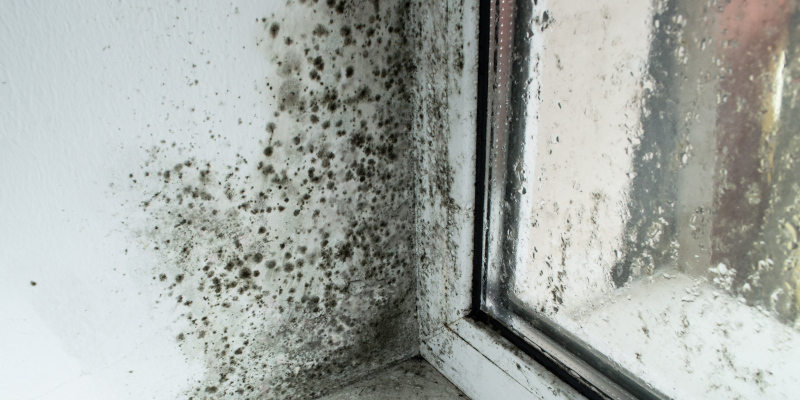
While you likely know that mold damage is something you need to look out for in your home, you may not know exactly what it does. Unfortunately, mold can start as a subtle problem but quickly grow and impact your home in several different ways.
Mold damage can have serious consequences for you and your home and should always be taken seriously. If you suspect mold damage, our team at Remtech Environmental is here for you. For help with mold in your Raleigh, North Carolina area home, contact us today to learn more about our services.
- Strange Odors. One unpleasant, early consequence of mold damage is a strange, musty smell. As mold grows, it can release gases that smell distinct and unpleasant. These smells may be strongest in areas where more mold is present, but they can easily permeate the entirety of your home.
- Wall Damage and Stains. Mold damage can be particularly hard on your home’s walls and ceilings. Oftentimes, you may be able to see mold, whether through surface stains or discoloration. Other imperfections in your wall, including warps, cracks, or peels, can also indicate you have mold damage.
- Health Issues. Mold damage, unlike many other types of home issues, has the unfortunate risk of causing physical harm to residents. Mold damage may cause those living in your home to experience congestion, sneezing, coughing, or throat irritation. Though these do not directly impact your home physically, they certainly harm your space and the experience of those living within it.
Mold is far more than a cosmetic problem. Left unchecked in a North Carolina home, it can erode the structural integrity of framing lumber, contaminate the indoor air your family breathes around the clock, slash the resale value of the property, trigger chronic respiratory illness, and complicate or even void homeowners insurance coverage. The Triangle's humid subtropical climate, with average summer relative humidity routinely above 75 percent and frequent tropical storm rainfall, creates ideal conditions for hidden mold colonies to thrive inside wall cavities, crawl spaces, attics, and behind kitchen and bathroom finishes. Most homeowners only see the visible patch on a bathroom ceiling and assume that bleach and a sponge will solve the problem. In reality, that visible growth is usually a fraction of the colony, and the deeper damage compounds quietly over months or years. This article unpacks how mold actually impacts your home, drawing on the EPA's Mold Remediation in Schools and Commercial Buildings guidance, the IICRC S520 Standard for Professional Mold Remediation, and our two-plus decades of fieldwork across Raleigh, Cary, Durham, and the Triangle.
Key Takeaways
- Mold causes structural damage by digesting cellulose in framing, sheathing, subfloor, and drywall, which can cost thousands per affected room to remediate.
- Active colonies release spores and microbial volatile organic compounds (mVOCs) that HVAC systems distribute throughout the home, creating a chronic indoor air quality issue.
- North Carolina disclosure laws require sellers to report known mold history, and homes with documented mold typically discount three to fifteen percent at sale.
- Health risks documented by the IOM, WHO, and CDC include respiratory irritation, asthma exacerbation, and elevated risk in immunocompromised, elderly, and pediatric populations.
- Standard HO-3 insurance covers mold only from a sudden covered peril, with caps usually between $5,000 and $10,000 unless a mold endorsement has been added.
- Professional remediation following IICRC S520, with documented PRV clearance, is essential for both health outcomes and insurance claim approval.
Need Help with Environmental Services?
If you have concerns about mold, asbestos, or water damage in your property, contact Remtech Environmental today for a free consultation.
Get a Free Quote