
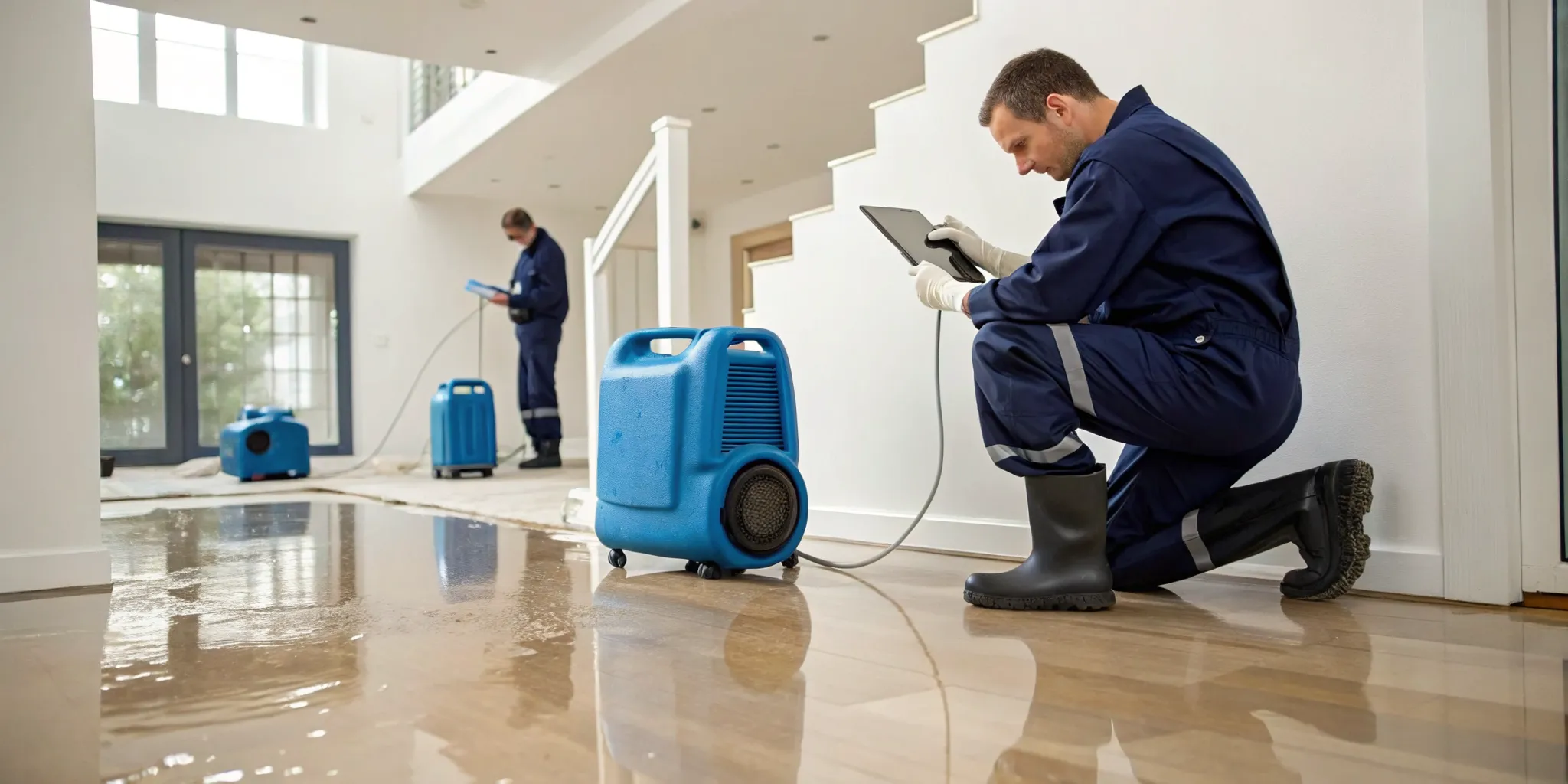
The most significant threat from water damage isn't the puddle you can see; it's the hidden moisture you can't. Water seeps into drywall, insulation, and subflooring, creating a perfect breeding ground for mold and bacteria in as little as 24 hours. This can compromise your home’s air quality and pose health risks for your family. Simply drying the surface isn't enough. You need experts who can find and eliminate every last bit of moisture. This is the critical difference that 'certified water damage cleanup specialists' bring to the job. They use specialized tools and proven techniques to protect not just your property, but the health of everyone living inside it.
Key Takeaways
- Verify IICRC certification before hiring: This is the most reliable way to know your technician is trained in the proper methods for water removal and structural drying, which is essential for preventing future mold and structural problems.
- Act within the first 24 hours: Water damage creates a perfect environment for mold in as little as one day. Calling a professional right away is your best defense against more extensive damage and costly secondary repairs.
- Invest in professional help to save money: The DIY approach often misses hidden moisture, leading to expensive mold and rot issues later. A certified pro uses specialized equipment to do the job right the first time, protecting your property's value and preventing costlier future repairs.
What Does "Certified" Mean for Water Damage Cleanup?
When you’re dealing with water damage, you’ll see the word “certified” a lot. It’s more than just a marketing term; it’s a crucial indicator of a technician's training and expertise. A certified professional has passed rigorous training and exams, proving they have the skills to handle water damage correctly and safely. This certification ensures they understand the science behind drying, how to prevent mold growth, and how to restore your property without causing further issues. Hiring a certified team is your best bet for getting the job done right the first time.
The IICRC: The Gold Standard in Restoration
The most respected certification in our industry comes from the Institute of Inspection, Cleaning and Restoration Certification, or IICRC. Think of the IICRC as the gold standard for restoration and cleaning services. When a technician is IICRC-certified, it means they have been trained to meet the highest professional standards. The foundational certification for water issues is the Water Damage Restoration Technician (WRT). A WRT-certified pro has demonstrated their knowledge of how water affects a home, the proper procedures for drying structures, and the best techniques to manage a water damage situation from start to finish. It’s a sign that they won’t be guessing when they show up at your door.
Key Certifications to Look For
When you’re looking to hire a specialist, the WRT certification is the first thing you should check for. It’s the essential credential for anyone working in water damage cleanup. For more complex situations, you might see technicians with advanced credentials. The IICRC offers a Master Water Restorer program, which is one of the highest achievements in the field. To earn this, a technician must hold several advanced certifications and have years of proven experience. Seeing these credentials means you’re hiring a team with a deep understanding of water damage restoration and a commitment to their craft, ensuring your property is in the most capable hands.
Other Credentials to Know
Beyond specific certifications, it’s helpful to know that IICRC credentials are a big deal to insurance companies. When your restoration company is IICRC-certified, it can make the claims process smoother because insurers recognize and trust these standards. Reputable companies are proud of their team’s qualifications and will often list them on their website. When you’re vetting a company, take a look at their About Us page or team bios to see their certifications. This transparency shows a dedication to professionalism and gives you peace of mind that you’re hiring true experts who are invested in maintaining high-quality service and staying current with industry best practices.
Why You Need a Certified Pro
After discovering water damage, you're probably feeling stressed and want it fixed fast. It’s tempting to call the first company you find, but taking a moment to find a certified professional can save you from major headaches later. A certified team doesn't just remove the water; they protect your home and health with proven expertise. Let's break down what that certification really means for you and why it's a non-negotiable when it comes to water restoration.
The Risks of an Uncertified Contractor
Hiring an uncertified contractor for water damage is a gamble you don’t want to take. While they might offer a lower price, their lack of formal training can lead to a much bigger, more expensive problem. An incomplete cleanup often leaves behind hidden pockets of moisture in walls, under floors, and in insulation. This lingering dampness is the perfect breeding ground for mold, which can compromise your home’s structural integrity and your family’s health. An uncertified crew may also use improper techniques that cause further damage, turning a manageable issue into a full-blown restoration crisis. In the end, cutting corners with an unqualified company almost always costs more.
How Certification Protects Your Property and Health
When you hire a certified professional, you’re getting more than just a service; you’re getting peace of mind. Technicians with credentials from respected organizations like the IICRC have passed rigorous exams and demonstrated their knowledge of industry best practices. They understand the science behind drying, know how to handle contaminated water safely, and follow strict protocols to prevent secondary damage. This expertise ensures the job is done correctly the first time. A certified team knows how to protect your property and, more importantly, create a safe and healthy environment for you to live in. It’s a sign that the company invests in its people and is committed to providing the highest standard of care.
The Importance of Professional Tools and Techniques
A certified professional arrives with more than just a few fans and a wet vac. Proper water damage restoration requires specialized equipment that you simply won't find at a hardware store. Technicians use tools like moisture meters and thermal imaging cameras to detect water that’s invisible to the naked eye, ensuring no damp spot is missed. They then deploy powerful air movers and commercial-grade dehumidifiers to pull moisture out of the structure and the air. This combination of advanced technology and proven techniques is critical for drying your home quickly and thoroughly. It’s this professional approach that stops mold before it can start and gets your home back to normal safely.
What Services Do Certified Water Damage Pros Offer?
When you hire a certified water damage professional, you're not just getting someone to mop up a puddle. You're bringing in a team equipped to handle the entire crisis from start to finish. Their services are comprehensive, designed to address not only the visible water but also the hidden moisture and potential long-term consequences. From the initial emergency call to the final coat of paint, a certified specialist manages every step to return your home or business to its safe, pre-damage state. This full-service approach is what separates a true professional from a general contractor with a shop vac. Let's walk through exactly what you can expect.
Emergency Water Extraction
The moment you spot a problem, the clock starts ticking. Certified water damage pros understand this, which is why their first and most critical service is rapid emergency response. Whether it's a burst pipe in the middle of the night or a flood from a severe storm, they are ready to act quickly. Using powerful, truck-mounted pumps and vacuums, they extract standing water from your property efficiently. This immediate action is crucial; it stops the water from spreading further, minimizes absorption into walls and flooring, and significantly reduces the overall damage to your home’s structure and your belongings.
Structural Drying and Dehumidifying
Once the standing water is gone, the real drying begins. Water is sneaky and can hide in porous materials like drywall, wood framing, and subflooring. A certified team uses specialized equipment like industrial-grade air movers and dehumidifiers to target this hidden moisture. They strategically place these tools to create optimal airflow and pull humidity out of the air and surrounding structures. This process is monitored with moisture meters to ensure every area is completely dry. Thoroughly drying the structure is a non-negotiable step to prevent warping, swelling, and the breakdown of building materials over time.
Mold Prevention and Cleanup
Where there’s water, there’s a risk of mold. In fact, mold can begin to grow in as little as 24 to 48 hours after water exposure. Certified specialists are trained to handle this threat head-on. They apply antimicrobial treatments to affected surfaces to stop mold growth before it starts. If mold is already present, they have the expertise and containment procedures to safely remediate mold issues without spreading spores to other areas of your property. This service is essential for protecting not just your home’s structure, but also the health of everyone inside it.
Sanitizing and Restoring Contents
Water damage isn't just about water; it's about what the water brings with it. Floodwater, in particular, can contain bacteria, sewage, and other harmful contaminants. A key part of the restoration process is thoroughly cleaning and sanitizing all affected areas of your home. Beyond the structure itself, professionals can often salvage and restore personal belongings that have been damaged. Using specialized techniques, they can clean furniture, rugs, and other items. This careful restoration of contents can save cherished possessions and reduce the financial burden of replacing everything that got wet.
Final Repairs and Inspection
The final step is putting everything back together. After the property is clean, dry, and sanitized, the team addresses any structural damage. This can range from minor tasks like patching and painting drywall to more significant repairs like replacing flooring, cabinetry, or insulation. The goal is to restore your property to its original condition, making it look as if the damage never happened. Once all repairs are complete, a final inspection is conducted to ensure every detail has been addressed and that your home is once again safe, stable, and ready for you to move back in.
The Water Damage Cleanup Process, Step by Step
When you discover water damage, the path to getting your home back to normal can feel overwhelming. Knowing what to expect from a professional cleanup can make the situation much more manageable. While every scenario is different, certified restoration specialists follow a proven, multi-step process to ensure your property is handled correctly from start to finish. This methodical approach is designed to be thorough, safe, and effective, addressing not just the visible water but also the hidden moisture that can lead to bigger problems down the road.
From the initial emergency call to the final walkthrough, each step is critical. It begins with a detailed assessment to understand the scope of the problem. Then, the team moves quickly to remove the water, followed by a meticulous drying process. After everything is dry, cleaning and sanitizing are essential to protect your family’s health. Finally, the restoration phase brings your home back to its pre-damage condition. Let’s walk through what a professional water damage cleanup looks like, step by step.
Step 1: Assess the Damage
The first thing a certified technician will do is a thorough inspection. This isn't just a quick look around; it's a detailed assessment to identify the source of the water, stop it if necessary, and determine the extent of the damage. They will classify the type of water, whether it's clean water from a supply line, gray water from an appliance, or black water from sewage, as this affects the cleanup plan. Understanding the scope of the damage is crucial, as it directly influences the techniques and time required for restoration. After this initial evaluation, the team can create a precise action plan and provide you with a clear overview of the work ahead. You can contact a professional to get this process started.
Step 2: Extract the Water
Once the assessment is complete, the immediate priority is to remove all standing water. This is a critical step because the longer water sits, the more damage it causes to your floors, walls, and furniture. Professionals use powerful, truck-mounted vacuums and submersible pumps to perform this water extraction, which is one of the first and most important steps in the restoration process. This equipment can remove hundreds or even thousands of gallons of water quickly and efficiently. Getting the bulk of the water out as soon as possible helps prevent secondary damage and reduces the overall drying time, setting the stage for the next phase of the cleanup.
Step 3: Dry and Dehumidify
After the standing water is gone, the real drying begins. Many materials, like drywall, wood, and carpet, are porous and will soak up a lot of moisture. Simply removing the visible water isn't enough. Restoration experts use specialized equipment, including industrial-grade air movers and dehumidifiers, for professional drying. The air movers create airflow across surfaces to speed up evaporation, while dehumidifiers pull the excess moisture out of the air. This step is vital for preventing the structural issues and mold growth that can occur if materials remain damp. Technicians will monitor moisture levels throughout the process to ensure everything is completely dry.
Step 4: Clean and Sanitize
With the water and moisture gone, the focus shifts to cleaning and sanitizing your home and belongings. Water damage, especially from gray or black water, can leave behind dirt, bacteria, and other contaminants. Professionals use specialized techniques and antimicrobial treatments to clean all affected surfaces. This may include everything from scrubbing walls and floors to using special methods for salvaging personal items. Odor removal is also a key part of this step, using equipment like thermal foggers to ensure your home doesn't have a lingering musty smell. This thorough cleaning is essential for creating a safe and healthy living environment.
Step 5: Restore and Inspect
The final step is bringing your home back to its original condition. Restoration can range from minor repairs, like replacing a section of drywall or painting, to major reconstruction, such as rebuilding entire rooms. A professional restoration company will handle all aspects of this process, ensuring the work is done correctly and matches your home's existing finishes. Timely and professional intervention is the key to a successful restoration. Once the repairs are complete, a final inspection is performed to ensure everything meets quality standards and that you are satisfied with the results, which you can see in our customer testimonials.
How Much Does Certified Water Damage Cleanup Cost?
When you’re standing in a puddle in your living room, one of the first questions that flashes through your mind is, "How much is this going to cost?" It’s a completely valid concern. Dealing with water damage is stressful enough without the added anxiety of a huge, unexpected bill. While there’s no single price tag for water damage restoration, understanding the factors that go into the cost can help you feel more in control. The national average for water damage restoration is around $3,860, but this can change based on your specific situation. Let's break down what influences the final price and how hiring a certified professional can actually save you money in the long run.
Factors That Influence the Price
The final cost of water damage cleanup isn't pulled out of a hat; it’s based on a few key variables. The biggest factor is the extent of the damage. A small leak contained in one room will naturally cost less to fix than a major event affecting multiple floors. The type of water is also critical. Was it a clean water leak from a supply line, or was it "gray" or "black" water from a toilet or sewer backup? Contaminated water requires more intensive cleaning and safety protocols, which increases the cost. Finally, the price depends on the specific services you need, from simple water extraction to full-scale repairs and reconstruction.
Does Homeowner's Insurance Cover Restoration?
This is the million-dollar question for many homeowners. The short answer is: it depends. Most standard homeowner's insurance policies cover damage from sudden and accidental events, like a burst washing machine hose or a pipe that freezes and breaks. However, they typically don't cover damage from gradual leaks you failed to repair or flooding caused by natural disasters (which requires separate flood insurance). Your best move is to contact your insurance agent as soon as possible to understand your coverage. A professional restoration company like Remtech Environmental can also provide detailed documentation of the damage to help support your claim.
Why a Certified Pro Can Save You Money
It might sound backward, but hiring a certified professional is one of the smartest financial decisions you can make after water damage. Acting fast is key; a comprehensive assessment within the first 24 hours can reduce total restoration costs by an average of 30%. Certified technicians use powerful, industrial-grade equipment to dry your home much faster and more thoroughly than any DIY method. This speed is crucial for preventing the growth of mold, which is a separate, costly problem to fix. By addressing the water damage correctly the first time, you avoid the hidden expenses of secondary damage and protect your property's value. It's an investment in getting your home, and your life, back to normal safely and efficiently.
Should You DIY Your Water Damage Cleanup?
When you find water in your home, your first instinct is probably to grab every towel you own and start soaking it up. For a small spill, that’s a great response. But when you’re facing a more significant water event, like a burst pipe or a flooded basement, the decision to handle it yourself becomes much more complicated. While the DIY approach might seem like a way to save money, it often comes with hidden risks that can lead to bigger, more expensive problems down the road. Understanding what you can safely manage versus when to call a professional is key to protecting your property and your family’s health.
What You Can Handle vs. What You Can't
You can likely manage a small, recent spill from a clean source, like an overfilled bathtub on a tile floor. If you can clean and dry the area completely within 24-48 hours, you’ve probably prevented any long-term issues.
However, you should call a professional for large-scale damage or any situation involving contaminated water, known as "black water" or "gray water." This includes sewage backups, toilet overflows, or natural floodwaters, which contain harmful bacteria. Time is also a critical factor. If water has been sitting for more than a day or has soaked into porous materials like drywall, carpet, or insulation, you need professional help to prevent structural damage and mold growth.
The Hidden Risks of an Incomplete Cleanup
The biggest danger of DIY water cleanup is the moisture you can't see. Water quickly seeps behind baseboards, under flooring, and into wall cavities. Even if a surface feels dry, hidden pockets of moisture can linger, creating a perfect environment for mold and mildew. These issues can compromise your home's structural integrity and air quality.
An incomplete cleanup often leads to warped floors, bubbling paint, and a persistent musty odor. More importantly, it can cause serious health problems for your family. The longer you wait to address the problem correctly, the more extensive the damage becomes, leading to much higher repair costs later. If you're unsure about the extent of the damage, it's always best to contact a certified specialist for a thorough assessment.
How Quickly Should You Act After Water Damage?
When you discover a leak, flood, or any other form of water intrusion in your home, it’s easy to feel overwhelmed. But the single most important thing to remember is that you need to act fast. The timeline for water damage is surprisingly short, and every hour that passes can lead to more significant problems and higher repair costs. Understanding what happens in the minutes and hours after water damage occurs, and knowing what you can do while waiting for professionals, can make a huge difference in the outcome.
Why Every Minute Matters
The clock starts ticking the moment water enters your home. Within just 24 to 48 hours, the damp, humid environment becomes a perfect breeding ground for mold. Once mold takes hold, it can spread quickly through your property, compromising air quality and requiring a more complex mold removal process. Beyond mold, water soaks into porous materials like drywall, wood flooring, and insulation, causing them to swell, warp, and lose their structural integrity. The longer you wait to call for professional help, the more extensive this secondary damage becomes, turning a manageable situation into a major restoration project. Acting immediately is your best defense against rising costs and long-term issues.
First Steps to Take Before Help Arrives
While you wait for our team to arrive, there are a few critical steps you can take to mitigate the damage, as long as you can do so safely. First, if you know the source, turn off the main water valve to your home to stop the flow. Next, turn off the electricity to the affected areas at the breaker box to prevent electrical hazards. Once the area is safe to enter, begin removing as much water as possible by mopping and blotting with towels. You should also move any furniture, rugs, and other valuables to a dry spot. These initial actions can help protect your belongings and make the professional water damage restoration process smoother and more effective.
How to Find a Certified Water Damage Specialist
When your home is flooded, the last thing you want to do is spend hours vetting contractors. But choosing the right specialist is one of the most important decisions you’ll make. Not all water damage restoration companies have the same level of expertise or equipment. Finding a certified, reputable professional ensures the job is done right the first time, protecting your property from long-term issues like structural damage and mold. So, how do you find a qualified expert you can trust? It starts with knowing where to look and what to ask.
Use the IICRC's Locator Tool
The Institute of Inspection, Cleaning and Restoration Certification, or IICRC, is the non-profit organization that sets the standards for the restoration industry. Think of them as the gold standard for cleanup and repair. When a technician is IICRC-certified, it means they’ve completed rigorous training and passed exams on the best practices for water damage restoration. The IICRC even offers a locator tool on its website to help you find certified firms in your area. Look for technicians with credentials like Water Damage Restoration (WRT), which shows they have the foundational knowledge to handle your situation correctly and safely.
What to Look for in a Restoration Company
Beyond certification, you want a company with a solid reputation and deep roots in your community. Start by checking if the contractor is licensed and insured in North Carolina. This protects you from any liability. Next, look for experience. A company that has handled situations similar to yours will be better prepared for any challenges. Check online reviews and see what past clients have to say; a company proud of its work will often share testimonials right on its website. Finally, a local company can respond faster in an emergency. Make sure they serve your town, whether you're in Raleigh, Durham, or another part of our service area.
Questions to Ask Before You Hire
Before you agree to any work, it’s smart to ask a few key questions to confirm you’re hiring a true professional. Don’t be shy; a reputable company will be happy to provide answers.
Start with these:
- Are your technicians IICRC-certified?
- Can you provide proof of license and insurance?
- What kind of equipment do you use to find and remove all the moisture? (Look for answers that include moisture meters, industrial-grade dehumidifiers, and air movers).
- Do you have experience working with homeowner’s insurance claims?
- Can you provide a detailed, written estimate before work begins?
The answers will give you a clear picture of their professionalism and capabilities. When you're ready to talk to an expert, we're here to help. You can contact us anytime to get your questions answered.
Get Expert Water Damage Help in North Carolina
When you discover water damage in your North Carolina home or business, your first thought is likely, "How do I fix this, and fast?" You need a local team that responds quickly and has the certified expertise to handle the job correctly from start to finish. Choosing a certified professional isn't just about getting things dry; it's about protecting your property's value and your family's health from long-term issues like structural rot and mold. At Remtech Environmental, we are proud to be that trusted partner for communities across the state.
Our team serves Raleigh, Durham, Chapel Hill, and the surrounding service areas with a deep understanding of North Carolina’s specific environmental conditions. We know that local humidity can complicate the drying process, which is why our technicians hold certifications from respected organizations like the IICRC. This training ensures we use industry-leading techniques for water extraction, structural drying, and dehumidification. Because water damage often creates the perfect environment for mold, our expertise also includes professional mold removal to ensure your property is truly clean and safe.
Hiring an uncertified contractor can lead to incomplete drying, hidden moisture, and recurring problems that cost you more in the long run. Our team at Remtech Environmental is committed to thorough, transparent service. We document the entire process and work diligently to restore your property to its pre-damage condition. You get the peace of mind that comes from knowing the job was done right by experienced professionals who care about your safety. If you’re facing water damage, don’t wait for the problem to get worse. Contact us today for a professional assessment and a rapid response from a team you can trust.
Related Articles
- Is Asbestos a Concern When Dealing with Water Damage? | Remtech Environmental
- Flood Damage Repair, Raleigh, NC | Remtech Environmental
- Flood Damage Repair, Cary, NC | Remtech Environmental
- Water Damage Restoration, Raleigh, NC | Emergency Water Damage Repair
- Water Damage, Cary, NC | Remtech Environmental
Frequently Asked Questions
Is IICRC certification really that important, or is it just a fancy title? Think of it this way: you wouldn't hire an unlicensed electrician to rewire your house. IICRC certification is the same kind of assurance for water damage. It proves a technician has been formally trained and tested on the proper, safe methods for drying a structure. This knowledge helps them prevent secondary issues like mold and structural rot, which an untrained person might accidentally cause. It’s your best guarantee that the job will be done completely and correctly.
How long does the water damage cleanup process usually take? The timeline really depends on the extent of the damage and the materials involved. A minor cleanup in one room might take just a few days. A more significant event, like a flooded basement, could take a week or longer. The drying phase is what often takes the most time, as professionals need to ensure moisture levels in walls and floors return to normal. A certified specialist can give you a more accurate timeline after they assess your specific situation.
My water damage looks minor. Why can't I just handle it myself? It's tempting to try, but the biggest risk is the water you can't see. Moisture easily seeps behind baseboards, under flooring, and into drywall. While the surface might feel dry to you, lingering dampness inside the structure is a perfect recipe for mold and rot. Professionals use special tools like moisture meters and thermal cameras to find and eliminate all the hidden water, which is something you just can't do with towels and a fan.
How do I know if my property is completely dry after the cleanup? A true professional won't just guess that the job is done. Certified technicians use moisture meters to take readings from your home's structural materials, like drywall and wood framing. They compare these readings to unaffected areas of your home to establish a "dry standard." They will continue the drying process until all affected materials meet this standard, giving you scientific proof that your home is dry and safe.
Will my homeowner's insurance cover the cost of a certified professional? In most cases of sudden and accidental water damage, yes. Insurance companies prefer you to use a certified professional because they know the job will be done to industry standards, which reduces the risk of future claims from mold or rot. A certified company can also provide the detailed documentation and clear communication that helps make the claims process go much more smoothly for you.