
Is Asbestos a Concern When Dealing with Water Damage?
Published by Remtech Environmental Team · Last updated July 2026
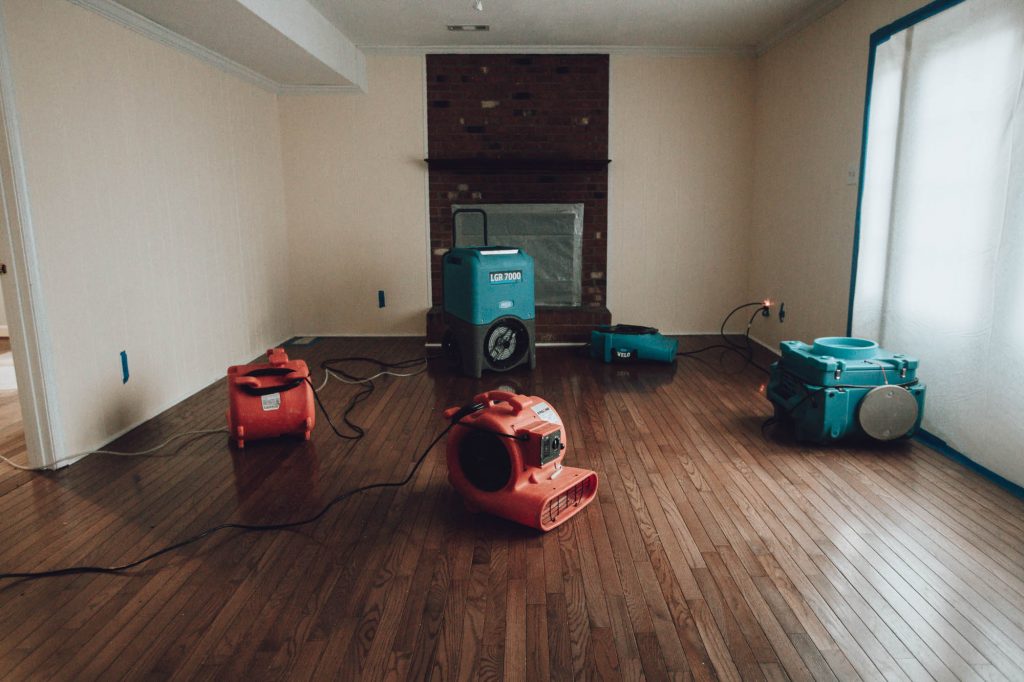
Yes, asbestos is a real concern when water damage strikes a North Carolina home built before 1985. The materials that water disturbs — floor tiles, popcorn ceilings, pipe insulation, joint compound, and roofing — may contain asbestos fibers that were standard in residential construction for decades. As long as those materials remain intact and dry, the asbestos is bound within the matrix and poses minimal risk. But water damage changes everything: saturated drywall, swollen flooring, and crumbling pipe insulation become friable, meaning even minor disturbance can release fibers into the air.
Performing water remediation without first testing for asbestos creates a more dangerous condition than the water itself. North Carolina DHHS and federal NESHAP regulations under the Clean Air Act require specific protocols when asbestos-containing materials are disturbed during renovation or demolition. For homeowners across the Triangle — including Raleigh, Durham, Cary, and Chapel Hill — the right sequence is bulk sample testing first, then asbestos abatement if needed, followed by water remediation. This is why environmental professionals like Remtech Environmental perform a thorough assessment before any cleanup begins.
When water damage strikes a North Carolina home built before 1985, the problem is rarely just the water. The materials that water disturbs, including floor tiles, popcorn ceiling texture, pipe insulation, joint compound, and roofing felts, may contain asbestos fibers that were standard in residential construction for decades. As long as those materials remain intact and undisturbed, the asbestos is bound within the matrix and poses minimal health risk. But water damage changes everything. Saturated drywall, swollen flooring, deteriorating ceiling textures, and crumbling pipe wraps become friable, meaning the fibers can release into the air with even minor disturbance. Performing water remediation on these materials without first testing and managing the asbestos creates a far more dangerous condition than the water itself. The North Carolina Department of Health and Human Services maintains specific protocols for asbestos in residential renovation and demolition for exactly this reason, and homeowners across the Triangle who have older homes need to understand the proper sequence before any cleanup begins.
Frequently Asked Questions About Asbestos and Water Damage
Is asbestos a concern with water damage?
Yes. Water damage can disturb asbestos-containing materials like floor tiles, ceiling textures, pipe insulation, and joint compound in homes built before 1985. When these materials become wet and friable, asbestos fibers can become airborne during cleanup and pose a serious health risk.
What should I do if water damage occurs in an older home?
Do not begin cleanup until asbestos testing is done. The correct sequence is: bulk sample testing → asbestos abatement (if needed) → water remediation. Call an environmental firm that can coordinate both testing and remediation.
Can water remove asbestos from materials?
Water alone does not remove or neutralize asbestos. While wetting materials can help suppress dust during abatement, it does not make asbestos safe to handle without professional containment and disposal procedures.
Where Asbestos Hides in Water-Damaged NC Homes
Asbestos appears in dozens of common building materials. Recognizing the products and the era they were used helps homeowners assess their risk before remediation begins.
Vinyl Floor Tiles and Sheet Flooring
9-inch by 9-inch vinyl floor tiles, common in NC kitchens, bathrooms, and basements built between 1950 and the early 1980s, frequently contain asbestos at concentrations between 5% and 30%. The black mastic adhesive beneath them is also a common asbestos-containing material. When water saturates the substrate and tiles begin to lift or curl, the friable mastic and tile edges release fibers. Sheet vinyl flooring with backing, often installed in mid-century kitchens, can contain asbestos in the felt backing layer that becomes airborne when the flooring is cut, peeled, or dried. Never sand or scrape suspected asbestos floor materials. Bulk sample testing through an accredited laboratory provides definitive identification before any disturbance.
Popcorn and Acoustic Ceiling Textures
Spray-applied acoustic ceiling textures, commonly called popcorn ceilings, were widely used in NC homes through 1979 and remained in some products into the 1980s. These textures can contain 1% to 10% asbestos. When water damage causes the texture to loosen, sag, or fall, fibers release into the air. Popcorn ceilings are particularly concerning because the typical homeowner instinct is to scrape off the damaged areas, which is precisely the activity that releases the highest fiber counts. Federal regulations require trained asbestos abatement before any demolition or renovation of suspect popcorn ceilings, and many NC counties enforce this through building permit review. Always test before disturbing.
Pipe and Duct Insulation
White or gray fibrous insulation wrapped around hot water pipes, steam pipes, and HVAC ducts in older homes is one of the most concerning asbestos materials because it is highly friable even when undisturbed. Water damage in basements, crawl spaces, and utility rooms often saturates this insulation, causing it to crumble. Touching, removing, or even being near deteriorating pipe wrap insulation can release substantial fiber loads. The brown or black tar-paper backing on some duct insulation is also a common asbestos product. North Carolina homes with original boilers or steam heating systems are particularly likely to have asbestos pipe insulation, and any water event in those areas should trigger immediate testing before remediation.
Joint Compound, Plaster, and Drywall Texture
Pre-1980 joint compound used to finish drywall seams frequently contained asbestos. When drywall becomes saturated and is removed for water remediation, sanding or breaking the joints releases fibers from the compound. Plaster walls in older NC homes, particularly those built before 1950, can contain asbestos in the base coat. Decorative wall and ceiling textures applied over drywall are another suspect material. Homeowners often think of asbestos only as a problem in obvious products like pipe wrap, but the joint compound on every drywall seam in a 1970s house represents a much larger surface area of suspect material that becomes problematic during demolition.
Roofing, Siding, and Exterior Materials
Asbestos cement roofing tiles, siding shingles, and corrugated panels appear on NC homes from the 1920s through the 1970s. These materials are typically non-friable when intact, but storm damage, hail impacts, and water intrusion can fracture them and release fibers. Roofing felts and sealants used under shingles also commonly contained asbestos. After hurricane and tropical storm events that affect the Triangle and eastern NC, water damage frequently extends into attic spaces where damaged roofing materials may have shed fibers. The standard restoration sequence of removing wet insulation and damaged sheathing without testing creates significant exposure risk.
Why the Restoration Sequence Matters: Asbestos Before Water Remediation
The single most important principle in handling water damage in a pre-1985 home is sequencing. The intuitive approach is to address the water immediately because mold can establish within 24 to 48 hours, but if the water-damaged materials may contain asbestos, the proper sequence is bulk sample testing first, asbestos abatement second, water remediation third, and finally mold remediation if any has begun. Skipping the asbestos assessment creates an OSHA violation under 29 CFR 1926.1101 for any contractor performing the work and a permanent contamination event for the homeowner. North Carolina's Health Hazards Control Unit within DHHS administers the state's asbestos program and licenses the abatement contractors authorized to remove regulated asbestos-containing materials. Federal NESHAP regulations under the Clean Air Act apply to renovation and demolition activities involving asbestos and require notification, work practice controls, and proper disposal at approved facilities. The practical implication for homeowners is that calling a water restoration company first, before testing for asbestos, can result in a contractor declining the job or, worse, performing the work without proper controls and contaminating the entire home with airborne fibers. The right approach is to call an environmental firm that handles both inspection scopes, coordinates the testing through an accredited laboratory, brings in licensed asbestos abatement contractors when needed, and only then proceeds with water remediation under controlled conditions. The timeline adds two to five days for bulk sample turnaround and abatement scheduling, but it eliminates a category of risk that cannot be undone after the fact. Inhaled asbestos fibers cause mesothelioma, lung cancer, and asbestosis with latencies of 20 to 40 years. There is no safe level of exposure, and there is no remediation that reverses lung deposition once it occurs.
What NC Homeowners Should Do When Water Damage Hits an Older Home
If your home was built before 1985 and you experience water damage from a burst pipe, appliance failure, roof leak, or flood event, follow this sequence to protect your family and your property. First, stop the water source if you can do so safely without disturbing potentially friable materials. Shutting off the main water valve does not require entering the wet area in most cases. Second, remove people and pets from the affected zone and close doors to isolate it from the rest of the house. Do not run the HVAC system through the affected space, as this can spread both moisture and any released fibers throughout the home. Third, document everything with photographs and timestamps for insurance purposes. Fourth, contact an environmental services firm that performs both asbestos inspection and water damage remediation, or one that coordinates closely with licensed abatement contractors. Provide them with the year of construction and any information you have about the affected materials. Fifth, do not begin removing wet drywall, flooring, ceiling tiles, or insulation yourself. Even putting a fan on the area can disturb fibers if any of the materials are suspect. Sixth, expect the assessment to include collecting bulk samples of suspect materials, sending them to an accredited laboratory using polarized light microscopy (PLM), and waiting two to five business days for results. During that wait, the affected area should be isolated and any standing water can be carefully extracted using methods that do not disturb suspect materials. Once results clear the materials, normal water remediation proceeds. If asbestos is confirmed, NC-licensed abatement comes first.
Get Help in NC
Remtech Environmental provides integrated water damage restoration and asbestos services for older homes throughout central and eastern North Carolina. Our inspectors coordinate bulk sample testing through accredited PLM laboratories, work with NC-licensed asbestos abatement contractors when removal is required, and perform IICRC-compliant water restoration once the area is cleared. We understand the regulatory framework under NC DHHS Health Hazards Control and federal NESHAP standards and produce documentation suitable for insurance claims and any future real estate disclosures. If your pre-1985 home has experienced water damage and you are unsure whether asbestos is involved, contact us before any other contractor disturbs the affected materials. The proper sequence saves money, time, and lifelong health risk.
Key Takeaways
- Water damage transforms intact asbestos materials into friable, airborne hazards that require licensed abatement.
- NC homes built before 1985 are highest risk, with asbestos common in floor tiles, popcorn ceilings, pipe wrap, and joint compound.
- Always test suspect materials before water remediation; the proper sequence is testing, abatement, water restoration, then mold.
- NC DHHS Health Hazards Control Unit licenses asbestos abatement contractors under NESHAP and OSHA 29 CFR 1926.1101.
- Asbestos exposure causes mesothelioma and lung cancer with 20 to 40 year latency; there is no safe level of exposure.
Need Help with Environmental Services?
If you have concerns about mold, asbestos, or water damage in your property, contact Remtech Environmental today for a free consultation.
Get a Free Quote