
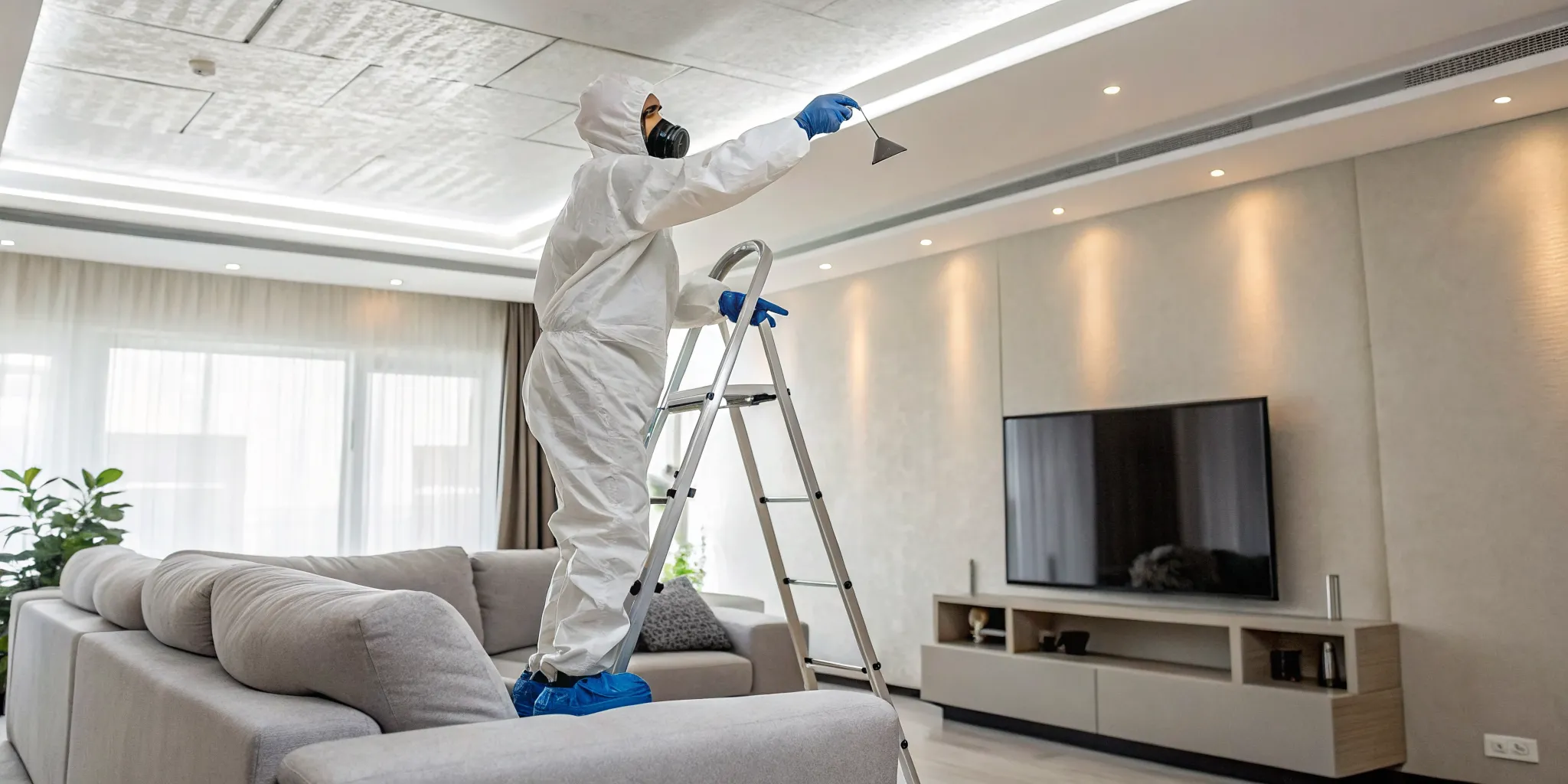
Planning a renovation? If getting rid of that dated popcorn ceiling is on your to-do list, it’s crucial to pause before you pick up a scraper. In homes built before the 1990s, these ceilings often contain asbestos, a hazardous material that becomes dangerous when disturbed. A simple DIY removal can release toxic fibers throughout your home, creating a long-term health risk that is difficult and costly to fix. Before you start any project, you need to know what you're dealing with. This article explains why professional testing is essential and what the safe, regulated process of certified asbestos abatement for popcorn ceilings involves, ensuring your home improvement project doesn't compromise your family's safety.
Key Takeaways
- Confirm Before You Act: You cannot identify asbestos by sight. If your home was built before the 1990s, the only safe way to know if your popcorn ceiling contains asbestos is to have a certified professional test it.
- Prioritize Professional Removal: While leaving an intact ceiling alone is a temporary option, complete removal is the only way to permanently eliminate the health risk. A DIY attempt is dangerous and can contaminate your home, so always hire a licensed abatement company.
- The Abatement Process Is About Safety: Professional abatement is a highly controlled procedure. It involves sealing the work area, using specialized equipment for safe removal, and performing air quality tests to guarantee your home is safe before the job is considered finished.
What's Hiding in Your Popcorn Ceiling?
That bumpy, textured ceiling in your older home might seem like just a dated design choice, but it could be hiding a serious health hazard: asbestos. For decades, this material was a common ingredient in "popcorn" or acoustic ceilings, and its presence can pose significant risks if not handled correctly. Understanding why it was used and the dangers it presents is the first step toward ensuring your home is safe for you and your family.
Why Was Asbestos a Popular Choice for Ceilings?
It's hard to imagine now, but asbestos was once a go-to material in construction, especially for homes built before the 1980s. Builders loved it for a few key reasons. First, it was an excellent fire retardant, adding a layer of safety to homes. It also provided soundproofing and insulation, helping to keep rooms quiet and comfortable. Plus, it was durable and inexpensive, making it an easy choice for creating the popular textured ceiling look of the era. These qualities made asbestos seem like a miracle material, which is why it was mixed into so many building products, including the spray-on texture for popcorn ceilings.
How Asbestos Exposure Affects Your Health
The problem with asbestos isn't its presence, but what happens when it's disturbed. Popcorn ceilings are notoriously fragile. Scraping, drilling, or even water damage can cause the ceiling to crumble, releasing microscopic asbestos fibers into the air. Once airborne, these sharp fibers can be inhaled deep into the lungs, where they can get stuck and cause serious health problems over time. Exposure can lead to devastating diseases like asbestosis (scarring of the lungs), lung cancer, and mesothelioma, a rare and aggressive cancer. What makes it particularly dangerous is that symptoms often don't appear for 10 to 40 years after exposure, which is why professional asbestos abatement is the only safe solution.
Does Your Popcorn Ceiling Contain Asbestos?
If you have popcorn ceilings, you’ve probably wondered if they contain asbestos. It’s a common concern for homeowners, and for good reason. For decades, asbestos was a go-to ingredient in textured ceiling materials because of its strength and resistance to heat. While its use was eventually phased out, countless homes still have these ceilings today.
Figuring out if your ceiling is one of them involves a few key steps. It starts with looking at your home’s age, which can offer the first major clue. From there, it’s crucial to understand that you can't identify asbestos just by looking at it. The only way to know for sure is through professional testing, a simple and safe process that gives you a definitive answer and peace of mind. Let’s walk through what you need to know.
Why Your Home's Age Is a Clue
Think of your home's construction date as the first piece of the puzzle. If your home was built anytime between the 1930s and the 1990s, there's a good chance your popcorn ceiling contains asbestos. During this period, asbestos was a popular additive in building materials, valued for its durability, soundproofing, and fire-resistant properties. This made it an ideal choice for the sprayed-on texture of popcorn ceilings. While regulations eventually stopped its use, contractors may have continued using existing stock, so even some homes built in the early 90s could be at risk. Knowing your home falls into this timeframe is a strong signal that you should investigate further with professional asbestos services.
Why You Can't Trust a Visual Inspection
One of the most important things to understand is that you cannot tell if a popcorn ceiling contains asbestos just by looking at it. An asbestos-containing ceiling looks identical to an asbestos-free one. There are no visual signs, color differences, or textures that give it away. Trying to guess is not only unreliable, it’s unsafe. Scraping, poking, or disturbing the ceiling in any way to "check" it yourself can release dangerous asbestos fibers into the air. This can create a serious health hazard for you and your family. The only way to be 100% certain about what’s in your ceiling is to have a sample professionally tested.
How Professional Asbestos Testing Works
Getting your ceiling tested is a straightforward and safe process when handled by a certified expert. A professional inspector knows exactly how to collect a sample without releasing harmful fibers into your home. They will carefully moisten a small area of the ceiling, remove a tiny piece, and place it in a sealed container. This sample is then sent to an accredited laboratory for a specialized analysis called Polarized Light Microscopy (PLM), which can definitively identify the presence and percentage of asbestos. This process removes all guesswork and gives you the clear, accurate information you need to decide on the next steps. If you're ready to get a definitive answer, you can schedule an inspection with our team.
Should You Leave an Asbestos Popcorn Ceiling Alone?
So, you’ve confirmed there’s asbestos in your popcorn ceiling. The big question now is what to do about it. It’s a common dilemma for homeowners, and the right answer depends entirely on the condition of your ceiling and your plans for the space. You essentially have two paths: leaving it in place or having it professionally removed. While it might seem tempting to just let it be, especially if it looks fine, it’s important to understand the risks involved. An asbestos-containing ceiling that is perfectly intact and left completely undisturbed may not pose an immediate threat. The danger comes from the asbestos fibers. When the material is damaged, scraped, or starts to crumble, it releases these microscopic fibers into the air where they can be inhaled.
This is why any decision you make has to be an informed one. Leaving the ceiling alone is a strategy known as “containment” or “management in place.” It requires you to be vigilant about the ceiling’s condition for as long as you own the home. The alternative is abatement, which is the process of safely and completely removing the asbestos-containing material. For many, this is the preferred route because it permanently eliminates the hazard, providing true peace of mind for your family’s health and safety. It also removes a major red flag for potential buyers if you ever decide to sell your home.
When Containing It Is an Option
The idea of leaving an asbestos ceiling alone can be nerve-wracking, but there are specific situations where it can be a reasonable short-term approach. If your popcorn ceiling is in excellent condition, with no peeling, cracks, or water damage, it generally doesn’t release harmful asbestos fibers. The key word here is undisturbed. This means you can’t drill into it, hang things from it, or even scrub it. As long as the asbestos is sealed within the ceiling material and isn't flaking off, the immediate risk is low. This strategy requires you to monitor the ceiling regularly for any signs of wear and tear, as any damage could turn a stable situation into a hazardous one.
Why Removal Is Often the Safest Bet
While containment is an option, professional removal is the only way to truly eliminate the threat. Asbestos exposure can cause serious health problems, including lung cancer and mesothelioma, and friable popcorn ceilings can easily release dangerous fibers if disturbed. A simple home repair, a leak, or even accidental scraping can send fibers throughout your home. This is why you should never try to remove an asbestos ceiling yourself. A DIY attempt can spread contamination, making the problem much worse and putting your family’s health at risk. By law, a licensed contractor must perform asbestos abatement, ensuring the work is done safely and according to strict regulations for a permanently safer home.
Your Guide to the Asbestos Abatement Process
Once you’ve confirmed that your popcorn ceiling contains asbestos, the next step is professional abatement. It’s natural to feel a little overwhelmed by the thought of it, but understanding the process can make it much less intimidating. Asbestos abatement is a highly regulated procedure that goes far beyond simply scraping texture off a ceiling. It’s a systematic, multi-step process designed with one primary goal: to safely remove the hazardous material without contaminating your home or exposing anyone to dangerous fibers. From the initial inspection and detailed planning to the final air quality test, every phase is handled with precision. A certified team follows strict protocols to contain the work area, safely remove the asbestos, and ensure your home’s air is clean afterward. This isn't just a construction project; it's a health and safety service. The technicians are trained to manage microscopic risks you can't see, using specialized equipment and techniques. Knowing what happens at each stage will help you feel confident and in control as you take this important step toward a safer home environment. Let’s walk through exactly what you can expect when you hire professionals for the job.
Why You Should Only Hire Certified Professionals
When dealing with a hazardous material like asbestos, this is not the time for a DIY project. Attempting to remove an asbestos popcorn ceiling yourself can disturb the delicate fibers, releasing them into the air where they can be inhaled. Once airborne, these fibers can linger for days and travel throughout your home, creating a long-term health hazard. Certified experts are trained to prevent this. They use specialized equipment, containment methods, and personal protective gear to manage the material without cross-contaminating your property. Hiring a certified team like Remtech Environmental ensures the job is done correctly and safely from start to finish. It’s the only way to get true peace of mind that the hazard has been completely and properly eliminated.
Know the Rules: Asbestos Regulations in North Carolina
In North Carolina, asbestos abatement is governed by strict state and federal regulations designed to protect public health. For most projects, the law requires that a specially licensed contractor must perform the removal. These rules dictate everything from how the work area is contained to how the asbestos-containing materials are handled, packaged, and disposed of at a designated facility. Working with a certified company ensures your project remains fully compliant with all legal requirements, protecting you from potential fines and liability. Our teams are fully licensed to perform asbestos abatement throughout our North Carolina service areas, so you can trust the work is done by the book.
Step 1: The Initial Inspection and Plan
The abatement process begins with a thorough inspection of the area by a certified professional. They will assess the condition of the asbestos-containing material, take precise measurements, and develop a detailed work plan tailored to your property. This plan outlines the specific methods for containment, removal, and cleanup, serving as a roadmap for the entire project. It ensures every team member understands the scope of work and the safety protocols required for your specific situation. You will receive a clear explanation of the plan and have an opportunity to ask any questions before work begins, so you feel completely comfortable with the process.
Step 2: Preparing and Containing the Area
Before removal starts, the work area must be completely isolated from the rest of your home. Our team will turn off your HVAC system and seal all vents, doors, and windows with thick plastic sheeting to create critical barriers. We establish a regulated work area, often using negative air pressure machines with HEPA filters to ensure that air flows into the contained space, not out of it. All furniture and belongings are either removed from the area or covered securely with plastic. This meticulous preparation is one of the most important steps in preventing cross-contamination and keeping your household safe from any stray fibers.
Step 3: Safely Removing the Asbestos
With the area fully contained, the removal process can begin. Technicians will enter the space wearing full personal protective equipment (PPE), including respirators and disposable coveralls. They typically wet the popcorn ceiling texture to minimize dust and then carefully scrape it from the substrate. All asbestos-containing waste is immediately sealed in specially labeled, leak-proof bags. This material is then transported to a licensed disposal facility, following all state and federal transportation guidelines. The higher cost of professional removal reflects the intensive training and safety measures required to handle asbestos safely and effectively.
Step 4: Final Cleanup and Air Testing
After all the asbestos material has been removed and bagged, the area undergoes a detailed cleaning process. Surfaces are wet-wiped, and the entire containment zone is vacuumed with high-efficiency particulate air (HEPA) vacuums designed to capture microscopic asbestos fibers. Once the final cleanup is complete, a third-party air monitoring professional will typically conduct air sampling. These samples are sent to a lab to verify that the fiber concentration in the air is below the safe, permissible limit. Only after receiving clear results is the containment taken down, and your home is returned to you, safer than before.
How Much Does Asbestos Abatement Cost?
This is the big question, isn't it? Thinking about the cost of asbestos abatement can feel overwhelming, but understanding what goes into the price is the first step toward a clear plan. While every project is unique, professional removal for a popcorn ceiling typically falls between $1,500 and $3,000. This is just a ballpark figure, as the final cost depends on several key factors. The most important thing is to get a detailed, transparent quote from a certified professional so you know exactly what to expect. Getting rid of asbestos is an investment in your home’s safety and your family’s health, and a trustworthy company will walk you through every line item.
Understanding Abatement Pricing
When you start getting quotes, you’ll likely see pricing structured per square foot. Generally, you can expect to pay between $5 and $20 per square foot for professional asbestos removal. Some companies also break down labor charges, which can range from $75 to $200 per hour. These numbers cover more than just scraping a ceiling; the price includes setting up a containment area, specialized equipment, protective gear for the crew, and proper disposal. Getting a comprehensive quote from a certified asbestos professional is the only way to know the true cost for your home.
What Factors Influence the Final Cost?
No two asbestos abatement jobs are exactly alike, which is why the price can vary. The final number on your quote will be influenced by a few key things. The size of the area is the most obvious factor, as a larger ceiling will naturally cost more. Ceiling height and accessibility also play a role, since high or hard-to-reach ceilings require more time and equipment. The condition of the asbestos material matters, too. If it’s damaged and friable (easily crumbled), the removal process becomes more complex. Finally, local regulations for disposal will affect the total cost.
Exploring Your Payment and Financing Options
Facing an unexpected but necessary expense like asbestos abatement can be stressful. Don't hesitate to talk openly with your abatement company about payment. Many professionals understand this isn't a cost most homeowners have saved for and may offer payment plans. It’s also worth checking your homeowner's insurance policy. While standard removal is not always covered, you might have coverage if the asbestos was disturbed by a covered event, like a storm or a burst pipe. The best first step is to contact a specialist to discuss your project and get a clear, detailed estimate.
How to Choose the Right Asbestos Abatement Company
Finding the right partner for asbestos abatement is the most important decision you'll make in this process. This isn't the time to look for the cheapest or fastest option. You need a team that prioritizes safety, follows regulations to the letter, and communicates clearly. Taking the time to vet your options will give you peace of mind that the job is done correctly and your home is safe for your family.
What Credentials and Certifications Matter
Because asbestos is so hazardous, you should only work with certified experts to handle its removal. Trying to manage it yourself can release toxic fibers into the air, putting everyone in the building at risk. A professional company will hold specific licenses and certifications for asbestos abatement in North Carolina. These credentials prove they have the training, equipment, and knowledge to handle this material safely. Don't be shy about asking for proof of their license, certification, and insurance. A reputable company will be happy to provide it.
Look for Clear Safety Plans and Transparency
A trustworthy abatement company will always lead with a clear, detailed safety plan. They should be able to explain their entire process, from the initial inspection to the final air clearance test. This includes how they will seal off the work area to prevent cross-contamination, what personal protective equipment (PPE) their team will use, and how they will legally dispose of the asbestos-containing materials. A thorough and transparent process is a sign of a true professional who takes your safety and their legal obligations seriously.
Questions to Ask Before You Hire
Before you sign a contract, it’s essential to ask the right questions to feel confident in your choice. A good contractor will also ask you questions, like whether your popcorn ceiling has been tested for asbestos.
Here are a few things to ask any potential abatement company:
- Are you licensed, insured, and certified for asbestos work in North Carolina?
- Can you provide a detailed, written plan for my project?
- How will you contain the work area and ensure fibers don't spread?
- What is your procedure for final cleanup and air quality testing?
- Can you provide an itemized quote and explain all the costs involved?
Preparing for Abatement and Life After
Once you've decided to move forward with asbestos abatement, you probably have a lot of questions about what comes next. Knowing how to prepare your home and what to expect when the work is finished can make the entire process feel much more manageable. It’s all about taking a few key steps beforehand and understanding the safety measures that will leave your home healthier than before. The goal is to give you a clear path from start to finish, so you can feel confident and informed every step of the way.
What to Do Before the Team Arrives
The most important step to take before our team arrives is to confirm the presence of asbestos with professional testing. If you're planning any renovations or repairs that could disturb your popcorn ceiling, you must get it tested first. A certified inspector can safely collect a sample without releasing harmful fibers into the air. Please, do not try to scrape or sample the ceiling yourself. A DIY attempt can spread dangerous fibers throughout your home, putting your family at risk and making the final cleanup more complex. In North Carolina, asbestos abatement must be handled by a licensed professional, so your main job is simply to clear the way for us to work safely.
What to Expect After the Work Is Done
After the abatement is complete, you can walk back into a space that is safe and clean. Our team follows strict protocols to ensure the containment area is thoroughly decontaminated before we leave. This includes using specialized vacuums and wet-wiping surfaces to capture any lingering dust. We also conduct air testing to verify that the air quality meets safety standards, giving you total peace of mind. You’ll be left with a smooth, asbestos-free ceiling ready for a fresh coat of paint or a new texture. We handle the proper disposal of all hazardous materials, so you don’t have to worry about a thing. Our past clients often tell us the biggest feeling is relief, knowing their home is finally safe.
Ready for a Safer Home? Talk to Remtech Environmental
Learning that your popcorn ceiling could contain asbestos is stressful, but you're in the right place to figure out your next steps. If your home was built before the 1990s, there's a chance asbestos is present. The most important thing to remember is that this isn't a DIY project. Trying to scrape or remove the ceiling yourself can release dangerous fibers into the air, putting your family's health at risk. The only way to know for sure what you're dealing with and handle it safely is to bring in certified professionals.
This is where our team at Remtech Environmental comes in. We specialize in asbestos abatement and follow strict safety protocols to protect your home and everyone in it. Our certified technicians will test for asbestos and, if it's found, create a clear plan for removal or containment. Choosing a professional team from the start is not only the safest option but also the most sensible one. It prevents accidental exposure and the costly, complicated cleanup that follows, giving you total peace of mind that the job is done right.
You deserve to feel safe and secure in your own home. If you have any concerns about your popcorn ceilings or other materials in your house, don't wait and wonder. Contact Remtech Environmental today to schedule a consultation. We're here to answer your questions and help you create a healthier living space for you and your loved ones.
Related Articles
- What to Know About Asbestos Popcorn Ceiling Removal
- Asbestos Popcorn Ceiling Removal, Asheville, NC
- Do You Need Asbestos Popcorn Ceiling Removal?
- Asbestos Popcorn Ceiling Removal, Greensboro, NC
- Asbestos Popcorn Ceiling Removal, Durham, NC
Frequently Asked Questions
My popcorn ceiling is in perfect condition. Do I really need to worry about it? If your asbestos ceiling is completely intact with no cracks, peeling, or water damage, the immediate risk is low. The danger comes when the material is disturbed and fibers are released. However, "undisturbed" means no drilling, scraping, or even minor bumps. A future roof leak or a simple repair could change everything. Think of removal as a permanent solution that eliminates the risk for good, giving you true peace of mind for the long term.
Can I just paint over my asbestos popcorn ceiling to seal it in? Painting over an asbestos ceiling, a process called encapsulation, can seem like an easy fix. While it can temporarily seal the surface, it is not a permanent solution. The asbestos is still there, and if the paint or the ceiling material underneath ever chips or peels, fibers can still be released. Painting can also make future professional removal more difficult and expensive. It's best to consult with a professional to understand if this is a safe option for your specific situation.
What should I do if I accidentally scraped or damaged my popcorn ceiling? First, don't panic, and don't try to clean it up yourself with a regular vacuum or broom, as this will only spread the fibers. If possible, close off the area by shutting doors and turning off any fans or HVAC systems that could circulate the air. Avoid the area until you can get professional advice. Call a certified asbestos company right away to assess the situation and recommend the safest way to handle the cleanup.
How long does the asbestos removal process usually take? The timeline depends on the size and complexity of the job. For a few rooms, the entire process from setting up containment to final air testing typically takes several days. A certified professional will give you a detailed work plan with a specific timeline before any work begins. This ensures you know exactly what to expect and for how long you may need to be out of that part of your home.
Will my homeowner's insurance cover the cost of asbestos removal? This is a great question to ask your insurance agent. Generally, standard homeowner's policies do not cover asbestos removal if you are doing it as a proactive choice. However, if the asbestos-containing material was damaged by a covered event, such as a fire or a burst pipe from a storm, your policy might provide coverage for the necessary abatement. It's always best to review your specific policy and discuss the situation with your provider.