
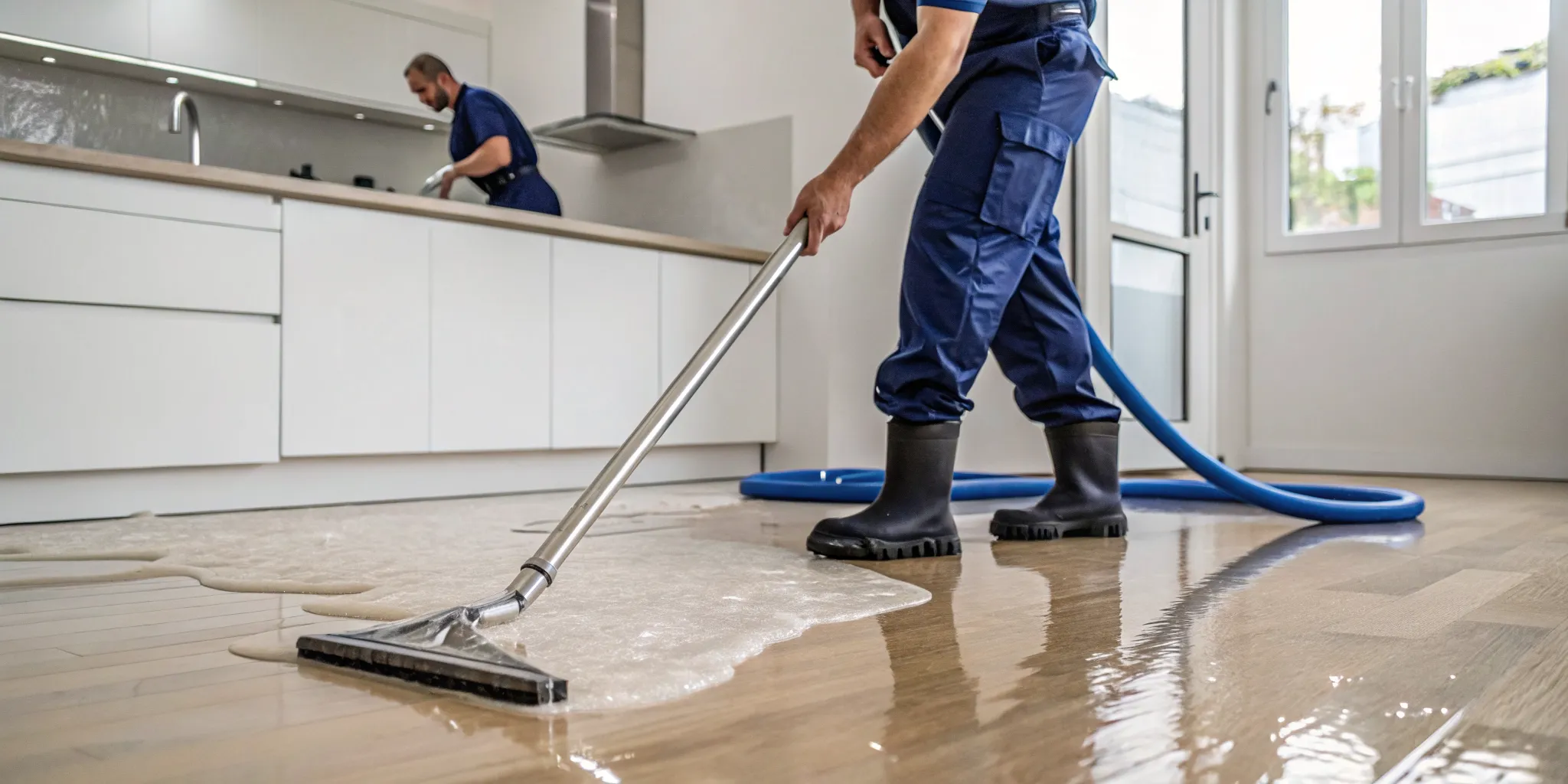
When a crisis hits, you call for immediate help. If there’s a fire, you call the fire department. If there’s a medical issue, you call an ambulance. When your home is flooding, you need a similar first responder. That’s exactly what emergency water removal is: the rapid-response service that stabilizes the situation and prevents further damage. It’s the first and most crucial phase of water damage restoration. A professional team doesn’t just mop up; they arrive with specialized pumps and vacuums to get the water out fast, protecting your home’s structure and preventing the onset of mold. Understanding this process helps you see why a quick call is the best call.
Key Takeaways
- Time is your biggest enemy: Delaying water removal allows moisture to cause structural damage and invites mold growth, which can start in as little as 24 hours. Acting fast is the best way to limit the overall damage and repair costs.
- Focus on safety first, then damage control: Your immediate priority is to turn off the power and water source if you can do so safely. After that, move furniture and valuables out of the wet area and call a professional immediately to begin the real work of extraction and drying.
- Hire a certified and responsive team: Look for a company with IICRC certification and 24/7 emergency services. A true professional will use specialized equipment to thoroughly dry, clean, and sanitize your property, which is essential for preventing future mold and ensuring a safe home.
What is Emergency Water Removal?
Finding unexpected water in your home can be incredibly stressful. Emergency water removal is the immediate process of extracting that water after an incident like a burst pipe, appliance failure, or flood. Think of it as the first-responder phase of water damage restoration. It’s not about simply mopping up what you can see; it’s a professional service designed to quickly get standing water out of your property using powerful pumps and vacuums. This rapid action is the single most important step in preventing a bad situation from becoming a catastrophe.
The goal is to stop the damage in its tracks. Water is invasive and moves quickly, seeping into floors, soaking into drywall, and wicking up walls. A professional team can assess the situation, identify the full extent of the water’s reach, and begin extraction right away. This isn’t just about saving your floors and furniture. It’s about protecting the structural integrity of your home and preventing the secondary issues that follow water damage, like dangerous mold growth. Our team of experts is trained to handle these emergencies, ensuring the removal process is fast, thorough, and safe. Understanding what this process involves and why it’s so urgent will help you make clear-headed decisions when you need to most.
Why Every Second Counts
When it comes to water damage, the clock starts ticking the moment the water appears. Water spreads with surprising speed, saturating every porous material it touches. Within minutes, it can soak deep into carpets, seep under baseboards, and begin to be absorbed by drywall and wood subfloors. These materials act like sponges, pulling moisture into areas you can’t see or easily reach.
This rapid absorption is what causes materials to swell, warp, and lose their structural integrity. The longer the water sits, the more it spreads and the more severe the damage becomes. Acting fast is your best defense. An immediate response can mean the difference between drying out a room and having to completely replace its floors, walls, and insulation. Every minute you save reduces the overall damage and lowers the final repair cost.
Common Causes of Water Damage
Water emergencies can happen to anyone and often come from sources you might not expect. While severe weather and natural floods are major culprits, many of the most frequent causes are found right inside your home. A burst pipe, whether from freezing temperatures or old age, can release a huge volume of water in a short amount of time. Leaky or malfunctioning appliances like washing machines, dishwashers, and water heaters are also common sources of significant water damage.
Other issues include clogged toilets or sewer line backups, which introduce contaminated water that poses serious health risks. Even something as simple as a slow, hidden leak behind a wall can eventually lead to a major problem that requires immediate attention. Recognizing these potential hazards can help you stay vigilant, but when an accident happens, the cause often matters less than the speed of your response.
The Long-Term Risks of Waiting
Delaying water removal, even for just a day or two, can lead to serious and expensive long-term consequences. The initial water damage is often just the beginning. As moisture lingers, it creates the perfect breeding ground for mold and mildew. Within 24 to 48 hours, mold growth can begin, releasing spores into the air that can cause respiratory issues and other health problems.
Beyond health hazards, prolonged exposure to water can compromise your home’s structure. Wood framing can rot, drywall can crumble, and metal components can rust. This can weaken your home’s foundation and lead to costly structural repairs. What starts as a water issue can quickly become a much larger problem that affects your family’s health and your home’s safety. That’s why our clients are relieved when we handle the problem quickly, as you can see in their testimonials.
Your First Steps After Discovering Water Damage
Finding water in your home where it shouldn’t be is incredibly stressful. It’s easy to feel overwhelmed, but what you do in the first few hours is critical. Taking a few immediate, calculated steps can protect your family, prevent further destruction, and make the restoration process much smoother. Focus on three key areas: ensuring safety, minimizing the damage while you wait for professionals, and avoiding common mistakes that can make things worse.
Safety First: What to Do and What to Avoid
Your top priority is keeping everyone safe. If you have standing water, the first thing you should do is turn off the electricity to the affected areas at the breaker box, as long as you can do so without walking through water. Next, if you can identify the source of the leak and safely stop it, do so. This might mean turning off your home’s main water valve. Avoid contact with the water, especially if it’s from a sewage backup or flood, as it can contain harmful contaminants. Untreated water damage can quickly lead to serious health hazards, including mold growth that compromises your home’s air quality and structure.
How to Minimize Damage While You Wait for Help
While you wait for a professional team to arrive, you can take steps to reduce the immediate damage. Start by moving any furniture, rugs, documents, and other personal belongings out of the wet area. If you can’t move a heavy piece of furniture, place aluminum foil or wood blocks under the legs to prevent the finish from bleeding into your carpet. You can also start removing excess water by mopping or blotting with towels. If the humidity outside isn’t high, open up windows and doors to get some air circulating. Every bit of water you remove and every item you save helps make the final restoration easier. Quick action is key to preventing secondary damage, so don't hesitate to call for help as soon as you've handled the immediate safety concerns.
Common Mistakes to Steer Clear Of
In a panic, it’s easy to make a few common missteps. First, don’t assume a small leak isn’t a big deal. Water can seep into walls and subfloors, causing hidden damage that only becomes apparent later. Second, never use a standard household vacuum to remove water; it’s not designed for that purpose and poses a serious risk of electric shock. Finally, don’t think that just getting rid of the visible water solves the problem. Proper drying requires industrial-grade dehumidifiers and air movers to remove trapped moisture. Waiting to call a professional is often the biggest mistake of all, as it gives mold a chance to grow and can lead to more complex and costly repairs. For more information, you can check out our resource library.
The Professional Water Removal Process, Step-by-Step
When a professional team arrives, they follow a proven process to handle the water damage in your home or business safely and effectively. Knowing what to expect can make a stressful situation feel more manageable. Here’s a look at how trained technicians tackle water removal from start to finish.
Step 1: Assessing the Damage
The first thing our certified technicians do is a thorough inspection. This isn't just a quick glance; it's a detailed assessment to understand the full scope of the problem. We use moisture meters and other tools to find where the water has traveled, including behind walls and under floors. We identify the water source and the type of water (clean, gray, or black) to determine the right approach. Once we have a clear picture, we’ll walk you through the damage and explain the exact steps needed to fix it, so you know what’s happening every step of the way.
Step 2: Extracting the Water
With a solid plan in place, the next priority is to remove all standing water as quickly as possible. We use powerful, truck-mounted pumps and vacuums to extract gallons of water from your property. If the water source is still active, like a burst pipe, we’ll address that immediately to prevent more damage. During this phase, our team will also move any unaffected furniture and belongings to a dry, safe location. The goal is to get the bulk of the water out fast to minimize absorption into your floors, walls, and other structural materials.
Step 3: Drying and Dehumidifying
Just because the standing water is gone doesn't mean the job is done. Materials like wood and drywall can hold onto a surprising amount of moisture. To tackle this hidden water, we bring in industrial-grade air movers and dehumidifiers. These powerful machines create airflow across all surfaces, accelerating evaporation and pulling the remaining moisture out of the air. We monitor the drying process closely, adjusting the equipment as needed to ensure your property is dried completely. This critical step helps prevent long-term issues like warping, swelling, and structural weakness.
Step 4: Cleaning, Sanitizing, and Preventing Mold
Water damage often leaves behind dirt, bacteria, and other contaminants. After drying, we thoroughly clean all affected surfaces and belongings. Depending on the level of contamination, this may include using special cleaning agents to sanitize and deodorize your property. Most importantly, this step focuses on preventing mold growth, which can begin within 24-48 hours of a water incident. Applying antimicrobial treatments helps protect your home and your health from potential mold issues down the road, ensuring the environment is not just dry, but also clean and safe.
Step 5: Restoring Your Property
The final step is bringing your property back to its pre-damage condition. Restoration can range from minor repairs, like replacing a few panels of drywall or painting, to more significant reconstruction, such as rebuilding entire sections of a room. Our goal is always to restore rather than replace whenever possible, saving you time and money. We handle everything from flooring and carpentry to painting, making sure the work is done right. When our team leaves, your space will be clean, dry, and fully restored, letting you get back to normal. You can see what our past clients have said about our commitment to quality in their testimonials.
How to Choose the Right Water Removal Company
Finding water damage in your home is stressful enough without having to worry about choosing the right team to fix it. The company you hire will determine how quickly your life gets back to normal and how well your property is protected from long-term issues like structural damage and mold. While you need to act fast, taking a moment to select a qualified and reliable company is one of the most important decisions you’ll make. This isn't just about getting the water out; it's about finding a partner who will restore your home safely and effectively.
Focus on a few key areas: their credentials, their response time, and their reputation with past customers. A great company will be transparent in all three. They should be able to prove their expertise and show you a track record of happy clients. By knowing what to look for, you can confidently choose a partner to handle the cleanup and restoration, ensuring the job is done right the first time. We believe in being an open book, which is why you can learn more about our team and our qualifications before you even pick up the phone. A trustworthy company will make it easy for you to verify their experience and commitment to quality service.
Check for Proper Licensing and Certifications
When you’re dealing with water damage, you need a team that knows exactly what they’re doing. Proper licensing and certifications are your proof that a company is qualified and adheres to strict industry standards. Think of it as a baseline for professionalism. A certified team has undergone extensive training on the best techniques for water extraction, drying, and preventing secondary damage.
Look for certifications from respected organizations like the IICRC (Institute of Inspection, Cleaning and Restoration Certification). This is the gold standard in the restoration industry. A company that invests in these credentials shows a commitment to quality and safety. You can usually find this information on their website, but don't hesitate to ask for proof when you call.
Prioritize a Fast Response Time and 24/7 Availability
Water damage doesn’t wait for business hours, and neither should your restoration company. Every minute counts, as water can quickly seep into walls, flooring, and furniture, leading to more extensive and expensive repairs. The risk of mold growth also increases significantly the longer water is left to sit. That’s why a company’s ability to respond immediately is critical.
Look for a team that offers 24/7 emergency services and can guarantee a fast arrival time. A local company with a strong presence in your area is often your best bet for a speedy response. Knowing that help is on the way right when you need it provides peace of mind during a chaotic time. We serve a wide range of service areas across North Carolina to ensure we can get to you quickly.
Learn What to Look for in Customer Reviews
Customer reviews offer an honest look into what it’s like to work with a company. While a high star rating is a good start, the details in the reviews are what really matter. Look for patterns in the feedback. Are customers consistently mentioning the team’s professionalism, clear communication, and punctuality? These are all signs of a reliable and well-run business.
Pay close attention to how reviewers describe the company’s handling of the entire process, from the initial call to the final walkthrough. Did the team explain what they were doing and why? Did they treat the customer’s home with respect? Reading through a company’s testimonials can give you the confidence that you’re choosing a team that truly cares about its customers and their homes.
Understanding the Cost of Water Removal
When you’re standing in a puddle in your living room, the last thing you want is a surprise bill. While it’s impossible to give a flat rate without seeing the damage, we can walk through the factors that determine the final cost. This helps you understand what to expect and ensures you feel informed, not overwhelmed. Knowing what goes into the pricing helps you see the value in a thorough, professional job that protects your home and family long-term.
Key Factors That Affect the Price
The cost of water removal isn't one-size-fits-all. The biggest factor is the extent of the damage; a small leak in a bathroom will cost less to fix than a flooded basement. The types of materials involved also matter. It’s more complex to dry hardwood floors and saturated drywall than it is to simply extract water from a concrete floor. We also consider the size of the affected area and how long the water has been sitting, as prolonged exposure causes more significant issues. Our team provides a detailed assessment to give you a clear picture of the scope of work required for your specific situation.
How Water Contamination Impacts Cost
Not all water is the same, and the type of water in your home directly impacts the restoration process and cost. We classify it into three categories. "Clean water" from a burst supply line is the simplest to handle. "Gray water" from an overflowing washing machine contains some contaminants. The most serious is "black water" from sewage backups or floodwaters, which is full of bacteria and pathogens. Handling black water requires extra safety measures, specialized equipment, and intensive sanitization to make your home safe again. This is also why it's crucial to address any water issue quickly, as it can lead to secondary problems like mold growth.
Tips for a Smoother Insurance Claim Process
Dealing with insurance can feel like a job in itself, but a few steps can make it much easier. First, call your insurance agent as soon as it's safe to do so. Before any cleanup begins, take extensive photos and videos of the damage, capturing everything that was affected. Work with a restoration company that has experience navigating insurance claims; they can provide the detailed documentation your provider will need. Keep a folder with all your receipts, photos, and records of communication with your agent and the restoration team. Acting quickly and keeping organized records are your best tools for a smooth and successful claim. If you need guidance, our team is always here to help you through the process.
Need Emergency Water Removal in North Carolina?
If you live in North Carolina, you know our weather can be unpredictable. From summer thunderstorms and hurricane season to surprise winter freezes that burst pipes, water damage is a real and constant threat to our homes. When water finds its way inside, whether it’s a flooded basement in Raleigh or a leaky roof in Asheville, you have to act fast. The clock starts ticking the moment the water gets in, and every second that passes increases the risk of serious, long-term problems.
Your first instinct might be to grab some towels and a bucket, and while that’s a good start, it’s rarely enough. The real danger lies in the water you can’t see, the moisture that soaks into drywall, seeps under floorboards, and saturates your home’s structural supports. Without immediate and professional water damage restoration, this hidden moisture can lead to wood rot, compromise your home’s foundation, and create the perfect environment for mold.
This is where a professional team makes all the difference. At Remtech Environmental, we don’t just remove the standing water; we use specialized equipment to find and eliminate hidden moisture, thoroughly drying and sanitizing the affected areas. Our goal is not just to clean up the initial mess, but to protect your home and family from future issues like mold growth, which can appear in as little as 24 to 48 hours. We understand the stress and uncertainty that comes with water damage, and our team is ready to respond 24/7.
If you’re facing a water emergency in the Triangle, the Triad, or surrounding areas, don’t wait. The sooner you call, the more damage we can prevent. Our certified technicians are on standby to help you get your home back to being safe, dry, and healthy. When you need immediate, reliable help, contact Remtech Environmental right away.
Related Articles
- Water Removal & Extraction, Raleigh, NC | Remtech Environmental
- Water Removal & Extraction, Cary, NC | Remtech Environmental
- Water Removal & Extraction, Asheville, NC | Remtech Environmental
- Is Asbestos a Concern When Dealing with Water Damage? | Remtech Environmental
- Why Water Damage Must Be Addressed Quickly | Remtech Environmental
Frequently Asked Questions
Can I just use my own fans and a dehumidifier to dry everything out? While it’s tempting to try a DIY approach, household fans and dehumidifiers are rarely enough to do the job completely. Professional equipment is much more powerful and designed to create specific airflow patterns that pull trapped moisture from deep within materials like subfloors, wall cavities, and insulation. We also use moisture meters to find hidden wet spots and confirm when your home is truly dry, which is the only way to confidently prevent future mold growth.
How long does the entire water removal and drying process usually take? The timeline really depends on the situation. The initial water extraction happens very quickly, often within a few hours of our arrival. The structural drying phase, however, is more gradual and typically takes between three to five days. Factors like the amount of water, the types of materials affected, and the humidity levels in your home all influence the exact duration. Our main goal is to be thorough to ensure your property is safe and completely dry.
Will my homeowner's insurance cover the cost of water removal? Most standard homeowner's insurance policies cover damage from sudden and accidental events, like a burst pipe or a faulty washing machine hose. However, coverage can be more complicated for issues caused by gradual leaks or regional flooding, which often requires a separate policy. The best first step is to call your insurance agent as soon as possible. We have extensive experience working with insurance providers and can supply the detailed documentation needed to help support your claim.
It looks like just a small leak. Do I still need to call a professional? Yes, it’s always a good idea to get a professional opinion, even for what seems like a minor issue. Water is incredibly good at traveling to places you can’t see, seeping under baseboards and into the subfloor. What looks like a small puddle on the surface could be masking a much larger area of saturation underneath. A quick professional assessment can determine the true extent of the moisture and prevent a small problem from turning into a major mold or rot issue later on.
Is it safe for my family to be in the house after a water incident? Your safety depends on two key factors: electrical hazards and water contamination. If there is any standing water, you should immediately turn off the power to the affected area to avoid the risk of electric shock. The water source also matters. Water from a broken supply line is generally clean, but water from a sewage backup or floodwaters can contain dangerous bacteria and contaminants. A professional team can identify the water type and advise you on the necessary safety precautions.