
Why Water Damage Must Be Addressed Quickly
Published by Remtech Environmental Team · Last updated April 2025
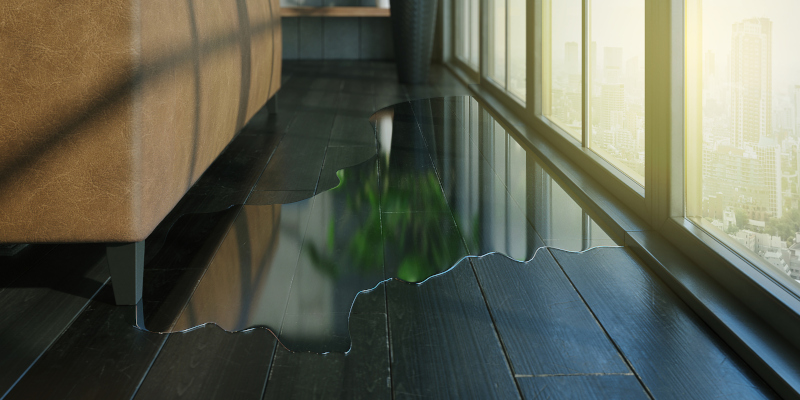
Water damage can happen in any home and has many different potential causes. Heavy storms and flooding, leaky pipes, and clogs can all be sources of water damage. If water enters your home, one of the most important things you can do is act quickly.
Water damage can cause serious problems, especially if not addressed quickly. No one wants to think about the possibility of water damage, but knowing who to call when it happens can save you a lot of time and money. Here at Remtech Environmental, our more than 30 years of experience has equipped us to address water damage both large and small. If your Raileigh, North Carolina area home experiences water damage, make sure to give us a call.
- Prevent Structural Damage. As soon as a leak starts, it can spread. This can not only impact the objects in your home, but your home’s structure as well. Depending on the source of the water, it may soak into walls, ceilings, and flooring. This can cause swelling in drywall and window frames, as well as causing paint or wallpaper to blister. If you have noticed water damage in your home, contacting repair services as soon as possible can prevent the issue from getting worse.
- Curb Mold Growth. Mold can take hold quickly and thrives in damp environments. Water damage is an extremely common cause of mold, and if not addressed as soon as possible, mold can start to form. Once mold develops, it may spread to other parts of your home not impacted by the water damage. Calling for repair services can take care of existing mold and stop it from spreading further.
Water damage in a North Carolina home is fundamentally a race against time. From the moment liquid water contacts building materials, a cascade of physical, chemical, and biological deterioration processes begin operating simultaneously, with each passing hour increasing both the cost and complexity of restoration. The IICRC S500 Standard for Professional Water Damage Restoration, the foundational reference for the restoration industry, identifies a series of critical timing thresholds during which intervention costs and outcomes diverge dramatically. Mold colonization can begin within 24 to 48 hours, hardwood flooring can cup beyond repair within hours, drywall wicks moisture upward through capillary action causing damage well above the visible water line, and water itself degrades through bacterial classification categories that change cleanup protocols entirely. Whether the source is a burst supply line during an unexpected freeze, a heavy thunderstorm overwhelming gutters and basement drains, or a slow toilet supply leak running while the family is away on vacation, the response window matters far more than most property owners realize.
The Critical Timing Thresholds in Water Damage Response
Each of the following processes operates on its own clock, and several proceed simultaneously during a single water intrusion event. Understanding these timelines explains why professional water damage restoration companies emphasize rapid response and why insurance carriers expect documented mitigation efforts within 24 to 72 hours of discovery.
Mold Colonization Within 24 to 48 Hours
The IICRC S520 Standard recognizes 24 to 48 hours as the window during which mold contamination becomes probable on water-damaged organic building materials. Common indoor mold species require only the presence of moisture, an organic food source, and temperatures between 50 and 100 degrees Fahrenheit to germinate from spores already present in normal indoor air. Drywall paper, wood framing, carpet padding, and cellulose insulation provide ideal substrates. Once spores germinate and hyphae establish, simply drying the affected materials no longer resolves the contamination, because dormant mold structures persist in dry materials and reactivate at the next moisture event. This is why professional restoration prioritizes structural drying within the first day of water exposure and why DIY drying efforts that take longer often result in mold remediation costs that dwarf the original water damage repair.
Hardwood Flooring Cupping Within Hours
Solid hardwood flooring is particularly vulnerable to even brief water exposure due to the differential moisture absorption between the top and bottom faces of each plank. When water contacts the floor surface and penetrates through gaps between boards, the bottom and edges absorb moisture faster than the finished top surface. This causes the underside to expand while the top remains relatively stable, producing the characteristic cupped or concave deformation as edges rise above plank centers. Visible cupping can develop within 4 to 12 hours of exposure depending on water volume and species, with permanent dimensional damage often occurring within 24 hours. Engineered hardwood and laminate flooring suffer similar but distinct failures including delamination and core swelling. Rapid extraction and controlled drying using injectidry systems and floor mat extraction can sometimes salvage cupped flooring if intervention occurs early, but delayed response typically requires full replacement.
Drywall Wicking and Vertical Damage Spread
Standard gypsum drywall behaves like a sponge with respect to liquid water, drawing moisture upward through capillary action far above the visible water line. Within hours of water contact at floor level, moisture meters typically read elevated water content 12 to 24 inches up the wall surface, even when the visible damage line appears much lower. Within 24 to 48 hours, wicking can extend two to three feet vertically, and continuing exposure allows moisture to reach window sills and electrical outlet boxes. The paper facing on drywall begins losing structural integrity quickly when saturated, while the gypsum core itself loses dimensional stability and never fully recovers original strength even after complete drying. Professional restoration uses moisture mapping to identify the actual extent of wall saturation, which routinely exceeds what visual inspection suggests, and either dries materials in place using directed airflow or removes affected sections to allow cavity drying.
Secondary Damage Through Compounding Effects
Water damage rarely remains contained to its initial location. Liquid water flows downward through floor systems into ceiling cavities below, follows electrical conduit and plumbing penetrations between building levels, and migrates horizontally along the bottom plates of stud walls. Within hours of a significant water event, secondary damage frequently exceeds the primary damage zone in scope. Light fixtures and electrical components in ceilings below leak sources begin shorting and corroding. HVAC ductwork accumulates standing water that disperses moisture throughout the home each time the system runs. Subflooring delaminates and loses structural strength. Fiberglass batt insulation collapses and loses thermal performance permanently when wetted. Each of these secondary damage paths compounds the restoration scope, which is why thorough moisture mapping by a certified water damage technician on day one delivers far better outcomes than attempting to assess damage visually after a few days.
IICRC S500 Water Category Degradation Over Time
The IICRC S500 Standard classifies water damage into three categories based on contamination level. Category 1 is clean water from sanitary sources like supply lines and rainwater. Category 2 is significantly contaminated from sources including dishwasher overflow and toilet bowl water without solids. Category 3 is grossly contaminated water from sewage, ground intrusion, or extended standing time. Category 1 water degrades to Category 2 within 24 to 48 hours due to bacterial proliferation, and Category 2 degrades to Category 3 within another 48 hours. This classification change carries significant practical consequences because Category 3 water requires extensive antimicrobial treatment, removal of all porous materials, and full PPE for technicians. A clean water event addressed within 24 hours may require only drying, while the same event addressed after a long weekend often requires full Category 3 protocols at multiple times the cost.
Why North Carolina Climate Conditions Compound Water Damage Risks
The Raleigh-Durham metropolitan area presents specific climatic factors that intensify water damage scenarios beyond what homeowners in drier regions experience. Summer thunderstorms in the Piedmont can deposit several inches of rainfall in under an hour, overwhelming gutter systems, creating ponding around foundations, and driving wind-blown rain through roof and window assemblies that perform adequately under normal precipitation. The region experiences hurricane and tropical storm impacts that produce both wind-driven rain and extended power outages, which interrupt sump pump operation and cause crawl space flooding even in homes that normally remain dry. Winter cold snaps occasionally produce overnight temperatures in the teens that freeze poorly insulated supply lines in attic spaces and exterior walls, with the subsequent thaw producing dramatic failures that can dump hundreds of gallons before discovery. The region's high summer humidity dramatically slows natural drying once water damage occurs, with outdoor dewpoints in July and August routinely exceeding 70 degrees Fahrenheit, meaning simply opening windows often increases rather than decreases indoor moisture levels. Crawl space construction common in older Raleigh and Wake Forest homes creates an additional vulnerability where flooding pools in inaccessible spaces, evaporates upward through floor systems, and contributes to chronic indoor humidity problems that promote mold growth even after visible water has been removed. Each of these regional factors reinforces the importance of rapid professional response by IICRC-certified technicians equipped with truck-mounted extraction units, commercial dehumidifiers, and air movers capable of drying structural materials before secondary damage develops.
Steps to Take Within the First Hour of Water Damage Discovery
When water damage occurs, actions taken in the first hour often determine whether restoration costs run in the low thousands or the tens of thousands of dollars. Begin by stopping the source if safe. For supply line failures, locate and close the main water shutoff valve near the water meter or in an exterior valve box. For appliance leaks, close the local supply valve. For roof or window leaks, place buckets and tarps where practical but do not climb on wet roofs. Next, ensure electrical safety. If water has reached outlets, panels, or appliances, do not enter the affected area until power has been disconnected at the main breaker. Document the damage thoroughly with photographs and video before cleanup begins, because this documentation is essential for insurance claims. Contact your insurance carrier to report the loss, but do not wait for adjuster authorization before initiating mitigation, since most policies require the insured to take reasonable steps to prevent additional damage. Call a professional restoration company that maintains 24-hour response and holds IICRC S500 certification. Remtech Environmental serves Raleigh, Cary, Apex, Wake Forest, and surrounding communities with truck-mounted extractors, commercial dehumidifiers, and structural drying systems. Begin removing standing water with available tools, focusing on hard surfaces while avoiding walking on wet carpet, which spreads contamination.
Additional Resources for Water Damage Situations
Our Water Damage Restoration service page provides a complete overview of our IICRC-certified extraction, drying, and reconstruction protocols available across the Triangle. For homeowners dealing with weather-related events, our Storm Damage Repair page covers tarping, board-up services, and structural drying after severe weather. Because mold contamination so frequently follows water damage, our Mold Remediation page explains the secondary remediation services often needed within days of a water event. Property owners with older homes should also review our Asbestos Inspection information before demolition of water-damaged materials. Visit our Free Quote page or contact our 24-hour response line to dispatch a certified technician to your property, and explore our Blog for additional educational articles on environmental hazards affecting North Carolina homeowners.
Key Takeaways
- Mold colonization on water-damaged organic building materials becomes probable within 24 to 48 hours, transforming a water damage project into a combined water and mold remediation project that costs significantly more.
- Hardwood flooring can cup permanently within 4 to 24 hours of water exposure due to differential moisture absorption between top and bottom faces, requiring rapid extraction and controlled drying to salvage.
- Drywall wicks water vertically through capillary action, spreading damage 12 to 36 inches above the visible water line and requiring professional moisture mapping to identify the true extent of saturation.
- Secondary damage including ceiling failures, electrical corrosion, subfloor delamination, and insulation collapse frequently exceeds primary damage in scope when restoration is delayed beyond the first day.
- IICRC S500 water categories degrade over time, with Category 1 clean water reaching Category 3 grossly contaminated status within 72 to 96 hours, dramatically increasing remediation requirements and costs.
Need Help with Environmental Services?
If you have concerns about mold, asbestos, or water damage in your property, contact Remtech Environmental today for a free consultation.
Get a Free Quote