
Living in North Carolina means we get to enjoy beautiful seasons, but it also means dealing with our famous humidity and the occasional severe storm. These local conditions can turn a minor water issue into a major disaster surprisingly fast. The moisture in our air creates the perfect breeding ground for mold, which can start growing in just 24 hours after a leak. That’s why a quick response is non-negotiable. This article explains how our climate impacts water damage and why professional intervention is so critical. We’ll cover the essential steps for securing your home and how to find a reliable team for emergency water damage restoration NC that understands these unique challenges.
Key Takeaways
- Act fast to minimize damage: Your quick response to stop the water source, paired with a professional's immediate arrival, is the most critical factor in preventing widespread issues like mold and structural rot.
- Follow a two-part response plan: First, focus on immediate safety by stopping the water and power, then protect your belongings and document the scene. Second, let a professional team handle the technical process of extraction, drying, and rebuilding.
- Choose your restoration partner wisely: Look for a local company with IICRC certification, 24/7 availability, and positive customer reviews, as a well-vetted team ensures the job is done correctly and can help you with the insurance process.
What Is Emergency Water Damage Restoration?
When you discover a burst pipe, a leaking roof, or a flooded basement, it’s easy to feel overwhelmed. Emergency water damage restoration is the professional service designed to handle these exact situations. Think of it as a rapid-response team for your property. The main goal is to act fast to stop the damage from spreading and restore your home or business to the way it was before the incident. This isn't just about mopping up a puddle; it's a comprehensive process that involves water extraction, drying, dehumidifying, and sanitizing the affected areas to prevent long-term problems like structural decay and poor air quality.
The process starts the moment you call a professional. A good restoration company will guide you through the immediate steps to take while their team is on the way. Once they arrive, they assess the situation, identify the source of the water, and determine the extent of the damage. From there, they create a plan to safely and efficiently bring your space back to life. This service is crucial because water can quickly seep into walls, floors, and furniture, leading to structural issues and mold. You can find more information on how to handle home emergencies in our resource library. Acting quickly with professional help is the best way to protect your property's value and ensure a safe living or working environment for everyone inside.
Clean, Gray, and Black Water: What's the Difference?
Not all water damage is the same, and professionals categorize it into three types based on the contamination level. Understanding the difference is key to a safe and effective cleanup.
- Clean Water: This comes from a sanitary source, like a broken supply line or an overflowing sink. While it’s not immediately harmful, it can become contaminated if it sits for too long or mixes with other materials.
- Gray Water: This is slightly contaminated water from sources like washing machines, dishwashers, or shower drains. It may contain soap, dirt, and microbes, so it requires more careful handling.
- Black Water: This is the most hazardous category. It comes from sewage backups or floodwaters and contains dangerous bacteria, viruses, and other contaminants that pose serious health risks.
Common Causes of Water Damage in North Carolina
In North Carolina, water damage can stem from a variety of sources. Plumbing problems are a leading cause, with issues ranging from aging pipes that suddenly burst to slow, hidden leaks from appliances like water heaters and refrigerators. These can cause significant damage before you even notice them.
Of course, we also have our fair share of severe weather. Hurricanes and heavy thunderstorms can lead to widespread flooding, while clogged gutters or a damaged roof can allow rainwater to seep into your home’s structure. Keeping up with home maintenance can help you get ahead of some of these issues, but unexpected events can happen to anyone.
How NC's Humid Climate Worsens Water Damage
Living in North Carolina means dealing with high humidity, especially during the warmer months. While great for our gardens, this humid air can make water damage much worse. The excess moisture in the atmosphere slows down the drying process, creating the perfect environment for mold to thrive. In fact, mold growth can begin in as little as 24 to 48 hours after water exposure. This is why speed is so critical here. Simply opening windows isn’t enough; you need professional-grade equipment to properly dehumidify the space and prevent a small water issue from turning into a major mold problem.
Your First 5 Steps After Discovering Water Damage
Finding a puddle spreading across your floor or a dark stain on your ceiling is a sinking feeling. It’s easy to panic, but taking a few immediate, strategic steps can significantly reduce the long-term damage to your home and belongings. Acting quickly is key, but acting safely is even more important. This guide will walk you through the first five things you should do the moment you discover water damage. Think of it as your emergency checklist to get the situation under control before the professionals arrive. By following these actions, you can protect your property and set the stage for a smooth and effective restoration, turning a potential disaster into a manageable problem.
1. Stop the Water and Shut Off Power
This sounds obvious, but in a moment of panic, it's easy to forget. Your absolute first priority is to stop the flow of water. If you can safely identify the source, like a burst pipe under the sink or a faulty appliance hose, shut off its individual water supply valve. If you can't find the source or it's a major leak, find your home's main water shutoff valve and turn it off. Next, address the electrical risk. Go to your breaker box and shut off power to the affected areas to prevent any danger of electrocution. If you feel unsafe performing either of these steps, your next move should be to contact a professional who can guide you.
2. Protect Your Belongings and Remove Excess Water
With the immediate hazards handled, turn your attention to your belongings. Move any furniture, rugs, electronics, and personal items out of the affected area to a dry, safe spot. The quicker you get them away from the water, the better their chances of being salvaged. Once the room is clear, you can start removing as much standing water as possible. Use old towels, buckets, mops, or even a wet/dry vacuum to soak up the excess. This initial water removal helps prevent moisture from seeping deeper into your floors, subfloors, and drywall, which is a crucial first step in the water damage restoration process.
3. Get Air Circulating to Slow Moisture Spread
Moisture is the biggest threat after the initial leak. It creates the perfect environment for mold to begin growing, sometimes in as little as 24 to 48 hours. To combat this, you need to get the air moving. If it’s not raining or humid outside, open up windows and doors to create a cross-breeze. Set up any box fans or ceiling fans you have to help circulate the air throughout the damp space. This won't dry out the structure completely, but it's an important temporary measure. Increasing airflow helps slow down moisture absorption into porous materials and can inhibit immediate mold growth while you wait for professional drying equipment.
4. Document the Damage Before Cleaning
Before you get too deep into cleanup, grab your phone and become a detective. You need to thoroughly document the damage for your insurance claim. Take photos and videos of everything: the source of the water, the extent of the standing water, and any affected belongings or structural materials like walls and flooring. Get shots from multiple angles, both close-up and wide. This visual evidence is invaluable when you file your claim and proves the initial state of the damage. You can find more helpful information in our Resource Library to prepare for the restoration process. Don’t move or throw anything away until you’ve documented it first.
5. Call a Professional Restoration Company
While the steps above are critical for immediate damage control, they are not a substitute for professional help. Water can hide in wall cavities, under floorboards, and in insulation, where it requires specialized equipment to detect and remove. A professional restoration company has the industrial-grade air movers, dehumidifiers, and moisture meters needed to dry your property completely and prevent long-term issues like structural rot and mold. When you need fast and reliable service, it's best to call a local team that can be on-site quickly to start the mitigation process and prevent the damage from getting any worse.
What Does the Professional Restoration Process Involve?
Once you make the call, a professional team doesn't just show up with a mop and bucket. The restoration process is a systematic, multi-step approach designed to handle the immediate crisis and prevent long-term problems. It’s about more than just drying things out; it’s about making your home safe, healthy, and whole again. From the moment they arrive, experts will assess the situation and walk you through a clear plan that typically involves extracting all moisture, thoroughly drying the structure, addressing any mold, and finally, repairing the damage.
Extracting Water and Moisture
The first order of business is to get the water out, and fast. Professionals use powerful, specialized equipment like truck-mounted vacuums and submersible pumps to remove thousands of gallons of standing water from your property. This isn't just about what you can see. They use tools like moisture meters and thermal imaging cameras to find hidden water trapped in your walls, floors, and ceilings. This initial extraction is a critical first step in the water damage restoration process, as it immediately halts the spread of damage and sets the stage for drying.
Drying and Dehumidifying the Structure
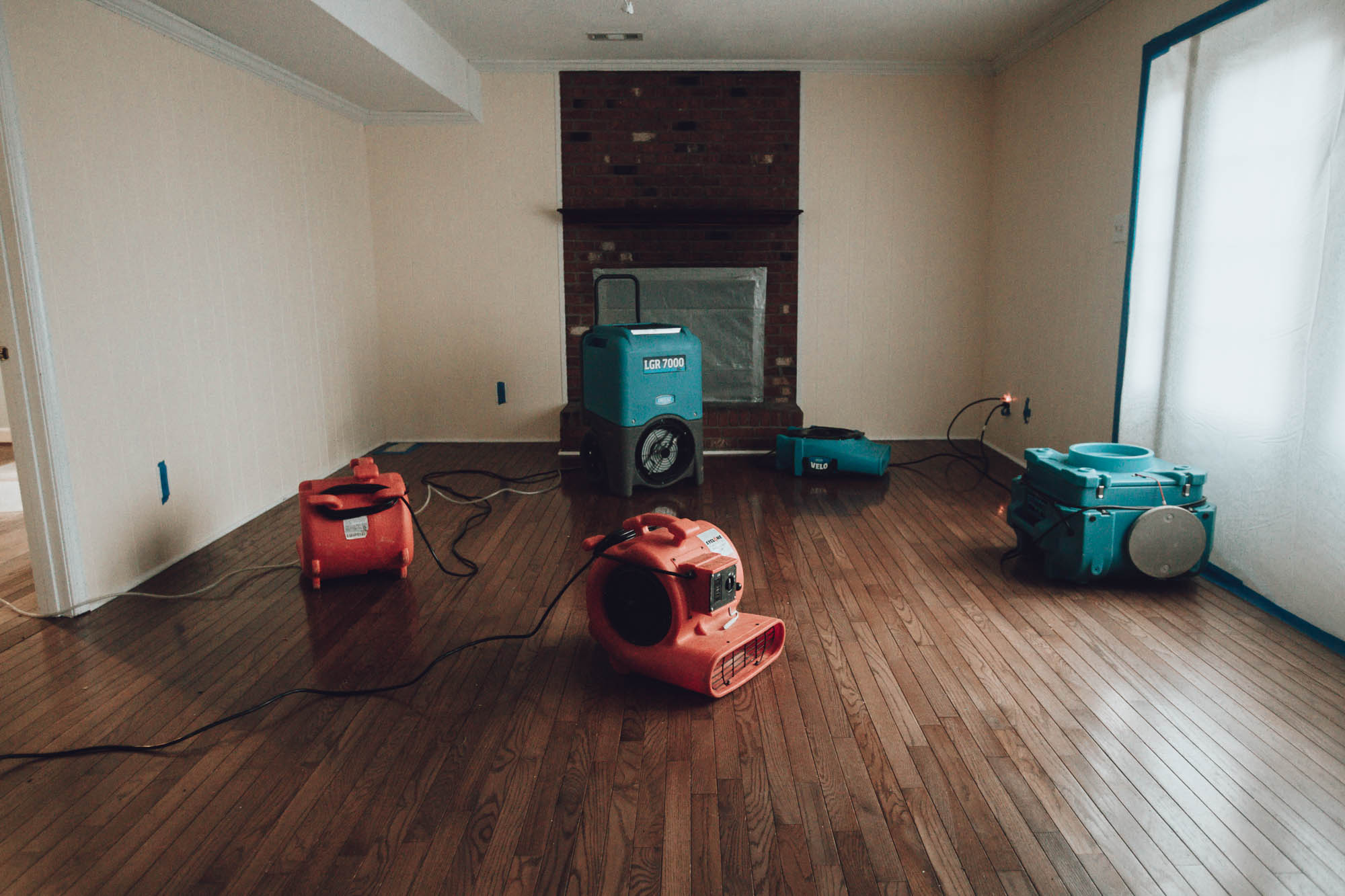
After the standing water is gone, the real drying begins. Your home’s structure can hold a surprising amount of moisture, creating a perfect environment for mold and rot. Restoration experts bring in industrial-grade air movers and dehumidifiers to create optimal drying conditions. They carefully manage the temperature and humidity, knowing that North Carolina’s humid climate can slow things down. This scientific approach ensures that every bit of moisture is pulled from the air and materials, which is something a few household fans could never accomplish. This step is essential for preventing the secondary damage that often follows a water incident.
Preventing and Treating Mold
Water damage and mold go hand in hand. Mold can begin to grow in as little as 24 to 48 hours, which is why a rapid response is so important. As part of the restoration, professionals will inspect for any signs of fungal growth. If mold is found, they will use proven techniques for safe and effective mold removal. They also apply antimicrobial treatments to affected surfaces to stop new mold from taking hold. Addressing water damage quickly is the single best way to prevent mold growth and protect your family’s health.
Repairing and Rebuilding Your Space
The final step is putting everything back together. Once your property is completely dry and sanitized, the repair and reconstruction phase can start. This can range from minor fixes, like replacing drywall and painting, to more extensive work, such as rebuilding entire sections of your home or installing new flooring. A professional team will have already assessed the scope of the damage to create a detailed plan for these repairs. This is the part of the process that transforms your house back into your home, making it feel safe and comfortable once again.
How Fast Should a Restoration Company Arrive?
When you discover water pooling in your home or business, one question immediately comes to mind: How long do I have? The honest answer is not long. In a water damage emergency, every minute matters. A professional restoration company should be able to get a team to your property within a few hours of your call, not days. This rapid response is one of the most important factors in choosing a company, as it directly impacts the amount of damage your property will sustain.
The goal is to stop the damage from spreading. Water quickly soaks into porous materials like drywall, wood flooring, and insulation, and the longer it sits, the more destruction it causes. A reputable company understands this urgency. Their ability to arrive quickly, assess the situation accurately, and begin the extraction process immediately can save you thousands of dollars in repairs. When you contact a restoration team, their response time should be one of the first things you ask about. A company with local crews is your best bet for getting the fast, effective help you need to protect your property and get your life back to normal.
Why Every Hour Counts
Water damage isn't a static problem; it’s an active one that worsens with each passing hour. A small leak can quickly become a major crisis, compromising your home’s structural integrity. The speed of the response directly correlates to the amount of damage you can prevent. A company with local teams can often be on-site within a few hours, which is critical for stopping water from seeping deeper into your subfloors and wall cavities. This quick action can mean the difference between simply drying out a room and needing to completely replace floors and drywall. A fast response from a team familiar with your service area is the first step toward a successful restoration.
What to Expect When Professionals Arrive
When the restoration team arrives, they get to work immediately with a thorough inspection. This isn't just a casual walkthrough. Professionals use specialized equipment, like moisture meters and thermal imaging cameras, to find all the hidden water. They will evaluate the full extent of the damage, determine what equipment is needed, and categorize the water impact based on which materials are affected. This detailed assessment is the foundation of their action plan. It ensures they can tackle the problem from every angle, addressing moisture you can see and moisture you can't. This methodical approach by an experienced remediation team guarantees a more effective and lasting solution.
The Dangers of Delaying Professional Help
Waiting to call for help is one of the biggest mistakes you can make with water damage. Delaying allows for more than just water to spread; it invites a host of other problems. Within just 24 to 48 hours, the damp, humid environment becomes a perfect breeding ground for mold. Once mold takes hold, it can cause health issues and require a separate, often complex, remediation process. Beyond mold, delays lead to increased structural damage, causing wood to warp, drywall to crumble, and metal to rust. All of this adds up to significantly higher repair costs and a much longer recovery time. Acting fast is your best defense against these escalating issues and the need for extensive mold removal.
How to Choose the Right Water Damage Company in NC
When you’re standing in a puddle in your living room, choosing a restoration company can feel overwhelming. You need to act fast, but you also need to make the right choice. The company you hire will determine how quickly your life gets back to normal and how well your home is protected from long-term issues like structural damage and mold. A great partner will not only handle the cleanup but also guide you through the entire process with clear communication and professionalism.
Finding a trustworthy team means looking beyond a simple web search. You’ll want to check for proper credentials, confirm they can get to you quickly, and understand how they handle costs and insurance. Taking a few moments to vet your options can save you from much bigger headaches down the road. We’ll walk through the key things to look for so you can feel confident in your decision, even when you’re under pressure. Our team at Remtech Environmental has years of experience helping North Carolina homeowners recover, and we know what separates a good company from a great one.
Check for Certifications and Experience
When it comes to water damage, you don’t want a team that’s learning on the job. Look for companies with certifications from the Institute of Inspection, Cleaning and Restoration Certification (IICRC). This is the industry standard and shows that technicians are trained in the latest, most effective restoration methods. An experienced company has seen it all, from burst pipes to storm flooding, and knows how to handle the unique challenges your situation presents. They understand how to properly dry different materials and can spot potential problems before they escalate. A team with deep expertise will ensure the job is done right the first time, giving you peace of mind.
Prioritize 24/7 Availability and Quick Response
Water damage doesn’t wait for business hours, and neither should your restoration company. Time is your biggest enemy. Mold can begin to grow in as little as 24 to 48 hours, and structural damage worsens the longer water sits. Prioritize companies that offer 24/7 emergency services and guarantee a fast response time. A local team should be able to arrive on-site within a few hours, if not sooner. This immediate action is crucial for minimizing the damage, reducing restoration costs, and getting your property dry as quickly as possible. When you call, ask what their estimated arrival time is. A prompt response shows a company is serious about protecting your home.
Confirm Local Expertise and Service Area
A company with a strong local presence offers significant advantages. Local technicians understand North Carolina’s specific climate challenges, like high humidity, which can complicate the drying process. They are familiar with local building codes and regulations, ensuring all repairs are up to standard. Plus, a nearby office means they can get to you faster in an emergency and are readily available for any follow-up or warranty issues. Before you commit, double-check the company’s service areas to confirm they cover your town. Choosing a local expert means hiring a neighbor who is invested in restoring your home and community.
Ask for Clear Quotes and Insurance Assistance
Unexpected costs are the last thing you need during a water damage crisis. A reputable company will provide a detailed, transparent quote after assessing the damage. This document should clearly break down the costs for each step of the process, from water extraction to final repairs, so you know exactly what you’re paying for. Many experienced restoration companies also offer assistance with insurance claims. They know how to document the damage and communicate with providers to help ensure your claim is processed smoothly. This support can be a huge relief, letting you focus on your family while the experts handle the paperwork.
Read Reviews and Verify Their Reputation
Before you hire anyone, take a few minutes to see what past customers have to say. Check online reviews on sites like Google and look for testimonials on the company’s website. Look for consistent themes in the feedback. Are customers praising their professionalism, communication, and the quality of their work? A few negative reviews aren’t necessarily a deal-breaker, but pay attention to how the company responded. A strong reputation is built on trust and proven results. Choosing a company that is well-regarded in your community is one of the best ways to ensure you’ll receive excellent service and a successful restoration.
What Does Water Damage Restoration Cost in North Carolina?
Facing water damage is stressful enough without the added worry of a surprise bill. While every situation is unique, understanding the potential costs can help you feel more in control. The final price tag depends heavily on the specifics of your situation, but we can look at some general numbers to get a baseline.
Nationally, homeowners often pay between $1,384 and $6,387 for water damage restoration. Looking closer to home, the average water damage restoration cost in Raleigh is around $8,407, with a typical range falling between $1,935 and $14,880. This is a wide spectrum because so many variables are at play. A minor leak caught early will be on the lower end, while extensive flooding that has sat for days will be on the higher end. The key is to remember these are just averages; a professional assessment is the only way to know the true cost for your property.
What Factors Influence the Cost?
So, what causes that wide range in pricing? Several factors determine the final cost of your restoration project. The most significant is the extent of the damage and the size of the affected area. A small, contained leak is much different from a basement submerged in several inches of water. The type of water involved (clean, gray, or black) also plays a huge role, as contaminated water requires more intensive safety protocols and cleanup procedures.
Other costs to consider include the materials needed for repairs, like new drywall or flooring, and the price of professional services. If the damage is severe enough to make your home uninhabitable, you might also need to budget for temporary housing. A professional team can assess all these factors to give you a clear and comprehensive estimate for your specific mold removal and water damage needs.
How to Work With Your Insurance Provider
Dealing with an insurance claim can feel overwhelming, especially when you’re already managing the stress of water damage. The good news is that you don’t have to handle it alone. A reputable restoration company acts as your partner and advocate throughout the process. They have experience documenting damage in a way that insurance carriers understand and can communicate directly with your adjuster.
This partnership is invaluable. Professional restoration experts can help you talk to your insurance company to ensure your claim is managed correctly and that you receive the coverage you’re entitled to. At Remtech, we work with insurance providers all the time and can help make the process smoother for you. If you have questions about your policy or the claims process, don't hesitate to contact our team for guidance.
Key Questions to Ask Before You Hire
Choosing the right restoration company is the most important decision you’ll make in this process. The right partner will help you limit further damage, avoid unnecessary costs, and get your property back to normal quickly and safely. Before you hire anyone, take a moment to ask a few critical questions to ensure you’re making a confident choice.
Start with the basics: Are they licensed, insured, and certified for water damage restoration? Ask about their experience with your specific type of damage and if they offer 24/7 emergency services. It’s also wise to request a detailed, itemized quote and ask how they handle insurance claims. Finally, check their reputation by reading recent reviews from other local homeowners. Hearing about others’ positive experiences can give you the peace of mind you need, so be sure to check out our customer testimonials.
Protect Your Property From Future Water Damage
After you’ve gone through the stress of a water damage event, the last thing you want is a repeat performance. Taking a few proactive steps can make all the difference in keeping your property safe and dry for the long haul. It’s about shifting from reacting to an emergency to preventing one from happening in the first place. By staying on top of routine maintenance, learning to spot trouble before it starts, and knowing when to call for a professional opinion, you can protect your home or business from future incidents.
Think of it as a simple checklist for peace of mind. A little bit of attention now can save you from major headaches and expenses later. These preventative measures don't require a ton of time, but they are incredibly effective. You can find more tips and information in our online resource library to help you get started. Let’s walk through what you can do to safeguard your space.
Perform Routine Maintenance and Inspections
One of the best ways to prevent water damage is to regularly check the areas where problems often start. Make it a habit to inspect your plumbing system a few times a year. Look under sinks and around toilets and appliances for any signs of slow leaks, corrosion, or worn-out fittings. Even a tiny drip can lead to significant issues over time.
Beyond the pipes, take a look at your home’s exterior. Clean your gutters and downspouts to ensure rainwater flows away from your foundation. Check your roof for missing or damaged shingles, and inspect the seals around windows and doors. These simple, routine checks can help you catch potential issues before they turn into a full-blown water emergency.
Know the Early Warning Signs
Your property will often give you subtle clues that a water problem is developing. It’s important to pay attention to them. Common signs of hidden water damage include faint, musty odors that you can’t seem to place, which often indicate hidden moisture and potential mold growth.
Also, keep an eye out for new water stains on ceilings or walls, peeling paint, or bubbling wallpaper. You might also notice increased humidity levels in certain rooms or find that your wood floors have started to warp or buckle. If you spot any of these red flags, don’t ignore them. Addressing these signs right away is key to preventing more extensive and costly damage.
When to Schedule a Preventive Assessment
While your own inspections are helpful, sometimes you need a professional eye to assess your property’s condition fully. It’s a good idea to schedule a preventive assessment after a severe weather event, like a hurricane or major storm, even if you don’t see immediate damage. A trained expert can identify vulnerabilities you might have missed.
You should also consider an assessment if you notice any of the early warning signs mentioned above or if you’re purchasing an older property. A professional can evaluate the situation, find the source of the problem, and recommend the right repairs. If you have any concerns, it’s always better to be safe than sorry. You can contact our team to schedule an assessment and get a clear picture of your property’s health.
Your Partner for Water Damage Restoration in North Carolina
Dealing with water damage is overwhelming, and the last thing you need is the extra stress of finding a trustworthy team to fix it. With the right partner on your side, you can limit the damage, avoid unnecessary costs, and restore your property quickly and safely. A local company with deep roots in North Carolina understands our state’s unique climate challenges, from humid summers to sudden storms, and can respond immediately when every minute counts.
Your restoration partner should handle everything from the initial water extraction to the final repairs. This includes critical related services like mold removal, which often follows water intrusion. A comprehensive approach ensures no underlying issues are missed, protecting your property and your health long-term. At Remtech Environmental, we see ourselves as more than just a service provider; we're your partner in recovery. Our experienced technicians evaluate the full extent of the damage to create a clear, effective restoration plan.
We’re here to manage the process from start to finish, coordinating with your insurance and keeping you informed every step of the way. Our team serves communities across the state, including Raleigh, Durham, and Greensboro, so professional help is always nearby. You can see what our clients say about our work on our testimonials page. Our goal is to restore not just your property, but also your peace of mind. If you’re facing water damage, don’t wait. Contact our team today, and let us help you get your home or business back to normal.
Related Articles
- Water Damage Restoration, Raleigh, NC | Emergency Water Damage Repair
- Water Damage, Raleigh, NC | Remtech Environmental
- Water Damage Restoration, Cary, NC | Remtech Environmental
- Water Damage Restoration, Asheville, NC | Emergency Water Damage Repair
- Water Damage Restoration, Durham, NC | Remtech Environmental
Frequently Asked Questions
Can I just clean up minor water damage myself? While it's tempting to tackle a small leak with towels and a fan, it's often not enough. The water you see is usually just the start; moisture can seep into drywall, subfloors, and insulation where it stays hidden. Without professional drying equipment, this trapped moisture can lead to structural rot and mold growth. A professional assessment ensures even hidden dampness is found and properly addressed, saving you from bigger, more expensive problems later.
How long does the entire water damage restoration process take? The timeline really depends on the situation. A small, contained leak in one room might only take a few days to dry and repair. However, extensive damage affecting multiple rooms or involving contaminated water could take several weeks. Factors like the amount of water, the types of materials affected (like hardwood floors versus carpet), and how long the water sat all influence the duration. A professional team can give you a more specific timeline after they assess the damage.
Will my homeowner's insurance cover water damage restoration? Most standard homeowner's insurance policies cover damage from sudden and accidental events, like a burst pipe or a washing machine overflow. However, they typically do not cover damage from gradual leaks or poor maintenance. Flood damage from natural disasters often requires a separate policy. The best first step is to review your policy and contact your insurance agent. A good restoration company can also help by providing detailed documentation for your claim.
Is it safe to stay in my house during the restoration process? This depends on the extent of the damage and the type of water involved. If the damage is contained to a small area with "clean water," you may be able to stay by simply avoiding that part of the house. However, if you're dealing with "black water" from a sewage backup or if the damage is widespread, it is often safer to find temporary accommodations. The restoration team will advise you on the safest course of action for you and your family.
What's the difference between drying and dehumidifying? Think of them as a one-two punch. Drying involves using high-speed air movers, which are like very powerful fans, to blow air across wet surfaces like floors and walls. This speeds up the evaporation of moisture. Dehumidifying is the next step; industrial-grade dehumidifiers pull all that newly evaporated moisture out of the air. You need both processes working together to effectively remove moisture from the structure, especially in a humid climate like ours.