
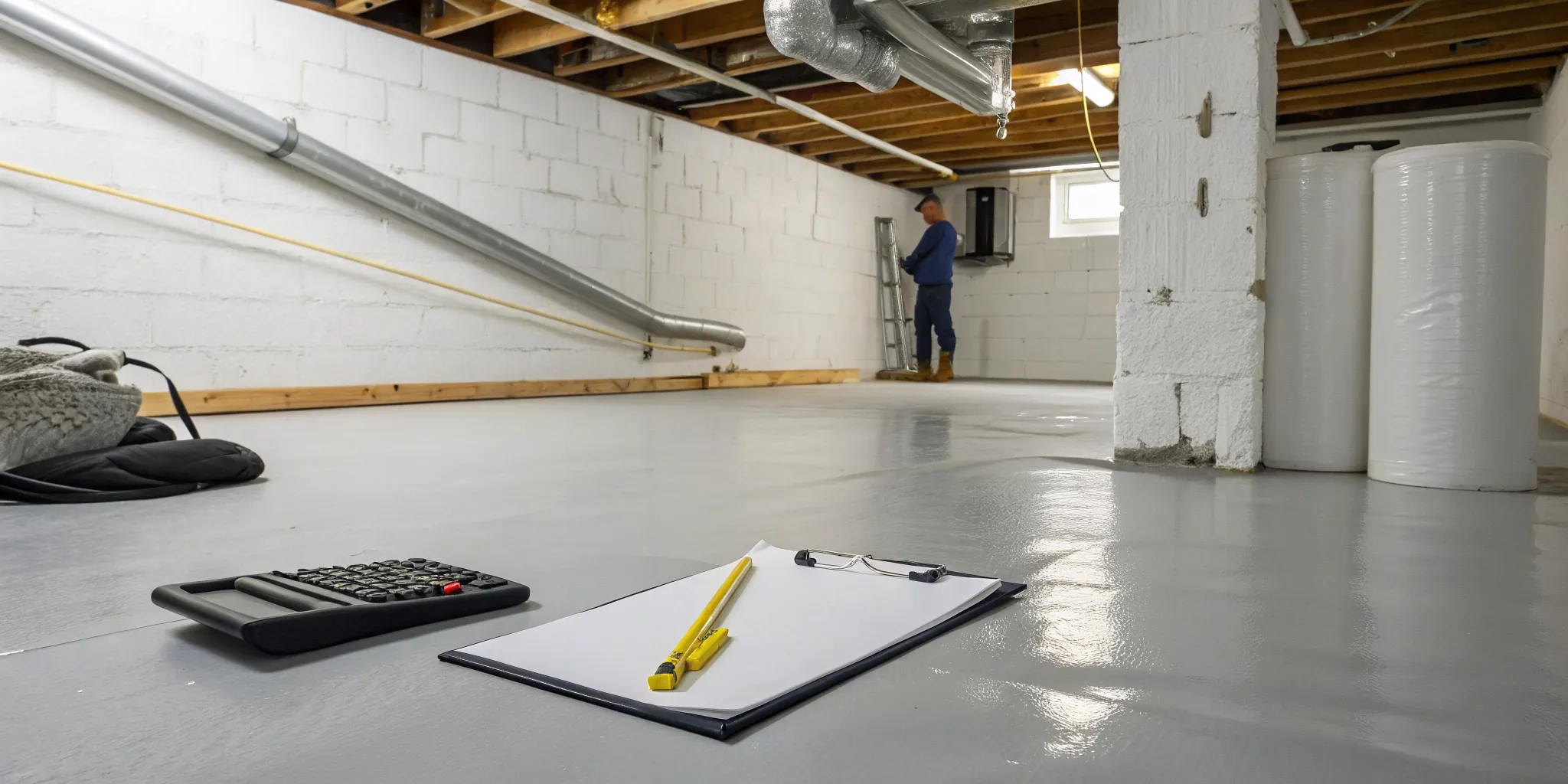
That musty smell coming from your vents is more than just an annoyance; it’s a warning sign. It often means there’s too much moisture in your crawlspace, creating the perfect environment for mold and wood rot. A dehumidifier is the most effective solution, which naturally leads to the question: what is the real cost to install crawlspace dehumidifier? The answer depends on several factors, including the size of your crawlspace, the type of unit you choose, and whether your space needs other work first. Understanding these variables will help you see the full scope of the project and why a professional approach is so important.
Key Takeaways
- Look beyond the sticker price: The true cost of a crawlspace dehumidifier includes the unit, professional installation, and any necessary crawlspace preparations like adding a vapor barrier or a new electrical outlet.
- Protect your home from the ground up: A dehumidifier is an investment that prevents costly structural damage from wood rot, stops mold growth, and improves the air quality throughout your entire home by controlling moisture at its source.
- Prioritize professional setup and simple upkeep: Hiring a pro ensures your unit is correctly sized and installed for peak performance, while routine tasks like cleaning the filter and checking the drain line will extend its lifespan and maintain its effectiveness.
What's the Real Cost of a Crawlspace Dehumidifier?
When you start looking at crawlspace dehumidifiers, it’s easy to focus on the price of the unit itself. But that’s only one piece of the puzzle. The total cost includes the machine, professional installation, and any necessary modifications to your crawlspace to make sure the system works effectively. Thinking about the complete picture from the start helps you set a realistic budget and ensures you’re making a smart investment in your home’s health and structural integrity. Let's break down what you can expect to pay for.
Breaking down the unit cost
The dehumidifier unit is your first major expense, typically ranging from $1,000 to over $2,500. This price variation comes down to factors like brand, capacity, and energy efficiency. While it might be tempting to choose a cheaper, smaller unit, this is one area where you don’t want to cut corners. The most critical factor is getting a unit that is correctly sized for your crawlspace's square footage and existing moisture load. An undersized dehumidifier will run constantly without ever reaching the target humidity level, wasting electricity and failing to prevent the damp conditions that lead to mold growth.
Factoring in professional installation
While some homeowners consider a DIY approach, professional installation is highly recommended and usually adds $300 to $500 to the total cost. Paying for a professional ensures the job is done right the first time. An expert will know the best placement for the unit to maximize air circulation, how to properly set up the drainage line to prevent leaks, and how to configure the settings for optimal performance. This initial investment saves you from potential headaches, like improper drainage causing more water issues or incorrect placement leading to inefficient operation. A professional can get your system running perfectly from day one.
Budgeting for additional expenses
Beyond the unit and basic installation, you may need to budget for a few other items to create a complete system. For example, if your crawlspace layout doesn't allow for a simple gravity-fed drain line, you will need a condensate pump to move the collected water outside. This can add another $150 to $250. Other potential costs include ducting materials if you want to circulate air to specific corners of the crawlspace. These components are essential for a truly effective setup, so it’s important to discuss them with your installer. You can explore our resource library to learn more about comprehensive crawlspace solutions.
Understanding electrical and permit costs
A crawlspace dehumidifier is a powerful appliance that requires a dedicated electrical outlet, specifically a GFCI (ground-fault circuit interrupter) outlet, for safe operation in a potentially damp environment. If your crawlspace doesn’t already have a suitable outlet in the right location, you’ll need to hire an electrician to install one. This work must meet local safety codes to prevent electrical hazards. Depending on the scope of the electrical work, a permit may be required by your municipality. Working with a certified company ensures all electrical work and permits are handled correctly, giving you peace of mind.
What Factors Influence Installation Costs?
When you start looking at the price of a crawlspace dehumidifier, it’s easy to focus on the cost of the unit itself. But that’s only one piece of the puzzle. The final price you’ll pay for a complete, professional installation depends on several moving parts. Think of it like buying a car; the sticker price is the starting point, but the final cost includes the features you choose and the services you need to get it on the road safely.
Understanding these variables will help you create a realistic budget and see why a one-size-fits-all quote just doesn’t work. The size of your crawlspace, the amount of moisture we’re dealing with, the type of unit you choose, and the current condition of the space all play a significant role in the total investment. Let’s break down each of these factors so you know exactly what to expect.
Your crawlspace's size and moisture levels
The first thing a professional will look at is the size of your crawlspace and how much moisture is present. A larger crawlspace requires a more powerful dehumidifier to effectively control the humidity, and more powerful units come with a higher price tag. Sizing the unit correctly for your crawlspace's cubic footage and moisture load is the most critical factor. An undersized unit will run constantly without ever getting the humidity down, wasting energy and leaving your home unprotected from mold growth. A crawlspace with standing water or extremely high humidity will need a higher-capacity machine than one that’s just a bit damp, which also affects the cost.
The dehumidifier's type and efficiency
Not all dehumidifiers are created equal. You can find small, portable units at a big-box store, but these are not designed for the demanding environment of a crawlspace. Professional-grade crawlspace dehumidifiers are built to be more durable, efficient, and effective in lower temperatures. They often have better sensors and more powerful fans to ensure proper airflow throughout the entire space. While these high-efficiency models cost more upfront, they can save you money in the long run through lower energy bills and a longer lifespan. Investing in a quality unit ensures you won't have to replace it in just a few years.
Local labor rates in North Carolina
Professional installation is a key part of the overall cost, but it ensures the job is done right. Labor rates can vary depending on where you live in North Carolina. The complexity of the installation also matters. A straightforward setup in an easily accessible crawlspace will cost less than a difficult installation that requires more time and effort. A professional installer will not only place the unit correctly but also set up the drainage system, so you never have to empty a water bucket. They’ll also handle the electrical work, making sure the unit has a dedicated circuit for safe operation in one of our service areas.
Your crawlspace's current condition
The current state of your crawlspace can also influence the final installation cost. If the area is filled with debris, old insulation, or has a very uneven ground surface, it will need to be addressed before the dehumidifier can be installed. This prep work adds to the overall project time and cost. For example, the ground may need to be leveled to ensure the unit sits properly and drains correctly. If there are existing issues like pests or significant water intrusion, those problems should be fixed first. A professional can assess your space and identify any necessary repairs to ensure your new dehumidifier can do its job effectively from day one.
Crawlspace Upgrades That Add to the Cost
Installing a crawlspace dehumidifier is a fantastic step toward a healthier home, but it’s rarely as simple as just plugging in a new appliance. To get the best results, your crawlspace needs to be properly prepared. Think of it like this: you wouldn’t run your air conditioner with all the windows open, right? The same logic applies here. A dehumidifier can only work effectively if the space is sealed and set up for success, which means addressing the root causes of moisture before the machine is even turned on.
These necessary preparations are often the biggest source of additional costs beyond the unit itself. While they add to the initial price tag, these upgrades are not optional if you want a long-term solution to moisture problems. They ensure your investment pays off by protecting your dehumidifier from overwork, preventing future issues like mold growth, and safeguarding your home’s structural integrity from rot and decay. A properly prepared crawlspace allows the dehumidifier to do its job efficiently, saving you money on energy bills and extending the life of the unit. Let’s walk through the most common upgrades you might need to budget for.
Installing vapor barriers and encapsulation
If your crawlspace has an exposed dirt floor, it’s constantly releasing moisture into the air. Installing a dehumidifier without addressing this is a common mistake. A vapor barrier, which is a thick sheet of plastic lining, is the minimum requirement to stop this ground moisture from seeping into your crawlspace. For a truly effective solution, many homeowners opt for full crawlspace encapsulation. This process seals the floors, walls, and vents, completely isolating the area from outside moisture and humidity. Without this barrier, your dehumidifier will run constantly, struggling to keep up with an endless source of moisture.
Adding a drainage system
Does your crawlspace have standing water after it rains? If so, a dehumidifier alone won’t solve your problem. Excess water needs to be managed at the source. This often involves installing an interior drainage system, like a French drain, to collect water and direct it to a sump pump. The sump pump then actively pushes the water out and away from your foundation. Properly redirecting condensate drainage from the dehumidifier itself is also key. These systems work together to remove bulk water, allowing your dehumidifier to focus on managing the ambient humidity in the air.
Making electrical upgrades
Crawlspace dehumidifiers are powerful machines that require a dedicated, reliable power source. Most crawlspaces don’t come equipped with a convenient, code-compliant electrical outlet. To operate safely, your unit will likely need a dedicated GFCI (ground-fault circuit interrupter) outlet installed by a licensed electrician. This is not a corner you want to cut. Ensuring your electrical setup meets safety codes is crucial to prevent electrical hazards and ensure your dehumidifier functions correctly without tripping breakers. This professional installation is a necessary expense for a safe and effective system.
Leveling the ground for installation
The floor of a crawlspace is rarely perfectly flat. It’s often just uneven dirt or gravel. Placing a heavy dehumidifier on an unstable surface is a recipe for problems. Uneven placement can cause the unit to vibrate excessively, leading to premature wear and tear. More importantly, it can disrupt the drainage process. If the unit isn’t level, condensate can leak out, creating new puddles and defeating the purpose of the dehumidifier. A professional installer will create a solid, level pad for the unit, ensuring it runs efficiently and its lifespan isn't cut short. It’s a small detail that makes a huge difference.
Does Your Crawlspace Even Need a Dehumidifier?
This is a great question to ask before you start shopping. While a dehumidifier can be a game-changer for protecting your home, it’s not a one-size-fits-all solution. Your home might not need one at all, or it might be the single most important appliance you could install. The key is learning to spot the signs of trouble and understanding what a healthy crawlspace environment looks like. If your crawlspace is consistently damp, it creates the perfect breeding ground for problems that can affect your entire house. Let's walk through how to tell if your crawlspace has a moisture problem that needs to be addressed.
Many homeowners in North Carolina, from Raleigh to Asheville, deal with high humidity, which makes their crawlspaces particularly vulnerable. Ignoring a damp crawlspace isn't just putting off a minor chore; it's risking wood rot, pest infestations, and poor indoor air quality that can impact your family's health. Before you invest in any equipment, it's smart to do a little detective work to confirm you actually have a problem. Understanding the warning signs and the ideal conditions for this space under your home will empower you to make the right decision for your property's long-term health and safety.
Warning signs of too much moisture
Your senses are often the best first line of defense. If you open your crawlspace access door and are hit with a musty, earthy smell, that’s a major red flag for excess moisture and potential mold. Other telltale signs include visible condensation or "sweating" on pipes, ductwork, and concrete walls. You might also notice damp or falling insulation, darkened or stained wood, and even efflorescence, which is a white, powdery substance that appears on concrete surfaces. If you see any of these indicators, it’s a clear sign that the humidity levels are too high and it's time to take action before small issues become big, expensive problems. Ignoring these warnings can lead to serious mold growth and structural damage.
The ideal humidity level for a crawlspace
So, what’s the magic number for humidity? For a crawlspace, you want to keep the relative humidity below 60% all year long. Ideally, you should aim for a sweet spot between 45% and 55%. This range is dry enough to prevent mold from growing and stop wood rot in its tracks, but not so dry that it causes wood to become brittle. You can easily check the humidity yourself with a simple tool called a hygrometer, which you can find at most hardware stores. Consistently high readings, especially during North Carolina's humid summers, are a strong signal that your crawlspace could benefit from a dehumidifier to maintain a healthy environment. You can find more tips for maintaining your home in our resource library.
How moisture leads to mold and structural issues
Excess moisture in a crawlspace is more than just a little dampness; it’s an open invitation for serious trouble. Crawlspaces with high humidity create the perfect environment for mold and mildew to thrive. This moisture also saturates the wooden structures of your home, like floor joists and support beams, leading to wood rot that can compromise your home's structural integrity. Damp wood is also a magnet for pests like termites. Plus, due to a natural airflow pattern called the "stack effect," up to 50% of the air in your home can come from the crawlspace. This means mold spores, musty odors, and allergens are pulled directly into your living areas, impacting your family's health. If you suspect a problem, it's always best to contact us for a professional assessment.
Key Features to Look For in a Crawlspace Dehumidifier
Choosing a dehumidifier for your crawlspace isn't like picking one up for your basement. This is a specific environment that demands a tough, reliable machine. A standard portable unit just won't cut it. Crawlspace dehumidifiers are built to handle lower temperatures, run continuously, and manage moisture in a way that protects your entire home. When you start shopping, you’ll notice a wide range of options and prices. Focusing on a few key features will help you select a unit that effectively controls humidity and gives you long-term peace of mind. Making the right choice from the start prevents future headaches and protects your investment. It ensures your crawlspace remains dry, healthy, and free from the issues that excess moisture can cause, like mold growth and wood rot.
Finding the right capacity and size
The most important step is sizing the unit correctly for your crawlspace. This isn't just about square footage; it's about the total volume of the space (cubic footage) and the existing moisture load. A unit that's too small will run constantly without ever reaching the target humidity level, wasting energy and failing to solve the problem. A unit that's too large will cycle on and off too frequently, which is inefficient and can shorten its lifespan. A professional can measure your crawlspace and assess the moisture conditions to recommend the perfect capacity, ensuring you get a machine that works efficiently without overpaying for power you don’t need.
Understanding energy efficiency ratings
A crawlspace dehumidifier is designed to run for long periods, so its energy consumption matters. Look for models with an Energy Star rating. These units are specifically designed to offer steady humidity control while using less energy than standard portable dehumidifiers. While a more efficient model might have a slightly higher upfront cost, it will save you a significant amount on your electricity bills over the years. Think of it as a long-term investment in your home’s health and your wallet. An efficient unit does its job without causing a surprising spike in your monthly expenses.
The importance of a built-in humidistat
A quality crawlspace dehumidifier should include a built-in humidistat. This feature allows you to set a target humidity level, and the machine will automatically turn on and off to maintain it. This is crucial because you can’t just plug it in and forget about it like a simple room unit. The humidistat ensures the crawlspace stays within the ideal range (typically 30% to 50% humidity) without running unnecessarily. This automation is key to preventing mold and mildew while also conserving energy. It takes the guesswork out of managing your crawlspace environment, giving you consistent, reliable protection.
Why you want a self-draining unit
Imagine having to crawl under your house every day to empty a heavy bucket of water. That’s what you’d be doing without a self-draining dehumidifier. These units come with a hose that connects directly to a sump pump or other drainage system, automatically removing the collected water. This feature is non-negotiable for a crawlspace. It makes the system truly hands-off and ensures it can run continuously without interruption. A self-draining unit eliminates the risk of overflows and the constant chore of manual emptying, making it far more convenient and effective for long-term moisture control.
Durability for low-temperature operation
Crawlspaces can get cold, especially during the winter. Many standard dehumidifiers stop working effectively or even freeze up when the temperature drops below 60°F. It’s essential to choose a model specifically designed for low-temperature operation. These durable units are built with components that can withstand the cooler, damp environment of a crawlspace and will continue to pull moisture from the air even when it’s chilly. This ensures your home is protected year-round, not just during the warmer months. Brands like Aprilaire are known for their robust construction and reliable performance in colder conditions.
Air filtration and warranty details
Beyond just removing moisture, many crawlspace dehumidifiers also filter the air. This is a fantastic secondary benefit, as it can capture mold spores, dust, and other particulates, improving the overall air quality that circulates into your living space. Check the type of filter it uses and how often it needs to be cleaned or replaced. Finally, look at the warranty. A strong warranty, like a 5-year plan, is a good indicator that the manufacturer stands behind its product. It shows they’ve built a durable machine you can rely on, which is something we value in our own remediation services.
A Look at Popular Dehumidifier Brands
When you start shopping for a crawlspace dehumidifier, you'll notice a few brand names pop up again and again. Each one has its own reputation and strengths, so knowing the key players can help you narrow down your search. Choosing the right brand is a key step in preventing the kind of moisture issues that lead to mold growth. Let's walk through some of the most popular brands you're likely to encounter and what makes them stand out. This isn't an exhaustive list, but it covers the brands we often see in homes across North Carolina.
Aprilaire
Aprilaire is a go-to for high-quality, whole-home dehumidifiers. Their units are built for serious moisture control in larger spaces. The Aprilaire E100, for example, is a popular choice for basements and crawl spaces because it can pull up to 100 pints of moisture from the air daily. Homeowners often mention how reliable and energy-efficient these units are, and many are surprised by their quiet operation. If you have a larger home and need a powerful, set-it-and-forget-it solution, an Aprilaire dehumidifier is definitely worth considering for its performance and durability.
Santa Fe
Santa Fe dehumidifiers are known for being tough and efficient, especially in damp, challenging environments like crawl spaces. They are built to last. A model like the Santa Fe Compact 70 is specifically designed for these tight spots, removing up to 70 pints of moisture per day without making a lot of noise. People who choose Santa Fe products often point to their durability and the fact that they typically come with a longer warranty. This gives you extra peace of mind, which is a huge plus when you're investing in protecting your home's foundation and air quality.
Honeywell
Honeywell is a familiar name in many homes, and their dehumidifiers are well-regarded for being user-friendly and effective. Models like the Honeywell TP50 are great because they are often portable and easy to operate right out of the box. A key feature is the built-in humidistat, which automatically manages the humidity for you. Honeywell dehumidifiers are also known for their energy efficiency, which helps keep your utility bills in check while still doing an excellent job of controlling moisture. They offer a solid balance of performance and convenience for the average homeowner.
Frigidaire
If you're looking for a reliable and budget-friendly option, Frigidaire is a brand to consider. Their dehumidifiers, like the Frigidaire FFAD5033W1, deliver solid performance without a hefty price tag. This model can remove 50 pints of moisture per day and includes helpful features like a continuous drain option and a washable filter, which makes maintenance simple. Users appreciate the straightforward design and effectiveness of Frigidaire units in reducing humidity. They are a practical choice for anyone who needs an effective dehumidification solution that gets the job done without breaking the bank.
Should You DIY or Hire a Pro?
Let's be honest, when you see the price tag for professional installation, the thought of doing it yourself is tempting. For handy homeowners, a DIY project can be a great way to save money. However, installing a crawlspace dehumidifier isn't as simple as plugging in an appliance. It involves understanding your home's specific needs, from airflow dynamics to moisture load, and getting it wrong can lead to bigger, more expensive problems down the road.
The decision to DIY or hire a professional really comes down to your crawlspace's current condition and your own experience level. A professional assessment can give you a clear picture of what your space needs. Think of it as an investment in getting the job done right the first time, preventing the very issues you’re trying to solve. Before you head to the hardware store, let’s walk through what each path looks like so you can make the best choice for your home.
Why hire a professional installer
Hiring a professional is about more than just having someone else do the heavy lifting. Experts perform specific calculations to match the dehumidifier's capacity to your crawlspace's size and moisture levels, ensuring it runs efficiently without wasting energy. They handle the entire process, from finding the ideal location for balanced airflow to properly setting up the drainage line so you never have to worry about leaks or emptying a basin. A professional team also manages any necessary electrical work safely. This expertise ensures your unit is set up for peak performance from day one, protecting your home effectively.
When a DIY installation might work
A DIY installation can be a practical option in one specific scenario: you are replacing an old, broken dehumidifier with a similar model. If the dedicated electrical outlet, a level spot for the unit, and a proper drainage line are already in place, the job becomes much simpler. In this case, it’s mostly a matter of swapping the old unit for the new one. This path is best for homeowners who are comfortable with home improvement projects and understand the basic requirements for the unit to function correctly. If your crawlspace is a blank slate, however, it's best to leave the full installation to the pros.
Avoid these costly DIY mistakes
One of the most common DIY mistakes is choosing the wrong size unit. If the dehumidifier is too small, it will run constantly without ever reaching the target humidity level, failing to protect your crawlspace. If it's too large, it will cycle on and off too quickly, which wastes energy and causes premature wear and tear on the machine. Another frequent error is improper placement. Sticking the unit in a corner or blocking its vents will prevent it from circulating air effectively, leaving damp pockets throughout the space. Finally, a poorly installed drain line can cause water to pool around the unit, creating a new moisture problem.
The risks of improper setup
An improperly installed dehumidifier can create a false sense of security while the underlying issues get worse. Simply letting a unit run without monitoring the output is a major risk. The goal is to maintain a relative humidity level between 50% and 60%. If the humidity stays too high, you’re still at risk for the very mold growth and wood rot you wanted to prevent. On the other hand, if the air becomes too dry, it can cause wooden support beams and flooring to crack over time. A professional ensures your system is calibrated correctly to protect your home’s structural integrity and air quality.
How to Maintain Your Dehumidifier
Once your crawlspace dehumidifier is installed, the work isn’t quite done. Think of it like any other important appliance in your home; it needs a little attention to keep running smoothly and effectively. Consistent maintenance ensures your unit operates at peak efficiency, saving you money on energy bills and preventing the very issues you bought it to solve. A well-maintained dehumidifier is your first line of defense against moisture, protecting your home’s structural integrity and the quality of the air you breathe. Taking a few simple steps throughout the year will extend the life of your unit and give you peace of mind that your crawlspace is staying dry and healthy.
Clean the filter regularly
The filter is one of the most critical parts of your dehumidifier. It traps dust, dirt, and other airborne particles, preventing them from clogging the machine's internal components. When a filter gets dirty, it forces the unit to work harder, which reduces its efficiency and drives up your energy costs. A clogged filter can also restrict airflow, making the dehumidifier less effective at removing moisture. Check your unit’s filter every few months and clean or replace it as needed. This simple task helps maintain good air quality and ensures your dehumidifier can do its job properly.
Check the drain line
Your dehumidifier pulls gallons of water out of the air, and that water has to go somewhere. Most crawlspace units use a drain line or hose to automatically remove the collected moisture. It’s important to periodically check this line to make sure it isn’t kinked, blocked, or clogged with debris. If the drain line is obstructed, water can back up and spill into your crawlspace, creating a new moisture problem. A quick visual inspection a few times a year can prevent a messy situation and potential water damage that defeats the purpose of having a dehumidifier in the first place.
Monitor humidity levels
The goal of a crawlspace dehumidifier is to maintain a healthy humidity level, not to create a desert. The ideal relative humidity for a crawlspace is between 50% and 55%. This range is dry enough to prevent mold growth and discourage pests but not so dry that it wastes energy or causes wood to become brittle. Most modern dehumidifiers have a built-in humidistat that automatically cycles the unit on and off to maintain your set level. It’s a good idea to check the unit’s display occasionally to confirm it’s working correctly and keeping your crawlspace within the optimal range.
Schedule annual professional service
While you can handle the basic tasks yourself, scheduling an annual professional service is the best way to protect your investment. A trained technician can perform a thorough inspection that goes beyond a simple filter cleaning. They will check the coils, fan, and electrical components, clean hard-to-reach internal parts, and ensure the unit is calibrated for maximum efficiency. This yearly check-up can catch small problems before they become expensive repairs and ensures your dehumidifier will run reliably for years to come. If you need to schedule a maintenance check, you can contact our team for professional service.
Is a Crawlspace Dehumidifier a Good Investment?
When you’re looking at home maintenance projects, it’s easy to focus on what you can see, like a fresh coat of paint or new flooring. But some of the most important investments are the ones you don’t see. A crawlspace dehumidifier is one of them. While it comes with an upfront cost, think of it as a proactive step to protect your home’s health and value for years to come.
High humidity in a crawlspace is more than just a minor issue; it’s the starting point for a host of expensive problems. By controlling the moisture levels under your home, you’re not just treating a symptom. You’re addressing the root cause of potential mold infestations, structural damage, and poor indoor air quality. Investing in a dehumidifier now can save you from much larger repair bills and health concerns down the road. It’s a smart, long-term solution for maintaining a safe and stable home. Think of it this way: you wouldn't ignore a leaky roof, and a damp crawlspace can be just as damaging, albeit more slowly and silently. The peace of mind that comes from knowing your home's foundation is dry and protected is invaluable. It's an investment in the longevity of your property and the well-being of everyone living inside it.
Prevent mold and mildew growth
Your crawlspace is naturally prone to moisture, especially in a humid climate like North Carolina’s. This damp, dark environment is the perfect breeding ground for mold and mildew. When moisture levels rise, mold can begin to grow on wood, insulation, and other organic materials, creating that all-too-familiar musty smell that often creeps into your living spaces. This isn't just an unpleasant odor; it's a sign of a problem that can affect your home's air. A dehumidifier works by pulling excess moisture from the air, creating an environment where mold simply can’t thrive. If you already suspect an issue, professional mold removal is the first step, and a dehumidifier is the key to preventing it from coming back.
Protect your home's structure
Persistent moisture does more than just encourage mold; it actively damages your home’s foundation. The wooden joists, beams, and subflooring that make up your home's structural support system are vulnerable to moisture. Over time, high humidity can lead to wood rot and decay, weakening the very structure that holds your house up. Repairing this kind of damage is often complex and incredibly expensive. A crawlspace dehumidifier protects your home's wooden structure by keeping the air dry, ideally below 55% humidity. By maintaining this balance, you preserve the integrity of your foundation and avoid the costly consequences of wood rot. It’s one of the most effective ways to safeguard your single biggest investment.
Improve your indoor air quality
Did you know that a significant portion of the air you breathe inside your home comes from your crawlspace? Due to a phenomenon called the "stack effect," air from the lower levels of your house naturally rises into your living areas. If your crawlspace is damp and moldy, that means mold spores, dust mites, and other allergens are circulating through your home. This can contribute to respiratory issues, allergies, and general discomfort. By drying out your crawlspace, a dehumidifier helps ensure the air rising into your home is cleaner and healthier. It’s a direct way to improve your indoor air quality and create a safer environment for your family. If you're concerned about your crawlspace, you can always contact us for a professional assessment.
Related Articles
- The Importance of Crawlspace Encapsulation
- Why Is Crawlspace Mold So Common?
- What to Do if You Have Crawlspace Mold
- Flood Damage Repair, Cary, NC
- Crawlspace Mold, Durham, NC
Frequently Asked Questions
What's the real total cost I should expect for a crawlspace dehumidifier system? The final price tag is more than just the cost of the dehumidifier unit itself. You should budget for the unit, professional installation, and any necessary crawlspace preparations. A complete system often includes installing a vapor barrier or full encapsulation to seal out ground moisture, which is a critical step. The total investment can range from a few thousand dollars to more, depending on the size of your crawlspace and its current condition. Think of it as a complete solution, not just a single appliance purchase.
Can I just put a cheap, portable dehumidifier in my crawlspace? While it might seem like a budget-friendly idea, a standard portable dehumidifier is not built for the demands of a crawlspace. These units are not designed to operate in the cooler temperatures found under a house and lack the power to circulate air effectively through the entire space. They also require you to manually empty a water basin, which is impractical. A professional-grade crawlspace dehumidifier is a durable, self-draining machine designed specifically for this tough environment, ensuring it works efficiently year-round.
My crawlspace doesn't have standing water, so do I still need a dehumidifier? A lack of puddles doesn't mean you don't have a moisture problem. High humidity is the real issue, and it's often invisible. The best way to know for sure is to check for warning signs like a musty smell, condensation on pipes, or damp insulation. You can also use a simple tool called a hygrometer to measure the relative humidity. If your readings are consistently above 60%, the air is damp enough to support mold growth and cause wood rot, even without any visible water on the ground.
Will a dehumidifier alone fix my damp crawlspace? A dehumidifier is a powerful tool, but it works best as part of a complete system. If your crawlspace has an exposed dirt floor or unsealed vents, the dehumidifier will run constantly trying to combat an endless supply of moisture from the ground and outside air. For a long-term solution, the space usually needs to be sealed first with a vapor barrier or full encapsulation. This creates a controlled environment where the dehumidifier can efficiently maintain a healthy humidity level without being overworked.
How much maintenance does a crawlspace dehumidifier actually need? Thankfully, these systems are fairly low-maintenance. The most important task is to clean or replace the air filter every few months to keep the unit running efficiently. You should also periodically check the drain line to make sure it is clear of any blockages so water can drain properly. Beyond those simple steps, scheduling an annual professional service check is a great way to ensure all the internal components are clean and functioning correctly, which protects your investment for years to come.