
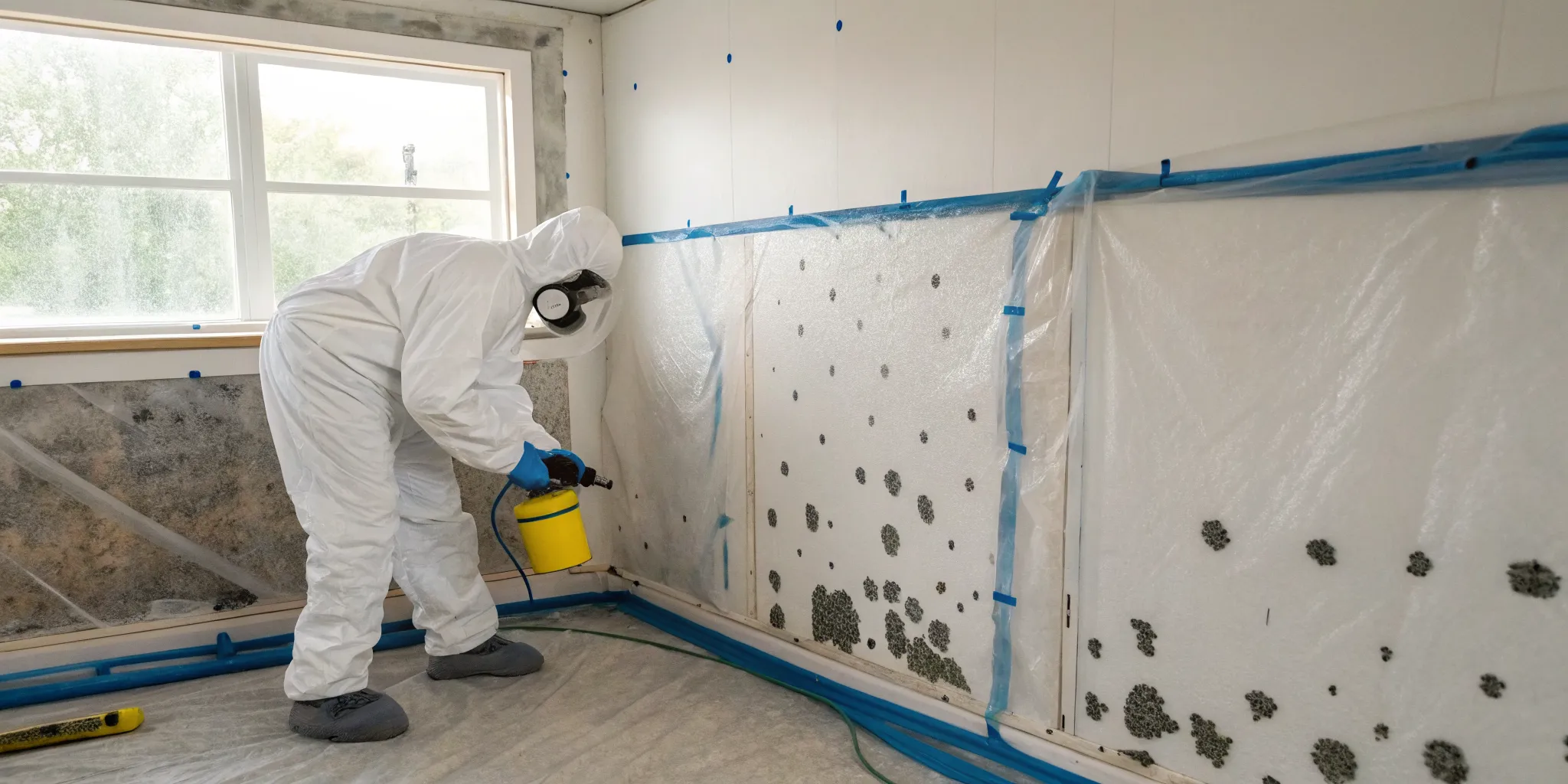
That persistent, musty smell in your basement or bathroom is more than just an annoyance; it’s often the first sign of a hidden mold problem. Mold is sneaky, thriving in dark, damp places you might not check regularly. By the time you see visible patches of black mold on a wall, the colony could be far more extensive behind the surface. Simply cleaning what you can see is like trimming a weed without removing the root. This guide will help you become a detective in your own home, teaching you how to spot the clues, understand the steps for a thorough black mold cleanup, and identify when the problem requires an expert to find and fix the hidden moisture source for good.
Key Takeaways
- Address the water problem first: Mold cannot grow without moisture, so your first step is always to find and fix the source of the water. Cleaning mold without stopping the leak or reducing humidity is only a temporary solution.
- Assess the job size before you start: You can handle small mold spots (less than 10 square feet) on hard surfaces yourself, but larger problems or mold on porous materials like drywall require professional remediation for safe and complete removal.
- Maintain a dry environment to prevent regrowth: Keep your home mold-free for the long term by controlling humidity with dehumidifiers, improving ventilation with exhaust fans, and regularly inspecting for any new leaks or dampness.
What Is Black Mold (and Why It's a Serious Concern)?
When you hear the term "black mold," it probably brings to mind some scary images. While it sounds alarming, the name is a bit of a catch-all. Many types of mold can appear black, but people are usually referring to a specific greenish-black mold called Stachybotrys chartarum. The important thing to know is that while "black mold" gets a lot of attention, it isn't necessarily more dangerous than other common indoor molds. The reality is that any type of mold growing in your home can cause problems.
Mold spores are a natural part of our environment and are floating around everywhere, both indoors and out. They are usually harmless in small amounts. The issue starts when these spores land on a wet or damp surface inside your home and begin to grow into a colony. This is when you need to think about mold removal, because a thriving mold colony releases more spores into your air, which can affect your home’s air quality and your family’s health. The color of the mold isn't as important as the fact that it's growing and spreading.
Health Risks of Exposure
If you’ve been dealing with persistent allergy-like symptoms that don’t seem to go away, mold could be the culprit. Exposure to mold spores can trigger a range of health issues, especially when you’re breathing them in day after day. Common reactions are similar to seasonal allergies and can include a runny or stuffy nose, itchy and watery eyes, a dry cough, or even skin rashes. For some, it might also lead to a sore throat, sinus issues, or wheezing. For people who already have asthma or other lung conditions, mold can make their symptoms much worse. While less common, some individuals can have more severe reactions, which is a clear sign that you need to address the mold problem right away.
Who Is Most at Risk?
While anyone can be affected by mold, some people are much more vulnerable to its effects. It’s especially important to be proactive about mold if someone in your household falls into a high-risk category. This includes infants and children, whose immune systems are still developing, and older adults. People with existing allergies or asthma are also more likely to have a strong reaction to mold spores in the air. Additionally, individuals with weakened immune systems face a greater risk. Our team at Remtech understands these risks and prioritizes creating safe living spaces for everyone, especially those most vulnerable.
Common Hiding Spots for Mold
Mold is sneaky and thrives in dark, damp places you might not check very often. If you’ve tried cleaning a patch of mold only to have it return, it’s likely because the real source is hidden from view. Surface cleaning is often just a temporary fix when the colony is growing inside walls or under flooring. Check areas where moisture is common, like under sinks, behind toilets, and around tubs or showers. Basements and crawl spaces are prime real estate for mold. Don’t forget to look for signs of past water damage, such as stained ceilings or warped walls. If you suspect a hidden issue, it's best to contact a professional who can safely investigate.
How to Spot Black Mold in Your Home
Finding mold early is the best way to stop a small problem from turning into a major headache. The good news is that mold often leaves clues you can detect with your own senses. By knowing what to look for, smell for, and where to check, you can stay one step ahead of potential growth in your home.
Visual Signs to Look For
Finding mold often starts with your eyes. Black mold, or Stachybotrys chartarum, usually shows up as splotchy patches that are dark green or black. It can look slimy or fuzzy, depending on how long it's been there and whether it has a constant water source. But don't get too hung up on the color. According to the CDC, mold can appear in a variety of colors, including white, green, or orange. The key is to look for any unusual discoloration or textured growth on your walls, ceilings, or floors, especially in areas that don't get much light or airflow. If you see something suspicious, it's worth a closer look.
The Telltale Musty Smell
Sometimes, you'll smell mold before you see it. Mold gives off a distinct odor that most people describe as musty, earthy, or damp, like the smell of wet soil or rotting leaves. This smell is caused by microbial volatile organic compounds (MVOCs), which are gases produced by the mold. If you walk into a room, especially a basement or bathroom, and are hit with that unmistakable musty scent, it’s a major red flag. The smell can be a crucial clue that points to hidden mold growth behind drywall, under carpets, or above ceiling tiles, even when there are no visible signs on the surface.
High-Risk Areas to Check
Mold loves moisture, so it’s most likely to grow in the dampest parts of your home. Certain areas are particularly susceptible to mold growth and should be on your regular inspection list. Start with the bathroom, checking around the tub, shower, and sink. In the kitchen, look under the sink and around appliances. Basements and crawl spaces are classic hiding spots due to high humidity and potential leaks. Also check around window frames where condensation collects and in the laundry room. Regularly looking for water stains or condensation in these spots can help you catch a problem early.
Your Toolkit for Black Mold Cleanup
Before you even think about scrubbing, let’s talk about getting your gear in order. Tackling black mold isn’t like your typical weekend cleaning session; it requires specific tools and protective equipment to do the job safely and effectively. Think of it as preparing for a small home improvement project. Gathering everything you need upfront will make the process smoother and, more importantly, help protect you from breathing in harmful spores. Having the right toolkit is your first line of defense, so don’t be tempted to cut corners here. We’ll walk through the essential gear, the right cleaning agents, and how to prep your space to contain the mess and keep your family safe.
Essential Protective Gear (PPE)
Your health is the absolute top priority. Please don’t attempt any mold cleanup without the proper personal protective equipment (PPE). Mold spores can be harmful when inhaled, and some people can have strong reactions to them. The CDC has clear guidelines on this, and for good reason.
Here’s your non-negotiable shopping list:
- N95 Mask: This is the minimum you should wear to cover your mouth and nose. For larger jobs, a half-face respirator offers even better protection.
- Goggles: Get the kind that fully covers your eyes to shield them from dust and mold particles.
- Gloves: Choose gloves made from vinyl, nitrile, or rubber. Standard latex gloves might not be enough.
The Right Cleaning Supplies
Once you’re suited up, you need the right supplies to actually kill the mold. For hard, non-porous surfaces like tile or sealed countertops, you have a few options. You can use a commercial mold removal product, simple hot soapy water, or a bleach solution (use no more than 1 cup of bleach per gallon of water). A quick but important safety note: never mix bleach with other cleaning products, especially ammonia, as it can create toxic gas.
For soft or porous items like carpet, drywall, or insulation, the story is different. If these materials have mold on them, they almost always need to be removed and discarded. It’s nearly impossible to completely clean mold out of them, making professional mold removal the safest bet.
How to Prep Your Workspace Safely
Prepping your workspace is all about containment. The last thing you want is to send mold spores flying into other areas of your home. Before you start scrubbing, make sure you’ve taken a few key steps. First, ensure the area is well-ventilated by opening windows or using fans that point outdoors (and away from clean rooms). If you can, seal off the room from the rest of the house using plastic sheeting and tape over doorways and vents. This helps keep the spores confined to one area. Taking these extra minutes to prepare the space can save you a much bigger headache later. For more home safety tips, you can always check our resource library.
A Step-by-Step Guide to Cleaning Black Mold
If you've found a small, manageable area of mold, you might be considering cleaning it yourself. Tackling a small patch of mold on a hard, non-porous surface is one thing, but a larger infestation requires a careful, methodical approach to ensure you remove it safely and effectively. This guide walks you through the fundamental steps for cleaning mold, but remember that your safety should always come first. For any mold problem larger than about 10 square feet, or if you suspect it's in your HVAC system, your best and safest option is to call for professional mold removal. Professionals have the right equipment and expertise to handle extensive contamination without spreading spores throughout your home.
Step 1: Find and Fix the Moisture Source
Before you even think about scrubbing, you have to play detective. Mold needs moisture to grow, so your first job is to find where that moisture is coming from and stop it. Check for leaky pipes under sinks, condensation on windows, a damp basement, or poor ventilation in your bathroom. Simply cleaning the mold without fixing the underlying water problem is a temporary fix at best. The mold will almost certainly return. The U.S. Environmental Protection Agency (EPA) emphasizes that controlling moisture is the key to controlling mold. Once you've repaired the leak or improved the ventilation, you can move on to the cleanup.
Step 2: Contain the Area
Mold spores are microscopic and can easily travel through the air to other parts of your home. To prevent this, you need to isolate the contaminated area. Close any doors leading to other rooms and use heavy plastic sheeting to seal off doorways or openings. If you have a central heating or air conditioning system, turn it off to avoid circulating spores throughout your house. This step is crucial for preventing a small mold problem from turning into a whole-house issue. Containing the workspace protects your family and makes the final cleanup much more effective.
Step 3: Remove and Bag Contaminated Items
Some materials are nearly impossible to clean once mold has taken root. Porous items like drywall, carpet, ceiling tiles, and insulation act like sponges, allowing mold to grow deep inside. If these materials are moldy, the most reliable solution is to remove and discard them. Carefully cut away the affected sections, plus a small border of clean material around them. Place all contaminated debris into heavy-duty plastic bags, seal them tightly, and remove them from your home immediately. Don't try to salvage these items, as hidden mold can continue to cause problems.
Step 4: Scrub the Affected Surface
Once you've removed all the porous materials, it's time to clean the remaining non-porous surfaces like wood, concrete, or tile. Start with a simple solution of household detergent and water. Use a stiff brush or sponge to scrub the mold off the surface. There's no need for harsh chemicals like bleach in most cases; a thorough scrubbing is what does the work. Be firm but gentle enough that you don't damage the surface. After scrubbing, wipe the area clean with a damp cloth to remove any lingering residue and spores.
Step 5: Thoroughly Dry the Area
This step is just as important as the first one. Any remaining moisture will invite mold to grow right back. After you've finished cleaning, make sure the entire area is completely dry. Use fans to circulate air, open windows if the weather permits, or run a dehumidifier to pull moisture out of the air and surrounding materials. The area should feel dry to the touch before you consider the job done. This might take a day or two, but patience here will pay off by preventing immediate regrowth.
Step 6: Safely Dispose of Materials
Proper disposal is key to preventing re-contamination. Everything that came into contact with the mold should be considered contaminated. This includes the plastic sheeting you used for containment, the sponges and brushes you scrubbed with, and your personal protective equipment (like masks and gloves). Place all of these items in sealed, heavy-duty plastic bags. Check with your local waste management guidelines for any specific rules on disposing of moldy materials, but in most cases, they can be thrown out with your regular trash.
Step 7: Monitor for Any Regrowth
After all your hard work, the last thing you want is to see mold reappear. For the next few weeks, keep a close eye on the area you cleaned. Check for any new discoloration or musty smells, especially after a period of high humidity or heavy rain. If you spot any new growth, it could mean you either missed some of the original mold or the moisture issue wasn't fully resolved. Consistent monitoring helps you catch any new problems early before they have a chance to spread again.
Is DIY Black Mold Removal a Good Idea?
When you find mold in your home, your first instinct might be to grab some bleach and a scrub brush. I get it, tackling a problem head-on feels productive, and doing it yourself can seem like a great way to save money. But when it comes to black mold, the DIY route isn't always the safest or most effective path. The decision to clean it yourself or call in a professional really depends on a few key factors: the size of the affected area, the type of material it’s growing on, and whether you have a recurring problem.
While a tiny spot of mold on your shower tile might be a simple weekend fix, a larger colony or one that keeps coming back often points to a much bigger issue hiding out of sight. Improperly handling a significant mold problem can not only fail to fix the issue but can also release a flood of spores into your home's air, potentially spreading the contamination and creating a health hazard. Before you start any cleanup, it’s important to honestly assess the situation to protect your home and your family’s health.
When a DIY Approach Might Work
You might be able to handle mold cleanup on your own in very specific situations. According to the EPA, if the moldy patch is small, meaning less than 10 square feet (think a 3-foot by 3-foot area), a DIY approach is generally considered manageable. This guideline applies to mold found on hard, non-porous surfaces like glass, metal, or glazed tiles. For a small job like this, you can use a detergent and water solution to scrub the mold away. Just be sure you’re wearing protective gear, including an N-95 respirator, gloves, and goggles, to keep yourself safe from inhaling spores.
The Limits of DIY Cleanup
If the mold covers an area larger than 10 square feet, it’s time to step back and call for professional help. A large infestation is often a sign of a significant underlying moisture problem that you may not be equipped to handle. Furthermore, if you notice mold keeps returning to the same spot after you’ve cleaned it, that’s a major red flag. This usually means the mold is growing from inside the walls, under the flooring, or in another hidden area. Simply cleaning the surface is like trimming a weed; the roots remain, and it will grow back. Disturbing a large colony without professional containment can also make your air quality much worse.
Handling Porous Materials That Can't Be Cleaned
One of the biggest mistakes I see homeowners make is trying to clean mold off of porous materials. Things like drywall, carpet, ceiling tiles, insulation, and upholstery act like sponges. When mold grows on them, its roots, called hyphae, dig deep into the material. You can scrub the surface all day, but you’ll never remove the mold completely. The EPA’s guidance is clear: these items must be carefully removed, bagged, and thrown away. Trying to salvage them is often a losing battle that can leave behind enough mold to start a new colony. If you're unsure what can be saved, getting a professional mold removal assessment is your safest bet.
Staying Safe During Mold Cleanup
Tackling a mold problem yourself requires more than just a sponge and some cleaner; it demands a serious commitment to safety. Mold spores can easily become airborne during cleanup, posing health risks if inhaled. Before you even think about scrubbing, your first priority should be protecting yourself, your family, and your home from further contamination. Following proper safety protocols isn't just a good idea, it's an essential part of the process. These steps will help you manage the cleanup safely and effectively, minimizing your exposure and preventing the mold from spreading to other areas of your home.
Always Wear Protective Gear
Never underestimate the importance of personal protective equipment (PPE) when dealing with mold. Your first line of defense is an N95 respirator mask, which is designed to filter out tiny mold spores and prevent you from breathing them in. You'll also need gloves made of vinyl, nitrile, or rubber (not latex) to protect your skin from direct contact. Finally, wear goggles that create a seal around your eyes to keep out dust and spores. Touching or inhaling mold can lead to irritation and allergic reactions, so gearing up properly is a non-negotiable step before you begin any cleanup work.
Ensure Proper Ventilation
Working in a well-ventilated space is crucial for your safety. Open up any windows and doors in the room to get fresh air circulating. This helps dilute the concentration of airborne mold spores that get kicked up during cleaning. It also helps clear out any fumes from the cleaning products you might be using. If the room doesn't have windows, use fans to direct air out of the space (and away from other parts of your house). Proper airflow is a simple but powerful tool for creating a safer work environment and is a key part of any professional mold removal project.
Protect Others in Your Home
During the cleanup process, the area should be off-limits to anyone not directly involved and not wearing PPE. This is especially important for children, pets, elderly family members, and individuals with asthma, allergies, or compromised immune systems. These groups are more vulnerable to the health effects of mold exposure. To be extra safe, have them stay in another part of the house or even elsewhere until the cleanup and airing-out process is completely finished. Your goal is to solve a health hazard, not create a new one for the people you care about.
How to Prevent Spreading Mold Spores
It might feel natural to scrub aggressively at a mold patch, but this can backfire. Scrubbing too hard can release a cloud of mold spores into the air, allowing them to travel and settle in new areas of your home. Instead, use a gentle, deliberate motion when cleaning the affected surface. The goal is to remove the mold without disturbing it more than necessary. This careful technique helps contain the contamination to one spot and is a critical step in preventing a small mold problem from turning into a much larger one.
When to Call a Professional for Mold Removal
Tackling a home project yourself can feel empowering, but when it comes to mold, knowing your limits is crucial for your health and your home’s integrity. While a small spot of mildew on your shower grout might be a simple weekend fix, significant mold growth requires a different level of intervention. Let’s be honest, some jobs are just too big, too risky, or too complex for a DIY approach. Calling a professional isn’t admitting defeat; it’s making a smart, strategic decision to protect your biggest investment and the people inside it. Understanding when to pass the torch to an expert ensures the problem is handled correctly the first time, preventing future headaches and giving you true peace of mind.
Signs the Job Is Too Big for DIY
So, how do you know when it’s time to call for backup? A good rule of thumb from the EPA is if the moldy area is larger than 10 square feet, it's best to get professional help. A patch that big often signals a more serious underlying moisture issue that a simple scrub won’t solve. You should also step back if you or anyone in your household has health concerns like asthma, allergies, or a compromised immune system. The CDC warns that exposure can make these conditions worse. Finally, if you’ve cleaned the mold yourself and it keeps returning, that’s a major red flag. Persistent mold points to a hidden problem, like a leak inside a wall, that requires expert investigation and professional mold removal.
What to Expect from Professional Remediation
When you hire a professional team, you’re investing in a comprehensive and lasting solution. Experts arrive with specialized equipment, like air scrubbers and moisture meters, and follow strict industry guidelines to get the job done safely. Their first step is to find and fix the source of the moisture, which is the key to preventing regrowth. They will then contain the affected area to stop spores from spreading to other parts of your home during cleanup. You can expect a thorough process where contaminated materials are safely removed and the area is meticulously cleaned and dried. Reading customer testimonials can give you confidence that you're hiring a team with proven experience and a commitment to safety.
How to Keep Black Mold from Coming Back
After all the effort of cleaning up black mold, the last thing you want is for it to return. The good news is that preventing regrowth is entirely possible with a few consistent habits. Mold needs moisture to survive, so the core of any prevention strategy is controlling water and humidity in your home. Think of it as creating an environment where mold simply can’t get a foothold. It’s about being proactive rather than reactive, and it puts you back in control of your home's health. You don't need to be an expert, you just need to be observant.
Once you’ve had a professional mold removal, you're starting with a clean slate. This is the perfect time to implement a prevention plan. You can focus on simple, ongoing maintenance to protect your home and family from future issues. This involves managing your indoor climate, staying on top of repairs, ensuring good airflow, and making smart choices about the materials you use in your home. These aren't complicated tasks; they're small adjustments to your household routine that make a huge difference. By building these practices into your routine, you can keep your living space healthy and mold-free for the long haul. Below, we'll walk through the most effective steps you can take to make sure that black mold stays a problem of the past.
Control Your Home's Humidity
Mold thrives in damp conditions, so managing your home's humidity is your first line of defense. Your goal should be to keep the humidity level below 50% throughout the day. An inexpensive tool called a hygrometer can measure the moisture in your air, taking the guesswork out of it. In North Carolina's humid climate, you'll likely need some help. Running your air conditioner is a great start, but a dedicated dehumidifier is even better for consistently keeping moisture levels down, especially in basements and crawl spaces. According to health experts, maintaining this low humidity level is a critical step in preventing mold growth.
Address Leaks and Water Damage Immediately
A tiny drip can quickly turn into a major mold problem. That's why finding and fixing the source of any moisture is the single most important thing you can do to stop mold from returning. Be vigilant about checking for leaks under sinks, around toilets and tubs, near windows, and in your attic after a heavy rain. If you spot water stains on your ceiling or walls, don't just paint over them. Investigate the cause right away. A quick repair to a leaky pipe or a damaged roof can save you from another round of extensive mold cleanup. If you find water damage and need help, you can contact our team for a rapid response.
Improve Your Home's Ventilation
Stagnant, moist air is an open invitation for mold. Improving your home's ventilation helps moisture escape before it can cause problems. Pay special attention to high-moisture areas like your bathroom, kitchen, and laundry room. Always use the exhaust fan when you shower or cook, and let it run for about 30 minutes afterward to clear the air. If you don't have a fan, opening a window can help. The US EPA recommends increasing airflow to stop mold from coming back in damp places. Simple things like opening closet doors and not pushing furniture right up against walls can also improve air circulation throughout your home.
Choose Mold-Resistant Building Materials
If you're planning a renovation or need to repair water-damaged areas, you have a great opportunity to build in extra protection against mold. When replacing drywall, look for products specifically labeled as mold-resistant or moisture-resistant. These materials are designed to discourage mold growth, even if they get damp. For painting, especially in bathrooms or basements, consider using paint that contains mold inhibitors. This adds an extra layer of defense right on the surface. While these materials might cost a little more upfront, they are a smart investment in the long-term health of your home. You can find more home maintenance tips in our resource library.
Perform Regular Moisture Checks
Make it a habit to regularly inspect your home for signs of moisture. A quick monthly check can help you catch potential problems before they escalate. Walk through your home and look for damp spots, condensation, or discoloration on walls, ceilings, and floors. Pay close attention to areas where water is common, like under sinks in the kitchen and bathrooms, around the base of your toilets, and near your water heater and washing machine. Also, check your basement or crawl space for any signs of dampness or musty smells. If you find a problem area during your check, it's important to address it before mold can grow. Our professional team is always here to help if you uncover an issue.
Get Professional Black Mold Help in North Carolina
Finding black mold in your home is unsettling, and it's smart to question whether you should handle it yourself. While small spots on a hard surface might seem manageable, extensive mold growth is a different story. Professional mold remediation is often the safest and most effective solution, especially when dealing with something as persistent as black mold. It’s about more than just cleaning what you can see; it’s about ensuring the problem is gone for good and won't compromise your home's air quality or your family's health.
So, what does a professional bring to the table? A certified team doesn't just scrub the mold away. They use specialized equipment to find the hidden moisture source that’s feeding the growth in the first place. They also establish containment zones to prevent spores from spreading to other parts of your house during removal. Exposure to black mold can lead to serious health issues, so having experts who follow strict safety protocols is crucial for protecting everyone in your home. This comprehensive approach ensures the mold is completely and safely eliminated.
When you're looking for help in North Carolina, choosing a local company makes a big difference. Professionals in our state understand how the local climate and humidity contribute to mold problems. When vetting companies, make sure they are certified by an organization like the Institute of Inspection, Cleaning and Restoration Certification (IICRC). This certification means they adhere to the highest industry standards for remediation. At Remtech Environmental, our team is trained to handle mold issues specific to homes and businesses throughout Raleigh, Durham, and the surrounding communities.
A professional service should start with a thorough inspection to assess the scope of the problem. From there, the process typically involves containing the area, removing the mold and any contaminated materials, and cleaning the air. Our goal at Remtech Environmental is to restore your home to a safe, healthy state with minimal disruption. If you suspect you have a mold problem in your North Carolina home, don't wait for it to get worse. Reaching out for a professional assessment is the first step toward peace of mind.
Related Articles
- Is it Safe to Do Your Own Black Mold Removal?
- Black Mold Removal: Quickly and Effectively Protect Your Home
- Black Mold Removal, Greensboro, NC
- Common Problems With DIY Mold Removal Methods
- Mold Removal, Winston-Salem, NC
Frequently Asked Questions
Is black mold really more dangerous than other kinds of mold? While "black mold" gets a lot of attention, the truth is that any type of mold growing inside your home is a concern. The color of the mold isn't as important as the fact that it's present and releasing spores into your air. All molds have the potential to cause allergy-like symptoms and other health issues, so the focus should always be on safely removing the growth and fixing the moisture problem, regardless of the mold's color or type.
I smell that musty odor but can't find any mold. What's my next step? That distinct, earthy smell is a major clue that you have mold hiding somewhere. Since mold thrives in dark, damp places, start by checking behind appliances, under sinks, in the back of closets, and in your basement or crawl space. If you've looked in all the usual spots and still can't find the source, it's a good idea to call a professional. They have specialized tools, like moisture meters, that can detect hidden water and mold inside walls or under floors without causing unnecessary damage.
Can I just use bleach to kill the mold and then paint over it? This is a common approach, but it's one I strongly advise against. First, simply painting over mold doesn't solve the problem. The mold is still alive underneath, and it will continue to grow and eventually eat through the new paint. More importantly, you haven't addressed the moisture issue that allowed the mold to grow in the first place. You need to fix the source of the water and properly remove the mold for a lasting solution.
If the mold is on drywall, can I just clean the surface? Unfortunately, no. Drywall is a porous material, which means it's like a sponge. When you see mold on the surface, its roots (called hyphae) have already grown deep into the drywall itself. Scrubbing the surface might make it look better temporarily, but it won't remove the growth within the material. The only effective way to handle moldy drywall is to have it carefully cut out, removed, and replaced.
What makes professional mold remediation different from a thorough cleaning? A thorough cleaning involves scrubbing a surface to remove visible mold. Professional remediation is a much more comprehensive process. A certified team will start by finding and fixing the moisture source to prevent regrowth. They then set up containment barriers to stop spores from spreading during the work, safely remove all contaminated materials, and use special equipment like air scrubbers to clean the air itself. It’s a complete solution designed to restore a healthy environment, not just a cosmetic fix.