
Planning a home renovation is exciting, but pulling up old, dated flooring can reveal some unwelcome surprises. If you have tiles that look like they’re from the 1970s or earlier, it’s smart to pause before you start demolition. Those 9x9-inch tiles, in particular, could contain asbestos. Disturbing them without the right precautions can release harmful fibers into the air, creating a health hazard throughout your home. Before you pick up a crowbar, it’s essential to understand the risks and the proper procedures. This article will help you identify the warning signs and explain why professional asbestos floor tile removal is often the safest and only legal path forward for protecting your family’s health.
Key Takeaways
- Know the Warning Signs: Flooring in homes built before the mid-1980s, especially 9x9-inch tiles, often contains asbestos. While these clues suggest a risk, professional lab testing is the only way to be certain.
- Understand the Real Risk: Asbestos flooring is most dangerous when it's disturbed or damaged. Activities like sanding, drilling, or removing cracked tiles can release microscopic fibers into the air, creating a serious health hazard.
- Always Hire a Certified Professional: Asbestos abatement is not a DIY project due to significant health risks and specific North Carolina regulations. A licensed contractor will help you choose the right solution, like removal or encapsulation, while ensuring the entire process is safe and legal.
What Are Asbestos Floor Tiles?
If you own an older home, you might have heard about asbestos floor tiles. Simply put, these are flooring tiles made with asbestos, a natural mineral known for its strength and resistance to heat. Because of these qualities, it was a go-to material for decades in the construction industry. You’ll often find these tiles in kitchens, basements, hallways, and bathrooms in both residential and commercial buildings. While the word "asbestos" can sound intimidating, understanding what it is and why it was used is the first step toward handling it safely. The presence of these tiles doesn't automatically mean danger, but it does mean you need to be careful, especially if they are damaged.
Why Was Asbestos Used in Flooring?
It might seem strange now, but asbestos was once considered a miracle material for construction. Manufacturers added it to floor tiles for a few key reasons: it made them incredibly durable, resistant to fire, and provided good insulation. On top of that, it was inexpensive to source and produce. This combination made asbestos an attractive choice for creating long-lasting, affordable flooring that could withstand heavy foot traffic and potential fire hazards. From the 1920s onward, it became a standard component in vinyl, asphalt, and rubber floor tiles, which is why it’s so common in buildings from that era.
When Were Asbestos Floor Tiles Common?
Knowing the age of your home can be a big clue. Asbestos floor tiles were most popular from the 1920s through the late 1970s. If your house was built or had its floors installed during this period, there's a reasonable chance you have them. After the health risks became widely known, the use of asbestos in building materials dropped off sharply around 1980. However, some companies continued to use their existing stock, so you can still find flooring that contains asbestos in homes built as late as 1986. This timeline is a great starting point for your initial assessment.
How to Tell if You Have Asbestos Floor Tiles
Figuring out if your floor tiles contain asbestos can feel like a mystery, especially in an older home. While you can't be certain without professional testing, there are several clues you can look for. Paying attention to the age of your home, the appearance of the tiles, and any visible damage can give you a good idea of whether you should call in an expert.
Identify Visual Clues and Age Indicators
The age of your house is one of the biggest hints. Asbestos was a popular ingredient in flooring from the 1920s through the 1980s. If your home was built or renovated during this period, there’s a chance your flooring contains it. Pay close attention to 9x9-inch tiles, as this was a very common size for asbestos flooring, though 12x12 and 18x18-inch tiles could also contain it. You might also notice an oily look on asphalt tiles or see that older vinyl tiles have become brittle. The black mastic adhesive used to glue the tiles down sometimes contained asbestos as well.
Spot Damage That Needs Immediate Attention
Intact asbestos flooring is generally stable, but the danger begins when it gets damaged. If you see tiles that are cracked, chipped, or breaking apart, they could be releasing microscopic asbestos fibers into the air. Breathing these fibers is a serious health risk. Any activity that disturbs the tiles, like sanding, drilling, or trying to pull them up, can create hazardous dust. If your flooring shows these signs of wear, it’s important to limit activity in that area. This is when you should consider getting a professional asbestos inspection to assess the situation safely.
Confirm It's Asbestos with Professional Testing
Visual clues are helpful, but they aren't foolproof. The only way to know for sure if your flooring contains asbestos is to have it professionally tested. A certified inspector can take a small, safe sample of the tile and the adhesive underneath. They send it to a lab for analysis, which gives you a definitive answer and removes all the guesswork. Getting a professional test is the most reliable way to protect your family and make an informed decision about your home. If you suspect you have asbestos, it's best to contact a professional before attempting any renovations.
Understand the Health Risks of Asbestos Flooring
It’s one thing to know you have asbestos flooring, but it’s another to understand what that means for your family’s health. The word "asbestos" can be scary, and for good reason. These materials were used for decades before we fully understood the serious risks they pose. The danger isn't in just having the tiles in your home; it's about what happens when those tiles get disturbed. Let's walk through when asbestos is a threat and the long-term health consequences of exposure.
When Are Asbestos Tiles Actually Dangerous?
The good news is that asbestos floor tiles that are in good condition and left alone are generally not an immediate hazard. The danger comes when the tiles become damaged or disturbed, releasing tiny, sharp asbestos fibers into the air. These fibers are too small to see, have no scent, and can hang in the air for hours.
So, when does this happen? Any activity that breaks the surface of the tile can be a problem. This includes sanding, drilling, sawing, or trying to pry them up during a renovation. Even tiles that are cracked, crumbling, or breaking down due to age can release fibers. If your flooring shows signs of damage, it's important to limit access to the area and get a professional asbestos inspection.
Long-Term Health Conditions from Asbestos Exposure
When you breathe in asbestos fibers, they can get trapped in your lungs and stay there for a lifetime. Over time, these fibers can cause inflammation and scarring that leads to severe health problems. What’s particularly concerning is the long latency period; it can take 20 to 50 years after exposure for diseases to develop.
Exposure to asbestos is linked to several serious and often fatal conditions. These include asbestosis, a chronic lung disease that causes breathing difficulties, and lung cancer. The most well-known asbestos-related disease is mesothelioma, a rare and aggressive cancer that affects the lining of the lungs, abdomen, or heart. There is no safe level of asbestos exposure, which is why handling these materials requires extreme care and professional expertise.
Removal vs. Encapsulation: Which Is Right for You?
When you discover asbestos tiles in your home, you face a critical decision: should you remove them or seal them away? This choice boils down to two professional methods, removal and encapsulation. Removal is exactly what it sounds like, the complete and permanent extraction of asbestos-containing materials from your property. Encapsulation, on the other hand, involves sealing the asbestos flooring to prevent harmful fibers from escaping into the air. There isn't a single right answer for every situation. The best path forward depends on the current condition of your tiles, your budget, and your future plans for your home.
For example, if your tiles are significantly damaged, cracked, or crumbling, the fibers are more likely to become airborne, making removal the only safe option. But if the tiles are in solid condition and not showing signs of wear, encapsulation can be a perfectly safe, effective, and more affordable alternative. It’s a less disruptive process that contains the hazard without the extensive work of a full removal. Understanding the specifics of each approach, including the costs, long-term implications, and what the process looks like, is the first step toward making a confident and safe choice for your home and family.
What Is Asbestos Encapsulation?
Asbestos encapsulation is a method of sealing the asbestos-containing material so that its dangerous fibers cannot be released into the air. Think of it as creating a protective barrier. If your asbestos tiles are in good condition, meaning they aren't cracked or breaking apart, this is often a safer and more cost-effective solution than removal. The process typically involves applying a special, durable sealant over the tiles. In some cases, professionals can install new flooring, like vinyl or carpet, directly over the sealed asbestos tiles. This approach minimizes disturbance and keeps the asbestos safely contained, providing a secure and stable solution without the complexity of a full asbestos abatement project.
What to Expect from Professional Removal
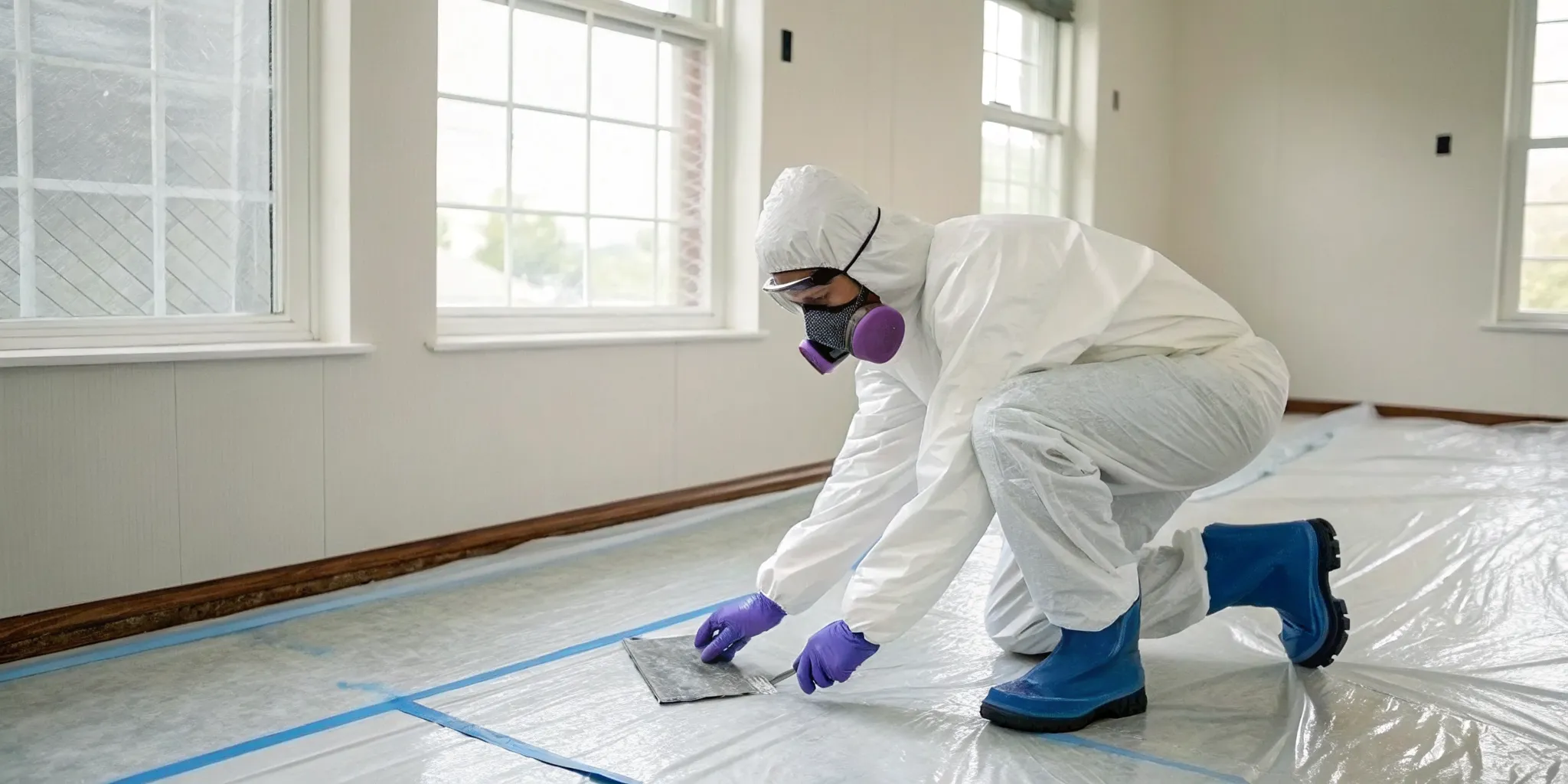
If encapsulation isn't an option, professional removal is the definitive way to eliminate the hazard. This process is highly regulated for a reason, and it’s not a DIY job. When you hire certified professionals, they follow strict safety protocols to protect your home. The team will start by completely sealing off the work area with plastic sheeting to prevent cross-contamination. They use wet methods and specialized vacuums to keep asbestos dust from becoming airborne during removal. Throughout the process, they conduct air monitoring to ensure the environment remains safe. Finally, the asbestos-containing materials are carefully packaged and transported for proper disposal according to federal and state regulations, ensuring the hazard is gone for good.
Decide Between Removal and Encapsulation
So, how do you choose? The decision really hinges on the condition of your flooring. If the tiles are damaged, crumbling, or you’re planning a major renovation that would disturb them, removal is the necessary choice. Damaged tiles pose an immediate risk, and they must be handled by a professional. However, if your tiles are intact and you simply want to update your flooring, encapsulation is an excellent alternative. It’s less invasive and often more budget-friendly. The best way to know for sure is to get a professional opinion. An expert can assess the state of your tiles and help you weigh the pros and cons for your specific situation. You can always contact a professional for an inspection.
Compare the Costs of Each Option
Budget is a practical concern for any home project, and the cost difference between encapsulation and removal can be significant. Generally, encapsulation is the more affordable option. This is because it’s a less labor-intensive process that doesn't require the same level of containment, specialized equipment, and hazardous waste disposal fees associated with full removal. Simply covering asbestos tiles with a new layer of flooring is often the cheapest and safest route if the tiles are in good shape. While removal costs more upfront, it permanently eliminates the liability and future concerns associated with asbestos, which can be a worthwhile investment for some homeowners. Ultimately, you'll want to get quotes for both options to make an informed financial decision.
Consider the Long-Term Effects of Encapsulation
Encapsulation can be a great long-term solution, but it’s important to remember that the asbestos is still there. The sealed material is safe as long as it remains undisturbed. However, this can have future implications. For instance, you will likely need to disclose the presence of encapsulated asbestos if you decide to sell your home. Additionally, any future renovations that might impact the flooring will require special care to avoid disturbing the sealed asbestos. Removal, by contrast, offers complete peace of mind because the hazard is permanently gone. There are no future disclosure requirements or renovation worries. Our Resource Library has more guides to help you understand these long-term factors.
Know the Legal Rules for Asbestos Removal
Dealing with asbestos isn't just a safety issue; it's also a legal one. Federal, state, and local governments have strict rules in place to protect public health and the environment from asbestos exposure. Before you start any project involving asbestos-containing materials, it’s important to understand the regulations you need to follow. These laws dictate how asbestos must be handled, removed, and disposed of, and failing to comply can lead to significant fines and health risks. For homeowners, this means that asbestos removal is rarely a DIY job. It requires careful planning and adherence to a specific legal framework.
Federal Regulations to Follow
On a national level, the U.S. Environmental Protection Agency (EPA) sets the primary rules for asbestos. The main regulation affecting home renovations is the National Emission Standards for Hazardous Air Pollutants (NESHAP). This rule applies to renovations and demolitions that could disturb asbestos. According to the NESHAP, you are required to notify the EPA or your state's delegated authority before starting any project that involves a certain amount of asbestos-containing material. The goal is to ensure that asbestos fibers are not released into the air during the work. You can learn more about the federal requirements on the EPA's asbestos page.
North Carolina's Specific Rules
In addition to federal laws, North Carolina has its own specific regulations overseen by the Department of Health and Human Services (DHHS). One of the most important rules for homeowners is that any work involving the removal or disturbance of asbestos must be performed by a state-accredited asbestos contractor. This isn't a suggestion; it's a requirement designed to ensure safety. Before work begins, your contractor must also notify the North Carolina Division of Air Quality (DAQ). The state has detailed guidelines for every step of the process, from handling the material to its final disposal. These state-specific asbestos rules are why hiring a local, licensed professional is so critical.
Handle Permits and Proper Disposal
Before any asbestos removal can begin, you or your contractor will likely need to secure permits from your local city or county government. This ensures the project is documented and follows local ordinances. Once the asbestos is removed, it can't just be thrown in a regular dumpster. Asbestos is considered hazardous waste and requires special handling. Federal and state laws mandate that it must be taken to a landfill specifically licensed to accept it. Proper asbestos waste management involves wetting the materials, sealing them in leak-proof containers, and labeling them clearly. A professional abatement company will handle all of these disposal logistics for you, ensuring everything is done safely and legally.
Can You Remove Asbestos Floor Tiles Yourself?
When you discover you might have asbestos flooring, the first question that often comes to mind is, "Can I just remove this myself?" It's a fair question, especially if you're a hands-on homeowner used to tackling projects. However, asbestos removal is one job where the DIY approach carries serious health and legal risks. Before you pick up a single tool, it’s critical to understand what’s at stake.
The Risks of DIY Asbestos Removal
Asbestos floor tiles are generally considered safe as long as they are intact and in good condition. The danger arises when these materials are disturbed. Breaking, scraping, or sanding the tiles releases microscopic asbestos fibers into the air. Once airborne, these tiny fibers can be easily inhaled, and this is where the real health risks begin.
Problems from breathing in asbestos often don't appear for many years, but even a small exposure can be risky. A DIY removal attempt can accidentally send these dangerous fibers throughout your home, contaminating your HVAC system, furniture, and even electronics. This not only puts you at risk but also anyone else living in the house. For this reason, it's always best to have trained professionals handle asbestos abatement to ensure the material is managed safely and effectively.
What North Carolina Law Says About DIY Removal
Beyond the health hazards, you also need to consider the legal requirements. Many regulations are in place to prevent improper asbestos removal, and North Carolina has its own specific rules. For example, if you plan to remove more than 160 square feet of asbestos-containing flooring, state law requires you to notify the proper authorities before any work begins.
These laws exist to protect both you and the public from exposure and to ensure that asbestos waste is disposed of correctly. Failing to follow these procedures can lead to fines and legal trouble. Working with a certified contractor ensures your project complies with all state and federal regulations. A local expert will be familiar with the requirements in your area and can handle the necessary permits and notifications, giving you peace of mind that the job is done right.
A Look at the Professional Abatement Process
When you hire a professional team for asbestos abatement, you’re not just paying for removal. You’re investing in a meticulous, multi-step process designed to protect your family’s health and your home’s environment. It’s a systematic approach that leaves no room for error. From the initial inspection to the final air test, every action is deliberate and follows strict safety protocols. This isn't a simple weekend project; it's a specialized service that requires certified expertise and advanced equipment.
A qualified team will walk you through what to expect, but it helps to have a clear picture of the process beforehand. The work area will be completely sealed off from the rest of your house, creating a contained, negative-pressure environment to ensure no asbestos fibers can escape. The technicians themselves will be in full protective gear, which can look intimidating but is a critical part of their safety and yours. They use specific techniques to handle and remove the asbestos-containing materials without releasing dangerous dust. Finally, they manage the proper, legal disposal of the hazardous waste. Understanding these steps can give you confidence that the job is being done right.
Step 1: Inspect and Test the Area
The very first step is to know exactly what you’re dealing with. Because asbestos was mixed into so many building materials, it’s nearly impossible to identify by sight alone. A professional will conduct a thorough inspection of your flooring and any other suspected materials. They will carefully take small samples to send to an accredited lab for analysis. This testing is the only way to confirm the presence and type of asbestos. The results of this test will inform the entire plan for removal, helping the team determine the safest and most effective asbestos abatement strategy for your specific situation. This initial step ensures you’re making decisions based on facts, not guesswork.
Step 2: Set Up Containment and Safety Measures
Once asbestos is confirmed, the team’s top priority is containment. This is where you’ll see true professionals at work. They will seal off the entire work area with heavy-duty plastic sheeting, creating an airtight enclosure. Doors, windows, and HVAC vents will be sealed to prevent cross-contamination to other parts of your home. They also set up a negative air pressure system with HEPA (High-Efficiency Particulate Air) filters. This specialized equipment ensures that air flows into the contained area but not out, capturing any stray fibers. The team’s commitment to these rigorous safety protocols is what separates a certified contractor from a standard handyman and is essential for protecting your home.
Step 3: Safely Remove and Dispose of Materials
With containment in place, the removal begins. Technicians wearing full personal protective equipment (PPE), including respirators and disposable coveralls, will enter the sealed area. They use methods designed to minimize dust, such as wetting the asbestos tiles before removal. This simple step helps keep the harmful fibers from becoming airborne. All removed materials and debris are immediately placed into specially labeled, leak-proof bags. These bags are often double-bagged and sealed securely before being taken out of the containment zone through a decontamination chamber. Proper disposal is just as regulated as removal, and a certified team handles all the logistics of transporting the waste to an approved hazardous materials landfill.
Step 4: Test Air Quality After Removal
After all the asbestos-containing materials are gone and the area has been thoroughly cleaned with HEPA vacuums, the job still isn't finished. The final, crucial step is air clearance testing. A third-party industrial hygienist will take air samples from inside the contained area to test for any remaining asbestos fibers. The containment barriers are not taken down until the lab results confirm that the air quality meets or exceeds safety standards. This final check provides you with documented proof that the abatement was successful and your home is safe to reoccupy. If you have any concerns about asbestos in your home, the best first step is to schedule a consultation with a certified professional.
Prepare Your Home for Professional Removal
Once you’ve hired a professional team for asbestos abatement, you might be wondering what comes next. Taking a few simple steps to prepare your home can make the entire process smoother for everyone involved. Think of it as setting the stage for a safe and efficient removal. Your contractor will handle the heavy lifting and technical work, but your cooperation ensures your home and belongings stay protected and the project stays on track. Here’s how you can get your space ready for the professionals.
Clear the Area of Your Belongings
Before the crew arrives, the most helpful thing you can do is clear the room where the asbestos tiles are located. Remove all furniture, rugs, curtains, plants, and any other personal items from the space. While the professionals will set up containment barriers, moving your things out of the way entirely is the best way to protect them from dust and damage. It also gives the team an unobstructed area to work, which helps them perform the removal safely and efficiently. If you have large or heavy furniture you can’t move on your own, discuss this with your contractor ahead of time to make a plan.
Seal the Work Area and Turn Off Your HVAC
Your professional abatement team will create a fully sealed work zone to prevent any cross-contamination. This involves using heavy plastic sheeting to cover doorways, windows, and any other openings. They will also seal off all air vents in the area. One of the most critical steps you’ll need to take is to shut down your home’s heating, ventilation, and air conditioning (HVAC) system. Turning it off completely ensures that if any asbestos fibers become airborne during removal, they won’t circulate through your ductwork and spread to other parts of your house. The pros use specialized techniques, like wetting materials and using HEPA-filtered vacuums, to manage dust, but keeping the HVAC off is a mandatory safety measure.
Keep Clear Communication with Your Contractor
A successful asbestos removal project relies on clear and consistent communication. Before the work begins, make sure you understand the timeline and what to expect each day. Don’t hesitate to ask questions. Find out who your main point of contact will be and how the team will provide updates. A trustworthy contractor will be transparent about their process and happy to walk you through the safety precautions they take. Feeling informed can reduce a lot of the stress that comes with a big home project. Our team at Remtech is always ready to answer your questions and ensure you feel comfortable from start to finish, so please contact us with any concerns.
Find a Qualified Asbestos Contractor in North Carolina
Once you’ve decided to bring in a professional, the next step is finding the right one. This is probably the most critical decision you'll make in this process, as the safety of your home depends on their expertise. Not all contractors are equipped to handle hazardous materials like asbestos, so it’s important to look for a specialist who can do the job safely and correctly from start to finish. Taking the time to vet your options will give you peace of mind that your home is in good hands.
Look for the Right Credentials
When you start your search, the first thing to check for is proper credentials. In North Carolina, any contractor performing asbestos abatement work must be licensed by the North Carolina Department of Health and Human Services (NCDHHS). This certification isn't just a piece of paper; it confirms the contractor has completed an accredited training program and knows how to handle removal, encapsulation, and enclosure safely. A reputable company will be transparent about their qualifications and happy to show you their license. It’s a clear sign that they are committed to professional standards and the well-being of their clients.
Questions to Ask Before Hiring
Think of this as a job interview where you're the hiring manager for your home's safety. Before you hire anyone, make sure you get clear answers to a few key questions.
Here’s what I recommend asking:
- Are you licensed and insured to perform asbestos removal in North Carolina? This is non-negotiable. Ask for proof of both their state license and liability insurance.
- Can you provide references from previous clients? Hearing from other homeowners can give you a real sense of their work quality and customer service. Reputable companies often have testimonials available.
- What specific safety measures do you implement? They should be able to walk you through their process for containment, air filtration, and personal protective equipment.
- How do you handle waste disposal? Asbestos is a hazardous material that requires special disposal according to federal and state laws. Their answer will show their commitment to safety and environmental compliance.
Why Local Expertise Matters
Hiring a contractor who understands North Carolina's specific rules is a must. Asbestos regulations can vary, and a local professional will be familiar with the state and community standards that need to be followed. They know the local environmental regulations and permitting requirements, which helps your project run smoothly and avoid any legal hiccups. Local contractors are also invested in the community they serve. Choosing a company with deep roots in your area means you’re working with a team that understands the local environment and is accountable to its neighbors. They have a reputation to uphold right where you live.
Related Articles
- Asbestos Flooring, Greensboro, NC | Remtech Environmental
- Asbestos Flooring, Raleigh, NC | Remtech Environmental [Video]
- Asbestos Flooring, Durham, NC | Remtech Environmental
- Understanding the Basics of Asbestos Flooring | Remtech Environmental
- Asbestos Flooring, Wake Forest, NC | Remtech Environmental [Video]
Frequently Asked Questions
My asbestos tiles look fine. Is it safe to just leave them alone? If your asbestos floor tiles are in good condition, not cracked or breaking, they are generally considered stable and don't pose an immediate risk. The danger comes from asbestos fibers becoming airborne, which happens when the tiles are damaged. You should still monitor them for any signs of wear and tear. If you notice any chipping or cracking, or if you're planning a renovation, it's time to call a professional for an assessment.
Can I just install new carpet or vinyl over my asbestos tiles? Covering asbestos tiles with new flooring is a form of encapsulation, and it can be a safe and effective solution, but only if the original tiles are in excellent shape. The key is to ensure the installation of the new floor doesn't involve sanding, drilling, or otherwise disturbing the asbestos tiles underneath. A professional can inspect your flooring and tell you if covering it is a viable option or if removal is the safer path for your home.
What happens if I accidentally break or damage an asbestos tile? If a tile gets chipped or broken, it's important to act carefully to avoid spreading fibers. First, limit access to the area for everyone, including pets. Do not sweep or vacuum the debris, as this will send the fibers into the air. You can gently cover the damaged area with a damp towel to keep fibers down. The safest next step is to call a certified asbestos professional to handle the cleanup and assess the situation.
Do I have to leave my home during the professional removal process? Yes, for your safety, you and your pets will need to be out of the house during the abatement process. The professional team will seal off the work area completely to contain any fibers, but it is standard and required procedure for the home to be unoccupied. Your contractor will give you a clear timeline for the project so you can make arrangements.
Why can't I just take a sample myself and send it to a lab for testing? While it might seem like a simple way to save money, taking a sample yourself can be risky. The process of cutting or breaking a piece of the tile can release asbestos fibers into your home's air if not done with proper safety protocols. A certified inspector is trained to take samples safely without contaminating the area, ensuring you get an accurate result without putting your family's health at risk.