
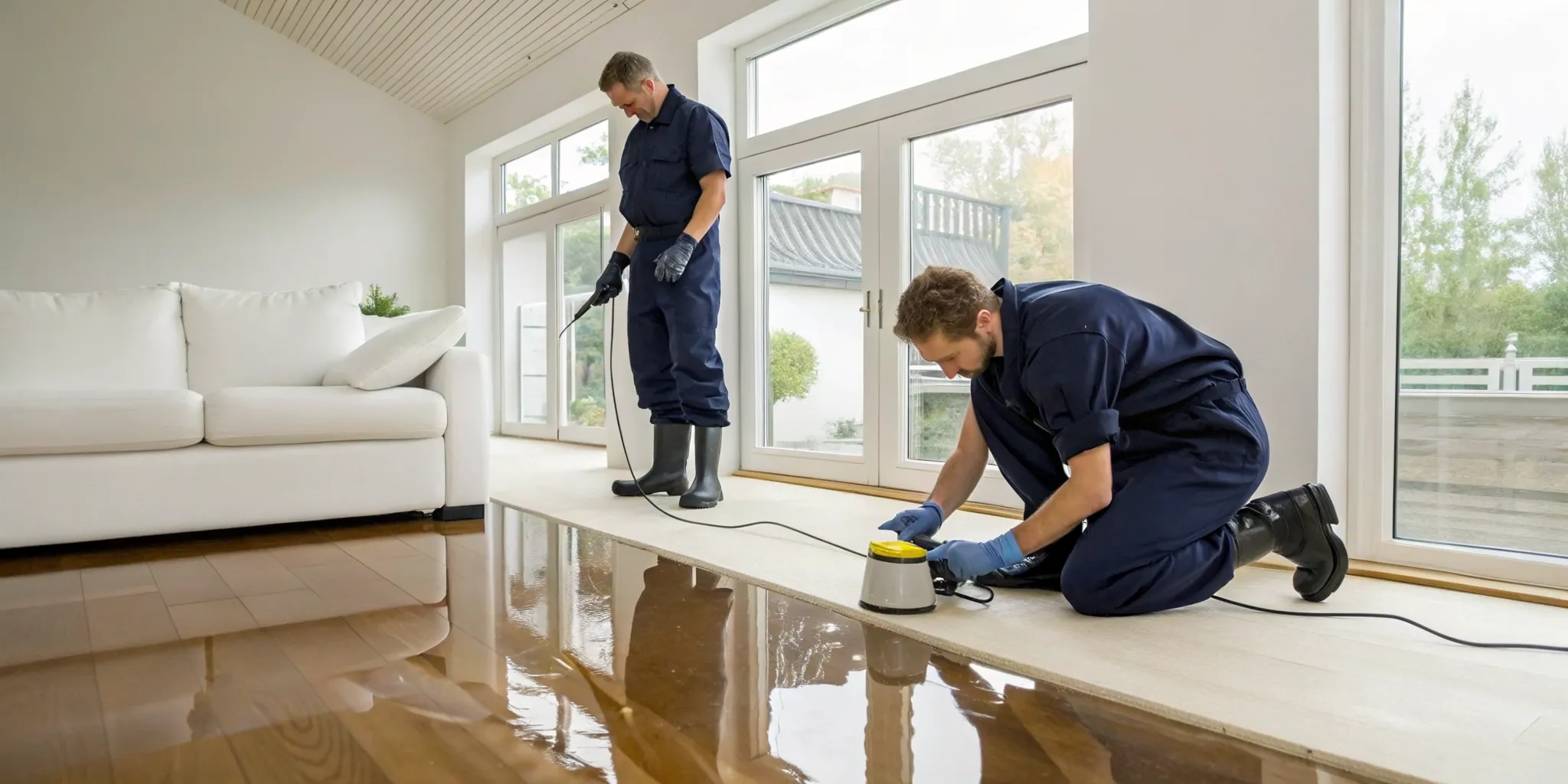
After a water incident, many homeowners think the problem is solved once the floor is dry to the touch. Unfortunately, this is a common and costly mistake. The moisture you can’t see is what causes the most significant long-term issues, from compromising your home’s structural integrity to creating unhealthy air quality due to mold. That’s why the work performed by certified water damage restoration companies is so critical. They use specialized equipment like thermal imaging cameras and moisture meters to find and eliminate every last bit of dampness, protecting your property’s value and your family’s health long after the initial crisis has passed.
Key Takeaways
- Your immediate response is crucial: Acting within the first 24 to 48 hours is the best way to prevent long-term structural problems and mold growth, which ultimately saves you money and stress.
- Professionals do more than just dry the floors: A true restoration service involves a complete process, including water extraction, structural drying, sanitizing to prevent health risks, and restoring your property and belongings.
- Choose your restoration company wisely: Look for a team with proper IICRC certifications, 24/7 availability for emergencies, and a solid track record of positive customer reviews to ensure you're hiring qualified experts.
What Does a Water Damage Restoration Company Actually Do?
When you’re standing in a flooded room, it’s hard to think past the immediate mess. You might assume a water damage restoration company just shows up with some fans and a mop. In reality, their job is much more complex and crucial for the long-term health of your home. These professionals are emergency responders for your property, equipped with the technology and expertise to handle the entire crisis from start to finish. They don’t just remove the water; they use a systematic process to dry, clean, and restore your home to its pre-damage condition, helping you get your life back to normal as quickly and safely as possible.
Emergency Water Removal
The first and most critical step is getting the water out, and fast. Water damage is an emergency, which is why professional restoration teams are available 24/7 to respond. They don’t use towels and buckets; they arrive with powerful, truck-mounted extraction units and submersible pumps designed to remove hundreds or even thousands of gallons of water in a short amount of time. This rapid removal is key to preventing the water from seeping deeper into your floors, walls, and furniture. Getting a professional team on-site immediately can make all the difference in minimizing the overall damage and cost of repairs. If you're facing a water emergency, you can contact a team for immediate help.
Structural Drying and Dehumidifying
Once the standing water is gone, the real drying process begins. Moisture is sneaky and can hide inside drywall, under floorboards, and in your home’s structural beams. Simply letting it "air dry" is a recipe for long-term problems like warping, rot, and mold. Restoration experts use specialized equipment like industrial-grade air movers and dehumidifiers to pull moisture out of the air and affected materials. They also use moisture meters and thermal imaging cameras to detect hidden water pockets, ensuring every last bit of dampness is gone. This thorough drying process is essential to protecting your home’s structural integrity and is a core part of any professional remediation service.
Mold Prevention and Removal
Where there’s water, there’s a risk of mold. Mold can begin to grow in as little as 24 to 48 hours after water damage occurs, posing a serious health risk to you and your family. A key part of the restoration process is preventing mold before it starts. Professionals will often apply antimicrobial agents to the affected areas to inhibit mold growth. If mold has already taken hold, they are trained in safe and effective mold removal, using containment procedures and specialized cleaning techniques to eliminate the problem without spreading spores throughout your home. Promptly addressing water damage is the best way to avoid a much bigger mold issue down the road.
Cleaning and Restoring Your Belongings
Water damage doesn’t just affect your house; it affects your life and your belongings. A good restoration company understands this and works to salvage as much as possible. They use specialized techniques to clean, sanitize, and deodorize items like carpets, furniture, clothing, and important documents. While some items may be too damaged to save, professionals can often restore things you might have thought were lost for good. This part of the process is about more than just cleaning; it’s about helping you recover the personal items that make your house a home. You can see from customer testimonials how important this step is for homeowners.
Helping with Insurance Claims
Dealing with an insurance claim on top of a water-logged home can feel overwhelming. Reputable restoration companies can be a huge help in this area. While they don’t work for the insurance company, they can thoroughly document all the damage with photos, videos, and detailed notes. They provide professional assessments and estimates that your insurance adjuster will need to process your claim. This documentation is crucial for ensuring you get the coverage you’re entitled to. Having an experienced professional team on your side can make the claims process smoother and less stressful, allowing you to focus on getting your home back in order.
How to Choose the Right Restoration Company
Finding the right partner to handle water damage can feel overwhelming, but you don't have to make the decision in the dark. Not all restoration companies are created equal in terms of their expertise, equipment, or quality of service. Taking a few extra minutes to vet your options can save you a lot of headaches down the road. A great company will be transparent, professional, and ready to answer all your questions. Think of it as hiring a trusted expert to protect your most valuable asset: your home or business. By focusing on a few key areas like credentials, availability, and reputation, you can confidently choose a team that will get the job done right and help you get your life back to normal as quickly as possible.
Look for Proper Certifications and Licenses
First things first, check for credentials. A reputable restoration company should have the proper licenses and certifications to operate in North Carolina. Look for technicians certified by the Institute of Inspection, Cleaning and Restoration Certification (IICRC), which is the industry standard for training and quality. These certifications show that the team has the technical knowledge to handle everything from water removal to mold prevention. Don't be shy about asking a company to provide proof of their licenses and certifications. A professional team will be happy to share their qualifications. This step ensures you’re working with experts who are prepared for whatever your situation throws their way.
Ask About Their Insurance and Claims Process
Dealing with your own insurance company can be complicated enough, so find a restoration company that can help you with the process. Ask potential companies if they have experience working with various insurance providers and if they can bill your insurance directly. While your policy details will determine what’s covered, a seasoned restoration team can document the damage thoroughly and provide the necessary paperwork to support your claim. This can make a stressful situation much more manageable. A company that is willing to guide you through the insurance maze is a valuable partner in your corner. You can often find helpful articles in a company's resource library that explain this process further.
Confirm They're Available 24/7
Water damage doesn’t stick to a 9-to-5 schedule, and neither should your restoration company. When you have water pouring into your basement or a pipe bursts overnight, you need help immediately. Look for a company that offers 24/7 emergency services. This availability is crucial for minimizing damage and preventing secondary issues like mold growth. When you call, a live person should answer and be able to dispatch a team to your property right away. A company’s readiness to respond at any hour shows their commitment to their customers and their understanding of the urgency of water-related emergencies.
Check Their Equipment and Technology
The tools a company uses can make a huge difference in the outcome of your restoration project. Professional-grade equipment is far more powerful than anything you could rent or buy yourself. Ask the company about the technology they use. They should have high-powered water extractors, industrial-strength air movers, and commercial dehumidifiers. They should also use moisture meters and thermal imaging cameras to detect hidden water in walls and floors. Using advanced structural drying techniques is essential for ensuring your property is completely dry, which is key to preventing long-term problems like the need for mold removal.
Read Online Reviews and Ask for References
Before making a final decision, do a little digging into the company’s reputation. Check online reviews on sites like Google, Yelp, and the Better Business Bureau to see what past customers have to say. While a few negative reviews are normal for any business, look for consistent patterns of complaints. You can also ask the company for a list of references. Speaking directly with previous clients can give you firsthand insight into their experience and the quality of the work. Reading a company's testimonials can also provide the peace of mind you need to hire with confidence.
What to Expect During the Restoration Process
When you're dealing with water damage, the situation can feel chaotic and overwhelming. Knowing what the professionals will do once they arrive can bring a sense of order and calm. A reputable restoration company follows a structured process to make sure every step is handled correctly, from the initial inspection to the final touches. This isn't just about removing water; it's about restoring your home or business to a safe, healthy, and comfortable state. Understanding the roadmap helps you know what's happening at each stage and gives you peace of mind that your property is in good hands. Let's walk through the typical steps of a professional water damage restoration project.
Step 1: Initial Assessment
The moment a professional team arrives, the first priority is to conduct a thorough assessment. Time is of the essence, so they move quickly to understand the full scope of the situation. They will identify the source of the water, determine the category of water damage (from clean to contaminated), and map out the extent of the intrusion. This initial inspection is crucial because it allows them to create a detailed action plan tailored to your specific needs. Using moisture detection equipment to find hidden water pockets in walls and under floors, they can get a complete picture. You should receive a clear explanation of the damage and the proposed restoration process before any work begins.
Step 2: Water Removal and Drying
Once the plan is in place, the water removal process begins immediately. This involves more than just mopping up puddles. Professionals use powerful, specialized equipment like submersible pumps and industrial-grade vacuums to extract the bulk of the water quickly and efficiently. After the standing water is gone, the focus shifts to drying the structure itself. This is a critical step because hidden moisture can lead to long-term problems like rot and mold growth. High-velocity air movers and commercial dehumidifiers are set up to pull moisture from the air and from porous materials like wood and drywall, ensuring the area is completely dried out.
Step 3: Cleaning and Sanitizing
With the water gone and the area dry, the next step is to clean and sanitize everything that was affected. This is vital for preventing the growth of bacteria, mold, and other harmful microorganisms that can thrive in damp environments. The restoration team will use professional-grade cleaning agents and antimicrobial treatments on floors, walls, and other surfaces to ensure your property is not only clean but also safe for you and your family. They also have techniques for cleaning and restoring personal belongings that may have been damaged, from furniture to important documents. This thorough cleaning process is a key part of returning your space to a healthy condition.
Step 4: Final Repairs and Restoration
The final phase is bringing your property back to its pre-damage condition. Once the structure is completely dry, clean, and sanitized, the necessary repairs can begin. This can range from minor fixes, like replacing a section of drywall or painting a room, to more significant reconstruction, such as installing new flooring or rebuilding entire sections of your home. The goal is to handle every detail so the transition is as smooth as possible for you. A dedicated restoration team works carefully to restore not just the structure, but also your sense of security and comfort in your own space.
Why You Need to Act Fast After Water Damage
When you discover water damage in your home, whether from a burst pipe, a leaky roof, or a flood, it’s easy to feel overwhelmed. While your first instinct might be to wait and see how bad it gets, taking immediate action is the single most important thing you can do. The clock starts ticking the moment water enters your property. Every hour that passes allows moisture to cause more harm to your home’s structure and your family’s health. Acting quickly can save you from more extensive repairs, higher costs, and serious health risks down the road. Think of it as first aid for your home; a swift response makes all the difference.
The Critical 24-48 Hour Window
Time is of the essence in water damage restoration. Within the first 24 to 48 hours, water soaks into materials like drywall, wood, and insulation. This period is critical because the longer materials stay wet, the more they degrade. Wood can warp, drywall can crumble, and your home's structure can be compromised. What starts as a simple cleanup can become a major renovation. Calling for professional water damage restoration immediately stops the damage and prevents a small problem from turning into a costly disaster.
Health Risks of Waiting Too Long
Beyond structural issues, delaying cleanup creates a perfect environment for harmful contaminants. Any area exposed to moisture can experience mold growth, which can start in just 24 to 48 hours. Mold releases spores into the air that pose serious health risks, especially for children, the elderly, and anyone with respiratory issues. These effects can range from coughing and sneezing to more severe allergic reactions. Prompt, professional drying is the only way to prevent it. Protecting your family’s health is a major reason to never wait to address water damage.
Signs You Need to Call a Pro Immediately
Sometimes water damage is obvious, like a flooded basement. Other times, it’s more subtle. It’s crucial to call a pro right away if you notice any signs. Don’t ignore discolored spots on ceilings or walls, as they often indicate a hidden leak. Other red flags include peeling paint, warped floorboards, or a persistent musty odor. Sagging ceilings or unexplained pooling water are clear signs of a significant problem that needs immediate attention. When you spot these issues, contact our team for a fast assessment.
How Much Does Water Damage Restoration Cost?
When you’re dealing with a flooded basement or a serious leak, one of the first questions on your mind is likely, "How much is this going to cost?" It’s a valid concern, and the answer depends on several variables. The final price tag for water damage restoration isn't a one-size-fits-all number. It’s influenced by the severity of the damage, the type of water involved, and how quickly you act.
Understanding these factors can help you get a clearer picture of the potential costs. Think of it as an investment in protecting your property’s value and ensuring your home remains a safe, healthy environment. Below, we’ll break down what goes into the cost of professional restoration and what you can generally expect to pay.
What Factors Affect the Price?
The cost of water damage restoration can vary significantly because every situation is unique. Key factors that influence the final price include the size of the affected area, the type of water (clean, gray, or black), and the materials that need to be repaired or replaced. For example, drying out a carpeted room is very different from restoring soaked hardwood floors. If water isn't addressed quickly, it can lead to more serious issues like warped wood, rust, and decay, which adds to the complexity and cost of the job. The longer water sits, the more extensive and expensive the remediation services become.
Typical Costs by Damage Type
While it’s hard to give an exact number without an assessment, most homeowners spend between $1,500 and $5,000 for water damage restoration. Of course, very serious cases involving extensive structural damage can cost over $10,000. It’s also important to remember that water damage often leads to mold growth. If mold is present, you’ll need professional mold removal, which can add to the total cost. On average, homeowners spend about $2,368 for mold remediation, with prices typically falling between $1,223 and $3,753. Acting fast helps keep these costs on the lower end of the spectrum.
What Your Insurance May Cover
Many homeowners hope their insurance will cover the bill, but coverage depends entirely on the cause of the damage and your specific policy. Generally, homeowners insurance covers sudden and accidental events, like a burst pipe or a washing machine overflow. However, it usually won’t cover damage from slow leaks, poor maintenance, or natural floods unless you have a separate flood insurance policy. It’s so important to read your policy details to understand what is and isn’t covered. A professional restoration company can provide detailed documentation of the damage to help support your claim. If you have questions, it's always best to contact a professional for an assessment.
Common Mistakes to Avoid When Hiring a Pro
When you’re dealing with water damage, the pressure to find help quickly can lead to hasty decisions. Choosing the right professional is the most important step you can take to protect your property and your peace of mind. By being aware of a few common pitfalls, you can find a reliable company that will get the job done right the first time. Let’s walk through the mistakes you’ll want to sidestep during your search.
Trying to DIY a Major Problem
It’s tempting to grab some towels and a fan and try to handle water damage yourself, especially if you’re trying to save money. While that might work for a small spill, significant water issues require professional expertise. Attempting to manage a major problem without the right equipment and knowledge often leads to bigger headaches. Professionals use industrial-grade tools to detect hidden moisture and prevent secondary issues like structural damage and mold growth. A failed DIY attempt can easily result in more extensive damage and higher costs down the road.
Not Understanding the Full Scope of Work
One of the biggest challenges with water damage is that what you see is often just the tip of the iceberg. Water can seep behind walls, under floorboards, and into insulation, causing damage that isn’t immediately visible. Failing to grasp the full extent of the problem can lead to incomplete repairs and recurring issues like mold or wood rot. Before work begins, make sure the company provides a thorough inspection and a detailed, written plan. This ensures everyone is on the same page and that all affected areas are addressed.
Making Assumptions About Insurance
Many homeowners assume their insurance policy will cover all costs associated with water damage, but that’s not always the case. Coverage can vary widely depending on the source of the water and the specifics of your policy. Don’t wait to find out what’s covered. Contact your insurance agent as soon as possible to understand your policy details and start the claims process. A reputable restoration company can help by providing detailed documentation of the damage, which is essential for your claim. This avoids any unexpected and expensive out-of-pocket costs.
Ignoring Red Flags During Your Search
When you’re in a hurry, it’s easy to overlook warning signs. Be wary of any company that uses high-pressure sales tactics, provides a vague or non-written estimate, or can’t show proof of proper licensing and insurance. A trustworthy professional will have the experience to handle complex situations, including detecting hidden moisture and structural issues. Always check for a proven track record by reading online reviews and asking for references. Taking a little extra time to vet a company and review their testimonials can save you from a poor outcome.
Frequently Asked Questions
How long does the water damage restoration process usually take? The timeline really depends on the extent of the damage. For a straightforward issue, the drying process alone can take three to five days. If significant repairs are needed, like replacing drywall or flooring, the entire project could take several weeks. A professional team will give you a more precise timeline after they complete their initial assessment of your property.
Can I stay in my home while the restoration is happening? This depends on the scope of the work and your own comfort level. If the damage is contained to a small area like a bathroom, you can likely stay. However, if the damage is widespread, involves contaminated water, or requires major reconstruction, it might be safer and more practical to arrange for a temporary stay elsewhere. The noise from the drying equipment can also be quite loud.
What's the difference between water damage and flood damage for insurance purposes? This is a great question because the distinction is very important for coverage. Generally, standard homeowners insurance covers damage from sudden and accidental water sources inside your home, like a burst pipe or an overflowing appliance. Flood damage, which is caused by rising water from an outside source like a river or heavy rain, is typically not covered and requires a separate flood insurance policy.
How do you know if an area is truly dry behind the walls? Professionals don't just guess. They use specialized tools like moisture meters and thermal imaging cameras to get an accurate reading of moisture levels in places you can't see, such as inside walls or under subfloors. This technology is key to ensuring every bit of hidden moisture is gone, which prevents long-term issues like structural rot and mold.
Will my house have a permanent musty smell after the restoration? No, it shouldn't. That persistent musty odor is usually a sign of mold or mildew growth from incomplete drying. A professional restoration process includes thorough cleaning, sanitizing, and deodorizing the affected areas. By eliminating the moisture source and treating the surfaces, the process removes the cause of the smell, leaving your home clean and fresh.