
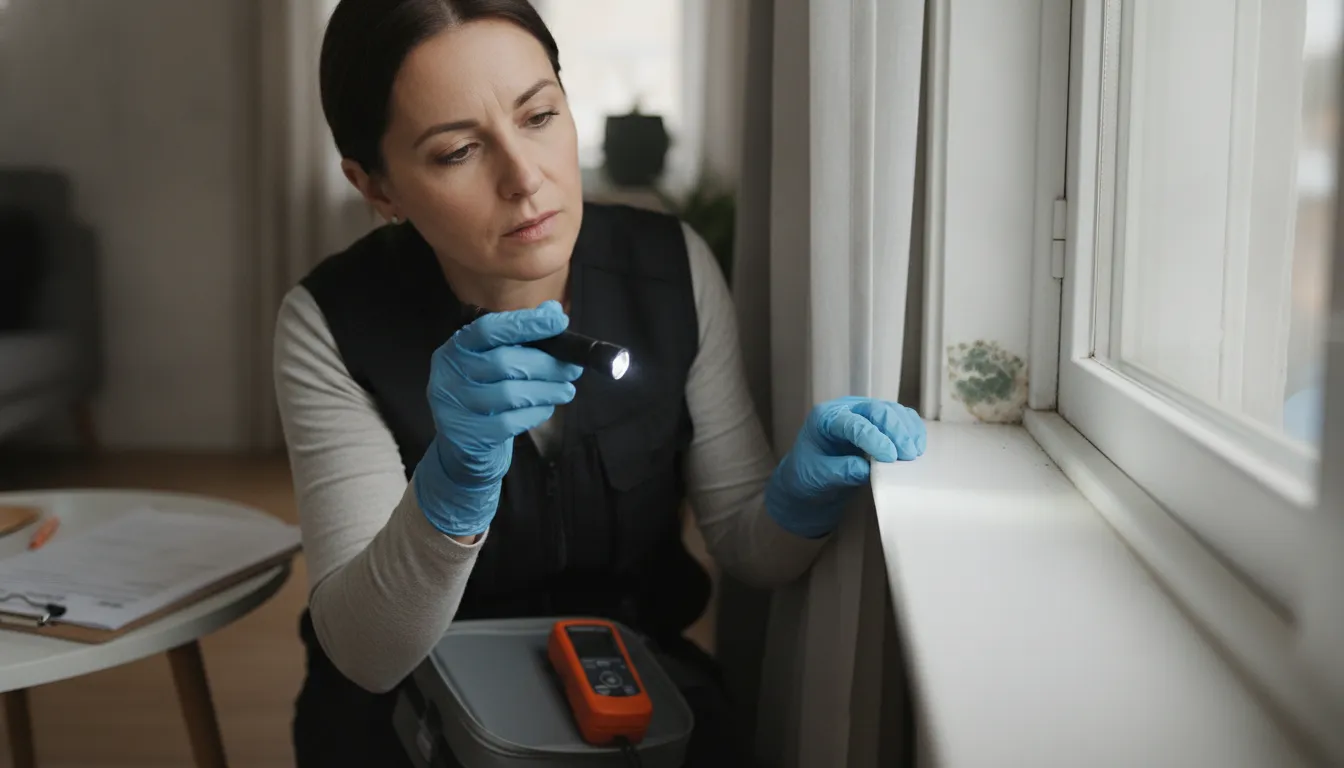
A damp, earthy smell in your laundry room often signals a much larger problem hidden behind the drywall. These subtle warnings are the first clues that moisture has allowed fungi to take hold. Finding these signs early protects your property and air quality.
Common signs of mold in house settings include visible growth, musty odors, and water stains on your walls. Homeowners should also watch for health issues like sneezing that improve when they are away from home. As noted by the EPA, moisture control is the only way to stop mold growth because spores need damp surfaces to multiply. You should focus your search on damp zones like bathrooms or basements where water collects. If you find dark patches, finding the water source is more important than just wiping the area clean. This method solves the root issue and keeps your home safe.
Knowing what to look for can help you stop a small leak from turning into a big project. We have a guide to help you find hidden problems before they spread. The most common signs of mold in house interiors appear in many forms. The path begins with
The most common signs of mold in house interiors
Finding mold early helps you protect your home and your health. Indoor mold often grows in hidden spots before it becomes a large problem. By learning how to spot the early signals, you can take action to stop the spread. The key to controlling any mold issue is to find and fix the source of moisture. If you clean the mold but do not fix the water leak, the growth will likely return.
Visible growth and surface changes
The most obvious sign of an issue is seeing the growth itself. Mold can appear in many colors, including black, white, green, or orange. It often looks like a fuzzy patch, a dark stain, or a cluster of small specks. You might find it on walls, ceilings, or near window frames where water collects. Even if you do not see the mold, you may notice changes to your surfaces. Peeling paint, bubbling wallpaper, or warped wood often point to moisture trapped behind the material. These damp areas are ideal spots for mold removal services to check during a home inspection.
Hidden mold is also a common concern in many North Carolina homes. It may grow inside wall cavities, under carpets, or behind large furniture pieces. If you see water stains or dark spots that keep growing, it is a clear sign of a moisture problem. Because mold can grow within 24 to 48 hours after water enters a space, you should check damp areas right away. Finding these spots early makes the cleanup process much easier for your family.
Musty odors and air quality
A persistent, musty smell is one of the most common signs of a mold problem. This earthy scent often feels damp and heavy. If you notice a smell that does not go away after cleaning or opening windows, mold may be hiding nearby. This odor is often stronger in areas with poor air flow, like closets, basements, or crawl spaces. In fact, about half of the air in your living areas comes from the crawl space. This makes the air under your home a major factor in your indoor air quality.
Recognizing mold indicators
Use this table to help find potential mold issues in your home. Knowing what to look for can help you decide when to call a professional for a closer look.
| Clue | Likely Location | Next Step |
|---|---|---|
| Musty Odor | Crawl spaces and basements | Check for standing water |
| Surface Stains | Drywall and ceilings | Find the active leak |
| Peeling Paint | Bathrooms and kitchens | Improve the air flow |
| Soft Wood | Window sills and floors | Test for moisture levels |
| High Humidity | Attics and laundry rooms | Use a dehumidifier |
If you find any of these signs, focus on finding the water source first. Mold needs moisture to grow, so stopping the leak is the first step in any plan. You can also get a free consultation to learn more about the state of your home. Taking fast action helps keep your property safe and dry.
What should you check first when you suspect mold?
Finding mold in your home can feel scary. But you can take simple steps to find the source. Most mold issues start with water that has no place to go. If you see signs of mold in house rooms, you must act fast. This helps stop the growth before it spreads to other areas.
Start with a home check
You do not need to be an expert to find common mold spots. Most mold needs a wet surface to grow. This is why controlling moisture is the best way to keep your home safe. Start your check in rooms that use a lot of water, like the bathroom or kitchen. Check for leaky pipes and damp walls every few months.
- Find leaks and water spots. Look for stains on your ceiling or walls. Check under sinks and near pipes for any drips. Standing water is a clear sign of a future mold problem.
- Look at your crawl space. About half of the air in your home comes from the space under it. A damp crawl space is a top spot for mold growth. If it feels wet or smells like dirt, you may have an issue.
- Check hidden areas. Move your furniture and pull back rugs. Look for dark spots on the back of drywall or behind wallpaper. Mold loves to hide in dark, tight spots where air does not move.
- Use your sense of smell. A musty or earthy scent is often the first sign of a problem. Follow the smell to find where it is strongest. Sometimes you will smell mold long before you see it.
- Note your health. Think about if you feel better when you leave the house. Sneezing, a runny nose, or red eyes can mean there is mold in your air. If these signs go away when you are at work, your home may have mold.
Look in high risk rooms
Some rooms in your house are more likely to have mold than others. Bathrooms and basements often have more damp air. Make sure your fans work well and vent to the outside. If you see water on your windows, the air is too wet. This extra water can lead to mold on wood or paper surfaces.
Check your attic for roof leaks after a big storm. Look for wet wood or damp pink fluff. Mold can start to grow in just one or two days after a leak. If you find a leak, dry the area as fast as you can. This will help you avoid a big bill for mold cleanup later.
Manage your indoor air
Mold can hide where you cannot see it. Check for wet spots inside wall spaces if you had a recent pipe break. It is vital to dry wet items within 24 to 48 hours to stop mold. If the job feels too big, it may be time to schedule a mold inspection with a pro.
Do not wait for a small spot to grow. Most mold issues get worse if you do not fix the water source. High humidity can also make mold grow on many surfaces. Keep your air moving with fans to lower the risk in damp rooms. Using a small tool to check the air can help you stay ahead of the problem.
How can you spot hidden mold without opening walls?
You may not always see fuzzy patches on your walls, but that does not mean your home is clear. Finding common signs of mold in house structures often requires a bit of search work. You can recognize signs of mold damage by looking for hidden clues. Mold often hides in dark, damp spots where air does not move well. You can find these areas by paying close attention to small changes in your home's air and surfaces. Staying alert helps you catch a problem before it causes big damage to your property.
Follow the musty smell
One of the most common clues is a strong, earthy scent. This smell often shows up before you see any growth. If a room smells damp or like old dirt, mold may be growing behind the trim or under the floor. Hidden mold can thrive in wall cavities where moisture has gathered from a small leak. If the scent gets stronger near a certain wall or corner, that is a big red flag. You should try to find where the smell is strongest by sniffing near vents and outlets.
Check for water stains and peeling paint
Water stains on your ceiling or walls are clear signs of a moisture problem. These marks often look like yellow or brown circles that grow over time. When water leaks inside a wall, it can cause paint to bubble or wallpaper to peel away. You should also look for warped wood or soft spots on your baseboards. These issues suggest that water is trapped in the wood, which gives mold the perfect place to grow. Even small stains can mean there is a much larger mold colony hiding just out of sight.
Look in crawl spaces and attics
Your crawl space and attic are common spots for mold to hide. About 50% of the air you breathe in your home comes from the crawl space. This means that if mold grows under your house, it can impact the air quality in every room. Check your attic for dark spots on the wood beams or damp insulation. High humidity or a roof leak can turn an attic into a mold breeding ground quickly. If you find wet spots in these areas, you must dry them fast to stop growth.
Check your HVAC system
You should also look around your HVAC system and air vents. Mold can grow on the metal coils or inside the ducts if too much water builds up. If you see dust that looks damp or slimy near your air vents, you may have a hidden problem. Sometimes you will notice a sour smell only when the air or heat turns on. Keeping these areas dry is the best way to stop mold from spreading through your vents. Proper air flow and clean filters help keep your home safe from hidden spores.
Avoid breaking into walls
If you suspect mold is behind a wall, do not try to tear it open yourself. Tearing into a moldy wall can release millions of spores into the air at once. This can make the health risks much worse and spread the mold to other parts of your home. It is best to use expert tools like a moisture meter or a thermal camera to find the source. These tools help you see where the water is without making a mess. Using expert help to schedule a mold inspection ensures the mold is handled safely without making your air quality worse.
Can physical symptoms point to a mold problem?
When you suspect there are signs of mold in house, you might first notice changes in how you feel. Many people report physical reactions when they spend time in a space with high mold levels. While these signs can be helpful clues, it is important to understand what they mean and why they happen. You should focus on how your body responds to your indoor space as a key part of your regular home health check.
Common signs of irritation
Exposure to mold can cause several common health signs that often look like a cold or yearly allergies. You may notice a runny nose, sneezing, or red eyes when you are at home. Some people also experience skin rashes or a dry throat. Based on the EPA, these allergic responses can include hay fever-type symptoms like a skin rash and watery eyes. These issues often stem from mold spores that float through the air and land on wet surfaces to grow.
These reactions can affect anyone, not just people with known allergies. Mold can irritate the eyes, skin, nose, and lungs of both allergic and non-allergic people. If you have asthma, mold exposure can also lead to more frequent or severe asthma attacks. This is why indoor air quality is so vital for home health. Paying attention to these lesser-known signs of mold can help you find a problem before it spreads further.
The limit of using health signs
While physical signs are a strong hint, they are not proof of a mold problem on their own. Many other things can cause a runny nose or itchy eyes, such as dust, pet hair, or yearly pollen. You cannot use how you feel to find a specific type of mold or the size of a colony. Symptoms are a signal to look closer at your home for moisture or visible growth, but they do not provide a final answer by themselves.
One helpful way to check is to see if your symptoms change when you leave the house. Many people find that their breathing issues improve when they spend time away from home. If you feel better at work or while traveling, it may be time to schedule a mold inspection to look for hidden moisture sources. This is especially true if you have a damp crawl space, as 50% of your home's air can come from that area. Checking these spots helps you find the root cause of the problem without guessing.
When to seek expert help
If you notice persistent health signs, you should talk to a medical expert. A doctor can help you manage your health while you address the state of your home. It is also wise to look for other clues of mold, such as a musty smell or water stains on the ceiling. Mold often grows in hidden spots like wall cavities or under carpeting where it is hard to see. If you find visible mold, avoid using scare tactics and focus on an expert solution.
When health concerns and home signs point to a problem, an expert check is the best next step. Trained technicians use tools like HEPA vacuums and industrial air scrubbers to find and fix the issue. You can get a free quote to learn more about how to keep your air clean and safe. A pro will look for the source of moisture to ensure the mold does not return. This focus on "doing the right work the right way" is the best path for your home and family.
When does suspected mold need professional help?
Finding signs of mold in house spots like a basement or bath can be a stress for you. You might wonder if you can scrub the spot away yourself or if you need to call a pro. Small spots are often things you can handle, but large growth needs an expert. The choice depends on how much mold you see and where it is growing.
Growth size and DIY limits
A good rule is to look at the total size of the mold. If the mold covers less than ten square feet, you may be able to clean it up on your own. This is about the size of a small door or a large rug. For these small tasks, you should still wear a mask and gloves to stay safe.
But if the area is larger than ten square feet, you should schedule a mold inspection with a trained team. Large mold growth often hides behind walls or under floors. Cleaning just what you see can leave a big problem behind. Pros have tools to find hidden spots and can make sure the work is done right.
Water control and safety
The most vital part of mold control is stopping moisture in your home. Mold needs water to grow, so cleaning the mold without fixing the leak is just a short-term fix. If you do not stop the water, the mold will likely come back soon.
When pros step in, they use containment to keep spores from moving to other rooms. They set up plastic walls and use air scrubbers to keep the air clean. This step stops the mold from spreading while they work on the main growth. At Remtech, we teach you how the leak started so you can keep your home dry in the future.
When to call for help
Some jobs are too hard or unsafe for a DIY fix. If the mold came from water that was not clean, like a sewer backup, do not touch it. You also need help if the mold is in your HVAC vents. Spreading mold through your air vents can make the problem much worse for your whole house.
Our team takes an education-first path to help you. We do not use fear to sell our work. Instead, we show you what we found and how our six-step system will fix it. We use HEPA vacuums and drying tools to clear the area for good. Getting help early can save you time and money by stopping the mold before it spreads.
How to reduce the chance of mold returning
Stopping mold starts with one main goal: you must control the water in your home. Mold spores are always in the air, but they only grow on wet spots. If you clean the mold but do not fix the leak, the problem will return. A full fix means you find the source of the dampness and stop it. This is why pros focus on moisture as the first step in any plan.
Fix leaks and dry wet spots fast
When you find a leak or a spill, you must act right away. You should dry any wet area within 24 to 48 hours to stop mold from growing. If you wait longer, the mold may start to take root in your walls or floors. You should check for roof leaks and fix them as soon as you can. It is also wise to keep your gutters clean so water moves away from your home.
You can also stop mold by using fans in wet rooms. Turn on the fan in your bathroom when you shower. Use the vent in your kitchen when you cook or use the sink. These tools help push damp air out of your house. The EPA says that controlling moisture is the only way to manage mold indoors. If you keep your house dry, the spores will not have a place to grow.
- Fix plumbing leaks and drips as soon as you see them.
- Keep your AC drip pans clean and clear.
- Make sure your clothes dryer vents to the outside.
- Slant the ground away from your house to stop water from pooling.
Monitor indoor air and humidity
The air in your home can hold a lot of water. This is called humidity. When the air is too wet, mold can grow on almost any surface. You should try to keep the humidity in your home below 50 percent. You can buy a small tool to check this level in each room. If the air feels heavy or damp, you may need a dehumidifier to pull the water out.
You can also look for clues on your windows and pipes. If you see water on the glass or cold metal, your air is too wet. This water is called condensation. It is a big sign that you need more air flow. About half of the air you breathe in your home comes from the crawl space. If that area is damp, the rest of your house will be too. Checking your crawl space for leaks is a smart way to keep your air clean.
Routine checks for mold signs
It is good to walk through your home once a month to look for new issues. Watch for water stains on your ceilings or floors. These marks often mean a pipe is leaking behind the wall. You should also trust your nose. A musty or earthy smell is often a sign that mold is growing nearby. It may be hiding under a rug or behind a shelf where you cannot see it.
Learning how to recognize signs of mold damage can help you act fast. If you catch the signs of mold in house early, you can stop the spread. This keeps your home safe and keeps the air fresh. If you are not sure if a spot is mold, you can schedule a mold inspection to get an expert view. They have the tools to find hidden water and stop the mold for good.
Frequently Asked Questions
Can mold inside walls make you sick?
Yes, hidden mold can impact your health even if you cannot see it. According to the EPA, exposure to mold can cause a runny nose, red eyes, and skin rashes in both allergic and non-allergic people. These symptoms often improve when you leave the home for a few hours. If you suspect mold is hiding behind drywall, it is best to use a moisture meter to find the source without tearing into your walls.
How quickly does mold grow after water damage?
Mold can begin to grow within 24 to 48 hours after a water event occurs. This rapid growth makes it vital to dry wet items and surfaces as soon as possible. Fungi thrive on damp organic matter like wood, paper, and carpet. If you cannot dry the area within two days, the risk of a major mold colony forming increases. Taking fast action to fix leaks and improve air flow is the best way to prevent a large problem.
What does mold look like in a home?
Mold can appear as fuzzy, slimy, or powdery patches on surfaces like walls and ceilings. It comes in many colors, including black, green, white, or orange. You may also see subtle signs like bubbling paint, peeling wallpaper, or dark water stains. These marks often point to a moisture issue trapped behind the material. If you find visible growth, focus on finding the water source rather than just wiping the spot away to ensure the mold does not return.
Does indoor humidity affect mold growth?
High indoor humidity is a primary driver for mold because spores need moisture to multiply. To prevent growth, the EPA recommends keeping your home humidity levels below 50 percent. You can use exhaust fans in bathrooms and kitchens or run a dehumidifier in damp basements to manage air moisture. Condensation on windows or cold pipes is a common sign that your air is too wet and may support hidden mold growth in wall cavities or closets.
When should I call a professional for mold?
You should call a professional if the mold growth covers more than ten square feet or if you suspect it is hiding in your HVAC system. Expert help is also needed if the mold resulted from contaminated water like a sewer backup. A trained team uses specialized equipment like HEPA vacuums and air scrubbers to safely clear the area. At Remtech, we follow a six-step system to resolve the moisture source and ensure your indoor air quality is restored for your family.
Ready to find the root cause of your mold and moisture?
Leaving signs of mold alone in your home can lead to high repair costs and more health issues over time for you and your kids. Mold grows fast once it starts, so waiting even a few days can make the problem much harder and more costly to fix for good. When you act now, you stop the spores from spreading to other rooms and find a clear plan to solve the dampness in your air.
Ready to protect your house? Get a free quote to set up your expert mold check and start your plan for a clean home today. You can also see when to schedule a mold inspection if you are not sure you have a problem yet.