
What Does Mold Damage Look Like in the Home?
Published by Remtech Environmental Team · Last updated April 2025
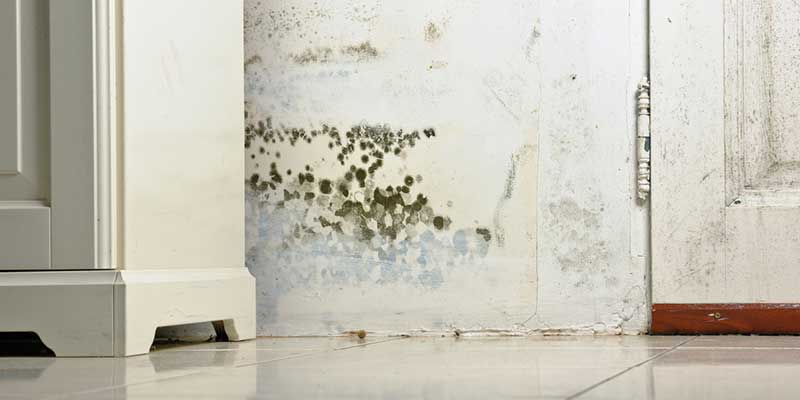
No one likes mold. It’s unsightly and a potential health hazard, especially for people who have preexisting respiratory concerns, such as asthma. For this reason, it’s important to be able to recognize signs of mold damage in your home. Here are some of the most common ways that mold damage manifests itself in the home.
If mold damage is a concern in your home, don’t hesitate to reach out to us at Remtech Environmental. We can handle your mold in the safest way possible and show you how to prevent further mold damage in your home, so call us for all of your mold management needs.
- Visible growth. This type of mold damage is probably the most obvious. However, mold growth can look a few different ways, including different colors and spreads. Some of the most common types of growth are small black clusters and white thread-like growths, but regardless of the growth you’re noticing, it’s best to reach out to professionals if you suspect it’s mold.
- Musty odor. Mold often comes with a distinct musty odor. If you notice this odor, especially in areas that may attract a lot of moisture, such as the bathroom or basement, you may have some level of mold damage in your home.
- Furniture fungus. Have you noticed any fuzzy or discolored spots on your leather or wooden couch? You probably don’t want to sit there anymore, as these spots may be mold growth. Mold likes the fibers in your furniture, so inspecting your furniture for mold is a good idea if you have any concerns.
Mold rarely announces itself. By the time most North Carolina homeowners notice obvious damage, the underlying colony has typically been growing for weeks or months, fed by humidity that sits above 70 percent in unconditioned spaces for much of the year. Knowing what mold actually looks like, and where it tends to hide, is one of the most useful skills a homeowner can develop in a Cfa-climate region where fungal growth is essentially a year-round possibility. Mold shows up in colors ranging from black to olive green to pink to white, in textures from velvety to slimy to cottony, and in locations as varied as ceiling drywall and hardwood floor seams. This guide walks through the visual and sensory signs of mold damage, organized by where in the home you are most likely to encounter them, plus the conditions that produce each pattern. The earlier you can correctly identify mold, the less likely you are to face a full structural remediation later.
Visual and Sensory Signs of Mold Damage by Location
Each room in a North Carolina home presents different mold patterns because each has different moisture dynamics. Here is how to read what you are seeing.
Drywall and Painted Walls
Mold on drywall typically begins as small circular spots that look like dark coffee stains, often clustered along the bottom plate of a wall, around window frames, or behind furniture pushed against an exterior wall. Stachybotrys chartarum, the so-called black mold, appears slimy and almost black-green when active and dusty matte black when dry. Aspergillus and Penicillium, the species responsible for most NC indoor mold cases, present as fuzzy gray-green or olive patches. As mold consumes the paper facing of drywall, the surface bubbles, sags, or shows brown tide-line staining that betrays a previous water event. Pressing on affected drywall reveals soft or spongy areas where the gypsum has lost integrity. We see this pattern most often in bathrooms, laundry rooms, and the lower three feet of basement walls in homes with high humidity or hidden plumbing leaks. Once paper facing is colonized, the drywall must be cut out and replaced, not painted over.
Ceilings, Especially Bathroom and Kitchen
Ceiling mold almost always indicates a moisture source above. In a single-story home that means roof leak, plumbing drip from an attic-installed AC unit, or condensation on poorly insulated ductwork. In multi-story homes ceiling mold under a bathroom typically means a failed shower pan, leaking wax ring at the toilet flange, or a slow drain leak. The visual signature is brown ring staining surrounded by softer black or gray spots. Bathroom ceilings without exhaust fans, or with fans vented into the attic instead of outdoors, develop a characteristic pattern of pinpoint black dots across the entire surface, the result of repeated condensation from showers. In kitchens, mold on ceiling around recessed lights typically means missing air seals between the kitchen and unconditioned attic. Each of these patterns has a specific moisture fix, and remediating the visible mold without correcting the source guarantees regrowth within a season.
Floors, Hardwood, and Carpet
Hardwood mold shows as dark cupped boards with separated seams and sometimes a chalky white surface bloom that looks like dried sweat stains. Cupping happens when moisture enters the bottom of the board faster than it leaves the top, common over crawlspaces with failed vapor barriers or in homes that lost AC during a NC summer power outage. Carpet mold is usually invisible from above. The colony grows on the jute backing and pad underneath, producing a sour ammonia-and-earth odor and dark staining visible only when the carpet is lifted. We frequently encounter slab-on-grade homes in the Sandhills with carpet mold caused by water vapor migrating up through cracked concrete. Tile mold concentrates in grout joints and silicone caulk lines around tubs and showers. Black grout that does not respond to scrubbing with bleach is colonized below the surface and requires regrouting after professional cleaning.
Behind Furniture, Inside Closets, and on Cold Surfaces
Some of the most extensive mold damage we encounter is hidden behind beds, dressers, and bookshelves pushed against exterior walls. Air cannot circulate behind these furniture pieces, so the wall surface stays cooler than the surrounding room and condensation forms on humid summer days when AC is running. The result is a sharp rectangular outline of mold where the furniture sat, often discovered only during a move. Closets on exterior walls develop similar patterns, particularly in homes with poor wall insulation. Shoes, leather belts, and natural-fiber clothing left in closets show fuzzy white-gray surface mold that smells musty and sometimes sweet. Cold supply ducts running through unconditioned attics or crawlspaces frequently develop mold on the metal jacket and the surrounding insulation, visible as dark blotches on the duct wrap. None of these locations are inspected during a typical home walkthrough, which is why moisture surveys are such a high-yield diagnostic tool.
Crawlspaces, Attics, and HVAC Equipment
Crawlspace mold is by far the most common form we encounter in NC, presenting as white or gray fuzz on floor joists and the underside of subfloors, especially along the perimeter where vented air contacts cooler framing. Severe cases show black mat-like growth on insulation paper and sagging fiberglass batts saturated with condensation. Attic mold appears most often on the north-facing roof deck, where temperatures stay coldest and moisture from the conditioned space below condenses on the OSB or plywood. The pattern is a series of dark vertical streaks along rafter bays. HVAC mold inside air handlers and on evaporator coils produces a sweet musty odor whenever the system runs and is sometimes the only sign before air sampling reveals significant indoor contamination. Each of these locations requires specialty containment for remediation because of access challenges and the volume of contaminated material involved.
What to Do When You Spot the Signs
The Senses Beyond Sight: Smell, Health, and Sound
Visual identification gets you part of the way, but mold often hides behind walls, under floors, and inside HVAC systems where you will never see it. Three other senses fill the gap. Smell is the most reliable. Active mold colonies produce microbial volatile organic compounds (mVOCs) including geosmin, 1-octen-3-ol, and 2-methylisoborneol, which create the characteristic earthy, musty, or wet-cardboard odor most people recognize as mold. The smell intensifies in still air and after rain when humidity rises, and it is often most noticeable when first entering the home after being away. If you cannot find visible mold but the smell is persistent, the colony is hidden. The second sense is your body. Symptoms that improve when you leave the house and return when you come back are a textbook signature of indoor mold exposure. These include persistent congestion, sinus pressure, eye irritation, fatigue, and worsening asthma. Children and immunocompromised adults are particularly sensitive. The third sense is sound. Drywall that thuds dully when tapped near a baseboard often indicates moisture damage behind the surface. Floors that squeak or feel softer in spots may have subfloor degradation from chronic moisture. None of these signs alone confirm mold, but combined with NC's persistent humidity, they justify professional assessment, particularly after any water event, hurricane, or HVAC failure. Air sampling and surface tape lifts can identify the species and concentration, providing the documentation needed for both health decisions and insurance claims.
Get Professional Help in NC
If you have spotted potential mold, smelled a persistent musty odor, or experienced symptoms that improve when you leave the house, Remtech Environmental can characterize the problem accurately. We provide free initial site visits, moisture surveys, and certified mold assessments throughout central NC, including Raleigh, Durham, Chapel Hill, Cary, Greensboro, Winston-Salem, and Wilmington. Our reports document scope, species when sampled, and recommended remediation level, giving you the basis for a confident decision. Catching mold early in NC's humid climate is the single best way to keep remediation costs down.
Key Takeaways
- Mold appears in colors from black to white to pink and in textures from slimy to fuzzy to cottony, depending on species and surface; visual cues alone do not identify type.
- Each room presents distinct mold patterns: tide-line staining on drywall, ring stains on ceilings, cupped boards on hardwood, rectangular outlines behind furniture, and white fuzz on crawlspace joists.
- Microbial VOCs produce the characteristic musty smell, often the only clue when mold is hidden inside walls, ducts, or HVAC equipment.
- Symptoms that improve when you leave the home and return when you come back are a textbook indicator of indoor mold exposure.
- Documentation through photographs, dates, and professional assessment reports is what supports insurance claims and informed remediation decisions.
Need Help with Environmental Services?
If you have concerns about mold, asbestos, or water damage in your property, contact Remtech Environmental today for a free consultation.
Get a Free Quote