
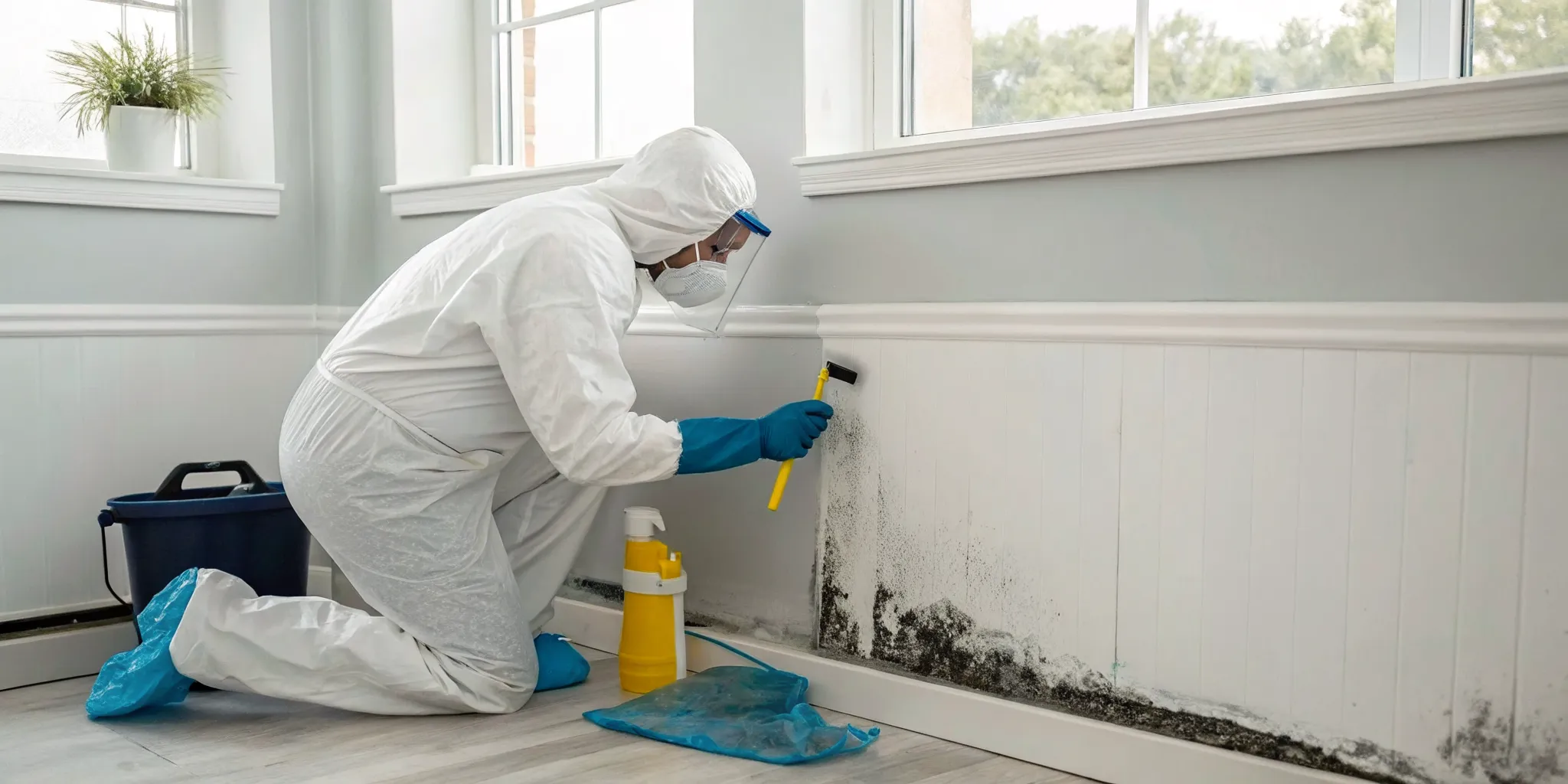
Are you dealing with unexplained stuffy noses, itchy eyes, or worsening allergy symptoms at home? While seasonal pollen often gets the blame, the culprit could be hiding inside your walls. Mold releases tiny spores into the air that can trigger a range of health issues, from mild irritation to serious asthma attacks. Protecting your family’s well-being is the most important reason to take any mold issue seriously. A healthy home is a mold-free home. This guide will explain how mold can affect your health, how to spot the signs of a problem, and what steps to take for safe and effective mold removal, so you can breathe easier knowing your indoor environment is clean and safe.
Key Takeaways
- Focus on the water source: Mold is a sign of a bigger moisture issue. To get rid of it for good, you have to find and fix the leak, high humidity, or condensation problem that’s feeding it.
- Assess the size and location: You can likely clean small mold patches (under 10 square feet) yourself. For larger areas, or if you suspect mold is in your HVAC system or from a sewage leak, it's safest to call in a professional team.
- Protect yourself during cleanup: Safety is non-negotiable when dealing with mold. Always wear the right gear, like an N-95 mask and goggles, and avoid common mistakes like painting over mold, which only hides the problem.
What Is Mold and Why Is It a Problem?
Finding mold in your home can feel alarming, and for good reason. Mold is a type of fungus that grows from tiny spores floating in the air. When these spores land on a damp surface, they can start to grow and spread. That’s why you often find it in bathrooms, basements, or anywhere that’s experienced a leak. Beyond being an eyesore, mold can cause real issues. It feeds on organic materials, meaning it can slowly eat away at things like drywall, wood, and wallpaper, causing structural damage over time.
The bigger concern for most of us, though, is how it affects our home's air quality and our family's health. When mold grows, it releases more spores into the air, which can be inhaled. This is where the problem moves from a simple maintenance issue to a potential health hazard. Addressing a mold problem isn't just about cleaning a stain; it's about protecting your property and the people living in it. Taking care of it quickly and correctly is the key to ensuring your home remains a safe, healthy space. If you suspect you have an issue, getting a professional mold removal assessment is the best first step.
How Mold Can Affect Your Health
You don’t have to be allergic to mold for it to cause problems. For many people, exposure can lead to uncomfortable symptoms like a stuffy nose, wheezing, and red or itchy eyes. According to the U.S. Environmental Protection Agency, mold can also cause skin irritation or rashes. For individuals with asthma or mold allergies, the reactions can be much more severe, potentially triggering asthma attacks. Even if you’re perfectly healthy, long-term exposure to a moldy environment isn’t good for anyone. Think of it as a constant irritant your body has to fight off, which is why getting rid of it is so important for your family’s well-being.
Identifying Common Household Molds
You might see mold that looks fuzzy, slimy, or even powdery, and it can show up in a variety of colors, including black, green, white, or orange. Some of the most common household molds are Cladosporium, Penicillium, and Aspergillus. While you might be tempted to identify the exact type you're dealing with, the truth is, it doesn't really matter. All molds have the potential to cause health effects and damage your home, so they all need to be removed with the same level of care. Instead of worrying about what kind it is, your focus should be on its location and how much of it there is.
Signs Your Mold Problem Is Serious
A small spot of mildew on your shower grout is one thing, but a larger infestation is a different story. A key sign that your mold problem is serious is the size of the affected area. The general rule of thumb is if the mold patch covers more than 10 square feet, it’s too big to handle on your own. Another major red flag is if you suspect mold is growing inside your heating, ventilation, or air conditioning (HVAC) system. If that happens, turning on your system can spread spores throughout your entire home. A musty, earthy smell that won’t go away is also a strong indicator of a hidden mold source. If you notice any of these signs, it's time to call a professional for help.
DIY vs. Professional Removal: When to Call for Help
When you spot mold in your home, your first instinct might be to grab a bottle of cleaner and scrub it away. While the DIY spirit is admirable, tackling a mold problem isn't always a simple weekend project. In some cases, trying to remove it yourself can make the situation worse by spreading spores or exposing your family to harmful contaminants. Knowing when to handle it yourself and when to call for professional help is key to protecting your home and your health.
Deciding on the right approach comes down to a few key factors: the size of the affected area, where the mold is growing, and your personal health risks. Understanding these elements will help you make a safe and effective choice. If you find yourself facing a large, hidden, or particularly hazardous mold issue, bringing in a certified team is the smartest move. Professionals have the training and equipment to remediate mold safely and ensure it doesn't come back.
Assessing the Size of the Problem
A good rule of thumb comes directly from the Environmental Protection Agency (EPA). If the moldy patch is smaller than 10 square feet (roughly a 3-foot by 3-foot area), you can likely handle the cleanup on your own with proper safety gear. However, the EPA advises that if the mold covers a larger area, it's best to call a professional.
A widespread mold problem often signals a significant underlying moisture issue that a simple surface cleaning won't fix. Professionals can not only remove the mold but also use specialized equipment like air scrubbers and containment barriers to prevent spores from spreading to other parts of your home during the process. You can find more details in the EPA's guide to mold cleanup steps.
Considering the Mold's Location
Where the mold is growing matters just as much as how much of it there is. If you suspect mold is in your heating or cooling system, do not run it. Turning on your HVAC can quickly spread mold spores throughout your entire house, turning a localized issue into a widespread contamination. This is a situation that requires an expert evaluation.
Another critical red flag is mold that results from contaminated water, such as a sewage backup or river flooding. This type of mold is often accompanied by dangerous bacteria and other biohazards. According to the EPA, you should always call a professional who has experience with cleaning up contaminated materials. Hidden mold, like growth inside walls or under floors, also calls for professional help, as it requires careful demolition and repair.
Weighing the Health and Safety Risks
Your health and the health of your family should always be the top priority. Mold exposure can trigger allergic reactions like sneezing, skin rashes, and red eyes, and it can also cause asthma attacks in people with asthma. The EPA's guide to mold explains that it can also irritate the eyes, skin, nose, throat, and lungs of both mold-allergic and non-allergic people.
If anyone in your household has a compromised immune system, a chronic lung illness, or severe allergies, it's best to avoid DIY removal altogether. Before you even consider starting a cleanup, the EPA recommends talking to a doctor if you have any health concerns. A professional remediation team is trained to handle these hazardous materials safely, protecting you and your loved ones from unnecessary exposure.
A Guide to Effective Mold Removal Methods
Once you’ve decided to handle a small mold issue, your next step is choosing the right removal method. The cleaning aisle offers a dizzying number of options, from heavy-duty chemical sprays to all-natural solutions. The best approach depends on the type of surface you’re cleaning (like porous drywall versus non-porous tile) and the extent of the mold growth. Understanding your options will help you work safely and effectively, ensuring you’re not just hiding the problem but actually solving it.
How the Pros Tackle Mold
When you call in a professional, you’re getting more than just a bottle of cleaner. A professional approach is a multi-step process designed for complete and safe remediation. Experts begin with a thorough assessment to identify the mold source and contain the area to prevent spores from spreading. They use specialized equipment like HEPA air scrubbers to purify the air during removal. While pros do use powerful cleaning agents, their process focuses on removing the mold-infested materials safely and addressing the moisture problem that caused it. This comprehensive strategy is why professional mold removal is the most effective solution for any problem larger than a few square feet.
An Overview of Removal Products
For small, contained spots of mold on non-porous surfaces like a shower tile or a window sill, a DIY product might do the trick. You’ve likely seen some of the best mold removers on hardware store shelves. Products like RMR-86 are popular because they work quickly on tough stains without requiring a lot of scrubbing. However, it’s important to read the labels carefully. Many of these sprays contain strong chemicals like bleach and are not suitable for every surface, especially porous ones like wood or drywall where mold can grow deep inside. They clean the surface, but they may not eliminate the roots of the problem.
Natural vs. Chemical: What to Choose
Many homeowners wonder if they can use natural substances like white vinegar or baking soda instead of harsh chemicals. These natural options can be effective for cleaning very minor surface mold and mildew, especially during routine cleaning. There are many proven mold removal methods that use household ingredients. The trade-off is that they often require more elbow grease and may not be strong enough to kill a more established mold colony. Chemical cleaners are more potent but require you to take extra safety precautions, like ensuring proper ventilation and wearing protective gear, as their fumes can be irritating or toxic.
Comparing Product Costs
At first glance, a DIY approach seems much cheaper. A bottle of mold remover might cost between $10 and $20. However, the true cost includes more than just the cleaning solution. You’ll also need to buy quality personal protective equipment (PPE), including N95 masks, gloves, and goggles. For a proper cleanup, you may also need brushes, plastic sheeting, and tape to contain the area. Some higher-end products, like the botanically-derived Benefect Decon 30, are an excellent cleaning tool but come at a higher price point. When you add it all up, the costs for a proper DIY job can be more than you expect.
How to Stay Safe During Mold Removal
Tackling a mold problem can feel overwhelming, but your top priority should always be safety. Whether you're handling a small spot of mildew or preparing for a professional team to arrive, protecting yourself and your family from mold spores is essential. Mold can release irritants and allergens, so taking the right precautions prevents further exposure and ensures the cleanup process is safe and effective. Following a clear safety plan helps contain the problem and keeps your home's air clean.
This means more than just spraying a solution and wiping it away. It involves understanding the risks, using the right gear, and creating a controlled environment to prevent cross-contamination. Without these measures, you could inadvertently spread spores throughout your home, turning a small issue into a much larger one. If you ever feel the job is too big or the risks are too high, don't hesitate to contact a professional. Our team at Remtech Environmental is trained to handle mold safely and effectively, ensuring your home is restored to a healthy state. Taking these safety steps seriously is the first and most important part of any mold removal project.
Your Safety Gear Checklist
Before you even think about touching mold, you need to gear up. Proper personal protective equipment (PPE) is non-negotiable because it creates a barrier between you and harmful mold spores. The U.S. Environmental Protection Agency strongly advises protecting yourself during cleanup.
Your essential safety kit should include:
- An N-95 respirator: This mask is designed to filter out tiny mold spores and prevent you from inhaling them.
- Goggles: Choose a pair without ventilation holes to protect your eyes from airborne spores and cleaning solution splashes.
- Gloves: Long, non-porous gloves that extend to the middle of your forearm are best.
- Full-body coverage: Wear old clothes you can throw away or wash in hot water immediately after, like long pants and a long-sleeved shirt.
Common DIY Mistakes to Avoid
When it comes to mold, some of the most common cleaning instincts can actually make the problem worse. One of the biggest mistakes is reaching for bleach. While many people believe bleach kills mold, it often only whitens the surface, especially on porous materials like wood or drywall. The mold's roots can remain deep within the material, allowing it to grow back quickly.
Another critical error is painting over mold. This doesn't solve the problem; it just hides it. Painting over a damp, moldy surface traps moisture, which is the perfect food for mold. Eventually, the paint will peel and the mold will reappear, often worse than before. Always clean and completely dry the surface before considering any cosmetic fixes.
The Role of Ventilation and Containment
Managing airflow and containing the work area are two of the most important steps for safe mold removal. Your goal is to prevent mold spores from spreading to other parts of your home. Start by sealing off the contaminated room from the rest of the house using plastic sheeting and tape over doorways. If possible, use a fan to blow air out of a window to create negative pressure, which helps pull spores outside instead of letting them drift into other rooms.
Most importantly, remember that mold cleanup is only effective if you also address the underlying moisture issue. The EPA emphasizes that controlling moisture is the key to stopping mold growth. Find and fix the water leak, condensation, or humidity problem that allowed the mold to grow in the first place.
Applying Removal Products Safely
Once you're suited up and the area is contained, you can begin applying a removal product. Whether you choose a commercial mold remover or a DIY solution, always read and follow the manufacturer's instructions carefully. Some products, like certain instant stain removers, are designed to work on contact with no scrubbing, while others may require some elbow grease. For non-porous surfaces like glass or tile, a simple solution of 70% isopropyl alcohol can kill mold on contact.
No matter what product you use, ensure the area is well-ventilated by opening windows and using fans. Never mix different cleaning products, especially bleach and ammonia, as this can create toxic fumes. If the job requires extensive use of chemical products, it might be a sign to call in a professional team that has the right equipment and training.
Understanding the Cost of Professional Mold Removal
When you discover mold, one of the first questions is often, "How much will this cost to fix?" It's a practical concern, and the price of professional mold removal depends on several factors. The size of the problem, its location, and the materials affected all play a part. Let's break down what you can expect so you can feel more prepared.
What Influences the Final Price?
The final bill for mold remediation is shaped by the specifics of your situation. A major factor is the size and location of the mold. A small patch on a bathroom wall will cost less to handle than a large colony that has spread into your drywall, attic, or HVAC system. Hard-to-reach areas require more complex containment and labor, which adds to the cost. The extent of the damage also plays a huge role. If mold has only grown on the surface, cleaning is simpler. But if it has penetrated porous materials like wood, those items may need to be removed and replaced, increasing the expense of the mold removal project.
A Cost Breakdown: DIY vs. Pro Services
For a very small mold spot (less than 10 square feet), a DIY approach might seem tempting. For anything larger, professional help is the safest route. Professional remediation services typically range from $1,200 to $3,750, with an average around $2,300. While that might sound like a lot, it’s an investment in your home’s health. An incomplete DIY cleanup can leave behind hidden mold, allowing the problem to return and cause long-term damage. A professional team has the right equipment and expertise to ensure the job is done completely and correctly the first time, giving you true peace of mind.
Does Insurance Cover Mold Removal?
This is a common question, and the answer is: it depends. Homeowners insurance policies vary when it comes to mold. Some policies will cover mold removal, but only if the mold is the direct result of a "covered peril," like a sudden pipe burst. However, many standard policies have specific exclusions for mold that grows over time from humidity or slow leaks. The best first step is to review your insurance policy and call your agent. They can clarify what your policy covers. We can provide the necessary documentation to help you file a claim with your provider.
How to Keep Mold from Coming Back
Getting rid of mold is a huge relief, but the job isn’t finished once the cleaning is done. The real goal is to create an environment where mold can’t thrive in the first place. Since mold needs moisture to grow, preventing its return is all about controlling water and humidity in your home. If you’ve had a persistent mold problem, it’s a clear sign that there’s an underlying moisture issue that needs your attention.
Think of it less as a one-time fix and more as a new set of habits for maintaining a healthy home. By taking a few proactive steps, you can address the root cause of the mold and stop it from becoming a recurring nightmare. The following strategies focus on finding the water source, managing your home’s humidity, and creating a long-term plan to keep your space clean and dry for good. These efforts will not only prevent mold but also protect your home’s structure and your family’s health.
Find and Fix the Moisture Source
If you find yourself cleaning the same moldy spot over and over, it’s because you haven’t addressed the most critical part of the problem: the water. Mold will always return if its moisture source is still active. Before you even think about cleaning, your first job is to play detective and find out where the water is coming from. Check for leaky pipes under sinks, dripping faucets, condensation on windows, or signs of a roof leak in your attic.
Sometimes the source is obvious, but other times it can be hidden behind walls or under floors. Don’t just patch up the water damage; you have to fix the underlying leak. If you’re struggling to locate the origin of the water, it might be time to call in a professional. A team with experience in water damage restoration can trace the moisture to its source and ensure the problem is fixed correctly.
Control Humidity and Improve Airflow
Mold loves damp, stagnant air. One of the best ways to make your home less inviting for mold is to control indoor humidity and keep the air moving. According to the U.S. Environmental Protection Agency, it’s best to keep your home’s humidity level between 30% and 50%. You can easily monitor this with a small, inexpensive device called a hygrometer.
To lower humidity, run dehumidifiers in naturally damp areas like basements and crawl spaces. Always use exhaust fans in your bathroom when you shower and in your kitchen when you cook. If you don’t have fans, opening a window for a little while can help vent the moist air outside. Good airflow helps wet surfaces dry faster, so even simple things like using a fan or opening doors between rooms can make a big difference.
Your Long-Term Prevention Plan
Keeping mold away is an ongoing process, not a one-time event. Integrating a few simple tasks into your regular home maintenance routine can save you a lot of trouble down the road. Start by regularly inspecting areas prone to moisture, like under sinks, behind toilets, and around appliances that use water. At the first sign of a leak, fix it immediately.
Clean up spills and condensation as soon as you see them, especially on windowsills or around pipes. When it’s time to repaint a bathroom or kitchen, consider using mold-resistant paint for an extra layer of protection. Finally, make sure your home’s exterior is doing its job. Keep your gutters clean and ensure the ground around your foundation slopes away from the house to prevent water from seeping in. If you do find mold returning, it's a sign you may need professional mold removal to handle the problem effectively.
Post-Removal Testing and Verification
After a mold cleanup, you want to be certain the problem is truly gone. For small, isolated patches, a visual inspection is often enough. If you can no longer see or smell mold, and you’ve fixed the moisture source, you’re likely in the clear. However, there are times when professional testing is a good idea for complete peace of mind.
Consider post-remediation verification if you’ve dealt with a large-scale mold problem, if you suspect mold is hiding in your HVAC system, or if you need documentation for a real estate transaction. It’s important to never run your heating or air conditioning if you think it might be contaminated, as this can spread spores throughout your home. A professional can conduct air quality tests to confirm that the mold has been properly removed and your home’s air is safe to breathe. If you have any concerns, it's always best to get professional advice.
Frequently Asked Questions
Is there a difference between mold and mildew? Think of mildew as a specific type of mold. It's that powdery, grayish-white stuff you often see on shower grout or damp windowsills. Mildew tends to be a surface-level problem and is generally easier to clean. Other molds, however, can grow deep roots into porous materials like drywall and wood, making them much harder to remove. While their growth patterns differ, both are fungi that need to be addressed to keep your home healthy.
Is "toxic black mold" more dangerous than other molds? The term "toxic black mold" gets a lot of attention, but the truth is that any type of mold can cause health issues and damage your home. While certain molds can produce compounds called mycotoxins, the color of the mold isn't a reliable indicator of its danger. Instead of worrying about identifying the specific species, your focus should be on removing it safely and completely, regardless of what it looks like.
My house has a musty smell, but I don't see any mold. What does that mean? A persistent, earthy smell is one of the most common signs of a hidden mold problem. Even if you can't see it, mold could be growing behind your walls, under carpets, in your attic, or within your HVAC system. Because the odor indicates active growth, it's a clear signal that you have a moisture issue somewhere. This is the perfect time to get a professional inspection to locate the source before the problem gets worse.
Can I just use bleach to kill mold? This is a very common myth. While bleach might remove the surface stain on non-porous materials like tile, it often doesn't penetrate porous surfaces like drywall or wood to kill the mold's roots. When the roots are left behind, the mold can simply grow back. A proper removal process involves physically removing the mold and fixing the moisture problem that allowed it to grow in the first place.
How long does a professional mold removal process usually take? The timeline really depends on the size and complexity of the job. A straightforward project in a contained area, like a bathroom, might take one to three days. However, if the mold is widespread or requires significant demolition and repair, such as removing drywall or flooring, the process could take a week or more. A professional team will always provide a clear timeline after they complete their initial assessment.