
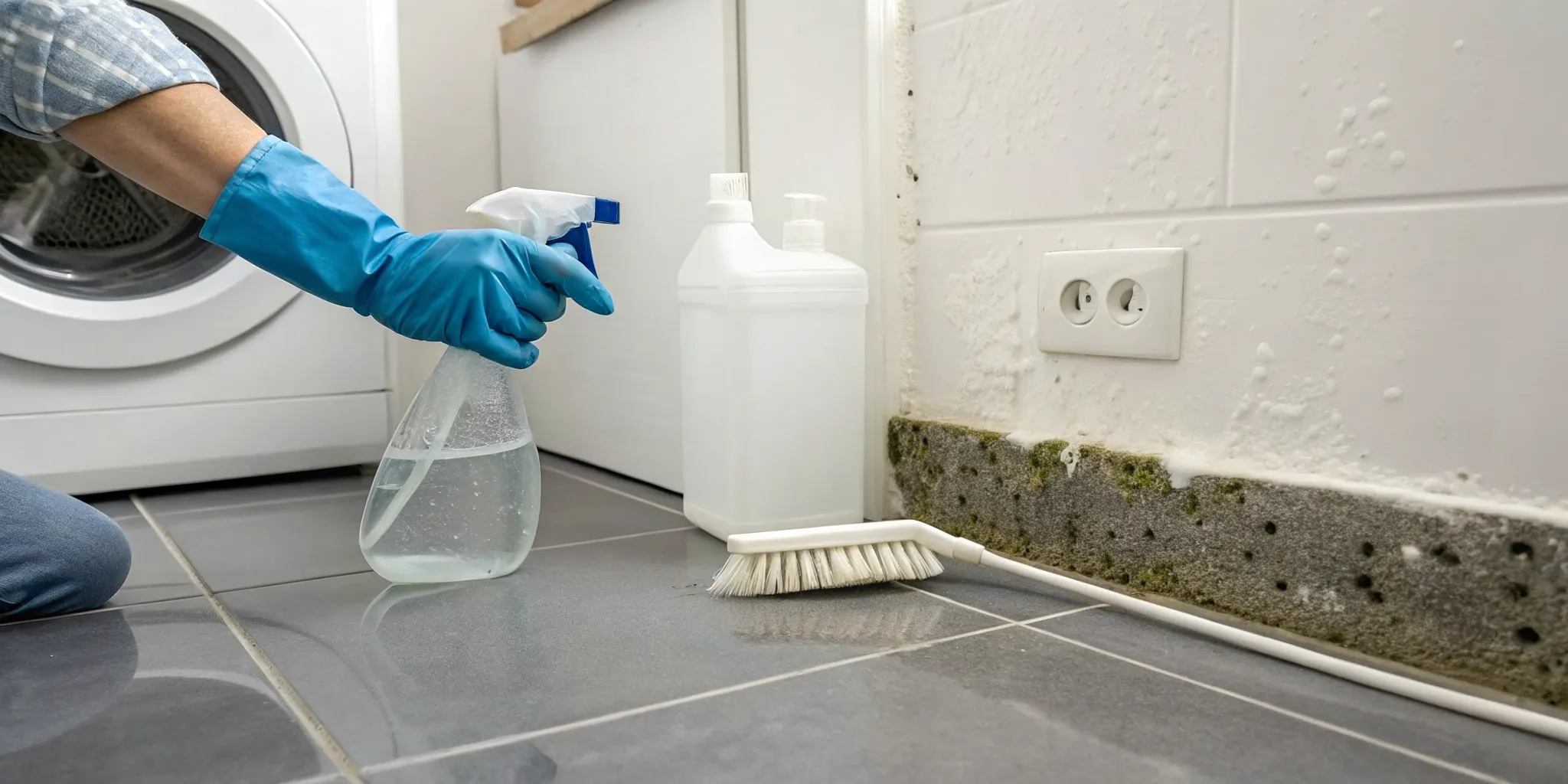
That first instinct to tackle a household problem yourself is a strong one, especially when you spot a patch of mold. For a very small, contained area, a DIY approach can sometimes be effective. However, it’s crucial to know the difference between what works and what can actually make the problem worse. Simply spraying a cleaner might not eliminate the mold's root system, and scrubbing can release thousands of spores into the air, spreading them to other parts of your home. This guide will help you understand the limits of DIY mold removal, identify the clear signs that it’s time to call in a professional, and ensure you’re making the safest choice for your home and family.
Key Takeaways
- Understand the limits of DIY cleanup: You can handle small mold spots (less than 10 square feet) on hard surfaces, but widespread growth, hidden mold, or contamination on porous materials like drywall requires professional expertise for safe and effective removal.
- Stop mold for good by controlling moisture: The most effective way to prevent mold from returning is to eliminate its water source. This means promptly fixing leaks, improving ventilation in damp areas, and managing indoor humidity levels.
- Choose your mold removal company wisely: When hiring a professional, look for certified technicians and get detailed quotes from several companies. The best choice isn't always the cheapest; it's the one that offers a thorough, transparent plan to solve the problem at its source.
Why Does Mold Removal Matter?
Finding mold in your home can be unsettling, and it’s tempting to either panic or ignore it and hope it goes away. But treating mold is about more than just cleaning up an unsightly spot. It’s a crucial step for protecting your family’s health and the structural integrity of your home. Understanding why prompt and proper mold removal is so important can help you take the right actions to keep your home safe and healthy.
The Health Risks of Mold Exposure
The biggest reason to take mold seriously is its impact on your health. Mold releases spores into the air, and when inhaled, they can cause a range of problems. For many people, this means allergy-like symptoms: sneezing, a runny nose, red eyes, and skin rashes. For individuals with asthma, mold exposure can trigger more severe reactions. The U.S. Environmental Protection Agency notes that even healthy people can experience respiratory issues. Children, the elderly, and anyone with a weakened immune system are especially vulnerable, making professional mold removal a priority.
How Mold Damages Your Property
Beyond health concerns, mold actively damages your home. It feeds on organic materials like wood, drywall, and insulation. As mold grows, it breaks down these materials, causing them to rot and weaken. Over time, this can lead to serious structural problems that are expensive to repair. You might also notice persistent musty odors that never seem to go away, no matter how much you clean. Stains on walls and ceilings are another common sign. Addressing a mold problem quickly stops the damage and protects your property value.
Common Mold Myths, Busted
There’s a lot of misinformation about mold that can lead to ineffective cleanup. One of the biggest myths is that you can kill mold with bleach. While bleach might remove the surface stain, it doesn't kill the roots growing in porous materials like wood or drywall. The water in bleach can actually feed the remaining mold, causing it to grow back. Another myth is that if you can't see or smell mold, you don't have a problem. Mold can thrive in hidden places like behind walls or under flooring, going undetected until it becomes a major issue. For more facts, check out our resource library.
What Are the Best Mold Removal Products?
Walking down the cleaning aisle can feel overwhelming when you’re facing a mold problem. With so many sprays, concentrates, and "miracle" solutions on the shelf, how do you know what actually works? The truth is, the best product depends on the type of mold and the surface you're cleaning. While some household products can handle minor spots, bigger issues often require something stronger.
Understanding the active ingredients is the key to choosing the right tool for the job. Some products are designed to kill mold at its root, while others are better at simply removing the ugly stains it leaves behind. Let's break down the most common options you'll find, from powerful commercial formulas to gentle, eco-friendly alternatives you might already have in your pantry. Remember, for significant mold growth, professional-grade solutions and expertise are essential for a safe and complete remediation process.
Commercial Mold Removal Solutions
When you need serious cleaning power, commercial mold removal products are your go-to. Most of these formulas rely on one of two active ingredients: hydrogen peroxide or sodium hypochlorite (the main component in bleach). Products like Concrobium Mold Control and other hydrogen peroxide-based cleaners are highly effective at killing active mold growth, not just bleaching the stain. They work by oxidizing the mold cells, destroying them completely. These solutions are great for non-porous surfaces like tile and glass, but always read the label to ensure they are safe for the material you’re treating. While these products are powerful, a widespread infestation often requires professional intervention to ensure every spore is handled safely.
Natural and Eco-Friendly Alternatives
If you prefer a gentler approach, several natural options can be surprisingly effective on small mold patches. Simple white vinegar is a fantastic choice because its acetic acid can kill around 82% of mold species. Just put it in a spray bottle, apply it to the affected area, let it sit for an hour, and wipe it clean. Another great natural ingredient is thyme oil, which is often found in eco-friendly cleaning agents. It’s known for both killing mold and removing the stains it leaves behind. These natural solutions are best for minor, surface-level mold and are a good first step for homeowners who want to avoid harsh chemicals for small clean-up jobs.
Comparing Active Ingredients: Bleach vs. Peroxide
Many people immediately reach for bleach when they see mold, but it’s not always the best choice. Bleach, or sodium hypochlorite, is excellent at removing dark mold stains from surfaces, making things look clean. However, it isn't as effective at killing the mold's underlying roots, especially on porous materials like wood or drywall. The mold can simply grow back. Hydrogen peroxide, on the other hand, is better at penetrating surfaces to kill mold at its source. While both can be effective, peroxide-based cleaners generally offer a more thorough kill rate. For any serious mold problem, it's best to consult with our team of experts to determine the right solution.
DIY Mold Removal: What Works and What Doesn't
When you spot mold in your home, your first instinct might be to tackle it yourself. For very small patches, a DIY approach can sometimes work, but it’s crucial to know which methods are effective and which can make the problem worse. The key is understanding the difference between surface cleaning and true remediation. Simply spraying a chemical on the spot might not address the mold's root system, especially on porous materials like drywall or wood.
Using the wrong technique can not only fail to solve the issue but can also spread mold spores to other areas of your home, creating a bigger headache down the line. Before you grab your scrub brush, let’s go over what actually works for small-scale mold cleanup, why that bottle of bleach isn't the magic solution you think it is, and the essential safety steps you can't afford to skip.
Effective DIY Techniques for Small Areas
If you're dealing with a small, contained spot of mold (less than 10 square feet), you might be able to handle it on your own. The US EPA’s guide suggests starting with simple tools. For hard, non-porous surfaces like tile, glass, or metal, scrub the area thoroughly with soap and water, then dry it completely. Proper drying is critical, as leftover moisture is what allows mold to thrive in the first place.
However, if mold is on a soft or porous surface like carpet, ceiling tiles, or drywall, cleaning usually isn't enough. These materials allow mold to grow deep inside, making it nearly impossible to remove completely. In these cases, the affected item often needs to be carefully removed and discarded. And whatever you do, don't just paint over a moldy surface. It won't kill the mold; it will just hide a problem that will continue to grow.
The Truth About Using Bleach for Mold
It’s one of the most common cleaning myths out there: just pour some bleach on mold, and the problem is solved. Unfortunately, it’s not that simple. While bleach can kill surface mold on non-porous materials, it can’t penetrate porous surfaces like wood or drywall. The mold's roots, or hyphae, remain untouched within the material, ready to grow back.
Even worse, bleach is mostly water. When you apply it to a porous surface, the chlorine component quickly evaporates, leaving the water behind. This water can soak into the material and actually feed the remaining mold roots, often causing the problem to return with a vengeance. For a truly effective solution, you need a professional mold removal process that addresses the mold at its source without adding more moisture to the problem.
Safety First: Essential DIY Precautions
Your health should always be the top priority during any mold cleanup. Mold spores can easily become airborne and cause respiratory issues or allergic reactions. Before you start, protect yourself by wearing an N-95 respirator mask, safety goggles, and long gloves to avoid inhaling spores or getting them on your skin.
To prevent spreading the problem, isolate the work area. You can use plastic sheeting to seal off doorways and vents. Also, make sure the room is well-ventilated by opening windows or using fans that point outside. If you have asthma, allergies, or a compromised immune system, it’s best to avoid DIY cleanup altogether. When in doubt, the safest option is to contact a professional who has the right equipment and training to handle the job safely.
When Should You Hire a Professional?
While tackling a small spot of mildew on your shower tile is one thing, a larger mold problem is a different story. Knowing when to put down the sponge and pick up the phone is key to protecting your home and your health. Some situations are simply too complex or hazardous for a DIY approach, and that’s when a professional can make all the difference. If you’re seeing signs of widespread growth, smelling a persistent musty odor, or have vulnerable family members at home, it’s time to consider calling in an expert.
Signs It's Time to Call an Expert
If you’re on the fence about calling for help, a few clear signs can make the decision for you. The U.S. Environmental Protection Agency (EPA) recommends calling a professional if the mold patch covers more than 10 square feet, which is roughly a 3-by-3-foot area. You should also call an expert if you suspect mold is in your heating or air conditioning system, as running the system could spread spores throughout your entire home. Another major red flag is a persistent, musty smell that lingers even after you’ve cleaned. This often points to a hidden source of mold that you can’t see. If you’ve cleaned a moldy area only to have it return, it’s time for a professional mold removal service to find and fix the underlying moisture problem.
Dealing with Hidden Mold and Structural Damage
Sometimes, the mold you can see is just the tip of the iceberg. Mold thrives in dark, damp, hidden places like the space behind your drywall, under carpets, or in your attic insulation. If you smell that tell-tale earthy odor but can’t find the source, you likely have a hidden colony. Professionals use tools like moisture meters and infrared cameras to locate hidden mold without needing to tear down your walls. Attempting to find it yourself can lead to unnecessary damage. More importantly, improper removal techniques can release a cloud of spores into the air, potentially making your air quality worse. A certified team from a company like Remtech Environmental has the training and equipment to contain the area and remove the mold safely.
Protecting Vulnerable Family Members
Your family’s health is the most important reason to hire a professional. For most healthy people, a small amount of mold might not cause a reaction, but for others, it can be a serious health risk. Children, the elderly, and anyone with asthma, allergies, or a compromised immune system are particularly vulnerable to mold-related illnesses. Even a small amount of exposure can trigger respiratory issues, allergic reactions, and other symptoms. If anyone in your household falls into one of these categories, you shouldn’t take any chances with DIY mold cleanup. Bringing in a professional ensures the mold is removed completely and safely, giving you peace of mind that your home is a healthy environment for everyone. You can see how other families have benefited from professional services by reading customer testimonials.
How to Choose a Reliable Mold Removal Company
Finding mold in your home is stressful enough; choosing the right company to handle it shouldn't add to your worries. The right professionals will not only remove the mold but also help you understand why it appeared and how to prevent it from returning. This isn't a time to simply look for the cheapest or fastest option. You're hiring a team to protect your property and, more importantly, your family's health. A reliable company will be transparent, knowledgeable, and thorough.
Making a smart choice means doing a little homework. You'll want to look into a company's experience, their process, and what past customers have to say. Think of it like an interview. You’re vetting candidates for a very important job. A great company will welcome your questions and provide clear answers that give you confidence in their ability to solve your mold problem for good. Taking these extra steps ensures the job is done right the first time, giving you lasting peace of mind.
Check for Certifications and Credentials
When you start your search, the first thing to look for is proof of expertise. A reputable mold removal company should have certified technicians and be fully licensed and insured. Certifications from organizations like the IICRC (Institute of Inspection, Cleaning and Restoration Certification) show that the team has been properly trained in industry-standard practices for safe and effective remediation. As the U.S. Environmental Protection Agency (EPA) advises, you should always "make sure they have experience cleaning up mold" and follow established guidelines.
Don’t hesitate to ask a company about their team's qualifications. A professional service will be proud to share their credentials. This is a key indicator that they are committed to high standards and understand the science behind mold removal, rather than just surface-level cleaning. You can usually find this information on a company’s website, often on their about us page.
Key Questions to Ask Potential Contractors
Once you've shortlisted a few companies, it's time to pick up the phone. Having a list of questions ready will help you compare your options and get a feel for their customer service. Start with the basics, like their availability and scheduling process, especially if your situation is urgent. You should also ask about their specific remediation process. How will they contain the area to prevent spores from spreading? What kind of equipment do they use?
It’s also important to ask if they provide post-remediation testing to confirm all the mold has been removed. Inquire about their experience with situations similar to yours and ask if they can provide references or testimonials from past clients. Their answers will reveal a lot about their professionalism and expertise.
How to Compare Services and Costs
Getting quotes from at least three different companies is a smart move. This allows you to compare not just the price but the scope of work being offered. A detailed quote should outline every step of the process, from containment and removal to cleanup and disposal. Be wary of any bid that seems unusually low, as it might signal cut corners or a lack of proper equipment and safety measures.
When you review the quotes, make sure you’re comparing apples to apples. Does one company include post-remediation verification while another charges extra for it? What kind of guarantee do they offer on their work? The national average for mold removal can range from around $600 to over $2,300, but your final cost will depend on the size of the affected area and the complexity of the job. The best choice is often not the cheapest, but the one that offers the most thorough and transparent plan of action.
Best Practices for Safe and Effective Mold Removal
Once you’ve identified a mold problem, tackling it the right way is critical for your health and your home’s integrity. Simply scrubbing away the visible spots isn’t enough. Effective mold removal involves a careful process to get rid of the mold completely and prevent it from spreading. Following a few key best practices ensures the air you breathe is clean and your home is safe. Whether you're handling a small spot on your own or preparing for professional help, these steps are the foundation for a successful cleanup.
Contain the Area and Ensure Proper Ventilation
The first step in any mold cleanup is to stop the spores from spreading. When you disturb a mold colony, it can release thousands of microscopic spores into the air, which can then travel through your HVAC system and start new colonies elsewhere. To prevent this, seal off the affected room from the rest of the house using plastic sheeting and tape. Be sure to cover doorways, vents, and any other openings.
Proper ventilation is just as important. Open windows in the contained area and use fans to pull air out of the room, creating negative pressure. This helps ensure that airborne spores are directed outside instead of into other parts of your home. Taking these precautions is a crucial part of a safe mold removal process.
Match Your Method to the Surface and Mold Type
Not all mold situations are created equal. The right removal method depends on the type of surface affected and the size of the problem. According to the EPA, you can typically handle a cleanup yourself if the affected area is less than 10 square feet. For anything larger, it’s best to contact a professional to avoid making the problem worse.
Hard, non-porous surfaces like tile, glass, and metal can often be cleaned with a detergent and water solution. However, mold on porous materials like drywall, carpet, and wood is much trickier because the mold can grow deep into the material. In many cases, these materials must be carefully removed and replaced to ensure all the mold is gone.
Verify Removal and Clean Up Properly
After you’ve removed the mold, a thorough cleanup is essential to get rid of any lingering spores. Use a HEPA-filtered vacuum on all surfaces in the contained area, then wipe everything down with a damp cloth. Remember to dispose of all cleaning materials, contaminated building materials, and plastic sheeting in sealed, heavy-duty plastic bags.
It’s important to know that some staining or discoloration might remain even after the mold is gone. The main goal is to eliminate the actual mold growth to protect your health. The EPA’s guide to mold cleanup in your home is a great resource for detailed cleaning steps. If you have any doubts about whether the mold has been fully removed, a professional inspection can give you peace of mind.
How to Find the Best Deals on Mold Removal
Finding a great deal on mold removal isn’t just about the lowest price; it’s about getting the best value. That means effective, safe results that protect your home and family. A suspiciously low bid might seem tempting, but it could signal incomplete work or a company that isn’t properly insured. The best approach is to gather quotes from several reputable companies to compare their prices, methods, and guarantees. By focusing on value, you ensure the job is done right the first time, saving you from more expensive problems later. It's an investment in your property’s health and your peace of mind.
Look for Online Deals and Promotions
Start your search by getting multiple quotes from certified mold remediation companies. When you request an estimate, be ready to share details about the mold, but expect that a professional will need an on-site inspection for an accurate price. As you compare offers, look beyond the final number. Consider the scope of work, their containment procedures, and any warranties they offer. A cheap quote that doesn’t solve the underlying moisture problem is no deal at all, so choose a comprehensive solution.
Tips for Negotiating Professional Service Costs
With a few quotes in hand, you’re in a better position to discuss cost. A professional quote is based on a detailed assessment of the growth and affected materials. The final price for professional mold removal can vary, but multiple estimates give you a solid baseline. Don't hesitate to ask questions if one quote seems much higher or lower than the others. You can also inquire about their scheduling flexibility or different service packages. A good contractor will happily explain their pricing and the value behind their service.
Effective, Budget-Friendly Alternatives
For a very small area of surface mold, like a few spots on shower tile, you might manage it yourself. White vinegar is a great household option that can kill many common mold species. Just spray it on, let it sit for an hour, and wipe it clean. While many people use bleach, it’s better at removing stains than killing mold, especially on porous surfaces like wood. Remember, these DIY methods are only for minor issues. If the mold covers a large area, smells musty, or returns after cleaning, it’s time to call a professional.
How to Prevent Mold from Coming Back
You’ve gone through the effort of removing mold from your home, and the last thing you want is for it to come back. The good news is that preventing mold from returning is entirely possible with a proactive approach. It’s not about using special paints or magic sprays; it’s about creating an environment where mold simply can’t thrive. The key is to cut off its life source: moisture. By managing water and humidity in your home, you can effectively shut the door on future mold problems. Mold spores are a natural part of our environment, floating harmlessly in the air both indoors and out. They only become a problem when they land on a wet surface and begin to grow. This is why simply cleaning the visible mold isn't enough. If the underlying moisture issue isn't resolved, the mold will almost certainly return.
The entire strategy for keeping your home mold-free boils down to one fundamental principle: control moisture. This means being vigilant about leaks, managing indoor humidity, and ensuring your home is equipped to handle the elements, especially in a humid climate like ours in North Carolina. We’ll walk through three core strategies to help you stay ahead of the game. First, we'll cover the daily and weekly habits that manage moisture and humidity. Next, we'll outline how to create a simple maintenance schedule to catch potential problems before they start. Finally, we'll look at some long-term prevention strategies that protect your home's structure and your family's health for years to come. These steps will help you maintain the clean, safe environment you worked so hard to restore.
Control Moisture and Manage Humidity
Mold and moisture are a package deal. If you have a mold problem, you have a moisture problem. The first and most important step in prevention is to get serious about keeping your home dry. This means fixing leaks the moment you spot them, whether it’s a dripping pipe under the sink or a small water stain on the ceiling. Don’t wait. Dry any wet areas completely within 24 to 48 hours to prevent mold from taking hold. In damp areas like bathrooms and laundry rooms, improve the airflow by running an exhaust fan during and after use or opening a window. A good dehumidifier can also be a game-changer, especially in basements and crawl spaces where humidity tends to collect.
Create a Maintenance Schedule for Early Detection
Mold loves to hide in dark, out-of-the-way places, so you can’t always rely on spotting it during your regular cleaning routine. That’s why a simple maintenance schedule is so effective. Once a month, do a quick walkthrough of your home specifically looking for signs of moisture or mold. Check under sinks, in closets, around windows, and in the basement. Look for musty smells, water stains, or condensation. Catching a small leak or a bit of condensation early is much easier to handle than a full-blown mold colony. Since mold can spread in as little as 72 hours, staying vigilant helps you stop a potential problem in its tracks. Our Resource Library has more tips for what to look for.
Long-Term Prevention Strategies for Your Home
Beyond daily habits and monthly checks, a few bigger-picture strategies can make a huge difference, especially here in North Carolina. Our humid climate means crawl spaces can become breeding grounds for mold if they aren't properly managed. Consider having your crawl space professionally encapsulated to keep ground moisture out. Also, check the landscaping around your home. The ground should slope away from your foundation to prevent water from pooling. Keep your gutters clean and ensure downspouts direct water at least a few feet away from the house. Ultimately, the most effective long-term strategy is to eliminate the source of moisture. If you continue to struggle with dampness or suspect a recurring issue, it might be time for a professional mold removal assessment.
Frequently Asked Questions
Why is bleach often not enough to get rid of mold for good? Many people reach for bleach first, but it's more of a surface-level fix. While it can remove the dark stains mold leaves on non-porous surfaces like tile, it doesn't effectively kill the mold's roots, especially in porous materials like drywall or wood. The water in the bleach can even soak into the material and feed the remaining roots, causing the mold to grow back, sometimes even worse than before.
What are the signs of hidden mold I can't see? The most common sign of hidden mold is a persistent musty or earthy smell that you can't seem to locate. You might also notice peeling wallpaper, warped walls, or discoloration on ceilings or walls for no apparent reason. If you've had a past water leak or experience high humidity in a certain area, there's a good chance mold could be growing behind the scenes, even if it's not visible.
My mold problem seems small. Do I still need to worry about health risks? Yes, it's always best to take any amount of mold seriously. Even a small patch releases spores into the air, which can trigger allergy-like symptoms, such as sneezing and itchy eyes, in sensitive individuals. For people with asthma, young children, the elderly, or anyone with a weakened immune system, even minor exposure can cause more significant respiratory issues.
What factors influence the cost of professional mold removal? The cost of professional services depends on several key factors. The size of the affected area is the biggest one, along with the type of material the mold is growing on; porous materials like drywall are often more complex to handle than non-porous ones. The location of the mold, such as in a hard-to-reach crawl space, and the extent of the underlying water damage will also play a significant role in the final price.
After professional removal, what's the most important thing I can do to keep mold away? The single most important thing you can do is control moisture. Mold needs water to grow, so keeping your home dry is the ultimate prevention strategy. This means promptly fixing any leaks, ensuring good ventilation in bathrooms and kitchens, and using a dehumidifier in damp areas like basements. Consistent moisture control creates an environment where mold simply can't get a foothold.