
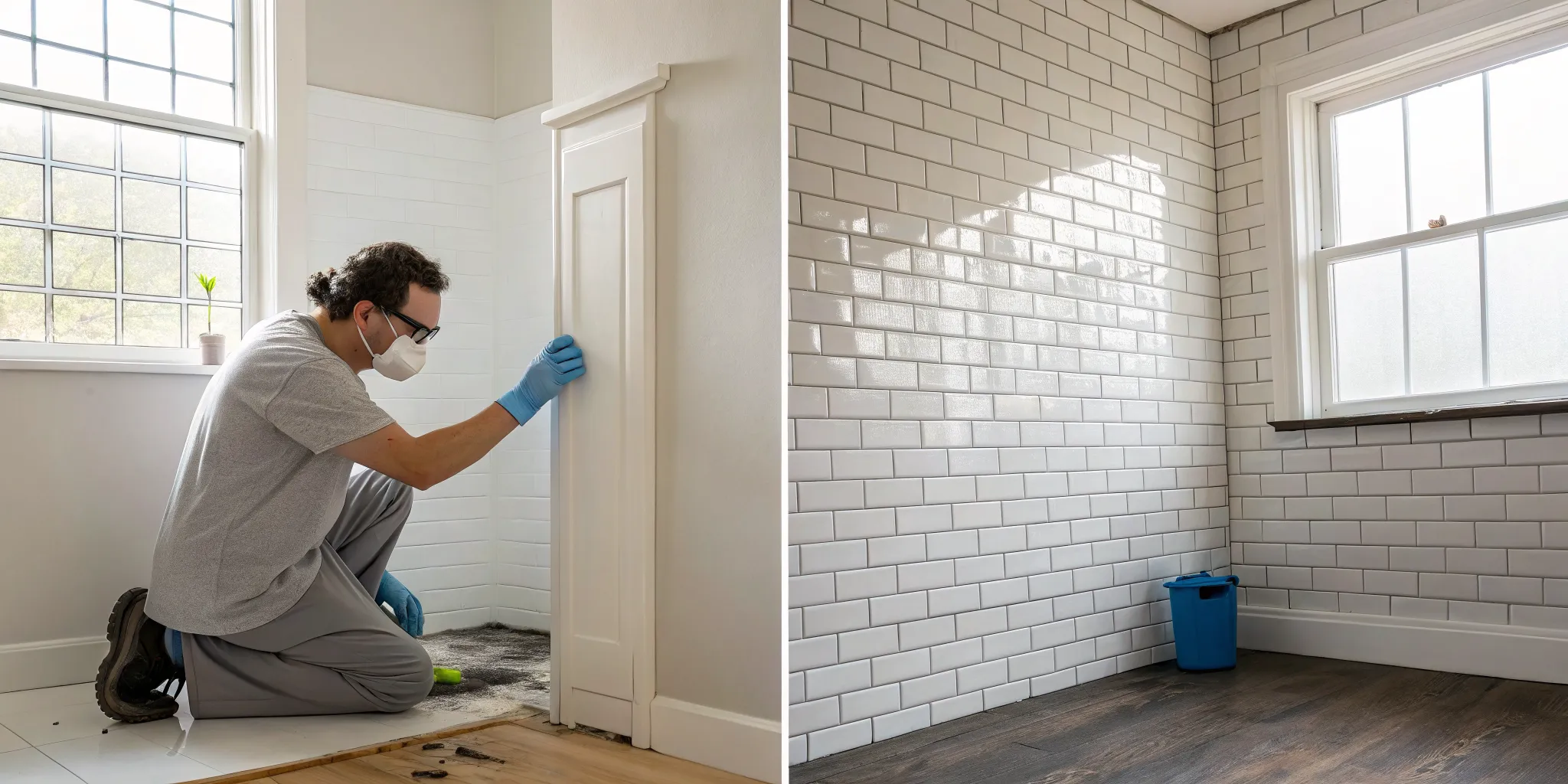
Visible mold is often just the tip of the iceberg. It’s a clear signal that there’s an underlying moisture problem somewhere in your home, whether it’s a slow leak behind a wall, poor ventilation in the attic, or condensation in the basement. Simply cleaning the surface without fixing the source of the water is like putting a bandage on a wound that needs stitches; the problem will inevitably return. This guide will help you look beyond the stain and understand how to diagnose the root cause, assess the full scope of the issue, and follow the correct process for a comprehensive mold removal that truly lasts.
Key Takeaways
- Prioritize fixing the water source: Mold removal is ineffective without addressing the root cause. Lasting solutions come from repairing leaks, controlling humidity, and ensuring proper airflow.
- Understand when to call for help: DIY methods can work for small areas (under 10 square feet), but you should always contact a professional for large infestations, mold in your HVAC system, or issues caused by major water damage.
- Choose a certified professional for safe results: When hiring a company, look for IICRC certification. This ensures they use proper containment to prevent spreading spores and verify the job is complete with air quality checks.
What is Mold and Why is it a Problem?
Let’s start with the basics: mold is a type of fungus that exists everywhere, both indoors and outdoors. Its spores travel through the air, and they only become a problem when they find a damp spot in your home to land and multiply. Mold is a tough organism that can cause significant issues if it’s not handled correctly. Because it thrives on moisture, it can grow on almost any organic surface, from drywall and wood to carpet and insulation. Once it takes hold, it feeds on these materials and can spread quickly, compromising your home’s air quality and even its structural integrity over time.
The key to dealing with mold is understanding that it needs water to grow. A leaky pipe, condensation from a window, a damp basement, or even high humidity can create the perfect environment for a colony to form. While it’s a natural part of the environment, you don’t want it setting up camp inside your house. Proper mold removal is about more than just cleaning a surface; it’s about identifying and addressing the underlying moisture source to make sure the mold doesn’t come right back. Without fixing the water problem, any cleanup effort is just a temporary fix.
Signs You Have a Mold Problem
Not sure if you have mold? Your senses are often the best first line of defense. One of the most common indicators is a persistent, musty odor that you can’t seem to trace. You might also see visible signs of growth, which can look like spots or stains in various colors, including black, green, or white, often appearing on walls or ceilings. If your allergy symptoms seem worse at home or you notice signs of recent water damage, those are also strong clues. Trust your instincts; if something seems off with your home’s air or appearance, it’s worth a closer look.
How Mold Affects Your Health
Beyond being an unsightly nuisance, mold can cause a range of health problems. Exposure can trigger allergic reactions, with symptoms like sneezing, a runny nose, red eyes, and skin rashes. For people with asthma, mold can lead to more frequent attacks. Even if you don’t have pre-existing conditions, you might experience irritation in your eyes, skin, nose, throat, and lungs. It’s important to remember that even small amounts of mold can pose health risks, especially for children, the elderly, and anyone with a weakened immune system. Taking care of a mold problem is a direct investment in your family’s well-being and the health of your home.
Common Types of Household Mold
You’ve probably heard of "black mold," but the truth is that mold comes in thousands of different species, and many can be black. The color alone doesn't tell you how dangerous it is. Molds like Cladosporium, Penicillium, and Aspergillus are some of the most frequent uninvited guests in homes. They can grow in any climate as long as there’s enough moisture. While some DIY solutions, like white vinegar, can be effective on small, non-porous surfaces, they often don’t penetrate materials like drywall to kill the mold at its roots. Understanding that any type of widespread mold requires careful handling is the first step toward a real solution.
A Guide to DIY Mold Removal
Spotting a small patch of mold can be alarming, but if the affected area is minor (typically less than 10 square feet), you might be tempted to handle it yourself. Tackling a small mold issue on your own can be effective, but only if you do it correctly and safely. The key is to not only clean the visible mold but also to address the underlying moisture problem that allowed it to grow in the first place. If you’re not careful, you could end up spreading mold spores and making the situation worse.
Before you grab a sponge, it’s important to understand the right way to approach the job. We’ll walk through the essential safety gear you’ll need, the best products to use (some of which are probably already in your pantry), a step-by-step cleaning process, and the common mistakes that can turn a small problem into a big one. For larger infestations or recurring issues, professional mold removal is always the safest bet.
Essential Safety Gear for DIY Removal
First things first: safety is not optional when dealing with mold. Disturbing mold releases spores into the air, which you can easily inhale. To protect yourself, you’ll need the right personal protective equipment (PPE). Don’t even think about starting without an N-95 or P-100 respirator mask to filter out tiny spores. You’ll also want safety goggles that fully cover your eyes, not just regular glasses. Finally, wear long sleeves, pants, and a pair of non-porous gloves (like rubber or nitrile) to prevent skin contact. This gear creates a barrier between you and the mold, keeping you safe while you work.
The Best DIY Mold Removal Products
You don’t need harsh chemicals to treat a small patch of mold. In fact, some of the most effective solutions are likely already in your home. White vinegar is a great option, as it can kill more than 80% of mold species. Just mix equal parts vinegar and warm water in a spray bottle. Baking soda is another excellent, non-toxic choice; you can create a paste with water to scrub away mold or dissolve it in water to use as a spray. For a slightly stronger solution, a 3% concentration of hydrogen peroxide can effectively kill mold on contact by oxidizing its cell walls.
Your Step-by-Step DIY Removal Process
Once you have your gear and cleaning solution, you’re ready to get started. The most important thing is to act fast, because the longer mold sits, the more damage it can cause. First, scrub the mold off any hard surfaces like tile or painted walls using a simple mix of detergent and water, then dry the area completely. Next, apply your chosen cleaning solution, like a vinegar and water spray, and let it sit for about an hour. After it has had time to work, rinse the area with clean water and wipe it down. The final, and most critical, step is to ensure the surface is thoroughly dry.
Common DIY Mistakes to Avoid
Handling mold removal yourself can go wrong if you’re not careful. One of the biggest mistakes is using a standard household vacuum to clean up. These vacuums don’t have the right filters and can end up spreading mold spores throughout your home. Another common error is reaching for bleach. While many people think bleach is the ultimate mold killer, it often only removes the color from the mold and doesn’t penetrate porous surfaces to kill the roots. Finally, the most significant mistake is ignoring the root cause. If you don’t fix the leak or high humidity that caused the mold, it will simply grow back. Finding and repairing the source of the moisture is essential for a long-term solution.
When to Call a Professional Mold Removal Service
Tackling a small spot of mold on your own can feel empowering, but there are times when calling for backup is the smartest and safest move. Professional mold remediation isn't just about cleaning what you can see; it's a comprehensive process that protects your home and your health. Knowing when to put down the scrub brush and pick up the phone is key. If you're facing a widespread issue or dealing with the aftermath of significant water damage, an expert team has the right tools and training to handle the job safely and effectively, ensuring the mold is gone for good.
Situations That Require an Expert
While every situation is unique, there are clear signs a mold problem is too big for a DIY project. A good rule of thumb is to call a professional if the affected area is larger than 10 square feet. You should also seek expert help if the mold growth is a result of major water damage or contaminated water, like a sewage backup. Another critical time to call is when you suspect mold in your HVAC system, as this can spread spores throughout your home. These situations require specialized containment and removal techniques to prevent making the problem worse.
The Benefits of Hiring a Certified Specialist
Hiring a certified specialist offers peace of mind that you just can't get from a DIY approach. Professionals do more than just scrub away visible mold; they use advanced equipment to identify the source of the moisture that allowed it to grow. By addressing the root cause, they help prevent future outbreaks. A professional service protects your family’s health by properly containing the area to stop spores from spreading. It also protects your property’s value by ensuring the job is done right the first time, as you can see from our client testimonials.
Why Household Cleaners Like Bleach Often Fail
It’s one of the most common cleaning myths out there: just use bleach to kill mold. Unfortunately, this advice isn't effective and can make things worse. Bleach works on non-porous surfaces like tile, but it can’t penetrate porous materials like drywall or wood where mold thrives. It might remove the surface color, making you think the problem is solved, but the mold’s roots are left behind to regrow. A professional service uses EPA-approved antimicrobial treatments that eliminate mold at its source, providing a lasting solution that household cleaners can't match.
How to Choose the Right Mold Removal Company
Finding a mold problem in your home can be stressful, and choosing the right company to fix it shouldn't add to that anxiety. But with so many options out there, how do you know who to trust? The reality is that not all mold removal services are created equal. The right partner won’t just scrub away the visible spots; they will identify the moisture source, safely contain and remove the mold, and ensure your home’s air quality is restored. Taking the time to vet a company is one of the most important steps you can take for the health of your home and family.
A trustworthy company will have a long history of excellent service and a team of qualified experts. They should be transparent about their process, pricing, and qualifications from the very first conversation. Look for a team that prioritizes safety and follows established industry standards, because a botched remediation job can leave you with a bigger, more expensive problem than you started with. Before you hire anyone, do a little homework to understand who you’re letting into your home. Learning more about a company and its values can give you peace of mind that you're making the right choice.
Look for Proper Certifications and Licensing
When you’re looking for a mold specialist, one of the first things you should check for is their certifications. Mold remediation is a science, and it requires specific training to do correctly and safely. A company’s technicians should be certified by a reputable organization like the IICRC (Institute of Inspection, Cleaning and Restoration Certification). This certification means they’ve been trained in the industry’s best practices for containment, removal, and safety.
A certified professional understands how to handle hazardous materials without spreading spores to other areas of your home. Don’t be shy about asking for proof of certification. A reputable company will be happy to provide it. This isn't just a formality; it’s your assurance that the team has the expertise to handle the job effectively, which is something you'll see reflected in their customer testimonials.
Key Questions to Ask Before You Hire
Once you’ve confirmed a company is certified, it’s time to ask some specific questions to understand their process and professionalism. Having a list of questions ready helps you compare different services and identify the most thorough and transparent provider. Before you sign a contract, make sure you get clear answers to these questions.
Here are a few key things to ask:
- What does your mold remediation process involve?
- How will you contain the work area to prevent mold spores from spreading?
- Do you perform post-remediation testing to verify the mold is gone?
- Can you provide a detailed, written estimate before work begins?
- Are your technicians employees or subcontractors?
A professional company will welcome your questions and provide straightforward answers. Feel free to reach out with your list and see how they respond.
Red Flags of an Unreliable Service
Just as important as knowing what to look for is knowing what to avoid. Some companies use shortcuts or outdated methods that can put your home and health at risk. One of the biggest red flags is any mention of using bleach to "kill" mold. While bleach may remove the surface stain, it doesn't eliminate the mold's roots, especially on porous surfaces like drywall or wood. The mold will almost always grow back.
Be wary of anyone who offers a very low price without a thorough inspection, uses high-pressure sales tactics, or is unwilling to provide a written contract. Vague answers to your questions are another warning sign. A true professional will be able to explain their process clearly and confidently. If something feels off, it probably is. Trust your gut and find a certified mold removal service that prioritizes doing the job right.
What Does Professional Mold Removal Cost?
Let's talk about one of the biggest questions on your mind: the cost. When you're dealing with mold, figuring out the budget for removal is a top priority. The truth is, there’s no single price tag for professional mold remediation. The final cost depends on your specific situation, from the size of the problem to the materials involved.
Understanding what goes into a professional service helps clarify the investment. Unlike a simple surface cleaning, professional mold removal is a complex process designed to safely and completely eliminate the mold and prevent it from returning. Think of it not just as a cleaning fee, but as an investment in your property’s health and your family’s well-being. In the following sections, we’ll break down the factors that influence pricing, compare the costs of DIY versus professional services, and touch on how your insurance might play a role.
Factors That Influence Pricing
The cost of professional mold removal can vary quite a bit because every mold situation is unique. Key factors that determine the price include the size of the affected area, the location of the mold, and the type of materials it has grown on. A small, contained spot on a non-porous surface will cost less to handle than a large infestation that has seeped into drywall or structural wood. Hard-to-reach areas like crawl spaces or attics can also increase the cost due to the extra labor and equipment required. The extent of the damage is another major factor; if materials need to be removed and replaced, the project will be more involved.
Comparing the Costs: DIY vs. Professional
At first glance, a DIY approach seems like the cheaper option. You buy a few products, and you’re good to go, right? Not exactly. While the upfront cost is lower, DIY mold cleanup often fails to address the root cause, which can lead to the mold returning. Worse, improper cleaning can spread mold spores to other areas of your home, making the problem bigger and more expensive to fix later. Professional remediation is an investment that protects your family’s health and your property’s value by ensuring the job is done correctly and safely the first time. Our team of experts has the training and equipment to handle it right.
Understanding Your Insurance Coverage
Navigating homeowners insurance can be tricky, and mold coverage is a perfect example. Whether or not your policy covers mold removal often depends on the original cause of the moisture. Generally, insurance may cover mold damage if it’s the result of a sudden, accidental event, like a burst pipe or a malfunctioning appliance. However, mold caused by long-term issues, such as a slow leak, poor ventilation, or general lack of maintenance, is typically not covered. It’s always best to review your policy documents carefully and speak directly with your insurance agent to understand what’s included. We can provide the necessary documentation to help you with your claim, so feel free to contact us for an assessment.
The Professional Mold Removal Process
When you bring in a professional team, you’re getting more than just a surface-level cleaning. You’re investing in a systematic process designed to safely and completely handle a mold problem from start to finish. Unlike DIY methods that often just address the visible growth, a professional mold removal service tackles both the mold you can see and the hidden moisture source that allowed it to thrive in the first place. This comprehensive approach is what truly resolves the issue and prevents it from coming back.
Professionals are trained to handle hazardous materials safely. During removal, mold spores can easily become airborne and spread to other parts of your home, creating new problems and posing a health risk. An expert team uses specialized containment strategies and equipment to prevent this cross-contamination. They follow a meticulous, multi-stage operation that begins with a detailed assessment and ends with verification that your home’s air quality is back to normal. Understanding what the experts do shows why their approach is so effective at protecting your property and your family’s health.
Step 1: Comprehensive Assessment and Testing
A professional process always starts with a thorough assessment of your property. This goes far beyond just looking at the visible mold patch on your wall. Certified technicians work to identify the full extent of the contamination, which may be hidden behind walls, in crawl spaces, or under flooring. They also focus on pinpointing the source of the moisture, whether it’s a leaky pipe, poor ventilation, or a foundation issue. This step is critical because simply cleaning the mold without fixing the underlying water problem means it will almost certainly return. In some cases, air and surface samples may be taken to identify the specific type of mold, which helps create the most effective remediation plan.
Step 2: Containment and Safe Removal
Once the scope of the problem is clear, the team gets to work on containment. This is one of the most important steps that separates professional work from a DIY attempt. The affected area is sealed off from the rest of your home using physical barriers like plastic sheeting. Then, specialized equipment like air scrubbers are used to create negative pressure, which prevents airborne mold spores from escaping the work zone. Our certified technicians use professional-grade antimicrobial agents and tools to safely remove the mold from all affected materials, ensuring the process is handled with precision and care.
Step 3: Final Verification and Air Quality Checks
After the mold has been physically removed and the area is cleaned, the job still isn't finished. A professional service will perform a final verification to ensure the remediation was successful. This often involves a detailed visual inspection and sometimes includes post-remediation air quality testing. These tests confirm that the mold spore levels in the treated area have returned to a normal, healthy baseline. This final step provides you with documented proof and, more importantly, peace of mind that your home’s air is safe to breathe again. It’s the ultimate quality check that ensures the problem has been fully resolved, so you can contact us with confidence.
How to Prevent Mold from Returning
Getting rid of mold is a huge relief, but the job isn’t done until you take steps to keep it from coming back. Since mold spores are everywhere, preventing a recurrence is all about controlling your home's environment. By focusing on moisture, airflow, and regular maintenance, you can create a space where mold can’t thrive. These proactive steps are your best defense against another mold problem.
Manage Moisture and Humidity Levels
Mold's best friend is moisture, so your first line of defense is keeping your home dry. Aim to keep your indoor humidity level below 50%, which you can monitor with a hygrometer. If your home’s humidity is consistently high, run a dehumidifier in damp areas like basements and crawl spaces. It’s also critical to fix any water leaks immediately, from a dripping pipe to a small roof leak. Promptly addressing any water damage is one of the most effective ways to stop mold before it starts.
Improve Ventilation and Airflow
Stagnant, damp air is another invitation for mold. Improving your home's ventilation helps moisture escape instead of collecting on surfaces. Pay close attention to high-moisture zones like your bathroom and kitchen. Always use the exhaust fan when you shower or cook, and let it run for about 30 minutes afterward. When possible, opening windows can do wonders for air circulation. Also, check that your clothes dryer vents directly outside. These simple habits can significantly reduce moisture accumulation and make your home far less hospitable to mold.
Simple Long-Term Maintenance Strategies
A little regular maintenance goes a long way in preventing mold. Make it a habit to inspect your property for potential issues. Check for water stains on ceilings, look for leaks under sinks, and ensure your gutters are clean and directing water away from your foundation. Remember, mold can grow in as little as 48 hours after water damage, so quick action is essential. If you find a leak, dry the area completely. For larger issues or if you spot signs of returning mold, don't hesitate to call for a professional assessment. Staying vigilant is key to keeping your home healthy.
Frequently Asked Questions
Is all black mold the dangerous "toxic" kind? That's a common misconception. While some molds can produce toxins, the color of the mold doesn't tell you whether it's harmful. Many different species of mold can appear black, and most are no more or less dangerous than molds of other colors. The most important thing to remember is that any type of mold growing in your home can cause health issues and damage your property, so it should always be addressed properly, regardless of its color.
Can I just use bleach or paint over a small mold spot? While it might seem like a quick fix, using bleach or painting over mold is not a good idea. Bleach often only removes the color from the surface of the mold without killing the roots embedded in porous materials like drywall or wood. Painting over it simply hides the problem and traps moisture, which can allow the mold to continue growing underneath. The only effective solution is to completely remove the mold and fix the moisture issue that caused it.
My house has a musty smell, but I can't find any visible mold. What should I do? A persistent musty odor is one of the most reliable signs of hidden mold. Mold can grow behind walls, under carpets, or in crawl spaces where you can't easily see it. If you smell something off but can't locate the source, it's a good idea to call a professional for an assessment. They have specialized tools and expertise to find hidden mold and identify the underlying moisture problem that needs to be fixed.
How long does the professional mold removal process usually take? The timeline for professional mold removal really depends on the size and complexity of the job. A small, contained issue in an accessible area might only take a day or two to resolve. However, a larger project that involves significant contamination or requires the removal and replacement of building materials could take several days. A reputable company will give you a clear and realistic timeline after their initial assessment.
Will my homeowners insurance cover the cost of mold removal? Insurance coverage for mold can be complicated. Typically, policies may cover mold damage if it was caused by a sudden and accidental event, like a burst pipe. However, if the mold resulted from a long-term issue like a slow leak, high humidity, or poor maintenance, it's often not covered. The best course of action is to review your specific policy and speak directly with your insurance agent to understand your coverage.