
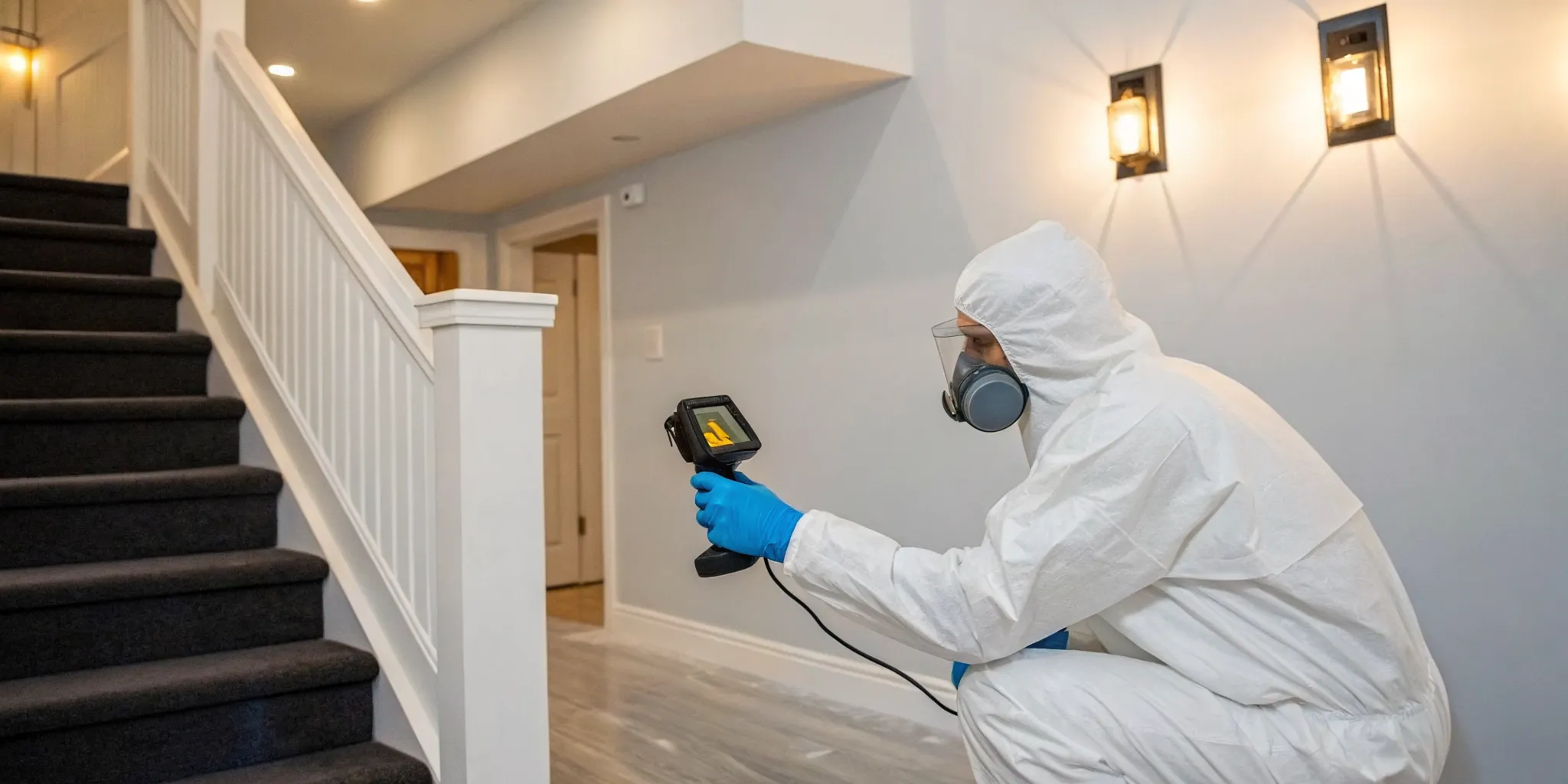
If you or your family have been dealing with persistent allergies, a constant runny nose, or worsening asthma symptoms without a clear cause, the culprit could be hiding in your walls. Mold is more than just an unsightly problem; it can seriously impact your home’s indoor air quality and your family’s health. Tackling it correctly isn’t a DIY job—it’s a task for a professional who understands the science behind mold growth and removal. A certified mold remediation specialist is trained to eliminate the problem at its source, protecting your home and, more importantly, the people in it. In this article, we’ll explore the health risks associated with mold and explain how to find a qualified expert to restore your home to a safe, healthy environment.
Key Takeaways
- Know when professional help is necessary: If you're dealing with mold that covers more than 10 square feet, is hidden within walls or your HVAC system, or if family members are experiencing allergy-like symptoms, it's time to call a specialist.
- Vet your specialist's credentials: A qualified professional will readily provide proof of their industry certifications, such as from the IICRC, along with their license and insurance to protect you and your property.
- Get clear quotes and watch for red flags: Always get detailed written estimates from multiple companies, ask about their containment process, and be cautious of unusually low bids or high-pressure sales tactics.
What is a mold remediation specialist?
When you find mold in your home or business, it’s easy to feel overwhelmed. A mold remediation specialist is a trained professional whose entire job is to take that stress off your shoulders. Think of them as the experts you call to identify, remove, and prevent mold growth. They have the right training and certifications to handle the problem safely and effectively, ensuring the mold is gone for good and your property is healthy again.
What does a mold specialist do?
A mold specialist does much more than just scrub away visible spots. Their work is a science, focused on containing and eliminating the entire mold colony, including the spores you can’t see. They use specialized equipment like HEPA (High-Efficiency Particulate Air) vacuums and air scrubbers to capture tiny mold spores from the air. This prevents them from spreading to other areas of your property during the removal process. They also use professional-grade antimicrobial treatments to safely remove mold and stop it from coming back, ensuring the job is done right the first time.
The mold remediation process, step by step
The mold remediation process is a thorough, multi-step operation designed to handle the problem at its source. It’s not just about surface cleaning. First, professionals contain the affected area, often using physical barriers and negative air pressure to keep mold spores from escaping. Next, they use air filtration devices to clean the air. After that, they carefully remove all mold-infested materials, which might include drywall or carpeting that can't be salvaged. Finally, they clean and treat the remaining surfaces to prevent future growth. Our team follows this detailed process to restore your space to a safe condition.
DIY vs. professional: When to call for help
While tackling a small spot of surface mold yourself might seem manageable, there are clear signs when you need to call a professional. If the mold covers an area larger than 10 square feet (roughly a 3-foot by 3-foot patch), it’s time to get help. You should also call an expert if you suspect mold is hiding in your walls, under your floors, or within your HVAC system, as these situations require special tools to address. If anyone in your home has allergies, asthma, or a compromised immune system, it’s always best to get in touch with a professional to avoid any health risks.
Health risks that demand a professional
Mold isn’t just an unsightly nuisance; it can cause very real health problems. Exposure to mold spores can trigger a range of symptoms, especially for sensitive individuals. These can include persistent allergies, a runny nose, sneezing, a sore throat, and sinus issues. For people with asthma, mold can lead to more frequent attacks, wheezing, and a tight feeling in the chest. If you or anyone in your household is experiencing these kinds of unexplained symptoms, it’s a strong indicator that you should have your home inspected for mold by a professional.
How to spot a qualified mold specialist
Finding the right professional to handle a mold problem can feel overwhelming, but knowing what to look for makes the process much easier. A qualified specialist won't just remove the mold; they'll do it safely and effectively, protecting your home and your health. The key is to focus on their credentials, coverage, and track record. Taking the time to check these three areas will help you confidently choose a company that is trustworthy and capable of getting the job done right. Think of it as doing your homework to protect your biggest investment: your home.
Must-have certifications and training
When you're looking for a mold specialist, certifications are your first clue that you're dealing with a true professional. You want to see credentials from respected industry organizations. For example, a Mold Remediation Specialist (MRS) certification from the IICRC (Institute of Inspection, Cleaning and Restoration Certification) is a great sign. This certification shows that the technician has passed rigorous exams and has proven knowledge of proper remediation practices. It’s not just a piece of paper; it’s proof that they understand the science behind mold and how to handle it safely, following established industry standards.
Confirming their insurance and licensing
Never hire a mold specialist who isn't fully licensed and insured. This is a critical step for your own protection. Proper licensing ensures the company meets state and local regulations for this type of work. More importantly, comprehensive insurance coverage protects you from any liability in case of an accident or property damage during the remediation process. A reputable company will have no problem providing you with proof of their license and insurance. It’s a standard part of doing business and a clear indicator that they are a legitimate, professional operation you can trust in your home.
Evaluating their experience and reputation
Experience is a huge factor when it comes to effective mold remediation. A company that has been in business for many years has likely seen it all and knows how to handle complex situations. Look for a specialist with a long history of successful projects in your community. You can learn a lot about a company's reliability by reading online reviews and customer testimonials. A strong reputation built over time is often the best indicator of quality work and excellent customer service. It shows a long-term commitment to getting results and keeping clients happy.
How much does hiring a mold remediation specialist cost?
Let's talk about the budget. It’s one of the first questions that comes to mind when you discover a mold problem, and the answer isn't always straightforward. On average, professional mold removal costs around $2,300, with most homeowners paying somewhere between $1,200 and $3,750. Think of this as a ballpark figure, because the final price tag can swing quite a bit depending on your specific situation.
The cost is tied directly to the complexity of the job. A small, contained patch of mold on a hard surface will be on the lower end of that scale. However, extensive growth that has worked its way into your walls, attic, or HVAC system will require more intensive work and, therefore, a larger investment. The goal isn't just to clean what you can see; it's to safely contain and remove the mold to protect your home and your family's health. Understanding the factors that influence the price will help you see where your money is going and why professional help is so important.
What factors into the cost?
Several key things determine the final cost of a mold remediation project. First is the location of the mold. If it’s hiding in a hard-to-reach crawl space or inside your air ducts, the job becomes more complex and labor-intensive. The type of material affected also plays a big role. Cleaning mold from tile is much simpler than dealing with porous materials like drywall, carpet, or insulation, which often need to be completely removed and replaced.
Labor itself makes up a large portion of the bill, covering the skilled technicians who handle containment, removal, and cleaning. Finally, be aware of potential extra costs like structural repairs, specialized HVAC cleaning, or post-remediation testing to confirm all the mold is gone.
How to get an accurate quote
To feel confident in your decision, it’s smart to get a few different opinions. Reach out to at least three qualified mold remediation specialists to get detailed price estimates for your project. When you talk to them, don’t just focus on the final number. Ask about their process. How will they prevent mold spores from spreading to other areas of your home? Do they handle any necessary repairs afterward? A trustworthy professional will be happy to walk you through their plan.
Getting a clear, written quote helps you compare services and ensures there are no surprises. You can request an estimate to get a clear picture of what your specific situation requires.
Understanding insurance coverage and payments
Before you commit to any work, take a moment to review your homeowner's insurance policy. Some policies offer coverage for mold removal, but the terms can be specific. Often, coverage depends on the original cause of the mold. For example, mold from a sudden pipe burst might be covered, while mold from long-term humidity or poor maintenance may not be. If you’ve recently dealt with flooding or water damage, it’s especially important to check your policy details. Understanding what your insurance will and won’t cover can help you plan your budget and manage the costs of remediation effectively.
How to choose the right mold remediation specialist
Finding the right person for the job can feel like a big task, but it doesn't have to be. When you’re dealing with mold, you want a specialist who is thorough, experienced, and trustworthy. The goal is not just to remove the existing mold but to ensure it doesn’t come back. Taking the time to vet your options will give you peace of mind that your home or business is in capable hands. Think of it as conducting a job interview; you want to hire the best candidate to protect your property and your health.
Essential questions to ask before you hire
Before you sign any contracts, it’s important to have a conversation with any potential specialist. This is your chance to gauge their expertise and process. Start by getting at least three different estimates to compare costs and approaches. During your conversation, ask specific questions about their plan. How will they contain the area to stop mold from spreading? Do they perform repairs after the job is done? You should also inquire about their timeline and whether they can provide a detailed, written report of their findings and the scope of work. A professional will be able to clearly explain their mold removal process from start to finish.
Red flags to watch out for
Just as important as knowing what to look for is knowing what to avoid. Be cautious of any company that uses high-pressure sales tactics or offers a price that seems too good to be true. A significantly low bid could mean they are cutting corners on safety or equipment. Another major red flag is a lack of transparency. If a specialist is hesitant to show you their credentials, insurance, or provide references, it’s best to walk away. You should also be wary of anyone who promises a quick fix without identifying and addressing the source of the moisture. True professionals know that effective remediation requires a comprehensive approach.
Reading reviews and checking credentials
Your final step is to do a little background research. Start by reading online reviews and testimonials to see what past customers have to say. While one or two negative reviews aren’t necessarily a dealbreaker, look for consistent patterns in the feedback. Next, verify their credentials. Reputable mold specialists are often certified by organizations like the Institute of Inspection, Cleaning and Restoration Certification (IICRC). Don’t just take their word for it; ask to see proof of their certification and insurance. A trustworthy company will be proud to share its qualifications and demonstrate why it is the right choice for the job.
Frequently Asked Questions
Can I just use bleach to clean up a small mold spot myself? While it’s tempting to reach for a bottle of bleach, it’s often not the best solution. Bleach can be effective on non-porous surfaces like tile or glass, but it doesn't work well on materials like drywall or wood. It can kill surface mold but often fails to eliminate the roots, meaning the mold can grow back quickly. Professional remediation uses specialized antimicrobial treatments that are designed to fully eradicate mold from all types of materials.
How long does the professional mold removal process usually take? The timeline for mold remediation really depends on the size and complexity of the job. A small, contained project might only take one to three days to complete. However, a more extensive issue that involves removing and replacing parts of your walls or addressing a large area could take a week or more. A qualified specialist will give you a clear and realistic timeline after they assess your specific situation.
Will the mold come back after it's been professionally removed? A key part of professional mold remediation is identifying and addressing the source of the moisture that allowed the mold to grow in the first place. A true specialist doesn't just clean the mold; they help you solve the underlying problem, whether it's a leaky pipe, poor ventilation, or condensation. As long as that moisture source is fixed, the mold should not return.
What's the difference between mold removal and mold remediation? These terms are often used interchangeably, but "remediation" is a more accurate description of the professional process. Mold removal can simply mean cleaning the visible mold. Mold remediation, on the other hand, is a comprehensive process that includes containing the area, filtering the air, removing contaminated materials, cleaning the remaining surfaces, and addressing the moisture problem to prevent future growth.
Do I have to pay for an initial mold inspection or estimate? Many professional companies, including ours, offer an initial consultation or estimate to assess the scope of the problem. This allows a specialist to see the situation firsthand, understand the extent of the growth, and provide you with an accurate and detailed quote for the work required. It's always a good idea to ask about any fees for this initial visit when you first get in touch.