
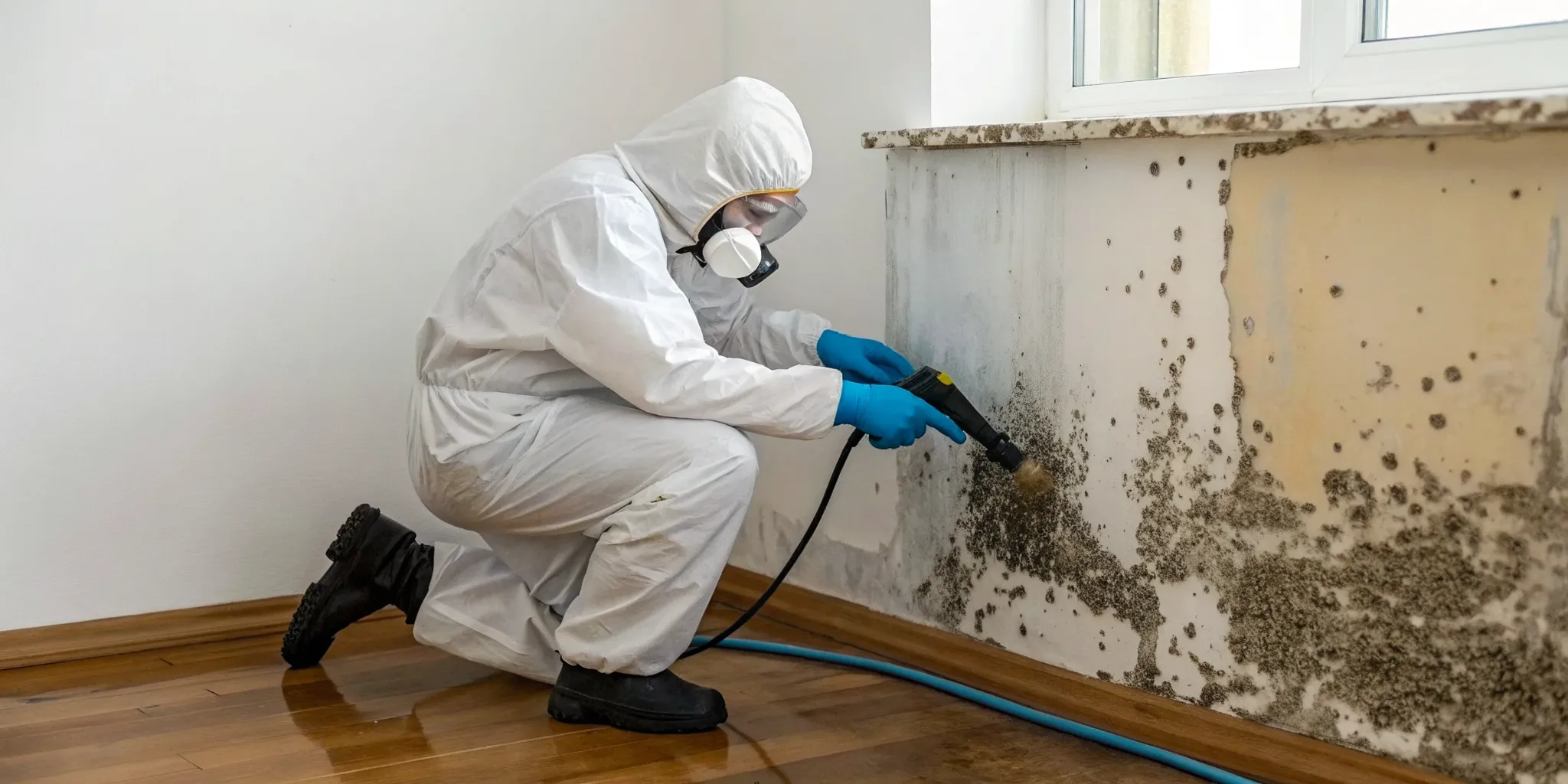
The thought of having a team in hazmat suits working in your home can be intimidating. It’s easy to feel out of the loop when you don’t know what’s happening behind all that plastic sheeting. We believe you should feel confident and informed throughout the entire process. That’s why we want to pull back the curtain on our work. A professional mold remediation and removal project is a systematic, multi-step process designed for safety and effectiveness. From the initial inspection and air quality testing to containment, cleaning, and final restoration, every step has a purpose. Knowing what to expect can help reduce stress and give you peace of mind that your home is in capable hands.
Key Takeaways
- Understand the difference between removal and remediation: Simply cleaning visible mold isn't enough. True remediation is a complete process that fixes the underlying water issue and contains airborne spores for a long-term solution.
- Make your home unwelcoming to mold: The best defense is controlling moisture. Keep humidity levels below 50%, improve airflow with fans, and fix any leaks right away to stop mold before it can start.
- Recognize the signs you need a professional: If mold covers more than 10 square feet, you suspect it's hidden behind walls, or a family member has health concerns, it's safest to call an expert for proper containment and removal.
Mold Remediation vs. Mold Removal: What's the Difference?
If you’ve found mold in your home, you’ve probably seen the terms “mold removal” and “mold remediation” used online. While they might sound like the same thing, they describe very different approaches to handling a mold problem. Understanding this difference is the first step toward ensuring your home is safe and the mold doesn't come back.
Any company that promises to completely remove all mold from your home is making a promise they can't keep. Mold spores are a natural part of our environment, and they exist everywhere, both indoors and out. The real goal is to get mold levels back to a normal, healthy state. That’s where professional remediation comes in. It’s a comprehensive strategy designed to contain the problem, clean the affected areas, and address the underlying cause of the growth. Let’s break down what that means for you and your home.
Key Distinctions to Understand
The biggest difference between these terms comes down to the scope of the work. "Mold removal" implies simply getting rid of the visible mold, like scrubbing a spot off the wall. However, this approach often fails to address the root cause. True mold remediation is a much more thorough process. It involves not only cleaning the visible mold but also containing the area to prevent cross-contamination, filtering the air to capture airborne spores, and fixing the moisture issue that allowed the mold to grow in the first place. It’s about creating a long-term solution, not just a temporary fix.
Why 100% Mold Removal Isn't Possible
It’s impossible to create a completely mold-free environment because microscopic mold spores are always in the air around us. They can enter your home through open windows, on your clothes, or even on your pets. These spores are harmless in small quantities. The problem starts when they land on a damp surface and begin to grow into a colony. The goal of professional remediation isn't to eliminate every single spore but to return spore levels to their normal, natural state. Think of it like dust; you can clean it up, but you can never get rid of it entirely.
Common Myths About Treating Mold
There are many misconceptions about how to handle mold. One common myth is that you can just spray it with bleach. While bleach might kill surface mold, it doesn't penetrate porous materials like drywall or wood, leaving the roots of the mold intact. Another mistake is painting over mold, which only hides the problem and allows it to continue growing underneath. The most important step in any mold cleanup is moisture control. Without fixing the leak or humidity issue, the mold will always return. That’s why improper or incomplete work often leads to recurring problems, making it essential to contact a professional who understands the full scope of remediation.
What Causes Mold to Grow in Your Home?
Mold spores are a natural part of the environment, floating harmlessly in the air both outdoors and indoors. They only become a problem when they find a damp spot to land and multiply. Think of moisture as the key ingredient that activates mold. Without it, mold can't begin to grow. Understanding where this moisture comes from is the first step in protecting your home and health from a potential mold issue. The main culprits are usually water damage, high humidity, and poor ventilation.
The Role of Moisture and Water Damage
The most common trigger for significant mold growth is excess moisture from water damage. This isn't always as dramatic as a flood. It can be a slow, hidden leak from a pipe inside a wall, a damaged roof that lets rain seep into the attic, or even a small but persistent drip under a sink. Mold needs this moisture to thrive, and materials like drywall, wood, and carpet act as a food source. That's why simply cleaning the visible mold isn't enough. If you don't find and fix the source of the water, the mold will almost certainly return. Addressing the underlying water damage is the critical first step in any effective remediation plan.
How Humidity and Poor Ventilation Contribute
You don't need a leak for mold to find a home. High humidity alone can provide enough moisture for mold to grow on surfaces. Ideally, your home's humidity should stay below 50%. Areas that naturally produce a lot of steam and moisture, like bathrooms, kitchens, and laundry rooms, are particularly vulnerable. If these spaces lack good ventilation, that damp air gets trapped, creating condensation on walls, windows, and ceilings. This consistent dampness is an open invitation for mold. Using exhaust fans, opening a window, or running a dehumidifier are great ways to control moisture and keep the air in your home circulating.
Warning Signs You Shouldn't Ignore
Sometimes, you can see mold, but often the first sign is a distinct, musty smell. If you notice a persistent earthy or damp odor, especially in a basement, bathroom, or closet, it's time to investigate. Other warning signs include seeing dark spots or discoloration on walls, ceilings, or around window frames. You might also notice bubbling or peeling paint, warped drywall, or feel a dampness in the air. Don't dismiss recurring allergy-like symptoms like a stuffy nose or itchy eyes that seem to get better when you leave the house. If you spot any of these signs, it's best to get a professional mold removal assessment to understand the extent of the problem.
Our Step-by-Step Mold Remediation Process
Finding mold can be stressful, but handling it doesn't have to be. At Remtech Environmental, we follow a proven, systematic process to make sure we address the problem thoroughly and safely from start to finish. We don’t just remove the visible mold; we tackle the underlying cause to prevent it from returning. Understanding our approach can help you feel more confident and informed about what’s happening in your home or business. Here’s a look at our five-step mold remediation process.
Step 1: Inspect and Assess the Situation
Our first move is always a thorough inspection. Before we do anything else, our certified professionals will come to your property to assess the extent of the mold damage. We work to identify not just where the mold is growing, but also the source of the moisture that’s allowing it to thrive. This is a critical step because simply cleaning the mold without fixing the underlying water issue means it will likely come back. We’ll map out the affected areas and create a detailed plan for a complete mold removal and remediation.
Step 2: Contain the Area and Filter the Air
Once we have a plan, our next priority is to prevent the mold spores from spreading to other parts of your property. We establish a containment zone using heavy-duty plastic sheeting and specialized equipment like negative air pressure machines. These tools create a sealed-off work area and ensure that any disturbed spores are captured by advanced air filtration systems, not circulated throughout your home. This careful containment is a non-negotiable part of our process, reflecting our commitment to protecting your environment and the health of everyone in it. Our team of experts is trained to handle this with precision.
Step 3: Safely Remove Mold and Clean Surfaces
With the area safely contained, we begin the removal process. This often involves carefully removing porous materials that are heavily infested with mold, such as drywall, insulation, or carpeting, as these can't always be fully cleaned. For non-porous surfaces, we use specialized cleaning agents and techniques to eliminate the mold. Our goal is to be as thorough as possible, cleaning not just the visible mold but also any lingering spores on surrounding surfaces. We address the root moisture problem during this phase to ensure we’re setting you up for a mold-free future.
Step 4: Repair and Restore Your Space
Getting rid of the mold is only part of the job. We know you want your space back to normal, which is why our process includes repairing and restoring any areas that were affected. Whether it’s replacing drywall, installing new carpet, or painting, our team handles the reconstruction needed to make your space safe, clean, and fully functional again. We aim to leave your property in even better condition than we found it, a commitment you can see in our customer testimonials. Our job isn't done until your home or business feels like your own again.
Step 5: Verify the Job Is Done Right
Finally, we verify that our work was successful. We don’t just pack up and leave; we conduct a final inspection to ensure all signs of mold are gone and the underlying moisture issue has been resolved. Depending on the situation, this can include visual assessments and post-remediation air quality testing to confirm that mold levels have returned to a normal, healthy state. This final check gives you peace of mind, knowing the job was done right. If you’re ready to get started with a professional assessment, please contact our team today.
When Should You Call a Mold Remediation Professional?
Spotting a small patch of mold can be alarming, and it’s tempting to grab a bottle of bleach and handle it yourself. While a DIY approach might work for a tiny spot on a hard surface, many situations require a professional touch. Trying to tackle a larger or more complex mold problem on your own can spread spores to other parts of your home, making the issue worse. It can also expose you and your family to harmful contaminants. Knowing when to step back and call for help is key to protecting your home and your health. Our team of certified experts is trained to handle these situations safely and effectively, ensuring the problem is resolved completely.
If the Mold Covers a Large Area
A general rule of thumb is to call a professional if the affected area is larger than 10 square feet (roughly a 3-foot by 3-foot patch). For significant mold infestations, it's best to call a professional who can provide proper containment. This is crucial because scrubbing or disturbing large colonies of mold can release millions of spores into the air, which can then travel through your HVAC system and settle in new areas. A professional mold removal service will use specialized equipment like physical barriers and air filtration devices to isolate the contaminated area and prevent cross-contamination, ensuring the mold stays put while it’s being removed.
If You Have Health or Safety Concerns
Your family’s health is the top priority. If anyone in your household has asthma, allergies, a compromised immune system, or other respiratory issues, you should not attempt mold cleanup yourself. Staying in a home during remediation can expose you to airborne mold spores and cleaning chemicals, which can trigger serious health problems. Our technicians wear personal protective equipment (PPE), including respirators and full-body suits, to work safely. We also use containment strategies to keep the air in the rest of your home clean, protecting your family from exposure during the entire process.
If You Suspect Hidden Mold or Structural Damage
Sometimes the biggest mold problems are the ones you can’t see. If you notice a persistent musty or earthy smell but can’t find the source, there’s a good chance mold is hiding behind walls, under flooring, or in your attic or crawlspace. Mold can hide in unseen places, and professionals have the tools, like moisture meters and infrared cameras, to find it without tearing your walls apart unnecessarily. Furthermore, untreated mold can damage your home's structure over time, leading to expensive repairs. If you suspect a hidden issue, it's best to contact us for an inspection to assess the situation.
What to Expect During the Remediation Process
Finding mold in your home is stressful enough without the added anxiety of not knowing what comes next. We believe in making the remediation process as clear and straightforward as possible. From the moment you call us to the final inspection, you’ll know what’s happening in your home. Here’s a breakdown of what you can expect when you work with our team.
Our Project Timeline and Communication
Every mold situation is unique, so the timeline for remediation can vary. A small, contained issue might take a few days, while a more extensive problem could take longer. Our process always starts with identifying the mold source, containing the area to prevent spread, removing the mold, and cleaning all affected surfaces. Most importantly, we address the underlying moisture issue that caused the mold in the first place. We’ll provide you with a clear project timeline upfront and keep you informed every step of the way. If you have questions at any point, our team is always here to answer them.
The Safety Gear and Equipment We Use
Your family’s safety is our top priority. Our technicians use professional-grade safety gear, including respirators, gloves, and full-body suits, to protect themselves and prevent cross-contamination. For significant infestations, we establish proper containment by sealing off the affected area with plastic sheeting and using negative air pressure machines to scrub the air. This ensures that mold spores don’t travel to other parts of your home during the mold removal process. Using specialized equipment is not just about being thorough; it’s about creating a safe and healthy environment for you to return to.
Understanding Costs and Insurance Coverage
We know that budget is a major concern for any home project. The cost of mold remediation depends on the size of the affected area, the type of materials involved, and the extent of the damage. We provide a detailed, transparent estimate before any work begins so there are no surprises. While insurance coverage for mold can be tricky, we recommend you review your homeowner's policy and speak with your agent. Investing in professional remediation is crucial, as improper work can lead to recurring mold and greater expenses down the road. Our clients often share how our thoroughness gave them lasting peace of mind.
How to Prevent Mold from Coming Back
After you’ve gone through the process of mold remediation, the last thing you want is a repeat performance. The good news is that preventing mold from returning is entirely possible. It all comes down to controlling the one thing mold needs to survive: moisture. Mold spores are everywhere, but they only become a problem when they find a damp spot to land and grow.
By taking a few proactive steps, you can make your home an unwelcome place for mold. Think of it as creating a long-term strategy for a healthier living space. It’s not about constant, stressful vigilance; it’s about setting up your home’s environment for success. The following tips will help you manage moisture and keep your home dry, comfortable, and mold-free for the long haul. From managing your home's humidity to making smart choices during renovations, each step builds on the last to create a resilient defense against mold. Remember, the goal isn't to eliminate every single mold spore, which is impossible, but to deny them the damp conditions they need to flourish. If you ever feel overwhelmed, remember that our mold removal experts are always here to help.
Control Your Home's Humidity and Moisture
Moisture control is the single most important factor in stopping mold growth. Mold thrives in damp conditions, so managing your home's humidity is your first line of defense. Ideally, you should keep the humidity level in your home between 30% and 50%. You can easily monitor this with a small, inexpensive tool called a hygrometer. If you find that your home’s humidity is consistently high, especially in basements or crawl spaces, using a dehumidifier can make a huge difference. According to the US Environmental Protection Agency, keeping indoor humidity low is a key step in preventing mold from taking hold.
Improve Ventilation and Airflow
Stagnant, damp air is an open invitation for mold. Improving your home's ventilation helps moisture escape before it has a chance to settle on surfaces. Make it a habit to use exhaust fans in your kitchen when cooking and in your bathrooms during and after a shower. If you don’t have fans, cracking a window open for a little while can also help. Simple actions like opening windows on dry days to air out your home, using ceiling fans, and ensuring your furniture isn’t blocking air vents can significantly improve airflow. Proper ventilation is a simple yet powerful tool for keeping your home dry and preventing future mold problems.
Address Water Issues Immediately
Even a small leak can lead to a big mold problem. That’s why it’s so important to fix any water issues as soon as you spot them. Whether it’s a dripping pipe under the sink, a leaky roof, or condensation on your windows, addressing the source of the water is critical. After a spill or leak, be sure to dry the affected area completely within 24 to 48 hours. A slow, hidden leak can be especially damaging, creating a perfect environment for mold to grow undetected behind walls or under floors. Regularly inspecting your home for signs of water damage or leaks is a proactive step that can save you a lot of trouble down the road.
Choose Mold-Resistant Building Materials
If you're renovating or repairing a part of your home, especially a moisture-prone area like a bathroom or basement, consider using mold-resistant building materials. Products like mold-resistant drywall, insulation, and paint are specifically designed to inhibit the growth of mold and mildew. While they might cost a little more upfront, they can be a worthwhile investment in preventing future issues. Porous materials like carpet, ceiling tiles, and standard drywall can act like a sponge for moisture, making them difficult to clean once mold appears. Opting for materials that don't retain water helps create a more resilient and healthier home environment.
Frequently Asked Questions
I found a small patch of mold. Can I clean it myself, or do I need to call you? For a tiny spot on a hard, non-porous surface like tile or glass, a DIY cleaning might be sufficient. However, if the mold is on a porous material like drywall, covers an area larger than 10 square feet, or keeps returning, it’s best to call a professional. Trying to clean a larger infestation on your own can release spores into the air and spread the problem to other parts of your home.
Why can't you guarantee you'll remove 100% of the mold? Mold spores are a natural part of our environment and are always in the air around us, much like dust. Because of this, it's impossible for any company to create a completely spore-free space. Our goal with professional remediation is to bring the mold levels in your home back to a normal, healthy balance. We accomplish this by removing the active mold colonies and, most importantly, fixing the moisture source that allowed them to grow.
How long will the mold remediation process take, and will I have to leave my home? The timeline depends entirely on the size and complexity of the job. A small, contained issue might only take a few days, while a more extensive project could take longer. We will always provide you with a clear timeline before we begin. Whether you need to leave your home depends on the location of the mold and the scope of the work. We often can contain the work area so you can stay, but we may recommend you stay elsewhere for your safety during the most intensive phases.
Will my homeowner's insurance cover the cost of mold remediation? Insurance coverage for mold can be tricky, as it varies greatly from one policy to another. Some policies provide limited coverage, particularly if the mold resulted from a sudden and accidental event like a burst pipe. The best first step is to review your policy and speak directly with your insurance agent. We can supply all the necessary documentation about our findings and our process to assist you with your claim.
After you're done, how can I be sure the mold won't return? Our entire process is designed to provide a long-term solution, not just a quick fix. The most critical step we take is identifying and correcting the underlying moisture problem that caused the mold in the first place. By fixing the leak, improving ventilation, or addressing the humidity issue, we remove the conditions mold needs to thrive. We also give you practical guidance on how to keep your home dry and prevent any future problems.