
In the world of home repairs, a low price can be tempting, but with asbestos removal, it’s a major red flag. A quote that seems too good to be true often means a contractor is cutting corners on critical safety measures, putting your health and finances at risk. Proper abatement is a highly regulated process for a reason. The cost covers specialized equipment, certified labor, thorough air monitoring, and legal disposal of hazardous waste. This guide explains what a legitimate, professional quote should include, so you can spot the difference between a real deal and a dangerous gamble. Before you get a quote for asbestos removal, learn what the price truly represents.
Key Takeaways
- Understand What Influences the Cost: The final price is based on specific factors like the material's condition, the size of the contaminated area, and how difficult the job is to access. A professional quote reflects the unique labor and safety protocols your project requires.
- Prioritize Credentials Over a Low Price: A suspiciously cheap quote often means a contractor is cutting corners on safety. Always verify a company's state license, ask for proof of pollution liability insurance, and get multiple detailed quotes to compare the quality of work, not just the cost.
- Know What a Safe Removal Process Involves: Asbestos removal is never a DIY project. A safe process includes setting up a sealed containment zone, wetting materials to prevent fiber release, legal disposal, and final air testing by an independent third party to confirm your home is safe.
What Determines Your Asbestos Removal Cost?
When you're looking at a quote for asbestos removal, you'll quickly realize it's not a simple, one-size-fits-all price. The final cost is a blend of several specific factors unique to your property and the situation at hand. Understanding these variables will help you interpret the estimates you receive and see why a detailed, professional assessment is the only way to get an accurate number. The main goal of any asbestos abatement project is to safely and completely remove the hazardous material, leaving your home or business healthy for everyone. The price reflects the meticulous work required to achieve that. Let's walk through the key elements that professionals evaluate when preparing your quote.
The Type and Condition of the Material
Not all asbestos-containing materials are the same. Asbestos was used in a wide array of products, including floor tiles, ceiling textures, insulation, and siding. Some of these materials are simply harder to remove than others, which directly impacts labor costs. More importantly, the condition of the material is a critical factor. If the asbestos is in good shape and completely undisturbed, it may not pose an immediate risk. However, if the material is damaged, crumbling, or flaking, it is considered "friable" and can easily release dangerous fibers into the air. Friable asbestos requires far more intensive containment measures for safe removal, which increases the project's cost. Any planned renovation that will disturb the material also makes professional removal a must.
The Size of the Affected Area
It’s logical that the more asbestos there is to remove, the more the project will cost. The total square footage of the contaminated area is one of the most significant drivers of your final price. A larger area demands more labor hours, more specialized equipment, and more materials for both containment and disposal. For instance, removing asbestos insulation from a small pipe in a basement will be much less expensive than abating an entire attic filled with contaminated vermiculite. While every job is unique, small residential asbestos removal jobs often range from $1,500 to $3,000. In contrast, large or commercial projects can easily exceed $10,000 when dealing with a substantial amount of material.
How Complex and Accessible the Job Is
The location of the asbestos plays a major part in the removal cost. A team can work much more efficiently in an open, accessible basement than they can in a cramped crawlspace or a high, hard-to-reach attic. Difficult access adds to the labor hours and may require special equipment, which increases the price. Complexity is another factor. A project that involves removing multiple types of asbestos materials, like both ceiling tiles and pipe wrap, is more involved than a job with just one. A whole-home asbestos abatement with several material types can fall into the $7,000 to $10,000 range. If our team needs to work carefully around HVAC systems, plumbing, or electrical wiring, that adds another layer of complexity and time to the job, which will be reflected in your quote.
What to Prepare Before You Ask for a Quote
Walking into a conversation with an asbestos removal contractor can feel intimidating, especially when you’re worried about your family’s health and your budget. But you can make the process much smoother by gathering a few key pieces of information beforehand. Coming prepared not only helps a professional give you a more accurate quote but also empowers you to understand the scope of the project. Think of it as creating a clear roadmap for the work ahead, ensuring there are fewer surprises down the line.
When you have the right details on hand, you can have a more productive discussion and feel confident that the estimate you receive truly reflects the work required for your property.
Key Details About the Asbestos
To get a precise quote, the most helpful piece of information you can provide is the type of asbestos found in your home. You can usually find this in a professional asbestos test report. Different types of asbestos require specific removal methods and safety precautions, which directly affects the labor and equipment needed for the job. For example, friable asbestos (material that crumbles easily) is handled differently than non-friable asbestos.
Sharing these specifics allows a contractor to accurately plan the project. If you haven't had your home tested yet, a certified professional can help you identify the material. Understanding the dangers of asbestos is the first step, and knowing what you're dealing with is the second.
Property and Site Conditions
Next, be ready to describe the property and the location of the asbestos. A contractor will need to know the size of the affected area, often measured in square feet or linear feet. Is it a small section of vinyl flooring, or is it insulation throughout your entire attic? The scale of the contamination is one of the biggest factors in the total cost.
Accessibility also plays a huge role. Asbestos in an open, easy-to-reach basement is a more straightforward job than asbestos in a cramped crawl space or behind a wall. Let the contractor know about any challenges, as complex or hard-to-reach areas require more time and specialized containment setups. This information helps us understand the unique conditions of the properties in our service areas.
Previous Testing or Inspection Reports
If you’ve already had an asbestos inspection done, that report is your golden ticket to an accurate quote. This document contains nearly everything a contractor needs to know: the type of asbestos, its exact location, its condition, and the quantity. Providing this report upfront saves a significant amount of time and guesswork.
Sharing your inspection report shows that you’ve done your homework and helps the contractor get straight to creating a detailed plan and estimate. It can also prevent the need for an additional, preliminary site visit just to gather information. When you’re ready to move forward, you can contact our team and share your report to get the process started.
How to Find a Reputable Asbestos Removal Contractor
Finding the right contractor is the most critical step in this process. The health and safety of your family or employees depend on their expertise, so this isn't the time to cut corners. A truly professional asbestos abatement company operates with a high level of transparency and a deep commitment to safety regulations. They will be able to walk you through their process, answer all your questions, and provide clear documentation every step of the way. Taking the time to vet potential contractors will give you peace of mind that the job is done correctly and your property is safe once the work is complete. Think of it as hiring a partner in protecting your environment.
Verify Licenses, Certifications, and Insurance
Asbestos removal is a highly regulated field for a reason. Only trained and accredited professionals should ever handle or remove asbestos-containing materials. Before you hire anyone, ask for proof of their state-issued license and individual worker certifications. In North Carolina, contractors must be accredited by the state to perform asbestos abatement legally.
Equally important is insurance. The contractor should carry both general liability and pollution liability insurance specifically covering asbestos work. This protects you from financial responsibility in the unlikely event of an accident or an issue with cross-contamination. Don't just take their word for it; ask to see a current certificate of insurance. A reputable company will have this information ready and will be happy to provide it.
Check Reviews, References, and Past Work
Once you’ve confirmed a contractor is properly licensed and insured, it’s time to check their track record. Start by reading online reviews and customer testimonials to get a sense of other clients' experiences. Are they known for being professional, timely, and thorough?
Next, ask the contractor for a list of recent references you can contact directly. When you speak with them, ask about their overall satisfaction with the job and the crew's conduct. You can also inquire about the contractor's safety protocols. A professional team will follow strict procedures, such as setting up containment zones, using specialized vacuums, and performing air monitoring to ensure the air quality is safe during and after the project. This diligence ensures the asbestos is contained and properly removed.
Why Getting Multiple Quotes Matters
Getting at least three quotes is a standard recommendation for any major home project, and asbestos removal is no exception. This isn't just about finding the lowest price; it's about comparing the scope of work and level of detail each contractor provides. A suspiciously low bid can be a major red flag, often indicating that a company may be cutting corners on safety, disposal, or labor.
To get accurate and comparable quotes, be prepared to give each contractor the same information. This includes the type of asbestos material (from your inspection report), the size of the area, and its location. A detailed, itemized quote shows that the contractor has a clear plan. When you're ready, you can reach out to a professional to start the process and get a comprehensive estimate for your project.
How to Read Your Asbestos Removal Quote
Once you have a few quotes in hand, it’s time to compare them. A professional quote is more than just a final price; it’s a detailed plan of action that shows the contractor understands the scope and seriousness of the job. A vague or confusing quote is often a sign of an inexperienced or unprofessional company. Look for a document that clearly outlines every step of the process, from setting up the work area to final air testing.
This transparency protects you and ensures there are no surprise costs or cut corners. A thorough quote demonstrates a contractor's commitment to safety and regulatory compliance, giving you peace of mind that the job will be done right. Think of it as a blueprint for a safer home. If a contractor isn’t willing to put their process in writing, you should question their methods.
A Line-by-Line Cost Breakdown
A trustworthy quote will break down the costs so you know exactly what you’re paying for. Vague, lump-sum estimates are a red flag. Your quote should itemize expenses for labor, materials, containment setup, disposal fees, and any necessary permits. It should also specify the type of asbestos being removed and the size of the area, as these details directly impact the price.
The more detailed the breakdown, the better. This shows the contractor has done a thorough assessment and isn't just guessing. When you receive a quote for professional asbestos abatement, look for specific line items that give you a clear picture of the entire project. This level of detail helps you accurately compare different offers and understand the full value of the service.
Safety and Containment Measures
This is arguably the most critical part of the quote. Safe asbestos removal is a complex process, and your quote should explicitly state how the team will protect your property and the people in it. Look for mentions of creating a regulated work area with containment barriers, using negative air pressure machines to prevent cross-contamination, and wetting the asbestos materials to minimize fiber release.
The quote should also confirm that all technicians will wear appropriate personal protective equipment (PPE), including respirators and disposable coveralls. At Remtech, our team is trained to follow strict safety protocols because protecting your family’s health is our top priority. If a quote skims over these safety details, consider it a major warning sign.
Disposal and Post-Removal Air Testing
The job isn’t finished just because the asbestos is gone. The quote must outline the plan for safe and legal disposal of all hazardous waste. This typically involves sealing the asbestos materials in double-layered, labeled bags and transporting them to a designated hazardous waste facility. The contractor should be able to prove they are following all state and federal disposal regulations.
After the cleanup, the final step is ensuring the air in your home is safe to breathe. Your quote should include post-removal air clearance testing conducted by a third-party inspector. This independent verification is essential to confirm that the asbestos fiber levels have returned to a safe, normal state. If you want to learn more about the complete process, a reputable contractor will always provide clear documentation.
Red Flags to Watch Out For
Be wary of any quote that seems too good to be true. An unusually low price often means a contractor is cutting corners, which can put your health and finances at risk. These contractors may not be properly licensed or insured, might skip essential safety steps, or could illegally dump the asbestos waste, leaving you liable for hefty fines.
Other red flags include pressure to sign a contract immediately, a lack of a physical business address, or an unwillingness to provide references or proof of certification. A professional will always be transparent and patient, answering all your questions without hesitation. If you’re ready to get a transparent quote from a team you can trust, we’re here to help.
What to Expect During the Removal Process
Once you’ve selected a contractor and approved their quote, the actual removal work can begin. Knowing what to expect can make the process feel much less intimidating. A professional team follows a strict, multi-stage plan to ensure the asbestos is removed safely and thoroughly, protecting you and your property every step of the way. From the initial site prep to the final all-clear, each phase is designed for maximum safety and effectiveness. This isn't just about tearing out old materials; it's a meticulous process that prioritizes the health of your environment. Here’s a look at what a professional asbestos abatement project involves.
The Initial On-Site Assessment
Before any work starts, a trustworthy contractor will perform a detailed on-site assessment. This step is non-negotiable. A quick quote over the phone simply isn't enough to understand the full scope of the job. During this visit, the project manager evaluates the type, location, and condition of the asbestos-containing materials. They will also assess the accessibility of the area and identify any potential challenges. This thorough inspection allows them to create a precise removal plan and confirm the final cost, ensuring there are no surprises down the line. This is your opportunity to ask questions and understand the specific strategy for your property before you schedule the work.
The Step-by-Step Removal Work
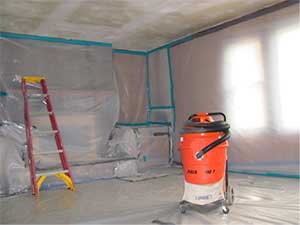
On removal day, the team’s first priority is containment. They will seal off the work area from the rest of your property using heavy-duty plastic sheeting and create negative air pressure to ensure no asbestos fibers can escape. All workers will wear specialized personal protective equipment (PPE), including respirators and disposable coveralls. A key technique used during the removal is wetting the asbestos-containing materials. This simple but effective step helps prevent the dangerous fibers from becoming airborne. The materials are then carefully sealed in leak-proof bags for safe transport and disposal according to state and federal regulations. This entire asbestos abatement process is handled with extreme care.
Final Clearance and Documentation
After the removal is complete, the job still isn't finished. The area must be thoroughly cleaned with special HEPA vacuums to capture any lingering microscopic fibers. To verify the space is completely safe, a third-party, independent air quality professional is brought in to conduct clearance testing. This is a critical step, as it provides unbiased confirmation that the air is free of asbestos fibers and the area is safe to reoccupy. Once the clearance test is passed, the containment barriers are taken down. You should receive formal documentation detailing the work performed, the disposal manifests, and the final clearance report for your records.
Costly Myths About Asbestos Removal
When it comes to asbestos, what you don’t know can hurt you. Misinformation is everywhere, and believing the wrong thing can lead to serious health risks and expensive mistakes. Let’s clear the air and walk through some of the most common and costly myths about asbestos removal. Understanding the facts is the first step toward protecting your property and the people in it.
Myth: "I can save money by doing it myself."
Tackling asbestos removal on your own is one of the most dangerous DIY projects you could attempt. Without professional training and highly specialized equipment, you can easily release millions of toxic fibers into your home’s air. This puts you and your family at risk for serious long-term health issues. Proper asbestos abatement requires creating a sealed containment zone, using negative air pressure machines, and wearing certified protective gear. The cost of making a mistake, which could require a full-home decontamination, is far greater than hiring a certified professional to do the job safely from the start.
Myth: "Undisturbed asbestos is harmless."
While it’s true that asbestos is most dangerous when its fibers are airborne, the term "undisturbed" can be misleading. Materials containing asbestos degrade over time, and even minor activities like drilling a hole to hang a picture, a small plumbing leak, or vibrations from nearby construction can damage them and release fibers. The danger is that asbestos-containing materials can become damaged without you even realizing it. According to the U.S. Consumer Product Safety Commission, the hazard appears when these materials are disturbed. Relying on a visual check isn't enough to guarantee safety; what looks stable might be ready to crumble.
Myth: "The cheapest quote is the best deal."
When you’re looking at quotes for asbestos removal, the lowest price should be a major red flag, not a reason to celebrate. A suspiciously low bid often means the contractor is cutting corners on critical safety procedures. Proper removal involves careful containment, thorough air monitoring, and legal disposal of hazardous waste, all of which have associated costs. A company that skips these steps isn't just putting your health at risk; they could also leave you with lingering contamination and potential legal fines for improper disposal. Choosing a qualified, insured, and reputable contractor is an investment in getting the job done right the first time.
Myth: "Professional testing isn't necessary."
You cannot identify asbestos just by looking at it. It was used in thousands of building materials, from insulation and floor tiles to siding and textured paint, and its fibers are microscopic. Guessing whether a material contains asbestos is a gamble you should never take with your health. Professional testing is the only way to know for sure what you’re dealing with. It provides you with definitive proof and allows a remediation team to create a precise, effective removal plan. If you suspect you have asbestos, the safest next step is to contact a professional for an assessment and testing.
Related Articles
- Asbestos Removal Cost, Apex, NC | Remtech Environmental
- Asbestos Removal Cost, Greensboro | Remtech Environmental
- Asbestos Removal Cost, Durham, NC | Remtech Environmental
- Asbestos Removal Cost, Raleigh, NC | Remtech Environmental [Video]
- What to Know About Asbestos Removal | Remtech Environmental
Frequently Asked Questions
Why can’t I get a flat-rate price for asbestos removal over the phone? An accurate quote for asbestos removal requires a professional to see the site in person. The final cost depends on specific factors like the accessibility of the area, the condition of the material (whether it's crumbling or stable), and the total square footage that needs to be addressed. A quick phone estimate would be a guess at best, and a reputable contractor will always perform a detailed on-site assessment to give you a precise and fair price based on a solid plan.
Is it really necessary to hire a professional for a small asbestos job? Yes, absolutely. There is no safe amount of asbestos exposure. Attempting to remove even a small section of asbestos tile or pipe wrap on your own can release millions of microscopic fibers into your home's air, contaminating other rooms and surfaces. Professionals use specialized containment, air filtration equipment, and protective gear to prevent this. The health risks and potential cost of a full-home decontamination far outweigh the expense of hiring a certified team to handle the job safely from the start.
If the asbestos in my home looks undisturbed, is it still a risk? While asbestos is most dangerous when its fibers are airborne, a material that looks "fine" today might not be tomorrow. Building materials degrade over time, and even minor events like a small water leak, vibrations from nearby activity, or simply aging can cause the material to become brittle and release fibers. Relying on a visual check isn't a reliable safety strategy, as the material's stability can be compromised without it being obvious.
Besides the final price, what should I look for in an asbestos removal quote? A trustworthy quote is a detailed plan of action, not just a number. It should clearly outline the safety and containment procedures, such as sealing the work area and using negative air pressure machines. It must also specify the plan for legal disposal of the hazardous waste and, most importantly, include post-removal air clearance testing by an independent third party. A vague quote that lacks these details is a major red flag.
How do I know my home is truly safe after the removal work is done? The job isn't finished just because the asbestos has been removed. After a thorough cleanup with specialized HEPA vacuums, a professional company will bring in an independent, third-party air quality specialist. This specialist conducts air clearance testing to confirm that the asbestos fiber count in the air has returned to a safe, normal level. You should receive a formal report with these results, which serves as your official proof that the area is safe to reoccupy.