
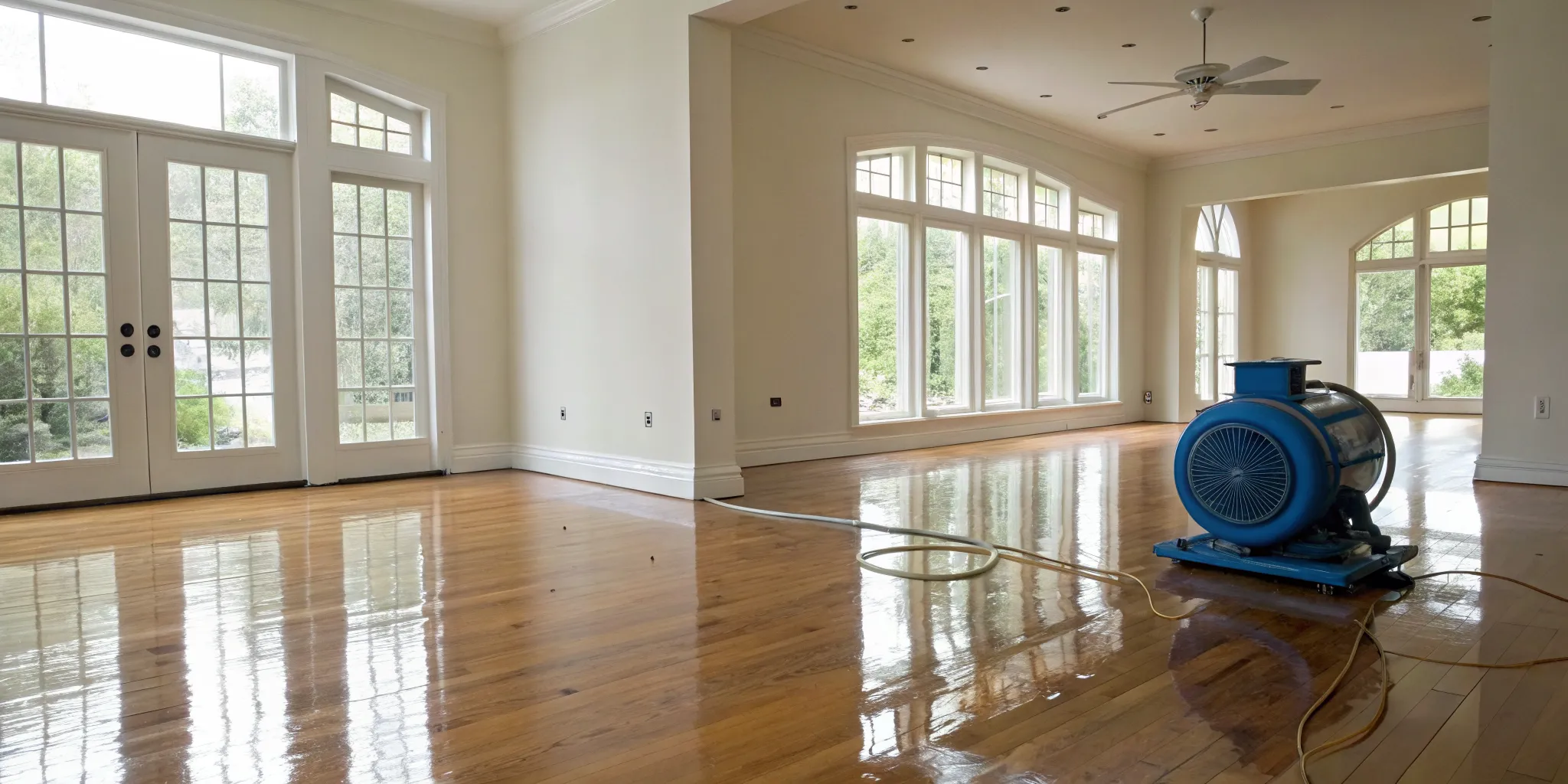
When you get an initial quote for water removal, you might feel a sense of relief. However, the true cost to dry out a flooded house often extends beyond that first estimate. Secondary issues that aren't immediately obvious can quickly add up, leading to unexpected expenses down the road. Problems like hidden mold growth within walls, warped structural supports, and the need to replace unsalvageable personal belongings can significantly increase the final bill. This guide is designed to give you a complete picture, covering not just the initial drying process but also these potential hidden costs, so you can navigate the restoration with a full understanding of the financial scope.
Key Takeaways
- Understand What Drives the Cost: The final bill for water damage restoration is not a flat fee; it is determined by the severity of the damage, the type of water involved, and the materials that got wet.
- Act Fast to Prevent Bigger Problems: The first 24 hours are the most important. Removing water and starting the drying process immediately is your best defense against more expensive issues like structural rot and mold growth.
- Protect Your Finances with Insurance and Evidence: Standard homeowners insurance usually does not cover floods, so a separate policy is crucial. Before cleaning, take detailed photos of all damage to create the proof needed for your insurance claim.
How Much Does It Cost to Dry Out a Flooded House?
When you’re staring at a flooded room, one of the first questions that pops into your head is probably, "How much is this going to cost?" It’s a stressful situation, and the uncertainty about the bill doesn’t help. The truth is, the price for drying out a house can vary wildly. It’s not a one-size-fits-all answer. The final cost depends on several key factors, primarily the severity of the damage and the type of water you’re dealing with. Understanding these variables can help you get a clearer picture of the potential expenses and prepare for the restoration process. Let's break down what goes into the cost so you can feel more informed and in control.
Breaking Down Costs by Water Damage Class
Professionals categorize water damage into four classes to measure severity. Think of it as a scale from minor to major. Class 1 is the least severe, like a small leak that only affects a corner of a room. This might cost between $150 and $500 to fix. Class 2 involves more water, maybe soaking into the carpet and up the drywall, with costs from $550 to $1,000. Class 3 is extensive, affecting ceilings, walls, and floors, and can run from $1,100 to over $3,200. Finally, Class 4 is for specialty situations where water is trapped in materials like concrete or hardwood, pushing costs into the tens of thousands. Identifying the class helps us create an effective remediation plan.
How Water Type Impacts the Price
Not all water is created equal. The source of the flood plays a huge role in the cleanup cost and process. We sort water into three categories. Category 1 is "clean water" from a burst pipe or overflowing sink, which is the simplest and cheapest to handle, around $3 to $4 per square foot. Category 2, or "gray water," comes from appliances like dishwashers and has some contaminants, costing about $4 to $7 per square foot. The most serious is Category 3, or "black water," from sewage or floodwaters. It's highly contaminated and poses health risks, making the cleanup more intensive and expensive, averaging $7.50 or more per square foot. This type of water often requires professional mold removal services to prevent long-term issues.
What Factors Influence Water Damage Restoration Costs?
When you’re dealing with water damage, one of the first questions on your mind is likely, "What is this going to cost me?" The honest answer is: it depends. There’s no single price tag for water damage restoration because every situation is unique. The final cost is a puzzle with several pieces, including the amount of water, where it ended up, and what materials got wet. Understanding these factors can help you get a clearer picture of the potential expenses and prepare for the restoration process. Think of it less like a fixed price and more like a custom quote tailored to the specific needs of your home. Let's break down the main variables that will shape your final bill.
The Extent of the Damage
The scale of the water intrusion is the biggest factor in determining the cost. A small leak from a pipe that’s caught quickly is going to be far less expensive to fix than a basement submerged after a major storm. Professionals often categorize the severity of water damage into different classes. Class 1 is minimal, affecting a small area with little absorption. Class 2 is more significant, with water soaking into carpets and up walls. Class 3 is extensive, impacting entire rooms from the ceiling down. The higher the class, the more intensive the cleanup and drying process will be, which is reflected in the cost.
Where the Damage Is Located
The location of the water damage also plays a huge role in the final price. Water in a finished basement, for example, can be particularly costly to remediate because it involves multiple surfaces like drywall, flooring, and insulation, and may require specialized equipment to pump out standing water. Damage to a ceiling can affect insulation, light fixtures, and structural supports. Wall damage can be tricky because water can hide inside the cavity, requiring sections to be removed. Structural damage is the most serious and expensive, as it compromises the integrity of your home and requires significant repairs to ensure safety.
Materials That Were Affected
What got wet matters just as much as how wet it got. Porous materials like carpet, drywall, upholstery, and wood absorb water like a sponge. This not only makes them difficult to dry but also turns them into a potential breeding ground for mold if not addressed immediately. Non-porous materials like tile, concrete, or metal are much easier and cheaper to clean and dry. In many cases, soaked porous materials like insulation or drywall must be completely removed and replaced, which adds to both material and labor costs. This is a key reason why fast action is so important; the longer materials sit in water, the less likely they can be salvaged.
Equipment and Labor
Professional water damage restoration isn't just about shop vacs and fans. It requires specialized, industrial-grade equipment and the expertise to use it correctly. The cost of labor and equipment is a significant part of the bill. This includes high-powered air movers, commercial dehumidifiers, moisture meters, and air scrubbers. According to industry estimates, the basic cost for professional extraction and drying can run from $3 to $7.50 per square foot. When you add in the cost of repairs, that number can climb. The best way to get an accurate estimate for your situation is to have a professional assess the damage in person.
Understanding the 4 Classes of Water Damage
When professionals talk about water damage, they often use a classification system to describe the severity of the situation. Think of it as a scale from one to four, where one is the easiest to handle and four is the most complex. This system isn't just industry jargon; it helps restoration experts determine the right equipment, techniques, and timeline needed to get your home back to normal. The class of damage is one of the biggest factors that will influence the final cost of the restoration.
Understanding which class your situation falls into can give you a clearer picture of what to expect. It’s about the rate of evaporation, which is a technical way of saying how much water was absorbed by the materials in your home and how difficult it will be to dry them out. A small leak on a tile floor is very different from a basement that was submerged in floodwater. Each scenario requires a unique approach, and knowing the difference is the first step toward a successful restoration.
Class 1: Minimal Damage
Class 1 is the best-case scenario for water damage. This class involves a small amount of water affecting materials that don't absorb moisture easily, like concrete or tile. Imagine a sink overflowing slightly onto a bathroom floor, where the water is contained to a small area and hasn't soaked into the walls or subfloor.
Because only a small surface area is wet and the materials are low-porosity, drying is relatively quick and straightforward. The restoration process is the least disruptive and, as you might guess, the least expensive. It’s the kind of damage that, if caught immediately, can often be resolved with minimal fuss.
Class 2: Significant Damage
Class 2 water damage is a step up in severity. This happens when water has affected an entire room and has wicked up the walls, usually less than 24 inches. Think of a washing machine hose breaking or a dishwasher leaking, soaking the carpet, carpet pad, and drywall in a room. The key here is that the water has had time to soak into more porous materials.
This level of damage requires more intensive drying efforts. Professionals will use high-velocity air movers and dehumidifiers to pull moisture from the affected structures. The process takes longer than Class 1, and the costs are higher because of the increased labor and equipment needed to properly dry everything out.
Class 3: Extensive Damage
Class 3 is where things get serious. This is the fastest rate of evaporation, meaning a large volume of water has saturated everything from the top down. This often comes from an overhead source, like a burst pipe in the ceiling, a failed fire sprinkler system, or severe storm damage that floods a home from above. The water has likely soaked through the ceiling, insulation, walls, and flooring.
Restoration for Class 3 damage is a major undertaking. It almost always involves removing affected materials like drywall and insulation to ensure the structural components can dry completely. This is a complex and costly process that requires a professional team to prevent long-term structural issues and mold growth.
Class 4: Specialty Drying
Class 4 water damage is unique because it’s less about the amount of water and more about the materials it has affected. This class is assigned when water has saturated materials with very low porosity, such as hardwood floors, plaster, brick, stone, or concrete. These dense materials trap water deep inside, making it incredibly difficult to dry.
Specialty equipment and advanced techniques are required to pull moisture from these materials without causing further damage. For example, drying a saturated hardwood floor might involve using a special floor mat system that applies suction. Because of the complexity and specialized tools involved, Class 4 can be one of the most time-consuming and expensive types of water damage to remediate.
Are There Hidden Costs to Water Damage Repair?
When you’re looking at a flooded room, your first thought is probably about the immediate cleanup. But the initial price for drying everything out is often just the beginning. The total cost of water damage restoration can climb when you factor in secondary issues that aren't obvious at first glance. Understanding these potential hidden costs helps you prepare for the full scope of the recovery process, ensuring there are no surprises down the road. From mold growth to structural issues, being aware of these factors is the first step toward a complete and safe restoration of your home.
Mold Remediation
One of the most common and serious consequences of water damage is mold. It doesn't take long for it to appear; water-damaged materials can become a breeding ground for mold and bacteria within just 24 to 48 hours. This isn't just an unsightly problem, it can also pose significant health risks to you and your family. The cost of professional mold removal is a frequent and necessary addition to the initial water damage bill. Proper remediation involves not just cleaning the visible mold but also addressing the source of the moisture and ensuring the air quality in your home is safe once again.
Structural Repairs
Water is incredibly invasive. The longer it sits, the deeper it soaks into your home's materials, making it much harder to remove completely. Water damage spreads quickly through walls, floors, and furniture, creating problems that get worse with each passing hour. This can lead to warped floorboards, crumbling drywall, and even compromised wooden support beams. What might seem like a small leak can result in the need for significant structural repairs. Addressing water damage immediately is the best way to minimize these potential long-term, and very expensive, structural problems. A professional assessment can help you understand the full extent of the damage.
Replacing Your Belongings
The cost of water damage extends beyond the structure of your house. Think about everything on your floor: furniture, rugs, electronics, and sentimental items. Even a small amount of water can be incredibly destructive. It’s shocking, but just one inch of water can cause tens of thousands of dollars in damages to a home. Many personal belongings may be unsalvageable after being exposed to water, especially if it's contaminated. The cost of replacing these items adds up quickly and is a major financial component of flood recovery that many people don't fully account for at the outset.
Does Homeowners Insurance Cover Flood Damage?
Here’s a tough reality many homeowners face: a standard homeowners insurance policy does not typically cover damage from flooding. This is one of the most common and costly misconceptions about insurance coverage. Flooding from external sources like overflowing rivers or heavy rainfall requires a separate flood insurance policy. If you don't have one, you could be left paying for all the repairs entirely out of pocket. It's essential to review your insurance policy carefully and understand what is and isn't covered. If you live in an area prone to flooding, securing a separate policy is a critical step in protecting your finances.
Your First Steps After a Flood
Discovering a flood in your home is overwhelming, but the steps you take in the first 24 hours are critical. Acting quickly and correctly can significantly reduce the overall damage and cost of repairs. Before you even think about restoration costs, your focus should be on safety and damage control. Make sure the property is safe to enter by turning off the electricity and gas at the main source, but only if you can do so without standing in water. If you're unsure, it's always best to wait for a professional to give the all-clear. Your safety is the number one priority.
Once the immediate safety risks are handled, you can begin the process of mitigating the damage. This initial phase isn't about making permanent repairs; it's about stopping the water from causing more problems, like structural decay or widespread mold. Think of it as first aid for your home. The goal is to stabilize the situation so a professional team can come in and handle the full restoration. Taking these organized, deliberate steps will not only protect your property but also give you a sense of control during a very stressful time. It also sets you up for a smoother insurance claim process, which can make a huge difference in your financial recovery.
Remove Standing Water Immediately
The absolute first priority is to get the standing water out of your house. The longer water sits, the more it soaks into floors, walls, and furniture, causing materials to warp, swell, and break down. Speed is everything here. The key to a successful recovery is starting the drying process within 24 hours to prevent mold growth and serious structural damage. If you’re dealing with a small amount of water, you might use a wet/dry vacuum. For anything more significant, you’ll need professional-grade pumps and extraction tools to remove the water efficiently and safely. Don't delay this step; every hour counts.
Dry and Ventilate the Area
After you remove the standing water, the next step is to dry everything out. This is more complex than it sounds because water seeps into porous materials like drywall, insulation, and wood subfloors. These hidden pockets of moisture are where mold thrives and rot begins. Open up windows and doors to get air circulating. You can also use fans and dehumidifiers to help pull moisture from the air. However, this is often not enough. Professional restoration teams use high-velocity air movers and commercial-grade dehumidifiers that are specifically designed to target and eliminate this hidden moisture, ensuring the structure is completely and thoroughly dried.
Document Everything for Your Insurance Claim
Before you move, clean, or throw anything away, stop and pull out your phone. One of the biggest mistakes homeowners make is failing to document the damage properly. Take extensive photos and videos of everything. Capture the height of the water lines on the walls, the damaged furniture, the soaked carpets, and any affected belongings. Make a written list of all damaged items and structures. This evidence is absolutely crucial for your insurance claim and will help ensure you get the compensation you’re entitled to. Your insurance provider will need this proof to process your claim, so be as detailed as possible.
What Not to Do After Discovering Water Damage
In a panic, it’s easy to make mistakes that can worsen the damage or compromise your safety. First, don't use a regular household vacuum to remove water, as this creates a serious risk of electric shock. It’s also a common misconception that simply drying out the visible water is enough. Hidden moisture is the real enemy, and ignoring it will lead to mold and structural issues down the road. Avoid turning on the heat, as this can actually increase humidity and encourage mold growth. Most importantly, don't wait to call for help. Water damage is not a DIY project, and professionals have the right equipment and expertise to handle it safely.
DIY vs. Professional Restoration: Which Should You Choose?
When you’re standing in a puddle in your own home, your first instinct might be to grab some towels and a bucket. The desire to save money by handling water damage yourself is completely understandable. For very small, contained spills, a DIY approach can work. However, the line between a manageable cleanup and a potential disaster is thinner than most people think. The decision to call a professional isn't just about convenience; it's about protecting your home's structural integrity and your family's health from long-term issues like mold and rot.
Choosing between DIY and professional restoration comes down to the scale of the damage, the type of water involved, and whether you have the right tools for the job. While tackling a small leak might feel empowering, underestimating the extent of water saturation can lead to much bigger, more expensive problems down the road. A professional team has the expertise and industrial-grade equipment to find and eliminate hidden moisture that can cause serious issues. Understanding when to roll up your sleeves and when to pick up the phone is the first step toward a successful recovery.
When to Handle It Yourself
You can absolutely manage some water cleanup on your own, but it’s important to be realistic about the scope. A DIY approach is best suited for clean water spills (like from a supply line or overflowing sink) that are small, contained, and caught immediately. If the water has only touched a hard, non-porous surface like tile or vinyl and hasn't sat for long, you can likely handle it. As one homeowner on Reddit put it, "It's possible to handle the demolition and drying yourself if you're willing to do hard, dirty work." This means you’ll need a wet-dry vacuum, fans, and a dehumidifier to get the job done right. If the job is bigger than a few square feet or involves soaked carpet, it’s time to reconsider.
Signs You Need to Call a Pro
Some situations are immediate red flags that require professional help. If the water damage is extensive, has been sitting for more than 24 hours, or involves contaminated "grey" or "black" water from sources like overflowing toilets or outside floods, don't hesitate to call for backup. Professionals have the right tools and knowledge to properly dry and repair your home. Other signs you need an expert include water that has seeped into walls, soaked insulation, or is affecting multiple rooms. If you see your ceiling sagging or notice a persistent musty odor, a professional assessment is critical. A certified team can also help you contact us to properly document the damage for your insurance claim.
Common DIY Mistakes That Cost You More
Trying to save a few dollars with a DIY restoration can easily backfire if it isn't done correctly. The most common mistake is failing to dry the area completely. Moisture can hide in drywall, under floorboards, and in insulation, creating the perfect environment for mold to grow. Another frequent error is not removing all the affected materials. As one restoration expert notes, "Water-damaged materials can be a breeding ground for mold and other bacteria." Simply drying out a soaked piece of drywall isn't enough; it often needs to be cut out and replaced to prevent future problems. Using household fans instead of industrial air movers or failing to run a dehumidifier can also leave behind enough moisture to cause serious mold issues later on.
How to Hire the Right Restoration Company
When you decide to hire a professional, you want to be sure you’re choosing a team you can trust. Start by looking for companies with IICRC (Institute of Inspection, Cleaning and Restoration Certification) credentials, as this shows they are trained in industry best practices. Check online reviews and ask for local references; a reputable company should be happy to share them. It’s also important that you feel comfortable with the team. As one industry guide suggests, "Homeowners should feel empowered to ask questions, request updates, and seek clarification on any concerns they may have." A trustworthy company will provide a detailed estimate, explain their process clearly, and show you proof of their license and insurance. You can see what our past clients have to say about our work on our testimonials page.
How to Prevent Costly Flood Damage
After a flood, the focus is on recovery. But what if you could minimize the damage before it even happens? Taking proactive steps can save you thousands of dollars and a world of stress. Prevention is about more than just luck; it’s about smart preparation. By understanding your home's vulnerabilities and taking a few key precautions, you can build a strong defense against water damage.
This isn't about massive, expensive renovations. It's about routine maintenance, smart planning, and knowing what to protect. We'll walk through three critical areas: securing the right insurance, maintaining your home's exterior, and safeguarding your essential utilities. These actions will not only protect your property but also give you peace of mind when the storm clouds gather.
Get the Right Flood Insurance
Here’s a critical fact many homeowners learn the hard way: your standard homeowners insurance policy does not cover flood damage. It’s a common and costly misconception. To protect your home and finances effectively, you need a separate flood insurance policy. This coverage is designed specifically for damage from rising water, whether it's from heavy rain, a hurricane storm surge, or an overflowing river.
Investing in a policy through the National Flood Insurance Program (NFIP) or a private insurer is the single best financial safeguard you can have. Don't wait until a storm is on the horizon to look into it, as most policies have a 30-day waiting period before they take effect. Securing a policy now ensures you're covered when you need it most.
Maintain Your Home's Exterior
Your home's first line of defense against water is its exterior. When gutters are clogged or downspouts point toward your foundation, you're essentially inviting water inside. Regular maintenance is key to preventing water intrusion. Simple tasks like cleaning your gutters twice a year and ensuring your yard has proper grading to direct water away from the house can make a huge difference.
Water can seep into porous materials like drywall and insulation, creating hidden pockets of moisture. This can lead to serious issues like structural decay and mold growth, which requires professional remediation. By keeping your home's exterior in top shape, you help ensure that rainwater stays outside where it belongs.
Protect Your Utilities and Appliances
A flood can wreak havoc on your home's essential systems. Your HVAC unit, water heater, electrical panels, and major appliances are all vulnerable to water damage, and replacing them is expensive. Preparing these systems before a flood can prevent catastrophic failures and make your recovery process much smoother.
If these utilities are in a basement or crawl space, consider having them elevated on concrete blocks or a sturdy platform. You can also install a flood vent to allow water to flow through the space rather than build up pressure against the walls. Taking these steps helps protect the critical systems that keep your home running and can prevent the need for costly repairs or replacements after a water damage event.
Related Articles
- Flood Damage Repair, Cary, NC | Remtech Environmental
- Flood Damage Repair, Asheville, NC | Remtech Environmental
- Flood Damage Repair, Raleigh, NC | Remtech Environmental
Frequently Asked Questions
How long does it take to dry out a house after a flood? There isn't a single timeline for drying a home, as it really depends on the situation. A small, Class 1 spill on a hard surface might dry in a day, but more extensive damage can take several days or even a week. The process depends on how much water there was, what materials got wet, and how deeply the moisture soaked in. Using professional, high-powered equipment like industrial air movers and dehumidifiers significantly speeds up the process compared to just using household fans, and it ensures even hidden moisture is removed.
Can I clean up water damage myself to save money? It's tempting to try and handle cleanup on your own, and for a very small, clean water spill on a tile floor, that might be fine. However, for anything involving soaked carpets, drywall, or water that has been sitting for a day or more, a DIY approach is risky. The biggest danger is leaving behind hidden moisture inside walls or under floors, which is a perfect recipe for mold growth and wood rot. Addressing those issues later is far more expensive than hiring a professional to do it right the first time.
Is the water from my dishwasher leak as bad as floodwater? Not all water is the same, and the source makes a big difference in the cleanup process and cost. Water from a broken supply line is considered "clean water." Water from an appliance like a dishwasher or washing machine is "gray water" because it contains soaps and contaminants. The most serious is "black water," which comes from sewage backups or outside floodwaters and is filled with bacteria and other hazards. Gray and black water require much more intensive cleaning and disinfecting to make your home safe.
My insurance agent said I'm covered. Does that include this flood? This is a critical point to clarify. A standard homeowners insurance policy typically covers damage from internal sources, like a burst pipe or a faulty appliance. However, these policies almost never cover damage from external flooding, such as heavy rainfall or an overflowing river. For that, you need a separate flood insurance policy. It's essential to read your policy carefully and talk to your agent to understand exactly what is and is not covered before you need it.
The standing water is gone, so am I in the clear? Unfortunately, no. Just because you can't see any more water doesn't mean the problem is solved. Water is incredibly good at hiding inside walls, under flooring, and in insulation. This trapped moisture is the real danger, as it can lead to structural damage and serious mold problems that you might not discover for weeks or months. The only way to be certain your home is truly dry is to have a professional use moisture meters and thermal imaging cameras to find and eliminate all the hidden water.