
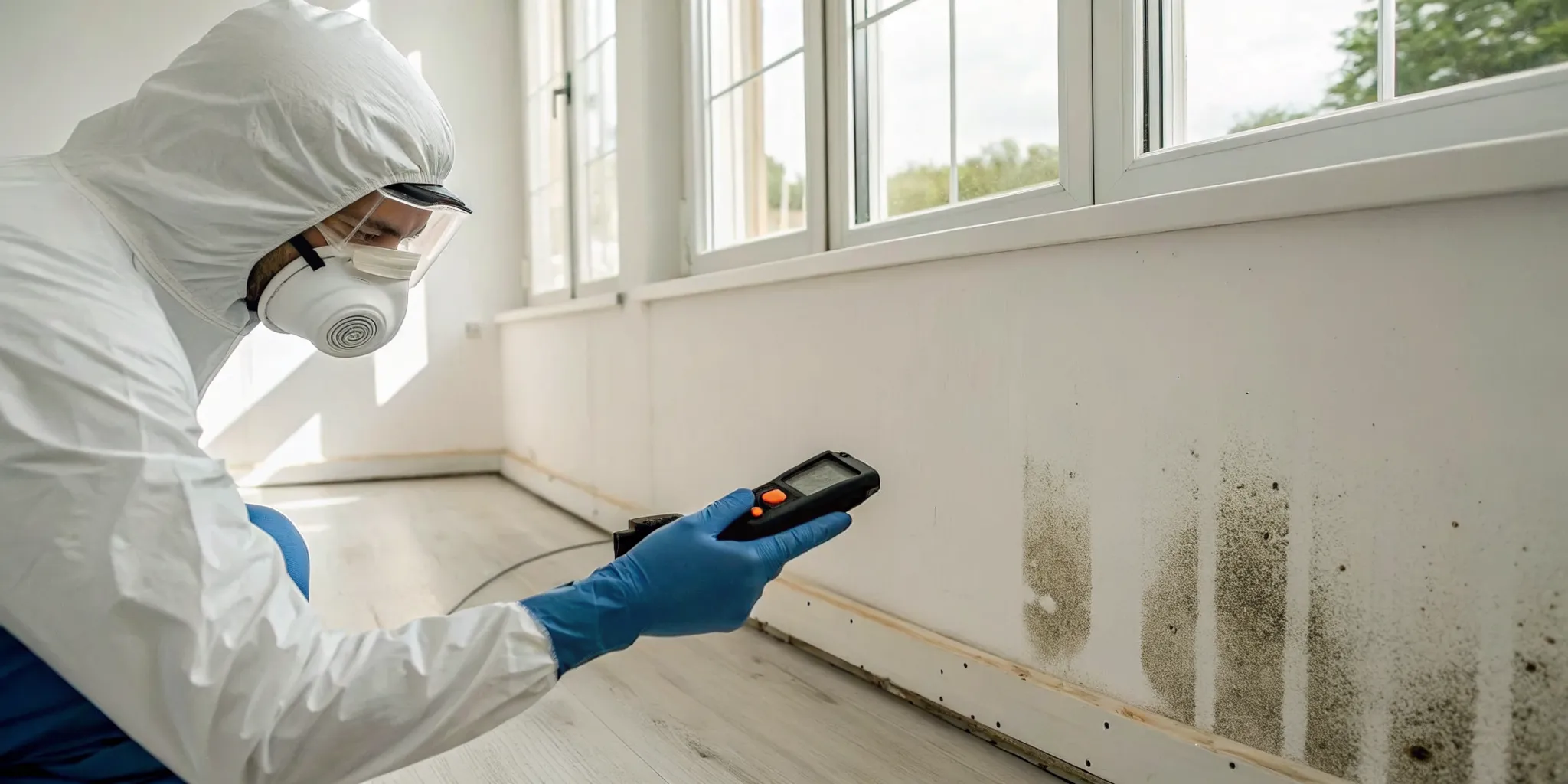
If you’ve been dealing with a persistent cough, unexplained allergies, or a constant stuffy nose at home, the culprit might be hiding behind your walls. Mold releases microscopic spores into the air you breathe, which can trigger a range of health issues, especially for those with asthma or compromised immune systems. Simply cleaning the visible spots doesn’t address the airborne contaminants or the hidden growth. This is why certified mold remediation is so crucial. It’s a health-focused process designed to not only remove the mold but also restore healthy air quality, giving you peace of mind and a safe living environment.
Key Takeaways
- Certification is your safeguard: DIY methods often fail and can spread mold spores, making the problem worse. Hiring a certified professional ensures the job is done correctly using proven safety standards that protect your home and health.
- Remediation is more than cleaning: A professional process involves identifying the moisture source, containing the area to prevent cross-contamination, and completely removing the mold. The goal is to solve the problem for good, not just treat the symptoms.
- Vet your professional carefully: Always ask for proof of certification (like from the IICRC) and insurance. A reputable company will also provide a detailed, written plan outlining the scope of work, so you know exactly what to expect before work starts.
What Is Certified Mold Remediation?
When you discover mold in your home or business, you want it gone for good. Certified mold remediation is the professional process for doing just that. It’s more than just scrubbing a surface with bleach; it’s a systematic approach carried out by specialists who have completed extensive training and earned certifications in mold cleanup. Think of it as the gold standard for dealing with a mold problem, ensuring the health of your space and everyone in it.
A professional with a Mold Remediation Specialist (MRS) certification, for example, has proven they have the skills to manage a remediation project from start to finish. They know how to identify the source of the mold, contain the area to prevent it from spreading, safely remove contaminated materials, and clean the air using specialized filtration equipment. This level of expertise ensures the job is done correctly and safely, giving you peace of mind that your property is healthy again. It's about addressing the root cause, not just the visible symptoms, to make sure the mold doesn't come back.
Certified Remediation vs. DIY Removal
It can be tempting to tackle a small patch of mold yourself, but this often does more harm than good. Without proper containment, you can easily spread mold spores to other parts of your property, turning a small issue into a much larger one. Many household cleaners are also ineffective on porous surfaces like drywall and wood. They can leave the mold’s root system intact, which allows it to grow back quickly.
While North Carolina doesn't legally require a license for mold removal, hiring a certified professional is the smartest choice. A certified contractor has the experience and knowledge to handle the job safely and effectively, protecting both your property and your health.
Why Certification Matters
So, why is a piece of paper so important? Because very few laws exist to govern mold remediation practices, industry organizations were created to set a high bar for quality and safety. The Institute of Inspection Cleaning and Restoration Certification (IICRC) is one of the most respected governing bodies, establishing the standards that protect you as a property owner. When you hire an IICRC-certified firm, you’re choosing a team committed to upholding those standards.
Ultimately, certification is your assurance that the professionals you hire are following evidence-based guidelines to manage mold-related health concerns. It means they won’t cut corners. At Remtech, our certified team provides thorough mold removal services that you can trust to restore a safe and healthy environment.
Understanding the Health Risks of Mold
Finding mold in your home can be unsettling, and for good reason. It’s more than just an ugly spot on the wall; it’s a potential health hazard that can affect your family’s well-being. When mold grows, it releases tiny spores into the air that you can easily inhale. For many people, this exposure can lead to a range of health problems, from mild allergic reactions to more serious conditions. The type of mold, the amount of exposure, and a person's individual health all play a role in how their body reacts. That's why addressing a mold problem isn't just about cleaning a surface, it's about protecting the air you breathe every day.
Respiratory Issues and Allergies
If you’ve noticed more sneezing, coughing, or a persistent stuffy nose at home, mold could be the culprit. For people with allergies, exposure to mold can trigger symptoms like a runny nose, itchy eyes, and skin rashes. Research confirms that mold in buildings increases the risk of respiratory disease. For those with asthma, mold spores can be a serious trigger, leading to more frequent and severe asthma attacks. Even if you don’t have pre-existing conditions, prolonged exposure can irritate your lungs and airways, making it feel like you have a cold you just can’t shake. It's a persistent problem that can significantly impact your quality of life.
The Dangers of Mycotoxins
You’ve probably heard the term “black mold” and the concerns surrounding it. Certain types of mold, like Stachybotrys chartarum, can produce toxic substances called mycotoxins. While the color of mold isn't a reliable indicator of its danger, these mycotoxins are what pose a more serious threat. According to the Cleveland Clinic, exposure to black mold can cause a reaction from your immune system. For individuals with compromised immune systems, such as the very young, the elderly, or those with chronic illnesses, this exposure can even lead to fungal infections in the airways. This is why it's so important to treat any mold growth with caution and not just dismiss it as a simple stain.
Why Quick, Professional Action Is Crucial
Ignoring mold won’t make it go away; in fact, it will only get worse. Mold actively feeds on organic materials like wood, drywall, and insulation, which means it physically destroys the structure of your home over time. This makes prompt action essential not only for your health but also for the integrity of your property. While it might be tempting to try a DIY solution, effective mold removal requires specialized knowledge and equipment to contain the spores and prevent them from spreading. Consulting with certified professionals is the best way to ensure the problem is handled safely and thoroughly, protecting both your home and your family’s health.
Key Certifications for Mold Remediation Professionals
When you're dealing with mold, you want to be sure the person you hire really knows what they're doing. That’s where certifications come in. They act as a seal of approval, showing that a technician or company has met rigorous industry standards for safety and effectiveness. Think of it as a baseline for quality. While experience is key, these credentials prove a professional has dedicated time to formal training. Here are a few of the most important certifications to look for when choosing a mold remediation company.
IICRC Mold Remediation Specialist (MRS)
The Institute of Inspection, Cleaning and Restoration Certification (IICRC) is a major name in the remediation world. Their Mold Remediation Specialist (MRS) certification is one of the most respected credentials a professional can hold. To earn it, technicians must complete intensive training and pass a comprehensive exam covering everything from mold biology to proper containment and removal techniques. When you see that a company's team is IICRC-certified, it’s a strong signal that they follow established, science-backed procedures to handle mold problems safely and effectively, protecting both your property and your family’s health.
MICRO Certified Mold Remediation Contractor (CMRC)
Another highly regarded credential is the MICRO Certified Mold Remediation Contractor (CMRC). This program specifically trains contractors on the best practices for identifying and removing mold from residential and commercial buildings. The course covers the entire remediation process, from initial assessment to final cleanup, with a strong emphasis on safety protocols. A CMRC-certified professional is equipped with the knowledge to tackle mold issues without spreading contaminants to other areas of your home or business. It’s another key certification that demonstrates a contractor’s commitment to doing the job right.
North Carolina Licensing and Insurance
In North Carolina, the rules can be a bit different. While the state doesn't issue a specific license just for mold remediation, a professional company must still adhere to all relevant business and contractor regulations. This includes carrying the right kind of liability and workers' compensation insurance. This is non-negotiable, as it protects you from any liability in case of accidents on your property. A reputable local company, like our team at Remtech Environmental, will be fully insured and knowledgeable about all local and state requirements. Always ask for proof of insurance before any work begins.
What to Expect from the Certified Remediation Process
Finding mold in your home can feel overwhelming, but knowing what a professional cleanup involves can make the situation much more manageable. A certified remediation process isn't just about scrubbing away visible spots; it's a systematic, multi-step approach designed to safely remove mold, address the underlying cause, and prevent it from coming back. Think of it as a comprehensive treatment plan for your home's health. Each step is performed by trained technicians who understand how to handle hazardous materials and protect the rest of your property from contamination.
From the initial assessment to the final recommendations, every action is deliberate and follows industry best practices. The goal is to restore your home to a safe, healthy condition. When you work with a certified team, you’re not just getting a cleaning service. You’re getting a partner who will guide you through the entire process, ensuring the job is done right. Let’s walk through what you can expect when you call in the experts for mold removal. This clear, methodical approach ensures that by the end, you can breathe easier knowing your home is truly clean.
Step 1: Inspection and Damage Assessment
The first thing a certified professional will do is conduct a thorough inspection. This goes far beyond just looking at the mold you can see. The technician will work to identify the full extent of the problem, including any hidden mold growing behind walls or under floors. A crucial part of this step is locating the source of the moisture that’s allowing the mold to thrive. Without fixing the underlying water issue, the mold will simply return. Professionals use tools like moisture meters to pinpoint problem areas and create a detailed remediation plan tailored specifically to your property. This assessment is the foundation for a successful removal project, so it’s important to get in touch with a professional to start the process.
Step 2: Containment and Air Filtration
Once the scope of the work is clear, the team’s next priority is to prevent mold spores from spreading to unaffected areas of your home. To do this, they will set up a containment zone around the contaminated area, typically using heavy-duty plastic sheeting and negative air pressure to isolate the space. They will also use powerful air scrubbers with HEPA filters, which are designed to capture microscopic mold spores from the air. This step is absolutely critical for protecting your family and the rest of your home during the removal process. It ensures that the problem stays contained and doesn't create new issues elsewhere. You can find more details on these technical processes in our resource library.
Step 3: Mold Removal and Cleaning
With containment in place, the physical removal of mold begins. For porous materials like drywall, insulation, and carpet that have been heavily affected, removal and disposal are often the only safe options. These materials can hold mold deep within their structure, making them impossible to fully clean. For non-porous surfaces like glass, metal, and some plastics, technicians will use specialized antimicrobial cleaning agents to meticulously remove all traces of mold. The team of experts doing the work understands which materials can be salvaged and which must be removed, ensuring the process is both effective and efficient. This is far more than a simple surface cleaning; it’s a detailed process to eliminate the contamination at its source.
Step 4: Drying and Final Testing
After all mold-affected materials have been removed or cleaned, the area must be thoroughly dried. Lingering moisture is mold’s best friend, so this step is essential for preventing regrowth. Professionals use industrial-grade equipment like high-volume fans and dehumidifiers to eliminate any remaining moisture from the air and surrounding structures. Once the area is completely dry, a final inspection is performed to ensure the job was successful. In some cases, post-remediation air or surface testing is conducted to verify that mold levels have returned to a normal, safe state. This final check provides you with the ultimate peace of mind, and you can read about our clients' successful outcomes in their testimonials.
Step 5: Recommendations to Prevent Future Growth
A truly professional remediation service doesn't just fix the current problem; it helps you prevent it from happening again. Once the cleanup is complete, the team will provide you with clear recommendations for preventing future mold growth. This often involves addressing the original moisture source, such as repairing a plumbing leak, improving ventilation in a bathroom, or regrading soil away from your foundation. These actionable steps empower you to maintain a healthy, mold-free home for the long term. By following this expert advice, you can feel confident that the issue has been resolved for good. We provide these comprehensive services across all our service areas.
How to Choose the Right Certified Professional
Finding the right professional to handle a mold problem can feel overwhelming, but knowing what to look for makes all the difference. You want a team that is not only skilled but also transparent and trustworthy. Taking the time to vet your options ensures your home is in capable hands and that the job gets done right the first time.
Verify Their Certifications and Experience
Before hiring anyone, always ask to see their certifications. Reputable companies will be happy to share them. The most respected credential in the industry comes from the Institute of Inspection Cleaning and Restoration Certification (IICRC). Since there are few laws governing mold remediation, the IICRC was created to set professional standards. A certified technician has proven they follow safe, effective methods and are committed to ongoing education. Also, look for a company with a long history of positive customer testimonials and experience in your local area. This background shows they have a track record of successfully handling situations just like yours.
Ask for a Detailed Remediation Plan
A legitimate professional won’t just give you a price; they’ll provide a comprehensive remediation plan. This process should always start with a thorough assessment to identify both visible and hidden mold growth. The plan itself should be a clear, written document that outlines the scope of work, the specific procedures they will use for containment and removal, and a timeline for completion. This document protects you and ensures everyone is on the same page before work begins. It’s your roadmap to a mold-free home, so don’t be afraid to ask questions until you fully understand every step of their proposed mold removal process.
Common Red Flags to Avoid
Unfortunately, some companies try to take advantage of a homeowner’s stress. Watch out for a few common red flags. Be wary of any company that uses high-pressure sales tactics or tries to scare you into making a quick decision. Another warning sign is an offer for "free" mold testing, as this is often a tactic to justify an inflated quote for the actual remediation work. If a company pushes for expensive air testing when mold is already clearly visible, or if they refuse to show you their certifications, it’s best to walk away. A trustworthy partner will be transparent and professional, so if you have any doubts, it’s always a good idea to contact us for a second opinion.
Get Expert Mold Remediation in North Carolina
When you find mold in your North Carolina home or business, your first instinct might be to panic. But before you reach for the bleach, take a deep breath. The safest and most effective next step is to call a certified professional. Dealing with mold isn't just about cleaning what you can see; it's about properly handling a potential health hazard, and that requires specific expertise, especially given our state's climate and regulations.
So, what makes a professional "certified"? Look for credentials like the Mold Remediation Specialist (MRS) certification from the IICRC, a leading authority in the inspection and restoration industries. This certification is a clear sign that a technician has the right skills and knowledge for the job. It means they’ve been trained on everything from containment protocols to safety measures, ensuring the mold is removed correctly without spreading spores to other areas of your property.
Hiring a local expert is also key. Cleanup rules can change depending on where you live, and a professional who works in North Carolina will understand the environmental factors that contribute to mold growth here. When you work with a certified mold remediation contractor, they will start with a complete assessment to find both visible and hidden mold, identify the moisture source feeding it, and create a detailed plan to fix the problem for good. Choosing a certified team gives you confidence that your property and, more importantly, your health are in capable hands. If you’re facing a mold issue, contact our team to get the expert help you need.
Related Articles
- Trust the Experts for Reliable Mold Remediation | Remtech Environmental
- Mold Remediation, Cary, NC | Remtech Environmental
- Mold Removal, Raleigh | Remtech Environmental [Infographic]
- Mold Remediation, Durham, NC | Remtech Environmental
- Mold Remediation, Raleigh, NC | Remtech Environmental
Frequently Asked Questions
Can't I just clean up a small amount of mold myself with bleach? While it’s tempting to grab a bottle of bleach, it’s often not an effective long-term solution. Bleach might remove the surface stain, but it doesn’t penetrate porous materials like drywall or wood to kill the mold's root system. More importantly, scrubbing mold without proper containment can release millions of spores into the air, potentially spreading the problem to other areas of your home and creating a bigger issue than you started with.
Is a little bit of mold really that big of a health risk? For some people, it can be. Mold releases spores that can trigger allergic reactions, like sneezing, itchy eyes, and skin rashes. For individuals with asthma or compromised immune systems, exposure can lead to more serious respiratory problems. While not all mold is "toxic," certain types can produce mycotoxins that pose a greater health concern. Because it's impossible to know how mold will affect your family, it's always best to treat any amount of growth with caution.
What's the most important thing to look for when hiring a mold professional? The single most important factor is certification. You should look for a company whose technicians are certified by a respected organization like the IICRC. This proves they have been trained to follow industry standards for safe and effective removal. Beyond that, always ask for proof of insurance and a detailed, written remediation plan that outlines exactly how they will contain the area and address the moisture source.
What happens if the mold comes back after the remediation is done? A certified remediation process is designed to prevent this from happening. A key part of the job isn't just removing the mold, but also identifying and fixing the moisture problem that allowed it to grow in the first place. A true professional will provide you with clear recommendations to control humidity and prevent future water issues. If the underlying cause is properly addressed, the mold should not return.
Will the removal process contaminate the rest of my house? No, a certified professional will take specific steps to prevent cross-contamination. Before any removal begins, they will set up a containment area using plastic sheeting and specialized equipment to create negative air pressure. This ensures that all airborne spores are trapped within the work zone and captured by powerful air scrubbers with HEPA filters, protecting the air quality in the rest of your home.