
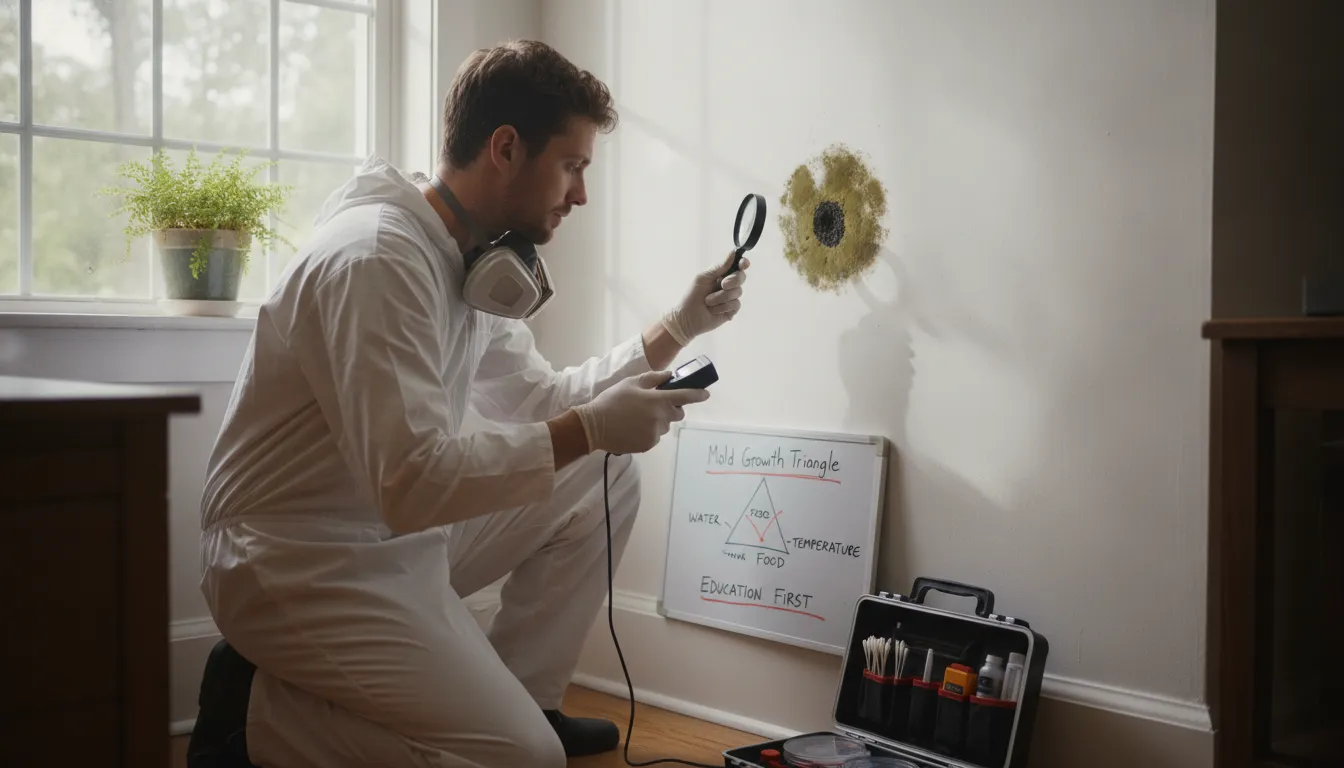
Can mold make you sick? For some people, yes. Indoor mold exposure may cause allergy-like symptoms, irritation, or asthma flare-ups. The effect depends on the person, the extent of exposure, and existing health conditions. Finding mold does not mean everyone in a building will become ill, but it does mean the moisture problem and affected materials deserve attention.
Get a free mold consultation for your North Carolina property.
If you own or manage a property in North Carolina, the most useful response is calm and practical. Protect occupants, identify the moisture source, speak with a healthcare professional about health concerns, and determine the right scope of cleanup. This guide explains what credible health agencies say about mold and how to make an informed decision without scare tactics. It does not provide medical advice or replace an evaluation by a healthcare professional.
Can mold make you sick? The short answer
Mold is a type of fungus that occurs naturally indoors and outdoors. It reproduces through tiny spores that can travel through the air. When spores settle on damp materials, mold can grow. According to the Centers for Disease Control and Prevention (CDC), mold may grow where excess moisture is present, including around leaks in roofs, pipes, and walls.
Health effects vary. The CDC reports that mold can cause a stuffy nose, sore throat, coughing or wheezing, burning eyes, or a skin rash for some people. People with asthma or mold allergies may experience more severe reactions. The agency also notes that people who are immunocompromised or have chronic lung disease may be at risk for lung infections from mold.
That distinction matters. Mold exposure does not affect every occupant in the same way. One person may notice symptoms while another person in the same building does not. A symptom alone also cannot prove that mold is the cause. A qualified healthcare professional is the right person to evaluate symptoms and individual health risks.
Common symptoms associated with mold exposure
Possible reactions to indoor mold often resemble seasonal allergies or other respiratory irritation. Symptoms associated with exposure can include:
- Sneezing, nasal congestion, or a runny nose
- Red, itchy, watery, or burning eyes
- Sore throat
- Coughing or wheezing
- Skin irritation or rash
- Asthma symptoms or flare-ups in people with asthma
The CDC's National Institute for Occupational Safety and Health explains that mold may irritate the eyes, nose, throat, skin, or lungs even in people who are not allergic to it. The same source links damp indoor spaces with worsening symptoms among people who already have asthma.
These symptoms can have many causes, so avoid trying to diagnose an illness based only on the discovery of mold. Note when and where symptoms occur, then share that information with a healthcare professional. Seek prompt medical care for breathing difficulty or another urgent health concern.

Who may be more sensitive to mold?
Anyone can encounter mold, but some occupants may be more likely to experience health effects or more serious reactions. Extra caution is appropriate when a property is occupied by:
- People with asthma
- People with known mold allergies
- People with chronic lung conditions
- People with weakened immune systems
- Children, older adults, or others whose health provider recommends limiting exposure
Property owners do not need to determine whether a person is sensitive enough before addressing mold. Visible growth, a persistent musty odor, or recurring dampness is a building-condition issue that should be investigated. Health questions should stay with healthcare professionals. Building assessment and remediation questions should go to qualified environmental professionals.
For rental, commercial, and shared properties, communication matters too. Tell affected occupants what has been observed, what steps are underway, and whom they should contact with concerns. Avoid making medical conclusions or promising that a building condition caused a particular symptom.
Why does mold grow indoors?
Mold needs moisture and a suitable material on which to grow. The CDC identifies many common indoor materials that may support growth, including drywall, wood, insulation, carpet, fabric, ceiling tiles, wallpaper, and dust. In North Carolina's humid climate, controlling indoor moisture can be especially important.
Common conditions associated with indoor mold include:
- Roof, plumbing, or window leaks
- Condensation around windows, ducts, or cold surfaces
- High indoor humidity or inadequate ventilation
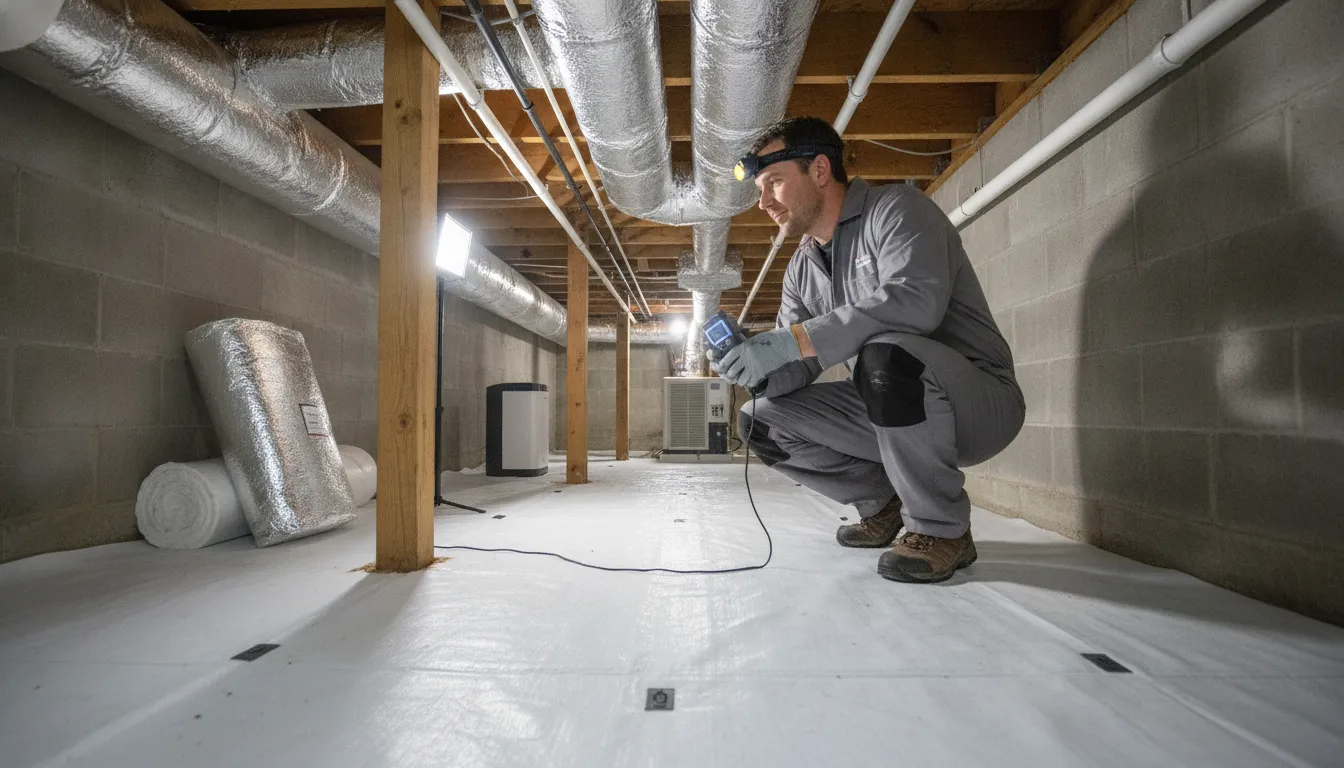
- Damp crawl spaces
- Wet building materials that were not dried promptly
Cleaning the visible surface without correcting the source of moisture is rarely a complete solution. If the damp condition continues, mold may return. That is why professional remediation focuses on both affected materials and the conditions that allowed growth. Property owners with recurring crawl-space moisture can also review how crawl-space encapsulation helps manage moisture.
Does the color of mold determine the health risk?
No. Property owners sometimes assume that dark or black mold is automatically more dangerous than mold of another color. Appearance alone does not reliably tell you the species, the extent of hidden growth, or how an individual may react.
From a property-management perspective, the practical response is the same. Address unwanted indoor mold and resolve the moisture source. Do not ignore growth because it looks harmless, and do not panic because it appears dark. A careful assessment is more useful than trying to identify risk by color.
Testing is not automatically required every time mold is visible. It can be useful when it answers a specific question that will change the scope of work. A professional can explain when sampling may add value and when the priority should be correcting moisture and addressing affected materials.
| Observation | What it may tell you | Practical next step |
|---|---|---|
| Visible growth on a small surface | Moisture has supported mold growth | Correct moisture and assess the affected material |
| Recurring musty odor | A damp or concealed area may need attention | Arrange a careful property assessment |
| Repeated growth after cleaning | The underlying moisture problem may remain | Consider professional remediation |
Talk with Remtech about the right next step for your property.
What to do if you suspect mold is affecting a property
- Respond to urgent health concerns.
- Look for moisture and visible growth.
- Record what you observe.
- Decide whether professional evaluation is appropriate.
- Correct moisture and remediate affected materials.
1. Respond to urgent health concerns first
If an occupant is having difficulty breathing or another urgent medical problem, seek medical help. For ongoing or unexplained symptoms, encourage the person to discuss concerns with a healthcare professional. An environmental remediation company does not diagnose medical conditions.
2. Look for moisture, not just visible growth
Note where you see staining, growth, condensation, or damp materials. Pay attention to persistent musty odors and areas near plumbing, windows, roofs, HVAC components, and crawl spaces. Avoid disturbing a large or uncertain area because tearing into materials can spread dust and spores.
3. Record what you observe
Photograph affected areas without disturbing them, note when the condition was discovered, and record known leaks or repairs. For a managed property, document occupant reports and communications. These records help a professional understand the history and can make the assessment more efficient.
4. Decide whether professional evaluation is appropriate
A small, isolated spot on a nonporous surface may be straightforward to address after the moisture issue is corrected. Professional help is a sensible next step when the affected area is extensive, repeatedly returns. Involves porous building materials, may extend into concealed spaces, or affects a building occupied by higher-risk individuals.
A professional mold inspection can help clarify the condition of the property and establish an appropriate scope of work. Property owners preparing for a sale may also want to learn how to protect a real estate deal from mold.
5. Correct the moisture source and remediate affected materials
Effective remediation is not simply cosmetic cleaning. It should account for containment, removal of affected material when appropriate, moisture-source correction, and thorough cleaning and drying. Remtech Environmental uses a structured process to plan the work, contain the area, remove mold, resolve the source, clean and dry, and discard materials that cannot be restored.
When is professional mold remediation the right choice?
There is no single answer based only on square footage or mold color. The right response depends on where growth is located, which materials are affected. Whether the moisture source has been found, and how easily the area can be contained and cleaned.
Consider professional remediation when:
- Mold keeps returning after cleaning
- The affected area is widespread or difficult to access
- Growth may be behind walls, beneath flooring, or in a crawl space
- Porous materials such as drywall or insulation are affected
- The moisture source is uncertain
- The property is commercial, occupied, or requires careful coordination
- You want a documented plan and controlled remediation process
North Carolina does not require a state mold-remediation license. That makes it important to evaluate a contractor's training, process, insurance, and professional standards. Remtech voluntarily exceeds state requirements through professional certifications and experienced technicians. Learn more about professional mold removal services in the Raleigh area and Remtech's education-first approach to environmental remediation.
Ask a prospective contractor to explain the planned containment, removal, cleaning, drying, and moisture-control steps. A clear scope should distinguish between materials that can be cleaned and those that need removal. It should also explain how the work area will be managed around occupants.
How property owners can reduce the chance of mold returning
Prevention comes down to moisture control. Once remediation is complete, keep watch for the conditions that allowed mold to grow in the first place. Review these three practical ways to prevent mold damage for more property-care guidance.
- Repair plumbing, roof, and window leaks promptly
- Use exhaust ventilation in bathrooms and kitchens
- Manage indoor humidity and condensation
- Keep gutters, drainage, and crawl-space conditions in good order
- Inspect previously affected areas for recurring dampness or odors
- Dry wet materials as quickly as practical
A property may look clean while a moisture problem continues out of sight. Periodic checks are especially useful after repairs or remediation. Keep records of repairs and recheck areas that have experienced leaks, condensation, or repeated musty odors.
Prevention also benefits from a whole-property view. A damp crawl space, roof leak, poorly ventilated bathroom, or cold surface that collects condensation can each create favorable conditions. Addressing those conditions early is usually easier than responding after mold spreads into porous materials.
Frequently asked questions about mold and health
How quickly can mold make you sick?
There is no universal timeline. Some sensitive individuals may notice irritation or allergy symptoms soon after exposure, while others may not experience symptoms. Exposure time alone cannot diagnose a mold-related health issue. Discuss health concerns with a healthcare professional and address the building's moisture and mold conditions.
Can mold make you tired?
Fatigue has many possible causes and is not specific enough to establish that mold is responsible. A medical professional can evaluate persistent fatigue and other symptoms. If a property has visible mold or ongoing dampness, address that condition independently of a medical diagnosis.
Can you stay in a house with mold?
That depends on the extent and location of the mold, the ability to isolate the area, and the health needs of occupants. People with asthma, mold allergies, weakened immune systems, or chronic lung disease should seek guidance from their healthcare provider. A qualified environmental professional can assess the building and recommend an appropriate remediation plan.
Do you need to test mold before removing it?
Not always. If visible mold is present, the immediate priorities are usually understanding the scope and correcting moisture. Testing may be useful in certain situations, but it should answer a specific question that will affect the remediation plan. An experienced professional can help determine whether testing adds value.
Will mold come back after remediation?
Mold may return if the underlying moisture problem continues or affected materials were not addressed completely. A sound remediation plan includes moisture-source correction, containment, appropriate removal, cleaning, and drying.
Get clear answers about mold in your North Carolina property
Mold concerns call for an informed response, not fear. Remtech Environmental helps homeowners, businesses, property managers, real estate professionals, and insurance adjusters understand the condition of a property and choose an appropriate path forward. Our education-first approach is built around doing the right work the right way.
If you see mold, notice a persistent musty odor, or need help understanding a recurring moisture-related problem, get a free consultation. Remtech serves North Carolina through teams supporting the Triangle, Western North Carolina, and coastal and eastern markets.