
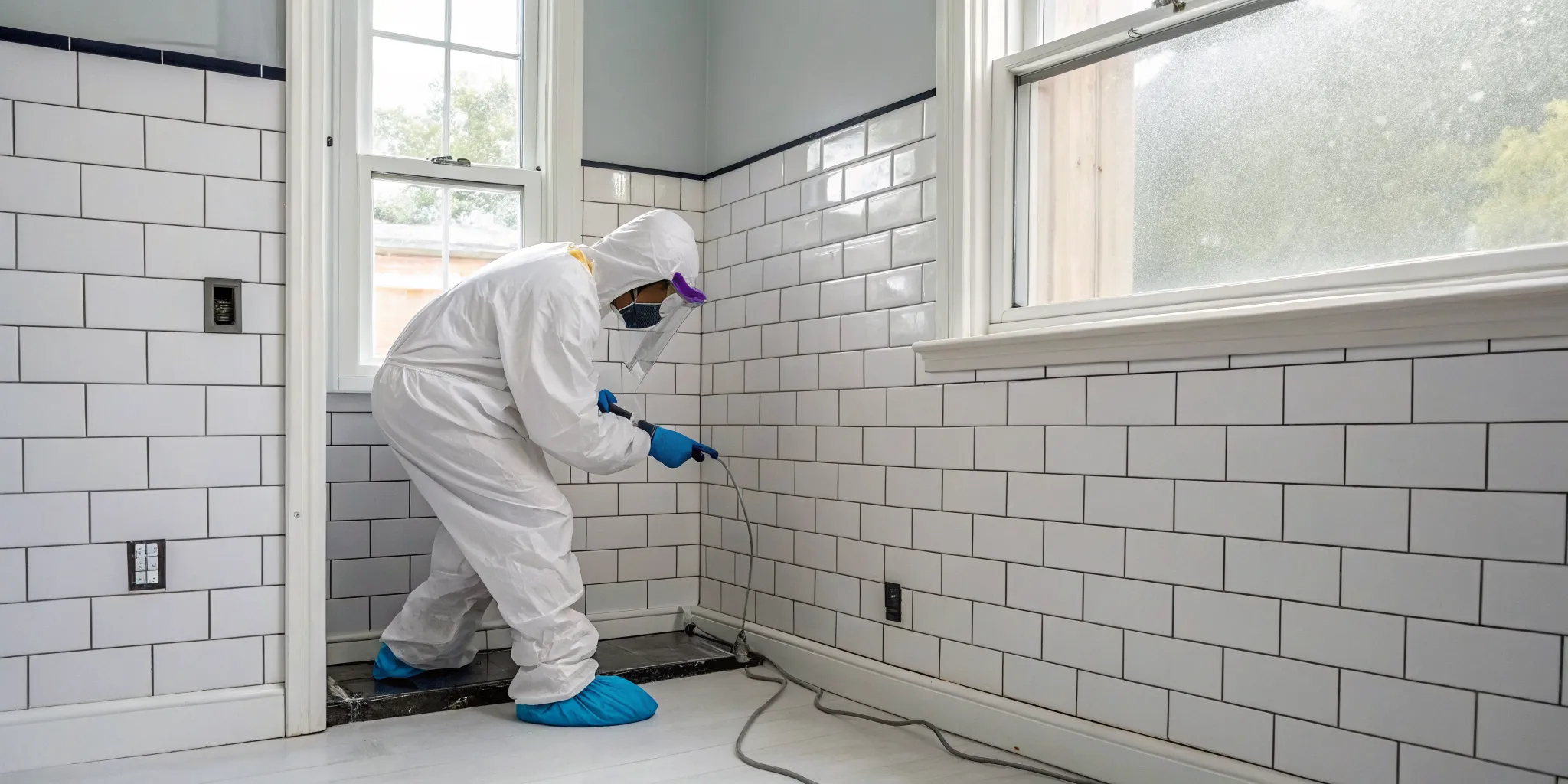
Are you dealing with a constant cough, itchy eyes, or headaches that seem to get better when you leave the house? Your home's air quality might be the culprit. Mold releases tiny spores into the air that can trigger a range of health issues, especially for children and those with respiratory conditions. Protecting your family’s well-being starts with ensuring the air they breathe is clean and safe. This article will help you understand the health risks associated with mold exposure and provide a clear, actionable plan for a safe black mold removal process, so you can breathe easier in your own home.
Key Takeaways
- Identify Mold with Your Senses: Look for visible dark spots and signs of water damage, trust any persistent musty odors, and pay attention to unexplained allergy-like symptoms that worsen when you are at home.
- Address the Moisture Source Before You Clean: Simply scrubbing away mold is a temporary fix; you must find and repair the underlying leak or humidity issue to prevent the mold from returning.
- Call a Professional for Large or Hidden Problems: While small spots under 10 square feet can be a DIY project, widespread growth, mold in your HVAC system, or a musty smell with no visible source requires an expert for safe and effective removal.
What Is Black Mold and Why Is It a Concern?
"Black mold" is a term that gets thrown around a lot, and it can sound pretty scary. It usually refers to a specific type of fungus called Stachybotrys chartarum, which has a distinct slimy, blackish-green appearance. This type of mold isn't picky, but it has a favorite type of home: anywhere that's damp, humid, and has poor ventilation. Think of places like a basement after a flood, the wall behind a leaky pipe, or a bathroom that stays steamy long after you shower. These environments provide the perfect breeding ground for mold to take hold and spread.
The main concern with black mold isn't just that it looks unpleasant. It can cause real, lasting damage to your home by feeding on organic materials like drywall, wood, and carpeting. Over time, this can lead to ugly stains and weaken the structural integrity of your house, creating problems that are difficult and expensive to fix. What makes it even trickier is that mold often grows in hidden spots, like inside walls, under flooring, or above ceiling tiles. You might not even know it's there until you notice a musty smell or the problem has become widespread. That's why professional mold removal is so important for tackling the issue at its source and ensuring your home is safe and sound for your family.
How Black Mold Can Affect Your Health
Beyond the damage to your property, black mold can have a significant impact on your health. When mold grows, it releases tiny spores into the air that you can easily breathe in. For many people, this can trigger allergy-like symptoms such as a persistent cough, wheezing, a runny nose, and itchy, watery eyes. You might even feel unusually tired without knowing why. According to the U.S. Environmental Protection Agency, these reactions can happen to anyone, even if you don't typically suffer from allergies.
These health effects can be especially serious for certain people. Children, older adults, and anyone with a compromised immune system or existing respiratory conditions like asthma are much more vulnerable. For them, exposure can lead to more severe reactions, including shortness of breath and lung infections. Your health is the number one reason to address a mold problem quickly.
Common Places to Find Black Mold
Because mold thrives on moisture, the best places to look for it are areas in your home that are frequently damp or have experienced water damage. Start your inspection in the bathroom. Check around and behind the toilet, under the sink, and in the corners of your shower where water can pool. Kitchens are another hotspot, especially under the sink where small leaks can go unnoticed. Don't forget to check your laundry room and any areas with plumbing.
Basements and attics are also prime locations. In the basement, inspect the corners and near windows where condensation can form. In the attic, look for signs of roof leaks, like dark stains on the wood. Mold can hide behind wallpaper and under carpets, so if you notice a musty smell but can't see the source, it might be time to call a professional. We can help you pinpoint the problem in your service area.
How to Identify Black Mold in Your Home
Finding mold in your home can feel overwhelming, but the first step is simply knowing what to look for. Sometimes it’s obvious, but often, mold is a sneaky problem that hides out of sight. You can rely on your senses to help you detect a potential issue. By paying attention to what you see, smell, and even how you feel physically, you can catch mold growth early and take action before it becomes a bigger problem. Let’s walk through the key signs that point to black mold in your home.
What Black Mold Looks Like
Black mold often appears as splotchy or spotted patches that are dark green, gray, or black. You might find it on walls, ceilings, or floors, especially in damp areas like bathrooms, basements, and kitchens. It can have a slightly fuzzy or slimy texture depending on the moisture level. Don't just look for the mold itself; also keep an eye out for signs of water damage, which is a major red flag. Things like bubbling or peeling paint, warped walls, or persistent water stains are strong indicators that moisture is present, creating the perfect environment for a mold removal problem to develop.
Musty Odors and Other Red Flags
You can often smell mold long before you see it. If you notice a persistent musty, earthy, or damp smell in a specific room or area of your house, it’s a good idea to investigate further. This distinct odor is caused by microbial volatile organic compounds (MVOCs), which are gases produced by mold. The smell might be stronger in enclosed spaces like closets or basements. Trust your nose. If something smells off and the odor doesn't go away with regular cleaning or airing out the room, you could be dealing with hidden mold growing behind drywall or under carpets. Our resource library has more information on tackling these tricky situations.
Physical Symptoms of Mold Exposure
Sometimes, the first clue that you have a mold problem is how you feel. Exposure to mold spores can trigger a range of physical symptoms, especially for those with allergies or asthma. You might experience persistent coughing, wheezing, a runny nose, itchy eyes, or skin irritation. One of the biggest tell-tale signs is if your symptoms seem to get better when you leave your house and then return once you're back home. If you or your family members are dealing with unexplained allergy-like symptoms or headaches that just won't quit, it could be your body's way of telling you there's an issue with your indoor air quality.
Safety Precautions to Take Before Removal
Before you touch a single moldy spot, it’s essential to focus on safety. Black mold can release spores that are harmful when inhaled or touched, so taking the right precautions protects you, your family, and the rest of your home from contamination. Think of it like prepping a worksite; you wouldn’t start a project without the right tools and safety gear. Properly gearing up, sealing off the contaminated space, and ensuring good ventilation are non-negotiable first steps that prevent a contained problem from turning into a whole-house issue.
The Protective Gear You'll Need
Your first line of defense is personal protective equipment (PPE). Don’t even think about starting without it. You'll need an N95 respirator mask to avoid inhaling mold spores, which can cause serious respiratory problems. Safety goggles are also a must to protect your eyes from contact. Finally, wear long, disposable rubber gloves to keep your hands clean and prevent skin irritation. It’s also a smart idea to wear old clothes with long sleeves and pants that you can either wash in hot water or throw away afterward. Taking these steps ensures the mold stays on the materials you're removing, not on you.
How to Prep and Seal the Area
Containing the mold is just as important as protecting yourself. You need to prevent spores from becoming airborne and traveling to other parts of your home. Use thick plastic sheeting to seal off the room. Tape the sheeting over doorways, air vents, and any other openings. It’s also crucial to turn off your HVAC system to stop air from circulating throughout the house. The goal is to create an isolated chamber so that any spores you disturb during cleaning are trapped. This containment process is a key part of professional mold removal and is critical for any DIY attempt.
Setting Up Proper Ventilation
While you have the area sealed off from the rest of the house, you still need to manage the air inside the workspace. Good ventilation helps direct airborne spores outside. Open any windows in the room and place a fan facing out to pull contaminated air from the space. Never point a fan directly at the moldy surface, as this will just blow the spores around the room and make the problem worse. The idea is to create a "negative pressure" environment that encourages air to flow out the window, taking the spores with it. If you're unsure about setting this up correctly, it's always best to contact an expert.
How to Safely Remove Black Mold Yourself
Tackling a small patch of black mold on your own can feel empowering, but it’s a job that requires careful attention to safety. This guide is for small, contained areas (less than 10 square feet). If you're facing a larger problem or the mold is in your HVAC system, the safest path is professional mold removal. For smaller jobs, following the right steps can help you clean the area effectively while protecting your home from spreading spores.
A Step-by-Step DIY Removal Guide
Ready to get started? Here’s how to approach a small mold cleanup project safely.
- Safety First: Before you do anything else, protect yourself. Wear an N95 respirator mask, rubber gloves, and disposable coveralls to prevent inhaling mold spores or getting them on your skin.
- Seal and Ventilate: Isolate the room by sealing doorways with plastic sheeting and duct tape. Open any windows and place a fan pointing out to pull contaminated air outside.
- HEPA Vacuum: Use a vacuum with a HEPA filter to carefully go over the moldy surface. This removes loose spores without spreading them. Make sure to empty the vacuum outside.
- Apply Cleaner: Spray the mold with your chosen solution and let it sit for the recommended time to kill the mold at its roots.
- Scrub and Wipe: After the solution has had time to work, scrub the area with a stiff brush and wipe it clean with disposable cloths.
- Dry Completely: Mold loves moisture, so drying the area is critical. Use fans or a dehumidifier until the surface is completely dry to prevent regrowth.
The Best Cleaning Solutions for Black Mold
You don’t need harsh chemicals to kill black mold. Some of the most effective options are likely already in your home.
- White Vinegar: Undiluted white vinegar is great for porous surfaces like wood or drywall because it gets to the mold's roots. Spray it on, let it sit for a full hour, then scrub the area clean.
- Hydrogen Peroxide (3%): For non-porous surfaces like tile or glass, a 3% hydrogen peroxide solution works well. Spray it directly on the mold, let it sit for about 15 minutes, then scrub and wipe it away.
- Bleach: While many people reach for bleach, it’s not always the best choice. A diluted bleach solution can kill surface mold but is less effective on porous materials, often leaving the roots behind.
How to Dispose of Contaminated Materials
Some items just can’t be saved. Porous materials that are heavily affected by mold, like carpets, drywall, and ceiling tiles, should be thrown away. Trying to clean them often leaves spores behind, which can lead to regrowth down the road.
When disposing of these items, handle them carefully. Seal all contaminated materials in heavy-duty plastic bags before carrying them out of the room. This prevents spores from spreading through your home. If the amount of material to be removed feels overwhelming, it's always best to contact a professional to handle it safely and ensure the job is done right.
Common Mistakes to Avoid During Removal
When you find mold, the first instinct is often to grab a bottle of cleaner and start scrubbing. I get it. But tackling mold removal yourself can go wrong in a few key ways, potentially making the problem worse or even putting your health at risk. Knowing what not to do is just as important as knowing the right steps. Let's walk through some of the most common mistakes I see people make so you can avoid them. From using the wrong cleaning products to forgetting the most crucial step in prevention, a few simple missteps can turn a small mold spot into a much bigger headache.
Why Bleach Isn't the Best Solution
It’s one of the biggest myths in home cleaning: that bleach is the ultimate mold killer. The truth is, bleach often just whitens the mold, making it look like it’s gone when the roots are still alive and well within porous surfaces like drywall or wood. It doesn't actually kill the mold. Plus, bleach is a harsh chemical that can damage the materials you’re trying to clean. Instead of reaching for the bleach, you need a cleaning solution specifically designed to eliminate mold at its source. For a truly effective and safe approach, professional mold removal services use specialized antimicrobial treatments that get the job done right.
Forgetting to Address the Moisture Source
Cleaning up visible mold without fixing the underlying water problem is like mopping up a spill while the faucet is still running. It’s a temporary fix at best. Mold needs moisture to grow, so if you don't eliminate its water source, it will come back. You have to play detective and find out where the dampness is coming from. Is it a leaky pipe under the sink, poor ventilation in the bathroom, or condensation on your windows? To stop mold for good, you must find and fix the source of the moisture. This is a critical step that ensures your hard work cleaning up the mold actually lasts.
Using Inadequate Protection and Containment
This is a big one, and it’s all about safety. When you scrub or disturb mold, you can release millions of tiny spores into the air, which can spread to other areas of your home and be inhaled. That’s why proper personal protective equipment (PPE) is non-negotiable. You should always wear an N95 mask, gloves, and eye protection. It’s also crucial to contain the work area by sealing it off with plastic sheeting and using a HEPA air purifier to capture airborne spores. Proper ventilation, like using a fan to blow air out a window, is also key. If this sounds like a lot, it’s because it is. Handling it correctly is why many people contact a professional to ensure it's done safely.
How to Prevent Black Mold from Returning
Getting rid of black mold is a huge relief, but the job isn’t finished once the last spot is scrubbed away. The real key to a healthy home is making sure it never comes back. Preventing mold regrowth is all about creating an environment where it can’t thrive. This means tackling the root cause: moisture. By focusing on controlling humidity, improving airflow, and staying on top of regular maintenance, you can protect your home and your peace of mind for the long haul.
Control Moisture and Humidity Levels
Mold needs water to grow, so your number one defense is cutting off its supply. Start by fixing any leaks, no matter how small. A slow drip under the sink or a minor roof leak can create the perfect damp environment for mold to flourish. In naturally humid areas like basements, bathrooms, and crawl spaces, a dehumidifier is your best friend. Aim to keep your home’s humidity level below 50%. If you’ve experienced significant water issues, professional water damage restoration can ensure the area is completely dry, which is a critical step in preventing mold from taking hold in the first place.
Improve Ventilation and Airflow
Stagnant, moist air is an open invitation for mold spores to settle and grow. Improving your home's ventilation is a simple but powerful way to keep air fresh and dry. Make it a habit to run the exhaust fan in your bathroom during and after a shower and use the one in your kitchen while cooking. When the weather allows, open windows to encourage cross-ventilation. According to the EPA, increasing surface air movement can discourage mold growth, so even using fans and arranging furniture a few inches away from walls can make a big difference in problem areas.
Regular Maintenance and Inspection Tips
Staying ahead of mold requires a little proactive maintenance. Set aside time to regularly inspect areas that are prone to moisture, like under sinks, around tubs and toilets, and near windows. Look for any signs of water damage, condensation, or the start of new growth. Clean these areas weekly with a solution that can help prevent mold, such as vinegar or hydrogen peroxide. If you spill something or notice a wet spot, dry it completely within 24 to 48 hours. Catching potential problems early is the best way to avoid another major mold removal project down the road.
When to Call a Professional for Mold Removal
While tackling a small spot of mold on your own can feel empowering, some situations are simply too big or too risky for a DIY approach. Knowing when to step back and call in a professional is key to protecting your home and your health. Professionals have the specialized training, equipment, and containment procedures to handle extensive mold problems safely and effectively, ensuring the issue is resolved completely without spreading spores to other areas of your home.
Think of it this way: you might patch a small hole in the wall, but you’d hire a contractor for a major renovation. The same logic applies here. For widespread mold, hidden contamination, or mold in sensitive areas like your HVAC system, an expert is your best bet for a safe and lasting solution. A professional mold removal service not only gets rid of the mold but also helps identify and address the moisture source, giving you peace of mind that it won’t come right back.
Signs You Need an Expert's Help
So, what’s the tipping point? A great rule of thumb comes directly from the Centers for Disease Control and Prevention (CDC). They recommend calling a professional if the affected area is larger than 10 square feet (roughly a 3-foot by 3-foot patch). A large patch of mold often signals a more significant underlying moisture problem that a simple surface cleaning won't fix. Attempting to clean a large area yourself can release a high concentration of spores into the air, potentially creating a bigger health hazard. If you’re looking at a sizable amount of mold, it’s time to put down the scrub brush and pick up the phone.
Dealing with Large Infestations or HVAC Issues
Two situations in particular call for immediate professional help: hidden mold and HVAC contamination. If you notice a persistent musty smell but can't find the source, there’s a good chance mold is growing behind walls, under flooring, or in your ceiling. Professionals use tools like moisture meters and infrared cameras to locate hidden mold without tearing your house apart. Similarly, if you suspect mold is in your heating or air conditioning system, do not run it. According to the U.S. Environmental Protection Agency (EPA), turning on a contaminated HVAC unit can quickly spread mold spores throughout your entire home. Professionals are equipped to safely clean and decontaminate ductwork and system components.
Understanding Costs and Insurance Coverage
It’s smart to consider the financial side of things. Professional mold remediation can range from several hundred to several thousand dollars, depending on the extent of the contamination and the work required. While it's an investment, it protects the value of your property and, more importantly, your family's health. Before you start any cleanup, it’s also a good idea to check your homeowner's insurance policy, as some plans offer coverage for mold damage. If you have any health concerns or are experiencing symptoms, always consult a doctor. For a clear picture of what your situation requires, the best first step is to get a professional assessment. You can contact us to schedule an inspection and get a detailed quote.
What to Expect from a Professional Mold Removal Service
When you decide to hire a professional, you’re bringing in a team with a systematic plan to handle the problem safely and effectively. Unlike a DIY approach, a professional service follows a structured process from start to finish. This ensures the mold is not only removed but that the underlying cause is addressed to prevent it from coming back. The entire process is designed to restore your home to a safe, healthy environment with minimal disruption. It’s about giving you peace of mind, knowing the job was done right.
The Initial Assessment and Testing Process
The first thing a professional team will do is perform a detailed inspection of your property. This initial assessment is more than just looking for visible mold. The experts will work to identify the full extent of the contamination, including hidden spots, and pinpoint the source of the moisture that’s allowing the mold to grow. They’ll talk with you about any health concerns or musty odors you’ve noticed to get a complete picture of the situation. This step is essential for creating an effective mold removal plan tailored specifically to your home’s needs.
Advanced Techniques and Equipment Pros Use
Once the assessment is complete, the hands-on work begins. Professionals use specialized techniques and equipment that you just can’t find at a hardware store. They will start by setting up containment barriers, often using plastic sheeting, to seal off the affected area and prevent spores from spreading to other parts of your home. High-efficiency particulate air (HEPA) filters and negative air machines are used to scrub the air clean during the removal process. Our team then uses proven methods to physically remove the mold from all affected surfaces, ensuring a thorough and lasting result.
Post-Remediation Verification and Follow-Up
After the mold has been removed and the area is cleaned, a reputable company won’t just pack up and leave. The final step is post-remediation verification. This involves a careful visual inspection of the work area to ensure all traces of mold are gone. In some cases, follow-up air quality testing may be performed to confirm that the air is clean and spore levels have returned to normal. This verification step is your assurance that the job was successful and your home is safe again, a commitment reflected in the feedback from our satisfied clients.
Frequently Asked Questions
Is every dark-colored mold I see the toxic "black mold?" Not necessarily. Many types of household mold can appear black or dark green, and it's impossible to identify the specific species just by looking at it. While Stachybotrys chartarum (the one people call "black mold") gets a lot of attention, the truth is that any type of mold can cause property damage and trigger health issues. The best approach is to treat all mold growth as a potential problem that needs to be addressed properly, regardless of its color.
Can I just clean a moldy spot with bleach and paint over it? This is a common impulse, but it's one of the worst things you can do. Bleach is only effective on non-porous surfaces and often fails to kill the mold's roots on materials like drywall or wood. Painting over mold simply hides the problem. It traps moisture against the surface, which allows the mold to continue growing unseen. Eventually, it will eat through the paint and you'll have a much larger issue on your hands.
How do I know if my mold problem is small enough to handle myself? A good guideline is the size of the affected area. If the mold covers a patch smaller than 10 square feet (about 3 feet by 3 feet) and is on an easy-to-clean surface, a DIY approach might be possible if you follow strict safety protocols. However, if the mold covers a larger area, if you smell a strong musty odor but can't see the source, or if you suspect it's in your HVAC system, it's time to call a professional.
What's the difference between mold removal and mold remediation? Think of it this way: mold removal is one step in the larger process of mold remediation. Removal focuses on the physical act of cleaning and eliminating the visible mold. Remediation is the complete solution. It includes assessing the extent of the problem, containing the area to prevent cross-contamination, filtering the air, removing the mold, and, most importantly, addressing the moisture source that caused the mold to grow in the first place.
Is it safe to stay in my home during the professional removal process? This really depends on the scope of the project. For a small, contained job, you can often remain in your home without any issue. Professionals use containment barriers and negative air pressure to keep the work area isolated. For larger projects, especially if the mold is widespread or in your HVAC system, it may be safer and more comfortable for you and your family to make other arrangements for a day or two. Your remediation team will give you a clear recommendation based on your specific situation.