
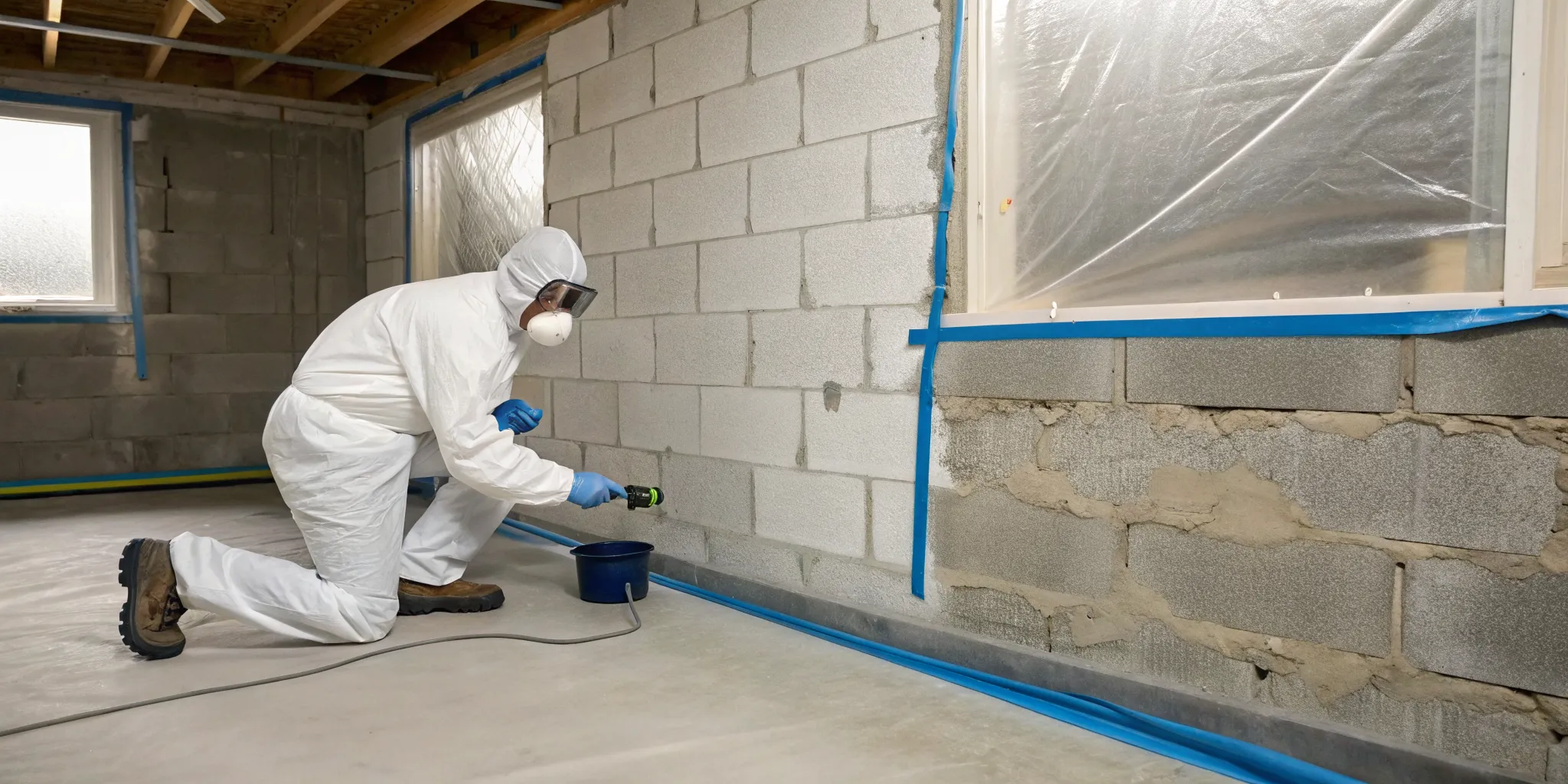
Are you or your family members dealing with persistent sniffles, coughing, or allergy-like symptoms that you just can't explain? The culprit could be hiding in your basement. Mold releases tiny spores into the air, which can seriously impact your home's air quality and trigger a range of health issues, especially for children and those with respiratory conditions. Taking action against mold is about more than just cleaning a stain; it's about protecting your family’s well-being. This guide will help you connect the dots between your health and your home environment, explaining how to spot mold, what to do about it, and when professional basement mold remediation is the best choice for a healthy home.
Key Takeaways
- Control Moisture to Control Mold: Mold cannot grow without water, so your primary focus should be creating a dry basement. This means finding and fixing leaks, using a dehumidifier to keep humidity below 50 percent, and running fans to improve air circulation.
- Know When to Call a Professional: While you can clean a small mold spot (under 10 square feet) yourself with proper safety gear, larger infestations require expert help. Call a professional if the mold is widespread, returns after cleaning, or is linked to major water damage to ensure it's handled safely.
- Make Prevention a Routine: Keeping mold away for good requires simple, ongoing maintenance. Make it a habit to regularly inspect your basement for damp spots, check for leaks, and monitor humidity levels to catch potential problems before they start.
What Is Basement Mold and Why Does It Grow?
Discovering that musty smell or seeing fuzzy spots on your basement walls can be unsettling. Unfortunately, basements are often the perfect environment for mold to thrive. Their tendency to be damp, dark, and poorly ventilated creates an ideal habitat. Understanding why mold appears in the first place is the first step toward getting rid of it for good. Mold is a type of fungus that exists everywhere, but it only becomes a problem when it finds a suitable place to grow in your home. For mold, your basement can feel like a five-star resort, offering everything it needs to multiply.
The Main Culprits: Moisture, Humidity, and Stale Air
Mold has a simple recipe for survival: oxygen, a food source, a suitable temperature, and water. Your basement provides plenty of oxygen, food (in the form of wood, drywall, cardboard, and even dust), and consistent temperatures. The one ingredient you have the most power over is moisture. This is why the key to mold control is moisture control. Basements are prone to dampness from leaky pipes, foundation cracks, condensation on cold surfaces, and general high humidity. When you combine this moisture with stale, stagnant air from poor ventilation, you create the perfect conditions for mold spores to settle and grow into a full-blown colony.
What Kinds of Mold Grow in Basements?
You might see mold that looks black, green, white, or even orange. While certain types like Stachybotrys chartarum (often called "black mold") have a scary reputation, the truth is that any type of mold in your home is a problem. You don't need to identify the exact species to know you need to take action. Different molds can grow in damp areas like basements and crawl spaces, often feeding on building materials and stored items. The important thing isn't the color, but the fact that it's growing at all. If you see discoloration or fuzzy growth, it's a clear sign you need a professional mold removal plan.
How Basement Mold Can Affect Your Health
Beyond being an eyesore, mold can release spores into the air that may cause health issues. The potential health effects are a serious concern, especially for children, the elderly, and anyone with asthma, allergies, or a compromised immune system. For these individuals, mold exposure can trigger allergic reactions and asthma attacks. Even if you're perfectly healthy, prolonged exposure can lead to symptoms like a stuffy nose, coughing, wheezing, and skin or eye irritation. If you or your family members are experiencing persistent, unexplained symptoms and you suspect you have mold, it's a good idea to talk to your doctor.
How to Spot Mold in Your Basement
Finding mold in your basement can feel overwhelming, but catching it early is the key to managing it effectively. Your own senses are often the best tools for initial detection. Basements are naturally prone to dampness, creating an ideal environment for mold to thrive, sometimes out of sight. Knowing what to look for, understanding the potential health effects, and separating fact from fiction will help you assess the situation and decide on the right course of action. If you suspect you have a problem, a careful inspection is your first step. Pay attention to musty odors, visible signs of growth, and any unexplained health symptoms you might be experiencing.
Telltale Signs: What to Look and Smell For
Often, your nose will notice a problem before your eyes do. A persistent musty, earthy smell is one of the most common indicators of hidden mold. Don’t just dismiss it as a "damp basement smell." If the odor is present, it’s time to investigate further. Look for visible signs of growth, which can appear as black, green, or white spots and splotches. Mold can also cause paint or wallpaper to peel, bubble, or crack. Check along baseboards, in corners, and around pipes or windows where moisture might collect. Since mold needs water to grow, finding the source of the moisture is just as important as finding the mold itself. Check for leaky pipes, foundation cracks, or areas with high condensation.
Is Mold Making You Sick? Common Symptoms
If you or your family members have been dealing with persistent allergy-like symptoms at home, basement mold could be the cause. Mold releases spores into the air, and inhaling them can trigger a range of health issues. These problems are often more severe for individuals with asthma, allergies, or compromised immune systems. Common symptoms include a chronic cough, sneezing, a sore throat, skin irritation, and itchy, watery eyes. You might even experience headaches or fatigue. If these symptoms seem to lessen when you leave the house, it’s a strong sign that an indoor allergen, like mold, is the problem. Addressing the source is crucial for creating a healthy living environment, so if you suspect an issue, it's wise to consider a professional mold removal service.
Busting Common Myths About Basement Mold
There’s a lot of misinformation out there about dealing with mold. One of the biggest myths is that you can simply scrub it away with bleach and call it a day. While bleach might remove the surface stain, it often doesn’t penetrate porous materials like wood or drywall to kill the mold at its root. This means the mold will likely grow back. Another common misconception is that cleaning the mold is the final step. In reality, you must fix the moisture problem that allowed the mold to grow in the first place. Without addressing the underlying leak, humidity, or ventilation issue, you’re just treating a symptom, not the cause. True remediation involves both cleaning the mold and solving the water problem for good.
Safety First: How to Protect Yourself During Mold Cleanup
Before you roll up your sleeves and start scrubbing, it’s critical to understand that disturbing mold can release thousands of spores into the air. These spores can travel throughout your home and pose health risks, which is why safety should be your top priority. If the moldy area is larger than a small patch (about 10 square feet), the safest and most effective solution is to call for professional mold removal. Experts have the training and specialized equipment to handle extensive contamination without putting your family's health at risk or accidentally making the problem worse. They can also properly identify the type of mold and the extent of the damage, which is often more than what's visible on the surface.
For a very small, manageable spot, taking the right precautions can help you handle the cleanup safely and prevent the problem from spreading. Think of it as preparing for a small home project: you need the right gear and a solid plan before you start. This section will walk you through the essential safety steps to protect yourself and your home during a DIY mold cleanup, ensuring you don't turn a small issue into a big one.
Gear Up: Your Safety Checklist
Protecting yourself from mold spores is not optional. Before you begin cleaning, make sure you have the right personal protective equipment (PPE). Your safety checklist should include an N95 mask to protect your lungs from inhaling spores, safety goggles to shield your eyes, and waterproof gloves to protect your hands. It’s also a good idea to wear old clothes that cover your skin completely, which you can wash immediately in hot water or throw away after you’re finished. This gear creates a necessary barrier between you and the mold, keeping you safe during the cleanup process.
Contain the Problem: How to Seal Off the Area
Mold spores are tiny and can easily become airborne, spreading to other parts of your house. To prevent this, you need to contain the work area. Start by turning off your furnace or air conditioning system to stop air from circulating. Use thick plastic sheeting and tape to seal off any doorways or vents connecting the basement to the rest of your home. If you must stay in the house during a larger cleanup, sealing off the basement door with plastic is a crucial step. This containment ensures that any spores you disturb stay within the cleanup zone.
Your Cleanup Toolkit: Solutions and Supplies
Once you’re protected and the area is contained, you can assemble your cleanup kit. For hard, non-porous surfaces like concrete floors or tile, you can scrub the mold away with soap and water. A solution of one cup of bleach per gallon of water can also be effective, but never mix bleach with ammonia or other household cleaners. For more porous surfaces like wood, a 50/50 mix of white vinegar and water is often recommended. After cleaning, the most important step is to dry the area completely with fans or a dehumidifier, as leftover moisture will only invite mold to return.
A Step-by-Step Guide to Basement Mold Remediation
Once you’ve geared up and contained the area, you’re ready to begin the cleanup process. Tackling mold can feel like a big job, but breaking it down into manageable steps makes it much more approachable. This guide will walk you through the essential phases of remediation for smaller mold issues. Remember, the goal isn't just to clean what you see, but to address the root cause so it doesn't come back. If at any point the job feels too big or you're unsure, it's always best to stop and call for professional help.
Step 1: Find and Fix the Source of Moisture
Before you scrub a single spot, you have to play detective. Mold can't grow without water, so your first and most important task is to find and fix the moisture source. The EPA puts it simply: "The key to mold control is moisture control." Check for obvious culprits like dripping pipes, cracks in the foundation, or condensation around windows. Also, look for less obvious issues like poor exterior drainage causing water to seep into the basement. Cleaning up mold without fixing the leak is a temporary fix at best; the mold will almost certainly return. If you suspect a leak but can't find it, our water damage restoration team can help pinpoint the problem.
Step 2: Assess How Much Mold You Have
Next, you need to figure out the scale of the problem. This will help you decide if it’s a project you can handle yourself or if you need to call in the professionals. According to the CDC, if the moldy patch covers more than 10 square feet (roughly a 3-foot by 3-foot area), it’s best to seek professional help. You should also stop immediately and call for an expert assessment if you suspect the mold is hidden in your HVAC system or inside walls. If anyone in your home is experiencing unexplained respiratory issues, it’s another clear sign that you should contact a professional rather than tackling it yourself.
Step 3: Safely Remove and Dispose of Damaged Items
Some items just can't be saved. Porous materials that have become moldy, like cardboard boxes, carpeting, drywall, and upholstered furniture, are nearly impossible to clean completely. It’s safer to discard them. Before you carry them out of the basement, seal them in heavy-duty plastic bags to prevent mold spores from spreading throughout your home. Double-bagging is a good idea for heavily contaminated items. Be sure to check your local guidelines for disposing of moldy materials. When in doubt, throw it out. It’s not worth the risk of reintroducing mold into the clean space.
Step 4: Clean and Treat Affected Surfaces
For hard, non-porous surfaces like concrete floors or metal shelving, you can scrub the mold away with soap and water. After cleaning, you can use a solution of one cup of bleach per gallon of water to treat the area. Never mix bleach with ammonia or other cleaning products. For porous surfaces like wooden studs, a mix of white vinegar and water can be effective. Whatever you use, the most important part is to dry the area completely afterward. Any lingering dampness can invite mold to grow right back. You can find more in-depth cleaning guides in our resource library.
Step 5: Dry Everything Out and Check the Air
Your work isn't done once the surfaces are clean. The final step is to thoroughly dry the entire basement. Use fans to keep air circulating and run a dehumidifier to pull excess moisture from the air. Your goal is to keep the relative humidity below 50%, which creates an environment where mold struggles to survive. This ongoing vigilance is key to preventing future growth. If you're concerned about lingering spores after your cleanup, a professional mold removal service can perform air quality testing to ensure your basement is truly clear and your family is breathing healthy air.
When Is It Time to Call a Professional?
While it’s tempting to tackle home projects yourself, mold remediation is one area where a DIY approach can fall short or even backfire. Knowing when to put down the scrub brush and pick up the phone is key to protecting your home and your health. Certain situations require specialized equipment, training, and safety protocols that only a professional team can provide. If you notice any of the following red flags in your basement, it’s a clear sign that you need to call for expert help.
The Infestation Is Large or Potentially Hazardous
A small spot of mildew on a shower tile is one thing, but a large-scale basement problem is another. A good rule of thumb is to call a professional if the moldy area is larger than 10 square feet. An infestation of this size suggests a significant underlying moisture issue that you may not be able to resolve on your own. Furthermore, you can’t always tell if you’re dealing with a harmless mold or a more toxic variety like black mold just by looking at it. Professionals have the tools and expertise for proper mold removal and can handle potentially hazardous materials safely, without risking cross-contamination to other areas of your home.
The Mold Is Linked to Water Damage or Structural Issues
Mold is often just a symptom of a much bigger problem. If you’ve had a recent flood, a persistent plumbing leak, or notice that your basement is constantly damp, the mold is likely to return no matter how well you clean the surface. Mold thrives in damp, dark places like basements and crawl spaces, especially when water is getting in from outside. A professional remediation specialist won't just clean the mold; they will identify and help address the source of the moisture. This comprehensive approach is the only way to solve the problem for good and prevent future growth from compromising your home’s structure.
How DIY Attempts Can Make Things Worse
Your first instinct might be to cover the mold with a coat of paint or caulk, but this is one of the worst things you can do. Painting over mold doesn't kill it; it simply hides the problem while trapping moisture, which allows the mold to continue thriving underneath. Eventually, the paint will peel and the mold will reappear, often worse than before. Aggressive scrubbing can also release millions of spores into the air, spreading the contamination to other parts of your house. If you’re not sure how to clean something or the mold is on a valuable item, it’s best to contact us for an assessment.
How to Prevent Basement Mold From Returning
You’ve done the hard work of getting rid of basement mold, and the last thing you want is to see it return. Thankfully, preventing mold is much easier than removing it. Keeping your basement mold-free is an ongoing process, but it doesn’t have to be complicated. By turning a few key actions into habits, you can protect your home, your health, and your peace of mind. Think of it as simple maintenance that safeguards your biggest investment.
Keep It Dry: Control Humidity Levels
The single most important thing you can do to stop mold is to control moisture. Mold needs water to grow, so a dry basement is your best defense. Basements are naturally damp, so you’ll need to be proactive. Invest in a good dehumidifier to keep the humidity level below 60%, ideally between 30% and 50%. You can use a simple tool called a hygrometer to monitor the levels and adjust your dehumidifier as needed. The EPA confirms that the key to preventing mold is to manage moisture, so making this your top priority will pay off.
Let It Breathe: Improve Airflow and Fix Leaks Fast
Stagnant, damp air is a welcome mat for mold. Improving the airflow in your basement helps moisture evaporate and keeps surfaces dry. You can do this by running a fan a few hours a day or, if you have them, opening basement windows when the weather outside is dry. Just as important is fixing any water intrusion immediately. A tiny drip from a pipe or a small crack in the foundation can quickly lead to a major mold problem. Regularly inspect your basement for leaks and address them right away. If you find a leak, it's critical to handle the water damage quickly to prevent mold from taking hold.
Stay Ahead of It: Schedule Regular Inspections
Make it a habit to walk through your basement once a month with a specific goal: to look for signs of trouble. Check for damp spots on the walls or floor, look for new water stains, and pay attention to any musty smells. Check around pipes, windows, and along the base of the foundation walls. Catching a problem early is the key to a simple fix. Sometimes, a small patch of mold can signal a much larger issue, like a hidden leak or a problem with your home’s foundation. If you find something that concerns you or you’re not sure what to look for, don’t hesitate to contact a professional for an inspection.
Related Articles
- Common Problems With DIY Mold Removal Methods
- Black Mold Removal: Quickly and Effectively Protect Your Home
- Is it Safe to Do Your Own Black Mold Removal?
- How to Protect Your Real Estate Deal from Mold
- 3 Ways to Prevent Mold Damage
Frequently Asked Questions
I smell that musty "basement smell" but can't see any mold. What's my next step? That musty odor is often your first and most reliable clue that mold is growing somewhere. Trust your nose. Mold can hide behind walls, under flooring, or above ceiling tiles, so you won't always see it. Start by checking for any signs of water damage, like stains or damp spots, as this can lead you to the source. If you can't find any visible growth or moisture, but the smell persists, it's a good idea to have a professional inspection. An expert can use tools to detect hidden moisture and find the problem without causing unnecessary damage to your home.
Is it true that bleach is the best way to kill mold? This is one of the most common myths about mold cleanup. While bleach can kill surface mold on non-porous materials like tile or glass, it is not effective on porous surfaces like drywall or wood. The mold's roots, or hyphae, grow deep into these materials, and bleach's chemical structure prevents it from soaking in to kill them. So, while the surface may look clean, the roots are left behind, and the mold will likely grow back. A proper remediation plan involves physically removing the mold and addressing the moisture source.
My basement had a small leak that I fixed. Do I still need to worry about mold? Yes, you should still be vigilant. Fixing the leak is the essential first step, but mold can begin to grow on a damp surface in as little as 24 to 48 hours. If an area remained wet for a few days before you discovered and fixed the leak, there's a chance mold has already started to develop, even if you can't see it yet. After fixing the leak, you must thoroughly dry the entire affected area using fans and a dehumidifier. Keep a close eye on the spot for any signs of growth or musty odors in the following weeks.
What's the difference between mold removal and mold remediation? These terms are often used interchangeably, but they mean different things. Mold removal is simply the act of cleaning or taking out the visible mold. Mold remediation is a much more comprehensive process. It involves not only removing the mold but also containing the area to prevent cross-contamination, identifying and fixing the moisture source that caused the growth, and cleaning the air of spores. True remediation solves the problem for good, while simple removal might only be a temporary fix.
If I hire a professional, what does the process typically look like? When you call a professional remediation company, the first step is usually a thorough inspection to assess the extent of the problem and identify the moisture source. From there, they will create a plan which typically involves containing the work area with plastic sheeting to stop spores from spreading. Next, they use specialized equipment like air scrubbers to clean the air while they safely remove contaminated materials and clean the affected surfaces. The final, crucial step is ensuring the area is completely dry and addressing the original water issue to prevent the mold from returning.