
Planning a home renovation is exciting. You’re ready to pull up that old carpet or peel back layers of linoleum to create a fresh new space. But sometimes, you uncover a piece of history you weren’t expecting, like old 9x9 inch tiles. Before you grab a crowbar and start demolition, it’s critical to pause and consider what you’ve found. Many floor tiles installed before the 1990s contain asbestos. Disturbing this material without the right precautions can release harmful fibers into the air. This guide will explain what to do if you suspect you have asbestos tile, so your project stays on track and your home stays safe.
Key Takeaways
- Confirm asbestos with professional testing: Visual clues like tile size and your home's age are helpful starting points, but only a lab analysis can tell you for sure. This is the critical first step before starting any renovation project.
- Undamaged tiles pose little risk: Asbestos is only a danger when its fibers become airborne. If your tiles are intact and in good condition, leaving them alone or covering them with new flooring are safe and effective management strategies.
- Always hire a certified professional for removal: DIY removal is extremely dangerous and can contaminate your entire home. A licensed expert must handle the process, from containment to disposal, to protect your family and meet legal requirements.
What Is Asbestos Tile?
If your home was built before the mid-1980s, you might be living with asbestos tile without even knowing it. These tiles are a type of vinyl-composite flooring that contains asbestos fibers, which were added to make them more durable and fire-resistant. They often come in standard sizes like 9x9, 12x12, or 18x18 inches. The good news is that as long as these tiles are intact and in good condition, they are considered non-friable, which means the harmful fibers are safely locked within the material.
The danger arises when the tiles are disturbed. Any activity that creates dust, like sanding, drilling, sawing, or breaking the tiles, can release microscopic asbestos fibers into the air. Once airborne, these fibers can be inhaled and lead to serious health issues years later. This is why it’s critical to avoid any DIY removal projects if you suspect your flooring contains asbestos. The safest approach is always to leave the tiles undisturbed and get professional guidance on asbestos abatement.
What's in Asbestos Tile?
Asbestos wasn't just used in one specific type of tile. It was a common additive in a wide range of flooring materials. You can find asbestos in flooring products like vinyl tiles, sheet flooring, linoleum, and even the black mastic adhesive used to glue the flooring to the subfloor. Because it was so widely used, it can be present in asphalt, thermoplastic, or laminate tiles from that era. This variety makes it impossible to identify asbestos-containing materials by sight alone. Many different colors and patterns of flooring could contain it, which is why professional testing is the only way to be certain.
A Quick History of Asbestos in Homes
The use of asbestos in residential construction was incredibly common from the 1920s all the way through the 1980s. It was a popular choice for flooring because it was affordable, long-lasting, and provided excellent insulation and fire resistance. Builders often installed asbestos tiles in high-traffic or moisture-prone areas of the home, such as kitchens, basements, bathrooms, and hallways. Although the use of asbestos has been heavily regulated for decades, countless homes built during this period still have their original flooring. If your home was constructed before 1990, it’s a good idea to assume any older flooring may contain asbestos until proven otherwise.
How to Spot Potential Asbestos Tile
Trying to identify asbestos tile just by looking at it can be tricky, and it’s never a substitute for professional testing. Asbestos fibers are microscopic and were mixed into the tile material, so you can’t see them with the naked eye. However, there are a few common clues that can help you determine if your flooring might contain asbestos. If you notice any of these signs, especially in an older home, it’s a good idea to pause any renovation plans and call in a professional. Think of these as preliminary red flags that signal it’s time for a closer, expert look. Taking a cautious approach is always the best way to protect your family’s health and ensure your home remains a safe environment.
Look for These Telltale Signs
While many asbestos tiles look completely ordinary, some have a distinct appearance. You might notice a slightly oily or greasy sheen on the surface of the tiles. Over time, these tiles can also become discolored, showing stains or a faded, asphalt-like look, especially if they’ve been damaged or worn down. Some vinyl asbestos tiles were made with a marbled or patterned design that was popular for decades. If you see flooring that fits this description, it’s a sign that you should investigate further. Remember, these visual cues aren’t definitive proof, but they are strong indicators that you should consider professional asbestos testing.
Check the Tile Size and Pattern
One of the most common indicators of asbestos flooring is the size of the tiles. For many years, the standard size for asbestos floor tiles was 9 inches by 9 inches. This size was incredibly common from the 1950s through the 1970s. If you have 9x9 inch tiles in your kitchen, basement, or any other part of your home, there’s a good chance they contain asbestos. While less common, 12x12 inch and 18x18 inch tiles from that era could also contain asbestos. The size, combined with the age of your home, provides a strong clue about the materials used in your flooring.
Consider Your Home's Age
The age of your house is one of the most important factors. Asbestos was a popular building material for much of the 20th century, but its use was phased out starting in the late 1970s and into the 1980s. If your home was built before 1990, it’s safest to assume that older materials, including floor tiles, might contain asbestos. This is especially true for homes constructed between the 1940s and 1980s. Any renovations done during that period could also have introduced asbestos-containing products. Knowing your home’s history can help you make informed decisions and work with a trusted team to handle any potential hazards safely.
The Health Risks of Asbestos Exposure
Understanding the health risks associated with asbestos is the first step toward keeping your home and family safe. While the word "asbestos" can sound alarming, the danger isn't in the material itself, but in the microscopic fibers it can release. When these fibers become airborne and are inhaled, they can lead to severe, long-term health problems. The key is knowing when asbestos-containing materials, like old floor tiles, transition from a stable part of your home's history to an active health hazard.
The primary concern is that asbestos fibers are durable and resistant to the body's natural defenses. Once they enter the lungs, they can remain there for a lifetime, causing inflammation and scarring that can eventually develop into serious diseases many years after the initial exposure. This is why handling potentially damaged asbestos materials requires professional care and attention.
When Does Asbestos Become a Hazard?
Asbestos tile is generally considered safe as long as it remains intact and in good condition. The asbestos fibers are tightly bound within the tile's matrix, which prevents them from becoming airborne. The material only becomes a hazard when it's disturbed or damaged. Activities like drilling, sawing, sanding, or demolishing the tiles can release dangerous fibers into the air you breathe. Even everyday wear and tear over decades can cause tiles to crack, break, or crumble, creating a potential risk. A home renovation project is a common way that dormant asbestos becomes an active threat, which is why professional asbestos abatement is so important before starting any work.
Serious Health Issues Linked to Asbestos
When you inhale asbestos fibers, they can become lodged deep within your lung tissue. Your body can't break them down or remove them, which leads to scarring and inflammation over time. This cellular damage can cause several life-threatening diseases, often with a long latency period, meaning they may not appear for 20 to 50 years after exposure. The most serious conditions linked to asbestos include asbestosis, a chronic lung disease that causes breathing difficulties; lung cancer; and mesothelioma, a rare and aggressive cancer that affects the lining of the lungs, chest, and abdomen. Because of these severe outcomes, our team of experts is trained to handle and remove these materials with the utmost care.
Myths vs. Facts About Asbestos Risk
It’s easy to feel panicked if you discover old tiles that might contain asbestos, but it’s important to separate fact from fiction. A common myth is that a single exposure or simply walking on cracked tiles will lead to disease. In reality, the asbestos fibers in floor tiles are held tightly in the material. They don't easily become airborne unless the tiles are pulverized, sanded, or broken into fine dust. While any exposure carries some risk, brief, low-level contact is unlikely to cause serious health problems. The greatest danger comes from repeated or high-intensity exposure, especially from activities that create a lot of dust. If you have concerns, it's always best to contact a professional for an assessment instead of trying to handle it yourself.
What to Do If You Suspect Asbestos Tile
Finding what you suspect might be asbestos tile in your home can feel overwhelming, but the key is to act calmly and cautiously. The most important thing to remember is that asbestos is only a danger when its fibers are disturbed and become airborne. If the tiles are intact, you have time to figure out the right next steps without putting your family at risk. This guide will walk you through exactly what to do, from getting a definitive answer to keeping your home safe in the meantime.
Schedule a Professional Inspection
Your first and most important step is to get a definitive answer. The only way to know for certain if your flooring contains asbestos is to have it tested by a certified professional. A visual check is simply not enough. A trained technician will take a small, safe sample of the material and send it to a lab for analysis. This process is the only way to confirm the presence of asbestos fibers. Trying to take a sample yourself is dangerous, as it can release harmful fibers into the air. Instead, contact a licensed asbestos professional who has the right training and equipment to handle the material safely and give you peace of mind.
How to Stay Safe While You Wait for Results
While you wait for your inspection, the best thing you can do is leave the tiles alone. If the flooring is in good condition and not cracked, broken, or crumbling, the risk is very low. To keep it that way, avoid any activity that could disturb the material. Do not sand, drill, saw, or scrape the tiles. It’s also critical that you don’t sweep or vacuum any debris that might be on or around the tiles, as this can send microscopic fibers airborne where they can be inhaled. If you need to clean the area, use a wet mop or cloth to gently wipe the surface. Limiting foot traffic over the area is also a good idea.
Why You Can't Rely on a Visual Check
You might have heard that asbestos tiles are always 9x9 inches or have a specific oily look, but you can't identify them based on appearance alone. While 9x9 inch tiles were very common, asbestos was also used in 12x12 and 18x18 inch formats. Furthermore, asbestos was used in countless flooring products, including vinyl sheet flooring, and came in a huge variety of colors and patterns. Many tiles that contain asbestos look identical to those that don’t. Relying on a visual guess is a gamble you don’t want to take with your family’s health. Professional testing is the only way to be 100% sure about what’s in your home.
Should You Remove or Cover Asbestos Tile?
Once you suspect you have asbestos tile, the big question is what to do about it. Your first instinct might be to rip it all out, but that’s not always the necessary or safest course of action. The right choice depends entirely on the condition of the tiles and your future plans for the space. Understanding your options will help you make a safe, practical decision for your home or business.
The Case for Leaving Tiles in Place
It might sound surprising, but often the safest thing to do with asbestos tile is to leave it alone. Asbestos-containing materials are only hazardous when their fibers are released into the air and inhaled. If your tiles are in good condition, meaning they aren't cracked, crumbling, or broken, they are considered non-friable and pose very little risk. As long as the tiles remain intact and undisturbed, the dangerous fibers stay safely locked in. Regular sweeping or mopping won't release them. So, if your floor is solid and you have no plans for a major renovation that would disturb it, leaving it in place is a perfectly acceptable and safe strategy.
Explore Your Options: Encapsulation vs. Covering
If you want to update your flooring without the complexity of removal, you have two great options: encapsulation or covering. Encapsulation involves sealing the tiles with a special coating that binds the asbestos fibers together and prevents them from becoming airborne. Think of it as a protective layer. Covering, on the other hand, is exactly what it sounds like. You can install new flooring, like vinyl, laminate, or carpet, directly over the existing asbestos tile. This is a popular choice because it’s cost-effective and avoids disturbing the material underneath. Both methods are safe and effective ways to manage asbestos tile as long as the original tiles are still in relatively good shape.
When Is Removal Necessary?
Removal becomes the necessary option when the tiles are damaged or if you’re planning a renovation that will require disturbing them. If your tiles are cracking, breaking apart, or turning to powder, the asbestos fibers can become airborne, creating a serious health hazard. In this situation, the tiles must be professionally removed. Similarly, if you plan to demolish a wall or change the footprint of the room, the tiles will likely be disturbed, making professional asbestos abatement the only safe path forward. This is not a DIY project. Licensed professionals have the training and equipment to remove and dispose of the material safely, ensuring your property is free from contamination.
Essential Safety Precautions for Asbestos
When you’re dealing with a material as hazardous as asbestos, safety has to be the top priority. It’s not something to take lightly or rush through. The fibers are microscopic, and once they’re airborne, they pose a serious health risk to everyone in the building. Taking the right precautions isn’t just about following rules; it’s about protecting the long-term health of your family or employees. The good news is that there are established, proven methods for handling asbestos tile safely. It all comes down to understanding the risks of a DIY approach, knowing how professionals contain the material, and following the strict guidelines for disposal. Let’s walk through what you need to know to handle this situation correctly.
Don't DIY: The Dangers of Asbestos Removal
I know how tempting it can be to tackle a home project yourself, but asbestos removal is one job you should never DIY. The danger isn't in the tiles themselves when they're intact; it's when they are disturbed. Breaking, sanding, or even chipping old tiles can release a cloud of microscopic asbestos fibers into the air. Once airborne, these fibers can circulate throughout your entire home via the HVAC system and settle on furniture, carpets, and other surfaces. This creates a widespread contamination problem that is much more difficult and expensive to solve. Hiring a certified professional for asbestos abatement is the only way to ensure the material is handled without endangering your household.
How Professionals Ensure Containment
When you bring in a professional team, their first priority is containment. They have two main strategies: encapsulation or removal. Encapsulation involves sealing the asbestos tiles with a special coating that traps the fibers, preventing them from becoming airborne. You can then install new flooring directly over the sealed tiles. If removal is the better option, the team will take extensive measures to isolate the area. This includes sealing off the room with heavy-duty plastic sheeting, using specialized HEPA-filter air scrubbers to capture stray fibers, and turning off your HVAC system to prevent cross-contamination. Our certified technicians use this meticulous process to keep your property safe.
Follow Regulations for Safe Disposal
You can’t just toss old asbestos tiles into your weekly trash bin. Asbestos is a regulated hazardous material, and it requires special disposal to prevent environmental contamination. Licensed professionals are trained to follow strict local and federal regulations for this process. The removed materials must be carefully wetted down to minimize dust, sealed in specially labeled, leak-proof bags, and transported to a designated landfill that is permitted to accept hazardous waste. Handling the disposal correctly is a critical final step in the abatement process. If you have questions about the proper procedures, it's always best to contact a professional for guidance.
The Professional Asbestos Removal Process
Once you’ve confirmed the presence of asbestos tile and decided on removal, the next step is clear: you need to call in the professionals. This isn’t a weekend project or a task for a general contractor. Safe asbestos abatement is a meticulous, highly regulated process that requires certified technicians and specialized equipment to protect your home and family from exposure.
Hiring a licensed asbestos abatement company ensures the job is done correctly, from containment to final disposal. A professional team understands the local and federal laws governing asbestos handling and can manage the entire project safely and legally. Let’s walk through what you can expect when the experts take over.
A Step-by-Step Look at Safe Removal
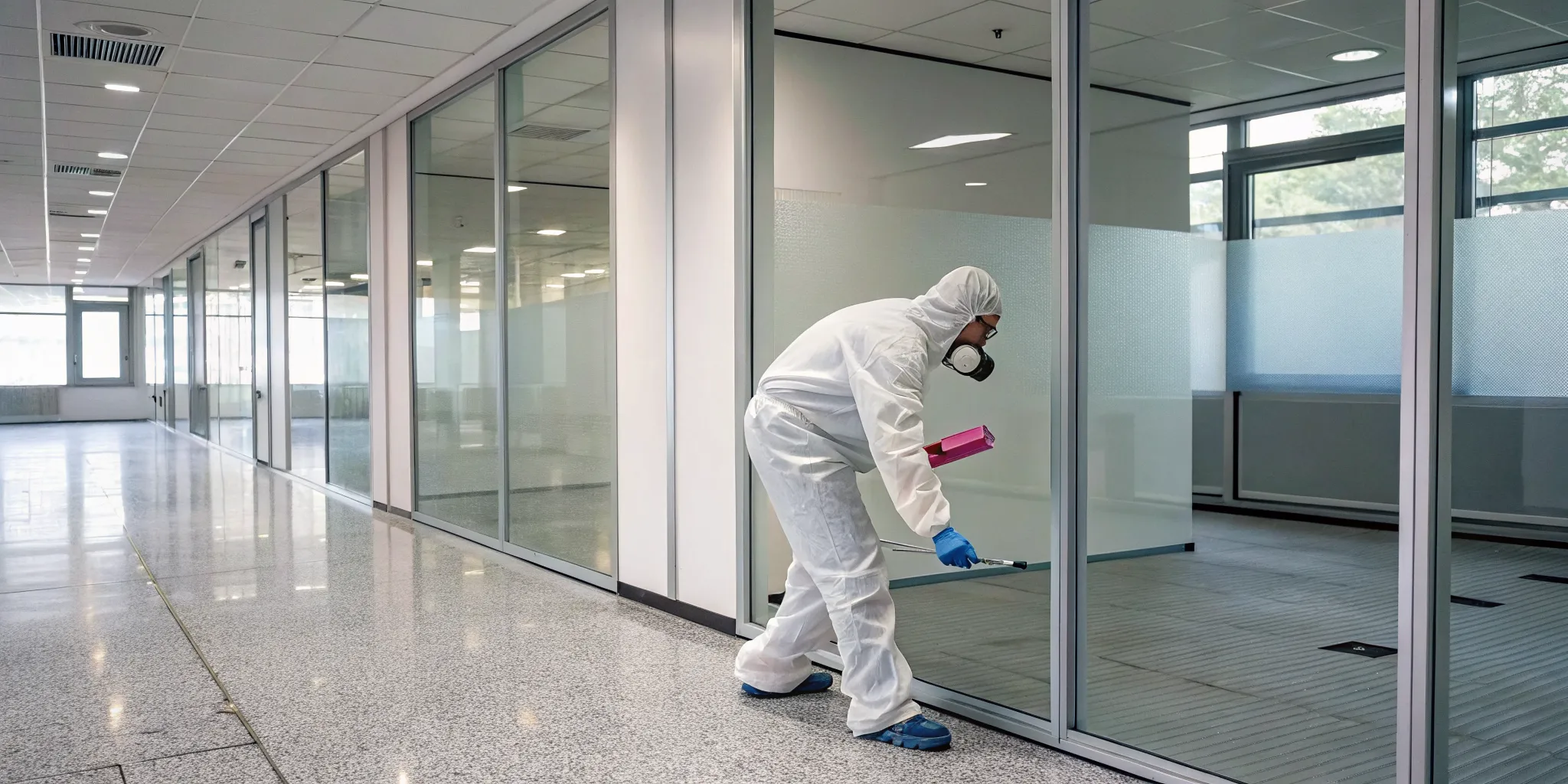
The first priority during asbestos removal is containment. Your professional team will seal off the work area completely using heavy-duty plastic sheeting and tape. They will also turn off your HVAC system to prevent any airborne fibers from circulating throughout your home. To ensure contaminated air doesn't escape, they create negative air pressure within the contained space using special filtration equipment. Technicians wear full personal protective equipment (PPE), including respirators and disposable coveralls, while they work. They carefully wet the tiles to minimize dust before prying them up, then use HEPA vacuums to clean the area thoroughly. Finally, all asbestos-containing materials are sealed in specially labeled, leak-proof bags for proper disposal at a designated facility.
What to Expect When the Pros Arrive
When the remediation team arrives, they will walk you through the plan and answer any last-minute questions. They will establish the containment zone and post warning signs to keep the area secure. Depending on your situation, they might discuss encapsulation as an alternative to removal. This process involves sealing the asbestos tiles with a durable coating, which is often a more affordable and less disruptive solution if the tiles are in good condition. Throughout the project, the team manages every detail to ensure safety and compliance with all regulations. You can have peace of mind knowing that the hazard is being handled correctly from start to finish. If you’re ready to get a professional assessment, you can contact our team to schedule a consultation.
What Does Asbestos Abatement Cost?
When you discover you might have asbestos tile, one of the first questions that comes to mind is, "What will this cost to fix?" It’s a valid concern, and the answer depends on your specific situation. The total price for asbestos abatement isn't a single number; it’s a combination of services, starting with professional testing and followed by either removal or encapsulation. It's helpful to think of it as an investment in your home’s safety and your family’s health, not just another repair bill.
The cost can vary widely based on the size of your home, the extent of the asbestos-containing materials, and the method chosen to handle it. While it might be tempting to look for the cheapest option, asbestos is not a DIY project. The risks of improper handling are just too high, as disturbing the tiles can release dangerous fibers into the air you breathe. Working with certified professionals ensures the job is done safely and correctly, following strict containment and disposal procedures. Getting a clear, detailed quote from a reputable company like Remtech Environmental will give you a full picture of the expenses involved and the peace of mind that comes with knowing the problem is handled properly from start to finish.
The Cost of Professional Testing
Before any removal can happen, you need to confirm that your tiles actually contain asbestos. Professional testing is the only way to know for sure. A basic air test can run from $250 to $450, while a complete home inspection for asbestos is typically between $500 and $850. While you might see DIY test kits for sale, they often come with hidden lab fees and a higher risk of improper sample collection, which can lead to inaccurate results or accidental fiber release. For reliable and safe results, scheduling a professional asbestos inspection is always the best first step. This gives you a clear understanding of the situation and what needs to be done next.
What Influences Removal and Encapsulation Costs?
Once asbestos is confirmed, the cost for removal or encapsulation generally ranges from $1,000 to $3,000, with an average project costing around $2,000. Several key factors influence this price. The size of the area is a major one; a small bathroom will cost less than an entire basement. The accessibility of the tiles also matters. If they are hard to reach or covered by other materials, the labor costs will be higher. Finally, the amount of asbestos-containing material that needs to be managed will affect the final price. To get a precise figure for your home, it’s important to request a detailed estimate from a certified abatement specialist.
How to Live Safely With Asbestos Tile
Discovering you have asbestos tile can be unsettling, but it doesn’t always mean you need to start a major removal project. In many cases, asbestos-containing materials are safest when they are left undisturbed. If the tiles are in good condition, the asbestos fibers are stable and not being released into the air. The key is to manage them properly to ensure they stay that way.
Living safely with asbestos tile is all about prevention and maintenance. By taking a few careful steps, you can prevent the material from becoming a hazard and keep your home’s environment healthy. This involves creating a plan to monitor the tiles and knowing what activities to avoid. Instead of panicking, you can focus on smart, simple strategies to contain the asbestos and protect your family for the long term.
Create a Long-Term Maintenance Plan
The first step to safely managing asbestos tile is to create a simple maintenance plan. Since asbestos is only a risk when its fibers become airborne, your main goal is to keep the tiles intact. Start by performing regular visual checks of the flooring. Look for any signs of damage, like cracks, chips, or crumbling edges. If the tiles are in good condition, the health risks are very low.
If you notice minor wear and tear, you don’t have to jump straight to removal. One of the most effective management techniques is encapsulation, which involves sealing the tiles with a special coating. You can also prime and paint over them to lock in the fibers. Another great option is to cover the tiles with a new flooring material like laminate, ceramic, or new vinyl. This contains the asbestos and gives your room a fresh look without the need for a full-scale asbestos abatement project.
Simple Steps to Protect Your Family
Beyond a maintenance plan, a few simple habits can make a big difference in keeping your family safe. The easiest and often most affordable way to deal with intact asbestos tiles is to cover them up with new flooring. This keeps the asbestos contained and prevents fibers from ever becoming a problem.
It’s also crucial to know what not to do. Avoid any activity that could break or pulverize the tiles, such as sanding, grinding, drilling, or sawing. If a tile does get damaged, do not sweep or vacuum the debris, as this can send microscopic fibers into the air. Instead, you should contact a professional for guidance on proper cleanup and repair. If you ever have any doubts about the condition of your flooring, getting it tested by a certified expert is the only way to know for sure and make an informed decision.
Related Articles
- Asbestos in Flooring: How to Identify and Handle It Safely
- Asbestos Abatement: What Homeowners Need to Know
- How to Tell If Your Home Has Asbestos
- What to Do If You Find Asbestos in Your Home
- Living Safely With Asbestos-Containing Materials
Frequently Asked Questions
My floor tiles are 9x9 inches. Does this automatically mean they have asbestos? Not necessarily, but it is a very strong indicator. The 9x9 inch size was the industry standard for asbestos vinyl tile for many decades. When you combine that tile size with a house built before the mid-1980s, the likelihood is quite high. However, because asbestos was also used in other sizes and styles, the only way to be 100% certain is to have a certified professional test a sample.
Is it safe to just put new flooring over my old asbestos tiles? Yes, in many cases, this is a perfectly safe and effective solution. As long as the original tiles are in good condition (not cracked, crumbling, or broken), you can install new flooring like carpet, laminate, or new vinyl directly on top. This method, known as covering or encapsulation, seals the asbestos material and prevents its fibers from ever becoming airborne. It's often a more practical and affordable choice than full removal.
What's the biggest mistake people make when they find old tiles? The most dangerous mistake is trying to handle the situation themselves. This includes attempting to pry up a tile to see what's underneath, sanding the surface to prepare for a new floor, or breaking up the tiles for removal. Any action that creates dust can release harmful asbestos fibers into your home's air. The best first step is always to leave the tiles undisturbed and call a professional for an assessment.
If a tile is cracked or broken, what should I do right now? If you find a damaged tile, the most important thing is to limit access to that area to prevent anyone from disturbing it further. Avoid sweeping or vacuuming any dust or debris, as this can spread the fibers. You can gently cover the damaged area with a rug or piece of furniture until you can get professional advice. Then, contact a certified asbestos abatement company to assess the damage and recommend the safest way to handle cleanup and repair or removal.
Why is professional testing so important if I'm pretty sure it's asbestos anyway? Professional testing does more than just confirm what you suspect; it provides a definitive basis for a safe action plan. A certified inspector knows how to take a sample without releasing fibers into your home. The lab results will confirm the presence and type of asbestos, which helps determine the proper removal or encapsulation procedure. This official confirmation is also important for legal and safety documentation, ensuring any work done follows strict regulations.