
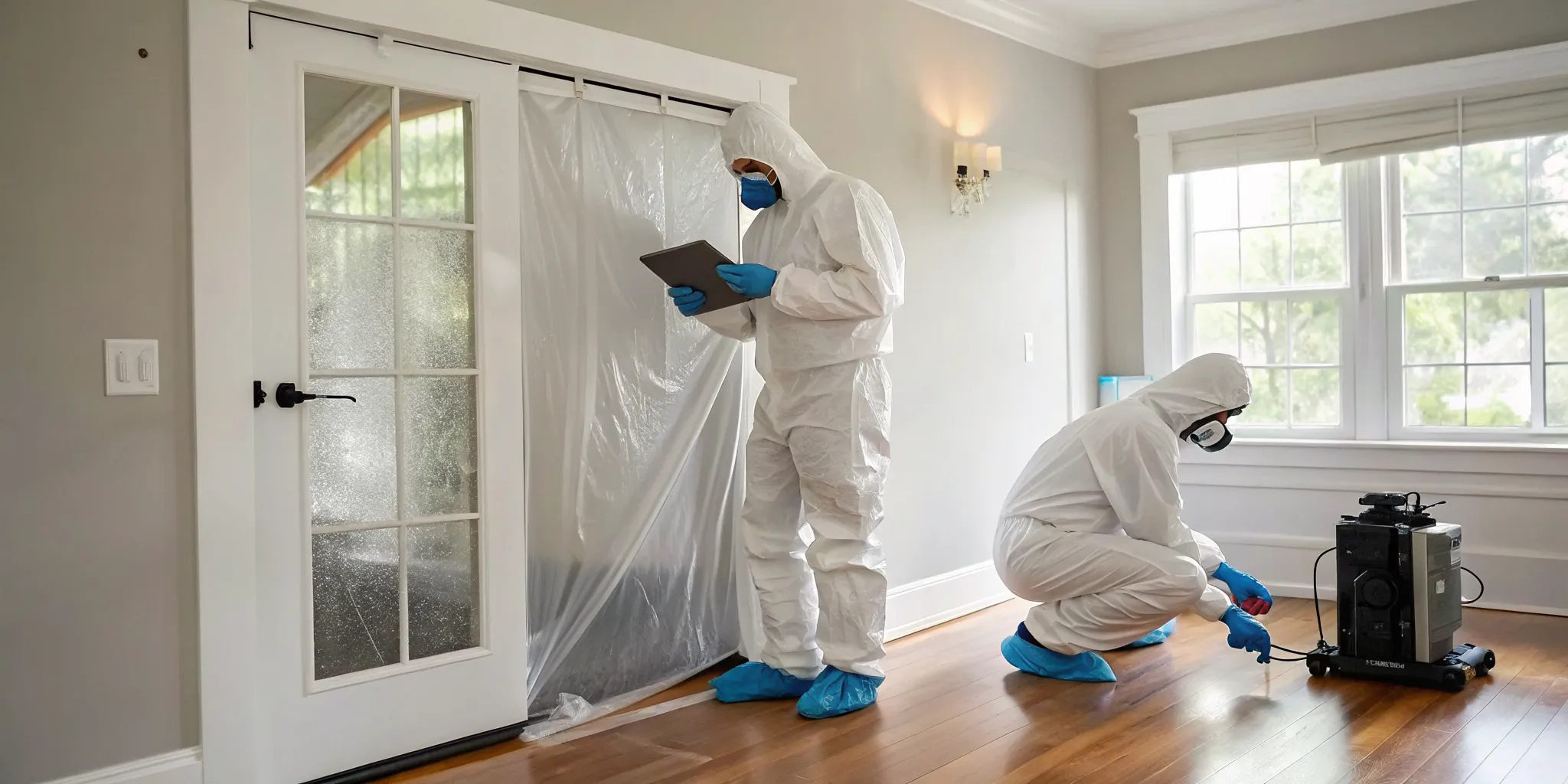
Planning a renovation for your older North Carolina home is exciting, but it comes with a unique responsibility. Properties built before the 1980s often contain hidden asbestos in materials like insulation, flooring, and popcorn ceilings. Disturbing these materials without proper precautions can release dangerous fibers into the air, creating a serious health hazard. Before you pick up a sledgehammer, the first step should be a professional assessment. If asbestos is found, you’ll need an expert. This guide will help you find qualified and trustworthy asbestos abatement contractors North Carolina homeowners rely on for safe and compliant removal projects.
Key Takeaways
- It's More Than Just Removal: An asbestos contractor manages the entire safety process from start to finish. This includes professional testing, setting up a secure containment area, following strict removal procedures, and ensuring all hazardous waste is disposed of legally.
- Always Verify Credentials: Before hiring anyone, confirm they are licensed by North Carolina and follow federal OSHA and EPA regulations. Ask for proof of their specific insurance, including pollution liability, to protect yourself and your property.
- Demand a Detailed Plan and Quote: A trustworthy contractor will provide a transparent, itemized quote that breaks down costs for labor, disposal, and final air testing. They should also clearly explain their safety plan, including containment strategies, to guarantee your space is safe.
What Does an Asbestos Abatement Contractor Do?
An asbestos abatement contractor is a highly trained and licensed professional who safely manages and removes asbestos from your property. Think of them as specialists for a very specific and hazardous problem. Because asbestos fibers are a serious health risk when airborne, this is a job that requires strict protocols, specialized equipment, and a deep understanding of state and federal regulations. Their work isn't just about removal; it's a comprehensive process designed to protect you, your family, or your employees from exposure. From the initial inspection to the final air clearance test, they handle every step to ensure your space is safe again.
Test and Inspect for Asbestos
Before any work begins, a contractor’s first job is to confirm if and where asbestos is present. This is especially critical if you're planning a renovation or demolition in a home or building constructed before the 1980s. A professional will conduct a thorough visual inspection, looking for materials known to contain asbestos, like old insulation, vinyl flooring, popcorn ceilings, and siding. Since you can't see asbestos fibers with the naked eye, they will carefully take small samples of suspicious materials. These samples are then sent to a lab for analysis. This asbestos testing is the only way to be 100% certain, providing a clear roadmap for what needs to be done next.
Remove and Encapsulate Materials
Once asbestos is confirmed, the contractor will create a plan to deal with it. There are two primary methods: removal and encapsulation. Removal involves completely taking out the asbestos-containing materials. Encapsulation, on the other hand, involves sealing the materials with a special coating that prevents fibers from becoming airborne. The best method depends on the condition and location of the asbestos. A professional contractor will recommend the safest and most effective approach for your situation. During this process, they establish a highly controlled work area with physical barriers and specialized air filtration to ensure that dangerous fibers are contained and don't contaminate other parts of your property.
Safely Dispose of Waste and Clear the Site
The job isn't finished once the asbestos is removed or sealed. Proper disposal is a critical final step that is heavily regulated. Your contractor will carefully place all asbestos-containing waste into specially labeled, leak-proof bags. This hazardous material is then transported to a designated landfill that is licensed to accept it. After the materials are gone, the work area is meticulously cleaned with HEPA vacuums, and the containment barriers are taken down. To give you complete peace of mind, a final air quality test is often performed to confirm that the fiber count is at a safe level, following all asbestos hazard management guidelines.
What to Look for in a North Carolina Asbestos Contractor
Choosing the right asbestos contractor is a big decision. You're not just hiring someone to do a job; you're trusting them with the health and safety of your home or business. While cost is a factor, it shouldn't be the only one. A professional and reliable contractor will meet specific criteria that prove their expertise and protect you from liability. Let's walk through the three most important things to verify before you sign any contracts.
State Licensing and Certification
First things first, any contractor you consider must be properly licensed and certified by the state. In North Carolina, this isn't just a suggestion, it's a requirement for anyone handling asbestos. These credentials prove that the team has completed the necessary training to manage hazardous materials safely and according to state law. You can easily check a company's status by using the state's official database. The North Carolina Division of Public Health maintains a list of accredited asbestos professionals that you can search. If a contractor isn't on that list, you should move on.
Federal OSHA and EPA Compliance
Beyond state-level rules, a qualified contractor must also adhere to strict federal regulations from the Occupational Safety and Health Administration (OSHA) and the Environmental Protection Agency (EPA). These guidelines are in place to protect everyone involved: the workers removing the asbestos, you, and your community. Compliance shows that a company is committed to the highest safety standards, from using proper personal protective equipment (PPE) to following specific procedures for containment and air quality. A team that understands and follows these rules is a team you can trust to handle your asbestos abatement project correctly and professionally from start to finish.
Proper Insurance and Bonding
This one is crucial for your peace of mind. A reputable asbestos contractor must carry specific types of insurance, including general liability and pollution liability coverage. This protects you and your property in the unlikely event of an accident or damage during the abatement process. Bonding offers another layer of financial protection, ensuring the project will be completed as promised. Don't hesitate to ask for a certificate of insurance and proof of bonding. A professional company will have this information ready and will be happy to provide it. It’s a clear sign that they are a responsible and trustworthy business.
How to Find and Vet the Right Asbestos Contractor
Choosing the right contractor for asbestos abatement is one of the most important decisions you’ll make for the health of your home and family. This isn’t a job for a general handyman; it requires specialized training, equipment, and a deep understanding of safety regulations. Taking the time to find and properly vet a professional will give you peace of mind that the job is done correctly and safely from start to finish.
Where to Find Reputable Local Pros
Your search for a qualified asbestos professional should start with official sources. The North Carolina Division of Public Health maintains a list of accredited asbestos professionals in the state. This database allows you to search by county and confirms that the companies listed have met the state’s strict training requirements. Using this resource ensures you are starting with a pool of approved contractors. You can also ask for recommendations from trusted neighbors or real estate professionals who have managed similar projects.
Key Questions to Ask Before You Hire
Once you have a shortlist, it’s time to interview them. Don’t be shy about asking detailed questions to gauge their expertise. Key questions include:
- Are you licensed, bonded, and insured for asbestos work in North Carolina?
- Can you provide proof of your state accreditation and your technicians' individual certifications?
- What is your process for handling, transporting, and disposing of asbestos materials?
- Will you provide a detailed, written contract outlining the scope of work and safety procedures?
A professional contractor will welcome these questions. Our team is always prepared to walk you through our asbestos abatement process and provide all necessary documentation.
Safety Protocols You Should Expect
A professional asbestos abatement job is defined by its strict safety protocols. Your contractor should be able to explain their safety plan in detail. Expect them to use containment measures, which involve sealing the work area with plastic sheeting and creating negative air pressure to ensure asbestos fibers cannot escape. All workers must wear appropriate personal protective equipment (PPE), including full-body suits and respirators. Finally, the company should conduct air monitoring during and after the project to confirm the area is safe for re-entry.
Red Flags and Warning Signs
Just as important as knowing what to look for is knowing what to avoid. Be cautious of any contractor who offers an unusually low price, as this can be a sign they are cutting corners on safety or disposal. High-pressure sales tactics or demands for a large cash payment upfront are also major red flags. Also, be wary of anyone who cannot provide clear documentation of their licenses and insurance. A history of positive customer testimonials and a professional, transparent approach are signs you’re dealing with a trustworthy expert.
Understanding the Cost of Asbestos Abatement in North Carolina
Let’s talk about one of the biggest questions on every homeowner's mind: the cost. While there’s no simple price tag for asbestos abatement, understanding the variables can help you budget and spot a fair quote. The final price depends entirely on the unique factors of your property and the scope of the project. A professional contractor will assess these details to give you an accurate estimate for making your home safe.
Factors That Influence Your Final Price
Several key elements determine the cost of an asbestos removal project. The size of the contaminated area is a primary driver; a small patch of siding will cost less to remove than an entire basement full of asbestos insulation. The type of asbestos-containing material and its condition also matter. Friable materials, which are crumbly and can easily become airborne, require more intensive safety measures and are therefore more expensive to abate than stable, non-friable materials. Finally, the location and accessibility of the asbestos can affect labor costs. Complex jobs in tight spaces simply take more time and specialized work to complete safely.
What a Detailed Quote Should Include
When you receive a quote from a contractor, it should be more than just a single number. A thorough, professional estimate provides a complete picture of the project. Look for a detailed breakdown that includes the full scope of work, the specific abatement methods they plan to use, and a clear project timeline. The quote should also itemize costs for labor, materials, and proper waste disposal. Crucially, it should specify the costs for air monitoring and the final clearance testing needed to confirm your home is safe. A transparent quote from a company like Remtech Environmental is a sign of a trustworthy partner.
State Permit and Notification Requirements
In North Carolina, asbestos abatement is a regulated process designed to protect public health. Your contractor must be properly licensed and follow specific state rules. One of the most important regulations is the requirement to notify the North Carolina Division of Air Quality (DAQ) at least 10 working days before any asbestos removal begins. This notification is a formal record of the project details. Hiring a contractor who understands and adheres to these state requirements is non-negotiable. It ensures the job is done legally and correctly, preventing potential fines and project delays while keeping your family and community safe.
Related Articles
- Asbestos Abatement, Asheville, NC | Remtech Environmental
- Asbestos Abatement, Raleigh, NC | Remtech Environmental
- Asbestos Abatement, Greensboro, NC | Remtech Environmental
- Asbestos Abatement Winston-Salem, NC | Remtech Environmental
- Asbestos Abatement, Durham, NC | Remtech Environmental
Frequently Asked Questions
Why can't I just remove the asbestos myself? Asbestos is not a typical DIY project because of the serious health risks involved. When asbestos-containing materials are disturbed, they release microscopic fibers into the air that can cause long-term lung damage if inhaled. Professionals use specialized containment procedures, air filtration equipment, and personal protective gear to prevent this from happening. They are also trained in the legal requirements for safely transporting and disposing of hazardous waste, which is a critical step you can't do on your own.
If asbestos is found in my home, does it always have to be removed? Not necessarily. The best course of action depends on the material's condition and location. If the asbestos-containing material is in good shape and is unlikely to be disturbed, a process called encapsulation might be a better option. This involves sealing the material with a special coating to prevent fibers from being released. A licensed contractor can inspect the area and help you decide if removal or encapsulation is the safest and most effective solution for your home.
How long does the asbestos abatement process usually take? The timeline for an asbestos project varies widely based on its size and complexity. A small, straightforward job might only take a couple of days, while a large-scale removal in a basement or throughout a whole house could take a week or more. Keep in mind the total time includes not just the physical work but also the initial setup, thorough cleaning, final air testing, and the legally required 10-day notification period for state agencies before work can even begin.
Do I need to move out of my house during the abatement process? This depends on the scope and location of the work. For a small project in an isolated area like a garage or crawlspace, you can likely stay in your home. However, for larger projects or work that involves your main living areas or HVAC system, it is often safest for you and your family to make temporary living arrangements. Your contractor will create a detailed safety plan and advise you on the best course of action to ensure everyone's well-being.
I think I might have asbestos. What is the very first thing I should do? The most important thing to do is leave the material alone. Do not touch, scrape, sand, or disturb it in any way, as this can release dangerous fibers into the air. Your next step should be to call a licensed and certified asbestos professional for an inspection. They can assess the situation and, if needed, take a small sample to be analyzed by a lab. This testing is the only way to confirm the presence of asbestos and determine what to do next.