
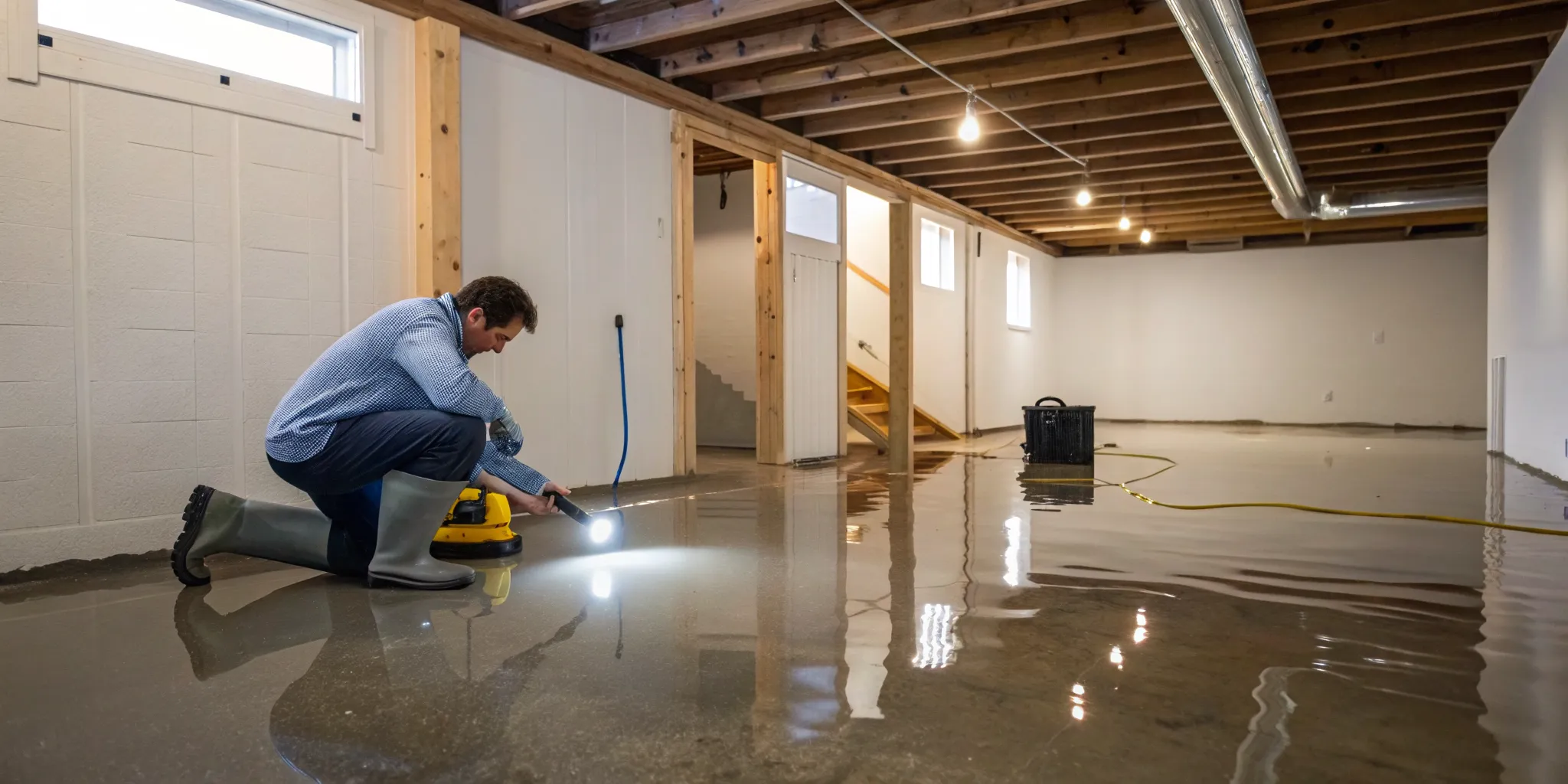
Getting the water out of your basement is just the first battle. The real war is against what comes next: mold, rot, and long-term structural damage. Many homeowners feel a false sense of relief once the floor is visible again, but moisture can hide deep within drywall, insulation, and wood, creating a perfect breeding ground for serious problems. The actions you take in the first 48 hours are critical for protecting your home’s health and value. This guide focuses on the crucial steps beyond just water removal, explaining what to do after basement flood to properly dry, sanitize, and prevent mold growth.
Key Takeaways
- Safety is your first priority, not cleanup: Before entering a flooded basement, turn off the electricity and gas, inspect for structural damage from a distance, and wear protective gear. Rushing in can expose you to hidden electrical, structural, and health risks.
- Work quickly to stop mold before it starts: You have about 24 to 48 hours to get your basement dry. Remove standing water, use fans and dehumidifiers to create airflow, and discard soaked materials like drywall and carpet to prevent a serious mold problem.
- Document the damage, then focus on prevention: Before touching anything, take photos and videos for your insurance claim. After the cleanup, figure out why the flood happened so you can take steps like improving yard drainage or maintaining your sump pump to keep it from happening again.
Your Basement Flooded? Start With This Safety Checklist
Discovering a flooded basement is overwhelming, but before you even think about cleanup, your absolute first priority is safety. Rushing in without taking the right precautions can be dangerous. Floodwater can hide serious electrical, structural, and health hazards. This checklist walks you through the essential first steps to secure the area and protect yourself and your family. Taking a few minutes to assess the situation from a safe distance can prevent injuries and make the entire recovery process smoother. Follow these steps carefully before you attempt to enter the flooded space.
First, Shut Off Utilities: Power, Gas, and Water
Water and electricity are a life-threatening combination. Before you do anything else, you must ensure the power to your basement is off. If your circuit breaker is located in a dry, accessible area, you can shut off the power to the basement yourself. However, if the breaker box is in the flooded area, do not enter the water. Call a licensed electrician immediately to handle it safely. Once the electrical hazard is managed, you should also turn off your home’s main gas line and water supply to prevent further leaks or potential gas-related issues. This step is non-negotiable for your safety.
Look for Structural Dangers Before Entering
Once the utilities are off, take a moment to check for any signs of structural damage from outside the basement if possible. Water can put immense pressure on your home’s foundation and support structures. Look for new cracks in the walls or foundation, sagging ceilings, or warped door frames. If you notice anything that makes you question the stability of the area, stay out. Your home’s structure could be compromised, and it’s best to have a professional from a water damage restoration team assess the situation before you proceed. It’s always better to be cautious.
Wear Protective Gear
If you’ve determined it’s safe to enter, you must protect yourself from what’s in the water. Never go into a flooded basement in your regular clothes or shoes. At a minimum, you’ll need heavy-duty waterproof boots and rubber gloves. Goggles can protect your eyes from splashes, and if there’s a musty odor, a respirator or N95 mask is a good idea to avoid inhaling airborne contaminants. This gear isn’t just about staying dry; it’s about creating a barrier between you and the potentially hazardous materials lurking in the floodwater.
Avoid Contact With Contaminated Water
It’s crucial to treat all floodwater as if it’s contaminated. It can contain everything from sewage and household chemicals to bacteria and other pathogens. According to the CDC, floodwater can also hide sharp objects like broken glass or metal fragments that could cause injuries and lead to serious infections. Any open cuts or rashes should be kept out of the water entirely. This contaminated environment is also the perfect breeding ground for mold, which can begin to grow within 24 to 48 hours, making professional mold removal a critical part of the recovery process.
Getting the Water Out of Your Basement
Once you’ve confirmed the basement is safe to enter, your next priority is to remove the standing water as quickly as possible. The longer water sits, the more damage it causes to your home’s structure and your belongings. Fast action is your best defense against extensive repairs and the secondary threat of mold growth, which can begin within just 24 to 48 hours.
This step can feel overwhelming, but you can break it down into manageable tasks. Depending on the amount of water, you might be able to handle the initial removal yourself. However, it’s crucial to recognize when the job is too big and requires professional equipment and expertise. The goal is to get your basement from flooded to dry, setting the stage for a successful recovery.
Removing Water Yourself: Pumps & Wet-Vacs
If you're dealing with a small amount of water, say just an inch or two, you may be able to tackle it on your own. A wet-dry vacuum is a great tool for sucking up smaller pools of water from the floor. For slightly more water, you could use a submersible utility pump, which you can find at most hardware stores. These pumps push water out through a connected hose. Just be sure to run the hose far away from your home’s foundation so the water doesn’t seep right back in. Remember, these DIY methods are only for minor, clean water situations.
When to Call a Water Damage Professional
If your sump pump has failed or the water is several inches deep, it’s time to call for help. Trying to manage a large volume of water with a wet-vac is inefficient and often impossible. A professional team has industrial-grade pumps and extraction units that can remove hundreds or even thousands of gallons of water quickly. You should also call a professional if the water is contaminated, such as from a sewage backup, or if it has been standing for more than a day. This is when you need an expert assessment to prevent structural damage and dangerous mold growth.
Sorting Your Belongings: What to Save vs. Toss
After the bulk of the water is gone, you’ll need to address your belongings. Carefully move salvageable items like solid wood furniture or plastic storage bins to a dry, well-ventilated area, like a garage or covered patio, to air out. Unfortunately, many porous items that absorb and hold water are often a total loss. This includes things like carpets, upholstered furniture, mattresses, and books. Attempting to dry them can be futile, as they can harbor bacteria and become a breeding ground for mold. When in doubt, it’s safest to discard them. For sentimental or valuable items, you can always get a professional opinion on whether they can be restored.
Drying and Sanitizing Your Basement: The Next Steps
Once the standing water is gone, you might feel a sense of relief, but the next phase is just as critical. The real work begins now to prevent long-term problems like mold and structural damage. Your goal is to get your basement completely dry and sanitized as quickly as possible. This process involves more than just waiting for things to air-dry; it requires a proactive approach to remove hidden moisture from the air, walls, and floors. Taking these steps thoroughly will protect your home’s health and value, ensuring the space is safe to use again. If the job feels too big, remember that professional water damage restoration teams have the industrial-grade equipment to speed up the process significantly.
Use Fans and Dehumidifiers to Improve Airflow
Moisture is mold’s best friend, so your top priority is to create an environment where it can’t thrive. Open up any windows and doors to get the air moving. Then, bring in as many fans as you can get your hands on. You’ll want to position them to circulate air across all affected surfaces, especially floors and low-lying walls. Supplement the fans with dehumidifiers to pull moisture directly out of the air. You may need to empty the collection tanks frequently at first. Running this equipment around the clock is essential for drying out the space and preventing that musty, post-flood smell from setting in.
Remove Water-Damaged Drywall and Insulation
Some materials just can’t be saved after a flood. Drywall and insulation act like sponges, trapping water deep inside where fans can’t reach. Even if the surface feels dry, the interior is likely still damp, creating a perfect breeding ground for mold. To be safe, you’ll need to cut away and remove any drywall and insulation that came into contact with floodwater. A good rule of thumb is to measure at least 12 to 24 inches above the highest water line and remove everything below that point. It might seem drastic, but this step is non-negotiable for preventing a hidden mold problem from developing behind your walls.
Clean and Disinfect Every Surface
Floodwater isn't just water; it often contains dirt, sewage, and other contaminants. Every surface the water touched needs to be thoroughly cleaned and disinfected. Start by washing down walls, floors, and any non-porous items with soap and warm water. After the initial cleaning, go back over everything with a disinfectant solution to kill any lingering bacteria. It’s a good idea to clean everything one day and then repeat the process the next to ensure you haven’t missed anything. Keep a close eye out for any signs of mold growth in the days and weeks that follow. If you spot any, you'll need to address it immediately.
How to Prevent Mold Growth After a Flood
Once the water is out of your basement, the work isn’t over. Your next priority is preventing mold from taking hold, which can happen faster than most people realize. Mold not only damages your home’s structure but can also pose serious health risks to your family. Acting quickly and cleaning thoroughly are your best defenses. The key is to create an environment where mold simply can’t thrive. This involves a combination of speed, the right cleaning methods, and knowing when a situation is too big to handle on your own.
The Critical 24-48 Hour Window to Stop Mold
When it comes to mold, you’re in a race against the clock. Mold spores are everywhere, and they just need moisture to start growing. On damp surfaces like drywall, wood, carpet, and furniture, mold can begin to develop in as little as 24 to 48 hours. This is why it’s so important to start the drying and cleaning process immediately after the water is removed. The longer materials stay wet, the higher the chance of a serious mold problem. Your goal is to get everything completely dry within this critical window to stop an infestation before it starts. Taking swift action is the single most effective step in preventing mold growth.
Choosing the Right Cleaning Solutions
After a flood, you need to clean and sanitize every surface the water touched, not just the ones that look dirty. For hard, non-porous surfaces, a simple but effective solution is a mixture of 8 tablespoons of liquid chlorine bleach per gallon of water. Never mix bleach with ammonia or other cleaning products. Use this solution to wipe down walls, floors, and any other salvageable items. For a truly thorough job, it’s a good idea to clean everything once, let it dry, and then clean it again the next day. According to the EPA, porous materials like carpet, upholstery, and insulation that were saturated should usually be thrown away, as they are nearly impossible to fully disinfect.
Recognizing When You Need Professional Mold Removal
While you can handle minor cleanup yourself, some situations require professional help. If the floodwater sat for more than 48 hours, if you already see significant mold growth (covering more than 10 square feet), or if there’s a strong, musty odor that won’t go away, it’s time to call in the experts. Professionals have specialized equipment, like air scrubbers and industrial-grade dehumidifiers, to handle widespread contamination safely. Attempting a large-scale cleanup on your own can spread spores and put your health at risk. If you suspect you have a serious issue, contacting a professional mold removal service is the safest and most effective choice for your home and family.
Documenting the Damage for Insurance
After ensuring your family is safe, your next thought is likely about the cleanup and repairs. Before you move a single item or start bailing water, there’s a critical step you can’t afford to skip: documenting everything for your insurance claim. I know it’s the last thing you want to do when you’re feeling overwhelmed, but creating a thorough record of the damage is your most powerful tool when working with your insurance provider. A strong claim is built on clear evidence, and without it, you risk not getting the full compensation you need to make things right.
Think of yourself as a detective building a case. Your photos, videos, and lists will tell the complete story of what happened and what was lost, leaving no room for ambiguity. This detailed documentation helps ensure you receive a fair settlement to cover your losses and the cost of professional services, like water damage restoration. Taking the time to do this now will save you immense stress and potential financial strain later. It puts you in control of the process and provides your insurance adjuster with everything they need to process your claim efficiently and accurately. It’s your proof, plain and simple.
Take Photos and Videos Before You Clean Up
Your first instinct might be to start cleaning, but please wait. Grab your phone and start recording before anything is moved. Begin with a video walkthrough of the entire flooded area. Narrate what you’re seeing, noting the date and time. Capture the height of the water line on the walls, the extent of the standing water, and how the water has affected different parts of the basement.
After the video, switch to taking photos. Get wide shots of each section of the basement, then zoom in for detailed close-ups of damaged items. Photograph soaked furniture, ruined electronics, warped flooring, and waterlogged drywall. The more visual evidence you have, the better. Remember to document the source of the flood if you can identify it, like a burst pipe or a failed sump pump.
Create an Inventory of Damaged Property
Once you have your photos and videos, it’s time to make a detailed list of everything that was damaged or destroyed. Go through your basement methodically and write down each item. For every piece of property, try to include as much information as you can:
- A description of the item (e.g., "gray sectional sofa," "55-inch smart TV")
- The brand name and model number, if possible
- Approximately when and where you bought it
- The original cost or estimated replacement value
This inventory, paired with your photos, creates a comprehensive picture of your losses for the insurance company. You can find helpful checklists and guides in our online Resource Library to make this process easier.
Keep All Receipts from Repairs and Expenses
Your insurance claim isn’t just about the property you lost; it’s also about the money you spend on recovery. Keep a dedicated folder for every single receipt related to the flood. This includes costs for renting equipment like pumps or fans, purchasing cleaning supplies, and hiring professional help for water removal and mold prevention. These expenses are often part of your claim, so meticulous records are essential.
Contact your insurance agent as soon as possible to report the flood and start the claims process. Even if you’re unsure about your coverage, it’s always best to file a claim. If you need immediate assistance with water extraction or damage assessment, you can contact our team for a professional evaluation and a detailed estimate to provide to your insurer.
Prioritizing Repairs After Water Removal
Once the water is gone and your basement is completely dry, you can finally move on to the repair phase. It’s tempting to jump right into making the space look normal again, but it’s important to tackle repairs in the right order. Prioritizing safety and structural integrity first will save you from major headaches and hazards down the road. Think of it as rebuilding from the outside in: start with your home’s foundation, move to the essential systems like electrical and HVAC, and then finish with surfaces like drywall and flooring.
Assess Your Foundation and Structure
Your home’s foundation is its literal bedrock, and a flood can put it under serious stress. After a flood, it’s crucial to inspect your foundation for new cracks or damage. Water can weaken the structural integrity of your home, so any signs of trouble should be addressed immediately. Look for horizontal or stair-step cracks in the walls, bowing or bulging, or floors that seem uneven. If you notice anything that wasn't there before the flood, it’s best to call a structural engineer for a professional assessment. This isn't a place to guess; getting an expert opinion ensures your home remains a safe place for your family.
Inspect and Repair Your Electrical and HVAC Systems
Water and electricity are a dangerous combination. Even after the water has receded, moisture can linger in your electrical system, creating serious safety risks. Before you do anything else, make sure a qualified electrician inspects your home’s wiring, outlets, and breaker box. Floodwater can corrode connections and damage appliances beyond repair. The same goes for your HVAC system. Your furnace, water heater, and air ducts could have been compromised, and turning them on without an inspection could spread contaminants or mold spores throughout your home. Professional water damage restoration includes a thorough check of these vital systems.
Rebuild: Replace Flooring, Drywall, and Insulation
With the structural and system checks complete, you can focus on rebuilding the visible parts of your basement. Any porous materials that got wet, like drywall, insulation, carpet, and wood flooring, will likely need to be removed and replaced. Mold can begin to grow within 24 to 48 hours of water exposure, so it’s essential to act quickly. Even if these materials feel dry to the touch, they can trap moisture that leads to hidden mold colonies. Tearing out the damaged sections and starting fresh is the only way to be certain you’re building on a clean, dry, and healthy foundation. This step ensures your newly repaired basement stays that way for years to come.
Understanding Why Basements Flood
After you’ve dealt with the immediate cleanup, you’re probably wondering how this happened in the first place. Understanding the root cause of the flood is the key to preventing it from happening again. Most basement flooding issues can be traced back to one of three areas: problems outside your home, failures inside your home, or issues with the foundation itself. By figuring out the source, you can take targeted steps to protect your home and your peace of mind for the long run.
External Causes: Heavy Rain & Poor Yard Drainage
Often, the problem starts right in your own yard. Heavy rainfall is a major culprit, especially when your property isn't equipped to handle the runoff. If you see water pooling near your basement walls after a storm, it’s a clear sign of poor exterior drainage. Clogged gutters can send water cascading down your walls, and a yard that slopes toward your house will direct every downpour straight to your foundation. Over time, this constant pressure forces water to find a way inside. You can find more information on protecting your home in our resource library.
Internal Causes: Sump Pump Failure & Pipe Bursts
Sometimes, the call is coming from inside the house. Your home's own systems can fail and lead to major water damage. A broken sump pump is a common cause, as its job is to pump water away from your foundation. If it fails during a heavy storm, your basement can fill with inches of water in just a few hours. Similarly, a burst pipe from your plumbing system can release a huge amount of water unexpectedly. These internal failures are often sudden and can cause significant damage before you even realize there’s a problem.
Foundation Issues: Cracks & Seepage
Your home’s foundation is its primary defense against groundwater, but it’s not always impenetrable. Over time, concrete can develop cracks, creating easy pathways for water to seep in. This is especially true if you have poor drainage around your home, which keeps soil saturated and puts constant hydrostatic pressure on your foundation walls. Even tiny cracks can widen over the years, turning a minor damp spot into a major leak. If you suspect foundation issues, it’s best to get a professional assessment from a team that understands water damage restoration.
Long-Term Solutions to Prevent Future Flooding
After you’ve managed the immediate crisis of a flooded basement, your focus should shift to making sure it never happens again. Taking proactive steps can save you from future headaches and costly repairs. Most flooding stems from a few common issues, so building a strong defense is often simpler than you think. Here are the most effective strategies to keep your basement dry for good.
Maintain Your Gutters and Improve Yard Drainage
Most basement water problems start outside your home. When gutters get clogged with leaves and debris, rainwater overflows and pools right next to your foundation. A puddle of water near a basement wall after it rains is a classic sign of these exterior drainage issues. To fix this, you should clean your gutters every spring and fall. Also, check that your downspouts extend at least five feet away from your house. It's also a good idea to ensure your yard has a gentle slope that directs water away from the foundation, not toward it.
Install or Service Your Sump Pump
A sump pump is your basement’s best defense against groundwater that seeps in from below. If you don’t have one and your home is prone to dampness, installing one is a smart investment. If you already have one, don't just forget about it until it's too late. You should test your sump pump every few months by pouring a bucket of water into the sump pit to make sure it activates. Regular sump pump maintenance is a simple step that, combined with other solutions, can help you stay ahead of costly damage and stress.
Consider Professional Basement Waterproofing
For persistent water issues, you may need to go beyond DIY maintenance. Professional waterproofing offers a more permanent solution by creating a complete barrier against moisture. This can involve sealing foundation cracks, applying waterproof coatings to the walls, or installing an interior drainage system to manage any water that gets in. Taking proactive steps with professional flood solutions can prevent damage and reduce long-term repair costs. If you're seeing recurring leaks or dampness, it’s time to contact a specialist for an assessment and to explore your options for keeping your basement permanently dry.
Frequently Asked Questions
What are the absolute first things I should do when I discover my basement is flooded? Before you do anything else, prioritize your safety. Do not enter the standing water. Your first step is to shut off the electricity to the basement from a dry location. If the breaker box is in the flooded area, call a licensed electrician immediately. After the power is off, turn off your home's main gas and water lines to prevent further issues. Only after these utilities are secured should you begin to assess the situation.
How long do I have before mold starts to grow? You are in a race against the clock. Mold can begin to grow on damp surfaces like drywall, carpet, and wood in as little as 24 to 48 hours. This is why it is so important to remove the water and start the drying process as quickly as possible. Getting the area completely dry within this critical window is the most effective way to prevent a widespread mold problem from developing.
Can I handle the cleanup myself, or should I call a professional? This depends on the amount and type of water. If you have an inch or two of clean water, you might be able to manage it with a wet-dry vacuum or a utility pump. However, you should call a professional if the water is several inches deep, if it's contaminated from a sewage backup, or if it has been sitting for more than a day. Professionals have the industrial-grade equipment to remove large volumes of water quickly and safely.
I've removed the water, but what do I do with all my wet belongings? You will need to sort everything into two piles: what can be saved and what needs to be thrown away. Hard, non-porous items like plastic bins or solid wood furniture can often be cleaned, sanitized, and dried. Unfortunately, porous items that absorb a lot of water, such as mattresses, upholstered furniture, carpets, and books, are usually a total loss because they are nearly impossible to fully disinfect and can harbor mold.
Once everything is clean, how can I stop my basement from flooding again? Preventing a future flood starts with identifying the cause. The most effective long-term solutions often involve managing water outside your home. Regularly clean your gutters and make sure your downspouts direct water far away from your foundation. Inside, installing or maintaining a sump pump is a great defense. If you have persistent leaks, professional basement waterproofing can provide a more permanent solution.