
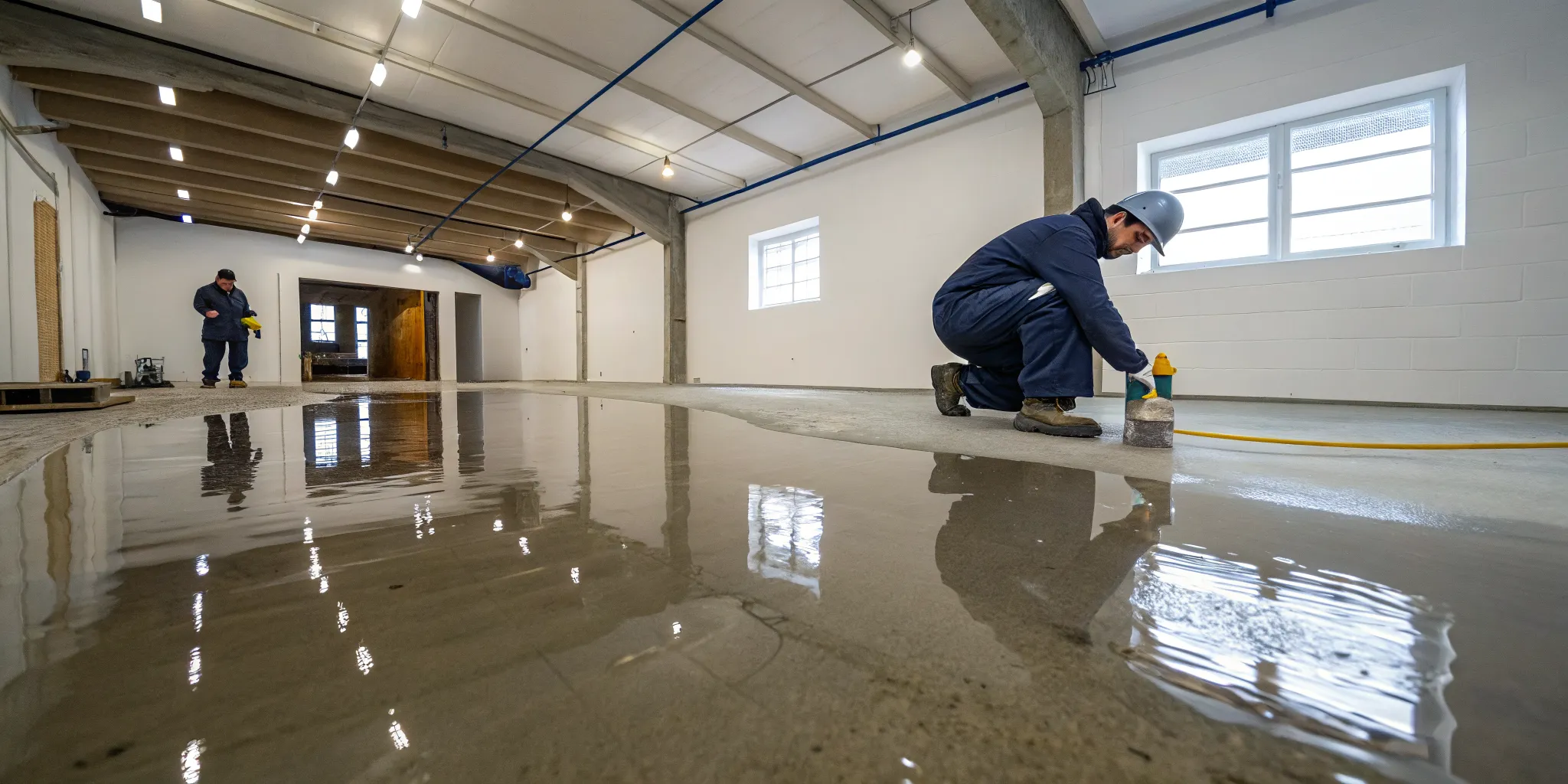
The standing water in your basement is the most obvious problem, but it’s often not the most dangerous one. The real threat comes from what happens next: structural damage, ruined belongings, and the rapid growth of hazardous mold that can begin in just 24 hours. When homeowners ask, "my basement flooded what do I do?" they need a plan that addresses both the immediate mess and these long-term risks. This guide provides a complete roadmap. We’ll cover everything from the initial emergency steps and documenting damage for insurance to thoroughly drying the space and taking measures to ensure this never happens again.
Key Takeaways
- Address Safety Hazards First: Never enter a flooded basement until you have shut off the power and water supply; always wear protective gear like waterproof boots and gloves to avoid injury.
- Document Everything Before You Clean: Your insurance claim depends on solid proof, so take detailed photos and videos of the damage before removing water or discarding any items.
- Turn Your Focus to Long-Term Prevention: After you recover, take steps to stop future floods by installing a sump pump, improving yard drainage, and keeping your gutters clear.
Flooded Basement? Your First Steps for Safety
Finding water in your basement is stressful, but before you start the cleanup, you need to prioritize safety. Floodwater can hide serious hazards, from electrical shock to harmful bacteria. Taking a few key precautions first will protect you and your family. These initial steps are non-negotiable for handling the situation correctly and will make the entire restoration process smoother.
Shut Off Utilities
This is your most critical first step. Water and electricity are a dangerous mix, so never step into standing water if the power is on. If your home’s main circuit breaker is in a dry, safe location, shut off the power to the basement or the entire house. However, if the breaker box is in the flooded area, do not touch it. Call a licensed electrician immediately to handle it safely. You should also consider shutting off your home's main water valve to stop more water from coming in, especially if you suspect a burst pipe is the cause.
Identify the Water Type
Once it's safe to enter, try to determine the water's source. Is it from a broken supply line, a sewer backup, or heavy rainfall? You should always treat floodwater as if it's contaminated, as it can contain bacteria, chemicals, and other hazards. This is especially true for water from sewage systems or ground flooding, which is considered "black water." Understanding the water type helps determine the risk level and the proper cleanup approach, as contaminated water creates a perfect environment for unhealthy mold growth.
Put On Protective Gear
Before you touch any wet items, gear up to protect yourself. Essential personal protective equipment (PPE) includes waterproof, slip-resistant boots and heavy-duty gloves. If you suspect the water is contaminated with sewage or notice a musty smell, wearing a protective mask, like an N95 respirator, is also a smart move. This gear shields you from direct contact with contaminants and helps prevent injuries. Remember that wet surfaces are extremely slippery, so move slowly and carefully as you begin to assess the damage in your basement.
How to Safely Get Water Out of Your Basement
Once you’ve made sure the area is safe, your next goal is to get the water out as quickly as possible. The longer water sits, the more damage it can cause to your home’s structure and create the perfect environment for mold to grow. Depending on how much water you’re dealing with, you might be able to handle it yourself or you may need to call in a professional. Let’s walk through the best methods for getting your basement dry again.
Use Pumps and Wet Vacs
If you're facing more than an inch or two of water, you’ll need some equipment to help. A sump pump is great for moving large volumes of water out of the basement. If you don’t have one, you can often rent one from a local hardware store. For the water that remains, a wet/dry shop vac is your best tool. Start in one corner and work your way across the basement, sucking up all the standing water. Remember to empty the vacuum’s canister frequently. For severe flooding, the safest and most effective option is often to hire a professional water mitigation company to handle the extraction.
Remove Water by Hand
For very minor flooding, like a small puddle or just a few inches of water, you might be able to manage the cleanup by hand. Grab some buckets to bail out as much water as you can first. Then, use mops and old towels to soak up what’s left. It’s a bit of a workout, but it’s effective for small-scale problems. The key is to be thorough. Even a little bit of leftover moisture in your drywall, carpet, or wood can lead to bigger problems like rot and mold. Make sure you get everything as dry as possible before moving on to the next step of airing out the space.
Know When to Call for Backup
It’s important to recognize when a flooded basement is more than a DIY project. You should get professional help if the water is more than a few feet deep, if you see or smell mold or mildew, or if you can’t figure out where the water came from. Deep water can hide structural damage or electrical hazards you can’t see. Sewage contamination is another major red flag that requires immediate expert attention due to serious health risks. Calling a professional isn’t giving up; it’s making the smartest, safest choice to protect your home and your family’s health from long-term consequences.
Documenting Everything for Your Insurance Claim
Once the immediate danger has passed and you've handled the initial water removal, your focus will shift to recovery and dealing with your insurance company. This is where documentation becomes your most important tool. It might feel like the last thing you want to do when you’re staring at a basement full of water, but taking the time to thoroughly document the damage will make the claims process much smoother. Think of it as building a clear, undeniable case for what you’ve lost, which is exactly what your insurance provider needs to see.
Your insurance provider requires proof of the damage to process your claim, and the more detailed your records are, the better. A strong file with photos, videos, and lists helps ensure you receive fair compensation for your losses. This step can prevent frustrating back-and-forth conversations with your adjuster and speeds up the entire process. It puts you in a position of control during a situation that can feel very out of control. Keep all your documentation organized in a dedicated folder, either physical or digital, so you have everything ready when you need to file a claim. It’s a bit of work upfront, but it pays off by helping you get your home and life back to normal faster.
Photograph and Video the Damage
Before you move, clean, or throw anything away, grab your phone and start recording. Take photos and videos of everything. Capture wide shots of the entire basement to show the scale of the flooding, then get close-ups of specific damaged items like furniture, electronics, and appliances. Be sure to photograph the high-water marks on the walls and any structural damage you can see. A video walkthrough can be especially helpful. As you record, you can talk through what you’re seeing, pointing out specific details that a photo might miss. This visual evidence is crucial for your insurance adjuster and serves as an indisputable record of the situation before any cleanup began.
Inventory Your Damaged Belongings
Next, create a detailed list of every single item that was damaged or destroyed. For each item, write down a description, its brand, model number, approximate age, and what you originally paid for it, if you can remember. For example, instead of just writing “sofa,” specify “blue three-seat sectional from West Elm.” Move any salvageable items to a dry, well-ventilated area, like a garage, to prevent further damage. However, don’t throw away any ruined items until your insurance adjuster has either inspected them or given you explicit permission to do so. They may need to see the items firsthand to approve their replacement.
Track All Cleanup-Related Expenses
Keep a meticulous record of every penny you spend on the cleanup and restoration process. Create a folder for all your receipts, from renting a water pump and buying cleaning supplies to hiring a professional water damage restoration service. It’s also a good idea to log the hours you and your family spend on cleanup tasks. Some insurance policies may compensate you for your labor, so don't overlook this detail. Every expense, no matter how small, adds up and should be included in your claim. This financial record is just as important as the photos of the initial damage, as it quantifies the cost of your recovery efforts.
Drying Out Your Basement to Prevent Mold
Once the standing water is gone, your next mission is to get everything completely dry. This step is a race against the clock, because mold can start to grow on damp surfaces in as little as 24 to 48 hours. A damp, dark basement is the perfect environment for mold to thrive, which can lead to musty odors, property damage, and potential health issues. Taking swift and thorough action here is the key to preventing a bigger problem down the road. The goal is to remove every last bit of moisture from the air, the floors, the walls, and everything in between.
Set Up Fans and Dehumidifiers
Your first move is to bring in the heavy-duty equipment. Strategically place high-powered fans throughout the basement to keep the air moving across all surfaces, especially in corners and enclosed spaces. This constant airflow helps moisture evaporate more quickly. At the same time, run one or more industrial-grade dehumidifiers to pull that evaporated moisture out of the air. Household dehumidifiers might not be powerful enough for a flood situation, so consider renting equipment if needed. Remember to empty the dehumidifier collection tanks frequently so they can keep working efficiently.
Open Windows to Create Airflow
As long as the weather outside isn't damp or rainy, open up any basement windows and doors. This creates cross-ventilation, which helps your fans and dehumidifiers do their job more effectively. The moving air pushes the damp, humid air out and brings fresh, drier air in. This simple step can significantly speed up the drying process and helps air out any lingering musty smells. If you have a box fan, you can place it in a window facing out to help exhaust the moist air from the space.
Get Rid of Wet Materials
Some items just can't be saved after a flood, and holding onto them can put your home at risk. You need to immediately remove and dispose of anything that absorbed water and can't be properly dried and sanitized. This includes things like carpeting, carpet padding, cardboard boxes, books, and upholstered furniture. Porous building materials like drywall and insulation that have become saturated also need to go. These materials act like sponges, trapping moisture and creating a perfect breeding ground for a serious mold problem.
Clean and Disinfect Every Surface
After you’ve removed all the soggy items, it’s time to clean and disinfect every remaining surface. Floodwater can contain all sorts of contaminants, from sewage to chemicals, so this step is crucial for making your basement safe again. Use a good disinfectant cleaner to scrub down the floors, walls, and any non-porous items that were in contact with the water. This helps kill off any lingering bacteria and mold spores before they have a chance to multiply. Be thorough and make sure you get into every nook and cranny.
Keep an Eye Out for Mold
Even after a thorough cleaning, you need to stay vigilant. For the next few weeks, check your basement daily for any signs of new mold growth, which can look like fuzzy spots or discoloration on walls and other surfaces. Pay close attention to areas that were the wettest. If you spot any mold, you need to address it immediately. For small spots, you might be able to clean them yourself, but widespread growth is a sign that you need professional help. You can find more information on identifying and handling environmental hazards in our resource library.
How to Prevent Future Flooding
After you’ve dealt with the immediate crisis of a flooded basement, your focus should shift to making sure it never happens again. Taking proactive steps now can save you a massive amount of stress, time, and money down the road. It’s about turning a reactive cleanup into a long-term solution for a dry, safe home. Think of it as fortifying your home against the next big storm. You've just gone through the difficult process of water damage restoration, and the last thing you want is a repeat performance.
Many of these preventive measures are straightforward, while others might require professional help. The key is to assess your property’s specific vulnerabilities and address them head-on. From managing the water that comes off your roof to handling groundwater that seeps up from below, a multi-layered approach is your best defense. This means looking at your home from the outside in, starting with your roof and gutters, moving to the landscaping around your foundation, and finally, considering systems inside your basement. By investing in a few key upgrades and maintenance tasks, you can gain peace of mind knowing your basement is protected when the next heavy rain rolls through North Carolina.
Install a Sump Pump with a Battery Backup
If your basement doesn't have a sump pump, now is the time to get one. A sump pump sits in a pit in the lowest part of your basement and automatically pumps out water that collects there, keeping groundwater from flooding the space. It’s your first line of defense against seepage. But what happens during a severe storm when the power goes out? That’s why a battery backup is non-negotiable. A backup system ensures your sump pump keeps working even when you need it most, providing uninterrupted protection. It’s a relatively small investment for the huge security it provides against another flood.
Improve Your Property's Drainage
Water that pools around your foundation is just waiting for a way in. The solution is to make sure your yard is graded to direct water away from your house. This might mean adding soil to create a gentle slope away from the foundation walls. In some cases, installing a French drain or a "swale" (a shallow channel) can help guide surface water to a safer location. It’s all about giving water an easier path to follow, one that doesn’t lead straight into your basement. Good drainage is a fundamental part of keeping your home dry and structurally sound for years to come.
Waterproof Your Foundation
Even with good drainage, water can still find its way through cracks in your foundation. Take a close look at your basement walls and floor for any visible cracks or gaps and have them sealed. For a more robust solution, consider applying a waterproof sealant or membrane to the interior or exterior of your foundation walls. This creates an impermeable barrier that stops moisture from seeping through the concrete. Since foundation work can be complex, it’s often best to talk to experts who can assess the situation and recommend the most effective waterproofing methods for your home’s specific needs.
Maintain Your Gutters and Drains
Your gutters play a huge role in water management. If they're clogged with leaves and debris, rainwater will overflow and pour down right next to your foundation. Clean your gutters at least twice a year, and make sure your downspouts extend several feet away from the house. This simple maintenance task prevents thousands of gallons of water from saturating the ground around your basement. Also, take a quick look at any nearby street drains to ensure they aren't blocked. A clear path for water to flow away from your property is essential for keeping your basement dry during heavy downpours.
When Is It Time to Call a Professional?
Tackling a flooded basement on your own can feel empowering, but it’s crucial to recognize when a situation is beyond a DIY fix. Calling in a professional is often the safest way to protect your home and health. They have the industrial-grade equipment and training to handle extensive water damage, remove hidden moisture, and address potential hazards. Making the call isn't admitting defeat; it's a smart decision to prevent long-term problems like structural damage and persistent mold growth.
Signs the Job Is Too Big to Handle
It’s time to call for backup if the water is more than a few inches deep, as standard wet vacs won't be able to keep up. If you can't figure out where the water is coming from, a professional can diagnose the source and stop the flow. Another major red flag is the sight or smell of mold or mildew, which indicates the problem is more widespread than you think. You should also seek professional help if your basement flooded even after you tried to waterproof it, as this points to a more complex issue.
What a Professional Restoration Service Does
When you hire a professional restoration team, they start by assessing the full scope of the damage, using tools like moisture meters to find hidden water. Their first priority is to ensure the source of the water is fixed before they begin. From there, they use powerful pumps and vacuums to extract standing water quickly. They also bring in commercial-grade dehumidifiers and air movers to thoroughly dry out the space. A professional restoration service aims to return your basement to its pre-flood condition, making sure it's safe, dry, and clean.
Health Hazards That Demand an Expert
Your safety should always come first, and a flooded basement can pose several serious health risks. Floodwater is often contaminated with sewage, chemicals, and bacteria that can make you sick. There’s also a significant risk of electrocution if the water has reached electrical outlets or appliances. If you see or suspect mold, it’s best to leave it to the experts. Certain types of mold can release toxins, and improper handling can spread spores throughout your home. Professionals have the right protective gear and containment procedures for safe mold removal.
Frequently Asked Questions
How long will it take for my basement to dry completely? The timeline for drying out a basement depends on how much water there was and the equipment you're using. For a small amount of water, it might take three to five days with good air circulation and a dehumidifier. For more significant flooding, a professional team using industrial equipment can often get it done in a similar timeframe, but they use special tools to confirm that hidden areas inside walls and under floors are truly dry.
My basement only had a little bit of water. Do I still need to worry about mold? Yes, you absolutely do. Mold can begin to grow in as little as 24 hours, and it doesn't need a lot of moisture to get started. A small puddle can easily seep behind baseboards or into the padding under a rug, creating the perfect hidden environment for mold to thrive. It's important to treat every water incident seriously and ensure the area is dried thoroughly.
Can I just use bleach to clean up after a flood? While many people reach for bleach, it's not the best solution for flood cleanup, especially on porous materials like drywall or wood. A professional-grade disinfectant is more effective at killing the wide range of bacteria and contaminants found in floodwater. If you suspect any sewage contamination or see mold, it's safest to let a professional service handle the cleanup to ensure it's done correctly.
What's the most important thing I can do to prevent this from happening again? If you focus on one thing, make it water management outside your home. The vast majority of basement flooding is caused by water pooling against the foundation. You can make a huge difference by simply cleaning your gutters regularly and adding extenders to your downspouts so they discharge rainwater several feet away from your house.
Will my homeowner's insurance cover the damage from my flooded basement? This depends entirely on the source of the water and your specific policy. Generally, standard homeowner's insurance may cover damage from internal sources, like a burst pipe. However, damage from groundwater or surface water entering the home often requires a separate flood insurance policy. Your best bet is to call your insurance agent immediately to review your coverage and get the claims process started.