
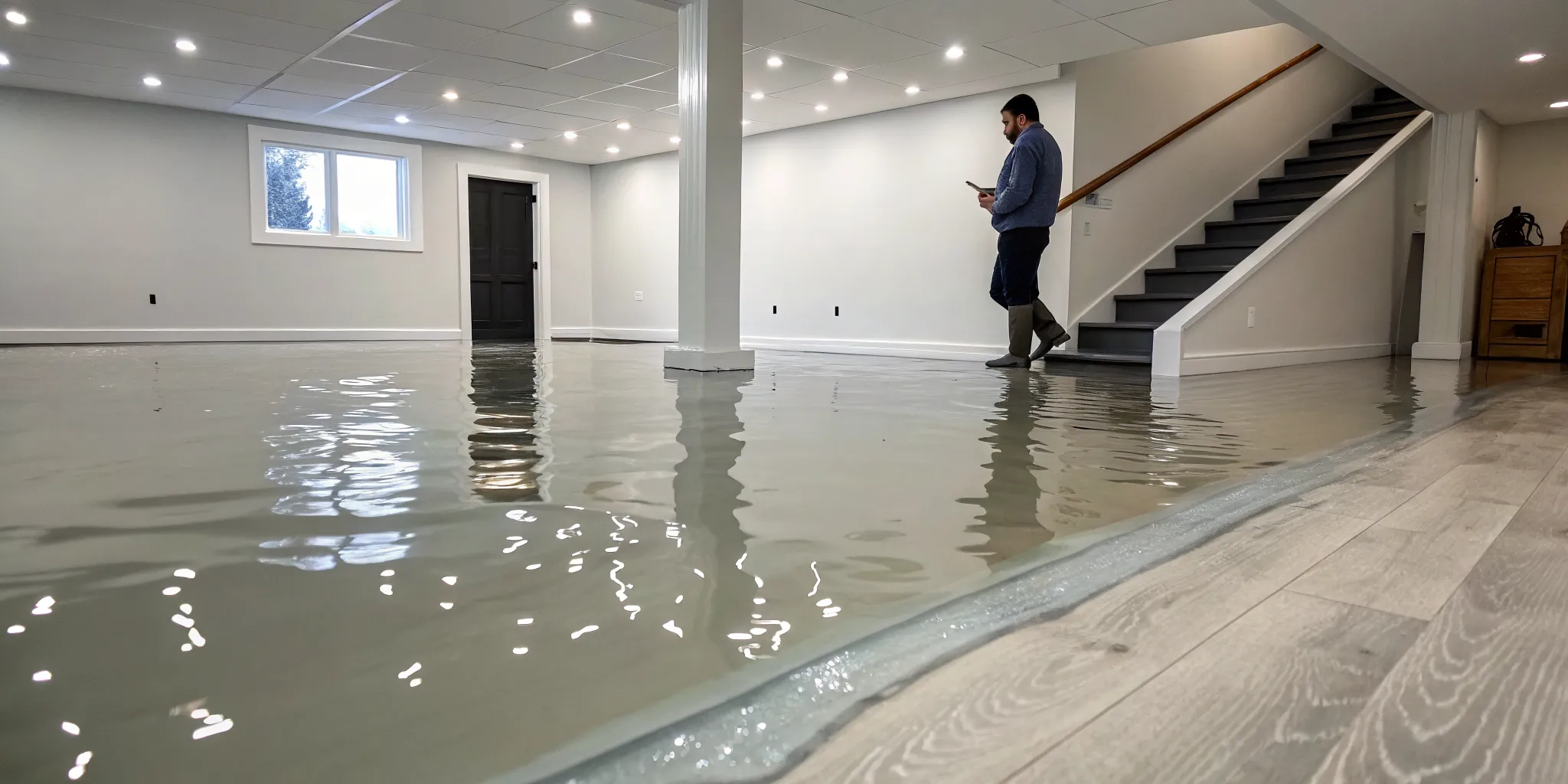
Every homeowner should know the answer to one critical question before they ever need to ask it: "My basement flooded, what will insurance cover?" Waiting until you're dealing with a water emergency is the worst time to learn the limits of your policy. Understanding your coverage now can save you from major financial surprises and a lot of stress later. This guide is designed to give you that clarity. We’ll explore the scenarios that standard policies typically cover, like a burst pipe, and the common exclusions, such as groundwater seepage. Think of this as your proactive playbook for protecting your home and your finances.
Key Takeaways
- Know Where the Water Came From: Standard homeowner's insurance typically covers sudden and accidental damage from internal sources, like a burst pipe or faulty appliance. It almost never covers damage from external sources, such as natural floods or groundwater seepage.
- Document Everything Before You Clean: After ensuring the area is safe, your most important task is to take detailed photos and videos of the water damage. This visual evidence is the strongest proof you can provide to your insurance adjuster to support your claim.
- Fill Your Policy's Gaps Proactively: Don't wait for a disaster to find out you're not fully protected. Talk to your agent about adding affordable riders for common exclusions, like sewer backups, and consider purchasing a separate flood insurance policy.
What Water Damage Will Your Insurance Cover?
Finding water in your basement is a stressful discovery. After ensuring everyone is safe, your mind likely jumps to the cost of cleanup and repairs. The good news is that your standard homeowner's insurance policy often covers more than you might think, but the details really matter. The key distinction insurance companies make is whether the water damage was sudden and accidental. This means the damage came from an unexpected event that happened quickly, not a problem that developed over time due to neglect.
Generally, if the water comes from a source inside your home, like your plumbing or an appliance, you have a strong basis for a claim. Think of a pipe that suddenly bursts or a washing machine hose that detaches without warning. This is very different from damage caused by a slow, dripping leak you haven't fixed or from natural floodwaters rising from outside your home. Understanding this core principle is the first step in figuring out your coverage. Before you even call your insurance agent, identifying the source of the water will help you understand what to expect. If you're facing a sudden water issue, our team can help you with professional water damage restoration to prevent further problems like mold growth.
Sudden Leaks and Accidents
The words "sudden and accidental" are your policy's most important terms when it comes to water damage. This category covers events that happen without warning. For example, if your water heater tank suddenly ruptures and floods the basement, the resulting damage to your drywall, flooring, and personal belongings is typically covered. Another common scenario is a supply line to an appliance, like your refrigerator's ice maker, breaking and spraying water everywhere. The damage is immediate and unforeseen, which is exactly what insurance is designed to protect you against. The policy won't cover the cost of replacing the broken water heater, but it will help you recover from the mess it made.
Burst Pipes and Plumbing Issues
A burst pipe is one of the most common causes of major water damage, especially during cold North Carolina winters. When a pipe freezes and breaks or an old plumbing connection fails unexpectedly, the amount of water released can be enormous. Your homeowner's insurance will generally cover the cost of drying out the basement, repairing the damaged walls and floors, and replacing ruined property. An important detail to note is that while the policy covers the water damage itself, it may not cover the cost of repairing the broken pipe. However, it often covers the expense of tearing out a wall or ceiling to access the pipe, which can be a significant cost on its own.
Appliance Overflows and Malfunctions
Your home is full of appliances that use water, and any one of them can malfunction. An overflowing toilet, a dishwasher that fails mid-cycle, or a washing machine that doesn't stop filling are all classic examples of covered incidents. As long as the overflow is sudden and not the result of a long-term, unresolved maintenance issue, your policy should step in to help. For instance, if your child flushes a toy down the toilet and it immediately overflows, you're likely covered. But if the toilet has been running and leaking around the base for months, an insurer might deny the claim based on negligence. When an appliance fails, it's critical to stop the water and contact a professional to assess the damage quickly.
What Water Damage Isn't Covered?
It’s a tough moment when you realize your insurance policy might not cover your flooded basement. While policies are great for sudden and accidental issues, they have specific exclusions that can catch homeowners by surprise. Understanding these exclusions ahead of time can save you a lot of frustration. Generally, if the water comes from outside your home or is the result of a long-term maintenance issue, you might have trouble getting your claim approved. Let’s walk through the most common types of water damage that standard homeowners insurance policies typically don’t cover.
Flooding from Outside Sources
This is the biggest and most common exclusion. Standard homeowners insurance almost never covers damage from what it defines as "flooding." This includes water from heavy rains that saturate the ground, overflowing rivers or lakes, storm surges, or flash floods. If your basement is underwater because of a major weather event in your area, your standard policy likely won't help. For this kind of protection, you would need a separate flood insurance policy, which is offered by the National Flood Insurance Program (NFIP) and some private insurers. It’s a crucial distinction that trips up many homeowners.
Groundwater and Foundation Seepage
If you notice your basement floor is wet after a heavy rain, the cause is often groundwater being pushed up through the ground or seeping through cracks in your foundation. Unfortunately, insurance companies usually view this as a maintenance issue or a type of flooding, neither of which is covered by a standard policy. They expect the home to be properly sealed and graded to prevent this. While it’s incredibly frustrating to deal with, insurers place the responsibility for preventing seepage on the homeowner. This is why addressing any foundation cracks or drainage problems around your home is so important.
Slow Leaks and Neglected Maintenance
Insurance is designed to cover sudden and accidental events, not problems that develop over time. A slow, dripping pipe under a sink that eventually causes your cabinet to rot and the floor to warp is considered gradual damage. Insurers see this as a preventable issue that should have been caught and fixed during routine home maintenance. Other examples include a leaky roof that wasn't repaired or deteriorating window seals that let in rain over several months. If an adjuster determines the damage resulted from a lack of upkeep, your claim will likely be denied.
Sewer and Sump Pump Backups
A sewer backup or a failed sump pump can create a huge, unsanitary mess in your basement. Unfortunately, damage from these events is another common exclusion in standard homeowners insurance. A sump pump is designed to pump groundwater away from your foundation, and its failure is often seen as a maintenance issue. Likewise, a sewer line backing up into your home is considered an external problem. The good news is that most insurance companies offer an affordable add-on, often called a "rider" or "endorsement," that specifically covers water and sewer backups.
Your Basement Flooded. Now What?
Discovering water in your basement can feel overwhelming, but taking a deep breath and following a clear plan will make all the difference. Acting quickly and methodically not only protects your home from further harm but also sets you up for a smoother insurance claim process. Before you start moving furniture or making calls, focus on these three critical first steps. Your immediate actions can significantly impact your safety and the outcome of your claim.
Prioritize Safety: Electrical and Structural Risks
Before you do anything else, make sure the area is safe to enter. Water and electricity are a dangerous combination. If there's standing water, avoid wading into it until you're certain the power is off. If you can safely access your home's breaker box, shut off the electricity to the basement. If you're unsure or can't reach it without stepping in water, call a licensed electrician immediately. Also, be mindful of potential structural damage. Water can saturate drywall and compromise ceilings, creating a risk of collapse. If you notice any sagging or bulging, it's best to stay out and call for professional water damage restoration.
Stop the Source of the Water
Once you've addressed any immediate safety hazards, your next goal is to stop more water from entering. If the flooding is from an internal source like a burst pipe or a malfunctioning appliance, find your home's main water shut-off valve and turn it off. This will prevent the situation from getting worse while you figure out the next steps. If the water is coming from an external source, like heavy rain, the solution might be more complex. It’s crucial to figure out why the water is getting in, not just clean up the wet spots. A professional can help you identify the root cause, whether it's a foundation crack or a drainage issue, and recommend a permanent fix.
Document All the Damage
Now it’s time to become a detective. Before you move or clean anything, thoroughly document the scene for your insurance claim. Use your phone to take plenty of photos and videos of the entire affected area. Capture the source of the water, the high-water marks on the walls, and every single item that has been damaged. Make a detailed list of all affected belongings, including furniture, electronics, and stored items. Note their approximate age and value. The more detailed your documentation is, the stronger your claim will be. This evidence is essential proof for your insurance company, so don't skip this step. You can find more helpful guides in our resource library.
How to File Your Water Damage Claim
Dealing with a flooded basement is stressful enough without adding insurance paperwork to the mix. But filing a claim doesn't have to be a headache. By following a few clear steps, you can make the process smoother and ensure you have everything you need to get the coverage you deserve. Think of it as a simple checklist to get you from a water-logged mess to a dry, restored space. The key is to be prompt, thorough, and organized from the very beginning.
Contact Your Insurance Company Immediately
The moment you’ve confirmed everyone is safe and you’ve stopped the source of the water, your next call should be to your insurance agent. The sooner you report the damage, the faster you can start the claims process. When you call, have your policy number handy to speed things up. Explain what happened in as much detail as you can. They will assign a claims adjuster to your case and walk you through the specific next steps your policy requires. While you wait for them, you can also contact a professional to help with immediate water removal.
Gather Your Proof and Documentation
Before you move or throw anything away, your top priority is to document everything. This is the most critical step for a successful claim. Grab your phone and take photos and videos of all the affected areas and damaged belongings. Capture wide shots of the room and close-ups of specific items. Make a detailed list of everything that was damaged, including furniture, electronics, and personal items. Note the brand, model number, and approximate age if you can. This proof is essential for your adjuster and helps ensure you account for every loss. A professional water damage restoration team can also provide official documentation of the damage.
Work with Your Insurance Adjuster
Your insurance company will send an adjuster to your home to assess the damage in person. Your job is to be there to walk them through the flooded area and provide all the documentation you’ve gathered. Show them your photos, videos, and the detailed list of damaged property. Be honest and thorough in your conversation. The adjuster will use this information, along with their own assessment, to determine the extent of the covered damages. Having a clear record helps them do their job and supports your claim, making the process more straightforward for everyone involved. You can see how we've helped other homeowners through this process by reading our customer testimonials.
Extra Insurance Coverage to Consider
After discovering water in your basement, the last thing you want to hear is that your specific type of damage isn’t covered by your standard homeowner's policy. Unfortunately, this happens all too often. Base policies have specific limitations, but you can fill those gaps by adding endorsements, also known as riders, or by purchasing separate, specialized policies. Thinking about these options before you have a problem can save you a massive headache and a lot of money down the road. Understanding what’s available helps you build a safety net that truly protects your home and your finances from the unexpected.
Flood Insurance Policies
One of the most common misconceptions is that a standard homeowner's policy covers flooding. In nearly all cases, it does not. If your basement floods due to heavy rain, an overflowing river, or storm surge, you’ll need a separate flood insurance policy to cover the damage. These policies are specifically designed to handle water damage from natural events and external water sources. You can typically purchase a policy through the National Flood Insurance Program (NFIP) or a private insurance company. If you live in an area prone to heavy storms or near a body of water, this coverage isn't just a good idea; it's essential for protecting your property.
Water Backup and Sump Pump Riders
What happens if the water in your basement comes from a clogged sewer line or a failed sump pump? This is another scenario that standard policies usually exclude. A water backup and sump pump rider is an affordable add-on that covers damage from these exact situations. It helps pay for water removal, drying, and repairs to your home and belongings when a drain or sewer backs up or your sump pump can't keep up. Given how common these issues are, especially during intense rainstorms, this small addition to your policy provides critical peace of mind and can prevent a costly water damage restoration bill.
Service Line Coverage
The pipes that run underground from your house to the municipal water and sewer lines are your responsibility. If one of these service lines leaks, collapses, or breaks, the repair costs can be surprisingly high, and any resulting water damage adds to the expense. Service line coverage is another valuable endorsement you can add to your policy. It helps cover the cost of excavating, repairing, or replacing damaged utility lines on your property. This add-on protects you from the financial shock of a major underground plumbing failure, which is a risk many homeowners don't think about until it's too late.
Common Myths About Basement Flood Coverage
When you’re dealing with a flooded basement, the last thing you need is a surprise from your insurance company. Navigating your policy can feel overwhelming, and a lot of confusion stems from a few common myths about what’s actually covered. Many homeowners assume their standard policy is a catch-all for any water-related incident, but the details can be tricky. Understanding these distinctions before you file a claim can save you a lot of time and frustration.
Let's clear up some of the biggest misconceptions about basement flood coverage. Knowing the difference between what insurers consider "flood damage" versus "water damage," or why a slow leak isn't treated the same as a burst pipe, is key. This knowledge helps you set realistic expectations and approach the claims process with more confidence. By debunking these myths, you can better understand your policy and what steps to take next to get your home back to normal.
Myth: Standard Policies Cover All Water Damage
This is one of the most common and costly misunderstandings for homeowners. Many people believe their standard home insurance policy will cover any type of water in their basement, but that’s rarely the case. Most policies make a clear distinction: they cover sudden and accidental water damage from inside your home, but they almost never cover damage from what they define as a "flood." This includes water from heavy rains, overflowing rivers, storm surges, or groundwater seeping in. For that kind of protection, you typically need a separate flood insurance policy through the National Flood Insurance Program (NFIP) or a private insurer.
Myth: Gradual or Slow Leaks Are Covered
Insurance policies are designed to protect against sudden and accidental events, not issues that result from a lack of maintenance over time. If a pipe bursts unexpectedly, you’re likely covered. However, if a slow drip from a leaky faucet or a crack in the foundation has been causing damage for weeks or months, your claim will probably be denied. Insurers view this as gradual damage that could have been prevented with routine upkeep. These slow leaks are a primary cause of mold growth, which can lead to a much bigger mold removal project down the line if not addressed quickly.
Myth: "Flood Damage" and "Water Damage" Are the Same
In the world of insurance, these two terms mean very different things. "Water damage" generally refers to water that originates from within your home, such as from a broken washing machine hose, an overflowing toilet, or a burst pipe. This is the type of damage that is often covered by a standard homeowner's policy. On the other hand, "flood damage" is specifically defined as water that comes from an outside, natural source and covers at least two acres or affects two properties. It’s crucial to read your policy and understand how your provider defines these terms. If you're unsure, it's always a good idea to contact a professional for guidance.
Your Checklist for a Successful Claim
When you’re dealing with a flooded basement, filing an insurance claim can feel like another overwhelming task. But with a little organization, you can build a strong case that helps the process go smoothly and ensures you get fair compensation. Think of yourself as a detective gathering evidence. The more detailed and thorough your documentation is, the easier it will be for your insurance adjuster to understand the full scope of the damage. This checklist covers the essential pieces of proof you’ll need to collect.
Photos and Videos of the Damage
Before you move or throw anything away, your first step is to grab your phone and document the damage. Take more photos and videos than you think you need. Capture wide shots of the entire basement to show the scale of the flooding, then get close-ups of specific damage to walls, floors, furniture, and personal items. Make sure you photograph the water line on the walls to show how high the water reached. A great tip is to take a video, walking slowly through the space and narrating what you see. This creates a comprehensive visual record that clearly shows the condition of your basement immediately after the incident.
A Detailed List of Damaged Items
Next, create a complete inventory of every single item that was damaged or destroyed. Go room by room and list everything, from big-ticket items like electronics and furniture to smaller things like books, rugs, and stored holiday decorations. For each item, include as much detail as you can: its name, brand, model number, where you bought it, and its approximate age and value. If you have receipts or credit card statements for any of these items, gather those as well. This detailed list is crucial because it helps your insurance company accurately calculate the value of your loss and prevents you from forgetting anything in the chaos.
Professional Reports and Repair Receipts
Your documentation is powerful, but backing it up with an expert opinion makes your claim even stronger. A formal report from a certified water damage restoration company provides an official assessment of the cause and extent of the damage, which can be invaluable. Also, keep a folder for every single receipt related to the flood. This includes the bill from the emergency plumber who stopped the leak, the cost of any materials you bought to make temporary repairs, and even receipts for hotel stays if the damage made your home unlivable. This paper trail proves the costs you’ve incurred and shows the insurer that you took responsible steps to mitigate further damage.
When to Call a Water Damage Professional
After you’ve taken steps to ensure your family’s safety and documented the damage, you might wonder if you can handle the cleanup yourself. While a small spill can often be a DIY job, significant water damage requires a professional touch. Experts not only have the right equipment to properly dry out your home, but they can also identify hidden moisture that could lead to bigger problems down the road, like structural damage or mold. Calling a professional ensures the job is done right the first time, giving you peace of mind and helping you get your home back to normal faster.
Signs You Need an Expert's Help
Some water damage issues are too complex for a simple cleanup. If you see water stains on your walls or ceilings, it often points to a leak that needs to be found and fixed. Persistent damp spots that never seem to dry are another red flag that water is coming from an ongoing source. The most serious sign is visible mold growth, which indicates that water has been present for a while. Mold can pose health risks and requires specialized removal techniques. If you notice any of these issues, it’s best to call for a professional assessment right away.
How Professionals Can Support Your Claim
A water damage professional is a key partner in your insurance claim process. They can conduct an expert assessment to find the source of the leak, whether it’s from your plumbing, roof, or foundation. This is crucial information for your insurer. A professional remediation company will also provide detailed reports, photos, and documentation of the damage and the restoration process. This evidence is incredibly valuable when you file your claim, as it validates the extent of the damage and the necessity of the repairs, helping to ensure you get the coverage you’re entitled to.
The Benefits of Professional Remediation
Hiring a professional water damage restoration team offers benefits that go far beyond a simple cleanup. They use industrial-grade equipment to remove water and thoroughly dry every affected area, which prevents further damage. More importantly, they address the root cause of the problem to help prevent it from happening again. A professional team can also handle sanitizing the area and performing any necessary repairs. This comprehensive approach ensures your home is not only dry but also safe and structurally sound, protecting your investment for the long term.
Frequently Asked Questions
My sump pump failed during a heavy storm. Is that covered? This is a really common and frustrating situation. Typically, a standard homeowner's policy does not cover damage from a failed sump pump. Insurers often view this as a maintenance-related issue. However, most companies offer an inexpensive add-on, often called a water backup and sump pump rider, that specifically covers this exact scenario. It's a valuable piece of extra coverage to discuss with your agent before you ever need it.
Should I wait for the insurance adjuster to arrive before I start cleaning up? You shouldn't wait, but you need to be strategic. Your first priority after ensuring safety is to document everything with photos and videos. Once you have a thorough record of the damage, you should take reasonable steps to prevent the problem from getting worse. This could mean moving wet items to a dry area or calling a professional restoration service to start extracting water. Taking these steps shows the insurance company you're being responsible.
If the water damage leads to mold, is the mold removal covered too? Coverage for mold often depends on the source of the original water damage. If the water came from a "covered peril," like a suddenly burst pipe, then the resulting mold removal is frequently covered as part of that claim. However, if the mold grew over time from a slow, unrepaired leak or from a flood that your policy excludes, then the mold remediation likely won't be covered either.
What's the most important thing to remember when I first call my insurance agent? The most important thing is to be clear and honest about the source of the water. Be ready to explain exactly what happened, whether it was a burst pipe, an appliance malfunction, or something else. Having your policy number handy is helpful, but clearly stating that the damage was "sudden and accidental" and came from a source inside your home will immediately help your agent understand the situation and start the claim on the right foot.
Will filing one water damage claim make my insurance premiums go up? This is a valid concern, and the answer can vary between insurance providers. A single claim, especially if it's your first one, may not automatically cause a rate increase. However, multiple claims in a short period often will. The best approach is to focus on getting your home properly repaired to prevent future issues. A professional restoration not only fixes the current damage but also helps identify and address the root cause, which is your best defense against future claims and potential rate hikes.