
It’s easy to dismiss mold as just an ugly stain, but it’s also an indoor air quality issue that can affect your family’s health. If you’ve noticed an uptick in allergy-like symptoms, such as a stuffy nose, sneezing, or itchy eyes that seem to get worse at home, mold could be the culprit. Protecting your home environment starts with knowing what to look for and understanding the risks. This article will cover the common health concerns associated with mold exposure, how to identify a hidden problem, and the safest ways to address it, whether it’s a small DIY job or a situation requiring professional mold removal.
Key Takeaways
- Address the water source first: Mold needs moisture to survive, so your top priority is to find and repair the underlying cause, such as a leak, condensation, or poor ventilation. Fixing the water problem is essential for any cleanup to be successful.
- Recognize your DIY limits: While you can clean small mold spots (under 10 square feet) with proper safety gear, it's crucial to call a professional for larger problems, suspected HVAC contamination, or if household members have health sensitivities.
- Maintain a dry environment to prevent regrowth: After cleanup, consistently manage your home's moisture. Use exhaust fans, keep indoor humidity below 50 percent, and address any new water issues immediately to stop mold from coming back.
What Is Mold and Why Is It in My Home?
Finding splotches of black, green, or white stuff growing in your home can be alarming. But before you panic, it helps to understand what you're dealing with. Mold is a common household issue, and knowing what it is and why it’s there is the first step toward getting rid of it for good. Let's break down the basics so you can feel confident about your next steps.
What Exactly Is Mold?
Think of mold as a type of fungus, a natural part of the environment. Its tiny spores are floating around everywhere, both outside and inside your home. On their own, these spores are usually harmless. The problem starts when they land on a damp spot and begin to grow into colonies. Mold can grow on almost any organic surface, including wood, ceiling tiles, wallpaper, and fabric. Because it's a living organism, its main goal is to keep growing and spreading, which is why addressing a mold problem quickly is so important for your home's health.
The Perfect Conditions for Mold Growth
Mold has a simple recipe for survival: moisture, a food source (like drywall or wood), and the right temperature. The most critical ingredient is moisture; without it, mold simply can't grow. This is why you often find it in areas with high humidity or water issues, like bathrooms after a steamy shower, basements with leaks, or kitchens near the sink. In fact, the US Environmental Protection Agency stresses that controlling moisture is the key to controlling mold. Condensation, where warm, moist air hits a cool surface, also creates the perfect damp environment for it to thrive.
Where Does Mold Typically Hide?
One of the trickiest things about mold is that it loves to grow in dark, hidden places. You might not see it right away, which allows it to spread unnoticed. Common hiding spots include the space behind walls, especially if there's been a pipe leak, underneath carpets and padding, and in damp crawl spaces or attics. It can also grow inside HVAC ducts and on the back of drywall. This is often why you might smell a musty odor before you ever spot visible growth. If you suspect you have a hidden issue, it's always a good idea to get a professional opinion to find the source.
How to Identify Mold in Your Home
Finding mold can feel unsettling, but knowing what to look for is the first step toward handling it. Your best tools for detection are your own senses. Often, you can see or smell a mold problem long before it gets out of hand. Mold can appear in various colors and textures, from black and green to white and orange, and it might look fuzzy, slimy, or speckled.
Beyond the obvious visual cues, that persistent musty smell in your basement or bathroom is a major red flag. This odor is a sign that mold is actively growing, even if it’s hidden behind a wall or under the floor. You should also pay attention to how you feel inside your home. If you find your allergies acting up for no clear reason, it could be a reaction to airborne mold spores. Trust your instincts. If something looks, smells, or feels off, it’s worth a closer look.
Visual Signs of Mold
The most straightforward way to identify mold is by seeing it. Look for discoloration on your walls, ceilings, or floors, which can appear as spots, stains, or streaks. Common colors include black, green, or white, but mold can be almost any color. Pay close attention to areas with a history of moisture, like bathrooms, basements, and kitchens. You might notice warped paint or wallpaper that is peeling or bubbling, which often indicates moisture trapped behind the surface. Leaks, condensation on windows, or visible water stains are also telltale signs that create the perfect environment for mold growth. If you spot any of these visual cues, it’s a strong signal that you need to investigate further.
The Telltale Musty Odor
Sometimes you can smell mold before you can see it. If you walk into a room and are hit with a damp, earthy, or musty odor, that’s a classic sign of a mold problem. This smell is caused by microbial volatile organic compounds (MVOCs), which are gases produced by mold as it grows and digests organic material. The odor can be persistent and may seem stronger in enclosed spaces like closets, basements, or laundry rooms. Don't ignore a strange smell just because you can't find the source right away. A musty odor is your nose’s way of telling you that mold could be hiding behind drywall, under carpets, or within your ventilation system.
Physical Symptoms of Mold Exposure
Your body can also signal a mold problem. For many people, exposure to mold can trigger allergic reactions and hay fever-type symptoms. You might find yourself dealing with a stuffy or runny nose, sneezing, itchy eyes, or a skin rash that seems to flare up when you're at home. According to the US EPA, these reactions can happen immediately or be delayed. If you have asthma, you might notice an increase in attacks or find it harder to breathe. While these symptoms can be caused by many things, if they consistently improve when you leave the house and worsen when you return, mold could be the culprit.
Is It Mold or Just Dirt?
It can be tricky to tell the difference between mold, mildew, and a simple patch of dirt or soot. Dirt is typically easy to wipe away with a standard cleaner and doesn't usually have a strong, musty smell. Mold, on the other hand, often has a distinct fuzzy or slimy texture and will likely return after being wiped away if the underlying moisture issue isn't fixed. Mildew is a type of mold that tends to be powdery or downy and is often gray or white. If you’re unsure what you’re looking at, it’s best to err on the side of caution and treat it as mold. When in doubt, getting a professional assessment can give you a definitive answer and a clear path forward.
Found Mold? Here’s What to Do Next
Discovering mold in your home can feel overwhelming, but taking a calm, methodical approach is the best way forward. Your first moves are all about ensuring safety, stopping the mold at its source, and figuring out just how big the problem is. By following a few key steps, you can get the situation under control and make a clear plan for what to do next.
Safety First: Your Immediate Steps
Before you do anything else, prioritize your health. Mold can release spores that cause allergic reactions and respiratory issues, so it’s important to protect yourself. The CDC recommends wearing an N95 mask, protective gloves, and goggles to avoid direct contact and inhalation. Do not touch mold with your bare hands. If the mold is in a contained area, try to close it off from the rest of the house by shutting doors and covering vents to prevent spores from spreading. This is especially important if you have children, elderly family members, or anyone with a compromised immune system living in the home. Your immediate goal is to create a safe environment before you tackle the cleanup.
Find and Stop the Water Source
Mold cannot grow without moisture, so your next critical step is to find and fix the water source. Check for leaky pipes, roof damage, condensation on windows, or areas with poor ventilation. According to the EPA, you must repair any water issues and completely dry the affected area to stop mold from returning. Simply cleaning the mold without addressing the underlying moisture problem is like mopping up a spill while the faucet is still running; the issue will just come back. If you’ve experienced recent flooding or significant water intrusion, professional water damage restoration may be necessary to ensure the area is thoroughly dried out.
Assess the Scope of the Problem
Now it’s time to determine the extent of the mold growth. The general rule of thumb is that if the affected area is less than 10 square feet, you might be able to handle the cleanup yourself. However, if the mold covers a larger area or if you suspect it’s inside your walls or HVAC system, it’s best to call a professional. Porous materials like drywall, carpet, and upholstered furniture that have been soaked are often impossible to clean completely and may need to be discarded. A professional mold removal service can properly assess the situation, contain the area, and ensure all mold is safely removed without spreading spores throughout your home.
The Health Risks of Mold Exposure
Beyond the musty smell and ugly stains, mold can pose significant health risks to you and your family. When mold grows, it releases spores into the air that you can easily inhale. For many people, this exposure can trigger a range of uncomfortable and persistent symptoms. Understanding these potential health effects is the first step in realizing why addressing a mold problem quickly is so important for maintaining a healthy home environment.
Allergic Reactions and Breathing Issues
Have you noticed a sudden increase in allergy-like symptoms at home? It might be the mold. For many, mold exposure causes hay fever-type reactions. You might experience a runny nose, sneezing, red and watery eyes, or a skin rash. According to the US EPA, these allergic responses are some of the most common effects of indoor mold. You may also feel chest tightness or have trouble breathing, especially if the spore count is high. These symptoms occur because your body’s immune system is reacting to the inhaled mold spores, causing inflammation. If these issues seem to lessen when you leave the house, it’s a strong sign you have an indoor air quality problem.
Higher Risks for Sensitive Individuals
While anyone can react to mold, some people are much more vulnerable. Individuals with existing asthma, allergies, or other respiratory conditions can experience more severe reactions. Mold exposure can trigger asthma attacks and lead to significant breathing difficulties. The same goes for infants, children, the elderly, and anyone with a compromised immune system. For these sensitive groups, even a small amount of mold can cause a strong reaction. If someone in your household falls into this category, treating mold as a serious health threat is crucial. Prioritizing professional mold removal is the best way to protect their well-being and restore your home to a safe space for everyone.
Understanding Mycotoxins and Their Effects
You may have heard the term "toxic mold," which usually refers to molds that can produce mycotoxins. These are toxic chemical compounds found on the surface of mold spores that can be harmful if inhaled, ingested, or touched. While not all molds produce mycotoxins, certain types commonly found in water-damaged buildings can. Prolonged exposure to these specific molds can lead to more serious health issues beyond typical allergic reactions. It’s difficult to know if the mold in your home is producing mycotoxins just by looking at it, which is why all mold growth should be handled with caution and addressed by professionals who can safely manage the remediation process.
How to Handle Small-Scale Mold Removal Yourself
If you’ve found a small patch of mold, you might be able to handle the cleanup on your own. The key word here is small. The EPA generally defines a small area as less than 10 square feet, or a patch roughly 3 feet by 3 feet. If the mold covers a larger area or you suspect it’s in your HVAC system, it’s time to contact a professional. But for a minor issue, taking the right steps can effectively solve the problem. Tackling it yourself requires careful preparation and the right supplies to ensure you do it safely and effectively.
Gear Up: Essential Safety Equipment
Before you start cleaning, protecting yourself is the top priority. Mold spores can easily become airborne and cause irritation or allergic reactions. Always wear the proper personal protective equipment to shield your lungs, skin, and eyes. Start with an N95 respirator mask to avoid inhaling spores. You’ll also need non-porous gloves made of rubber, nitrile, or vinyl to protect your hands. Finally, wear safety goggles without ventilation holes to keep spores out of your eyes. This gear isn't optional; it’s your first line of defense against mold exposure.
Effective Cleaning Solutions (Natural and Commercial)
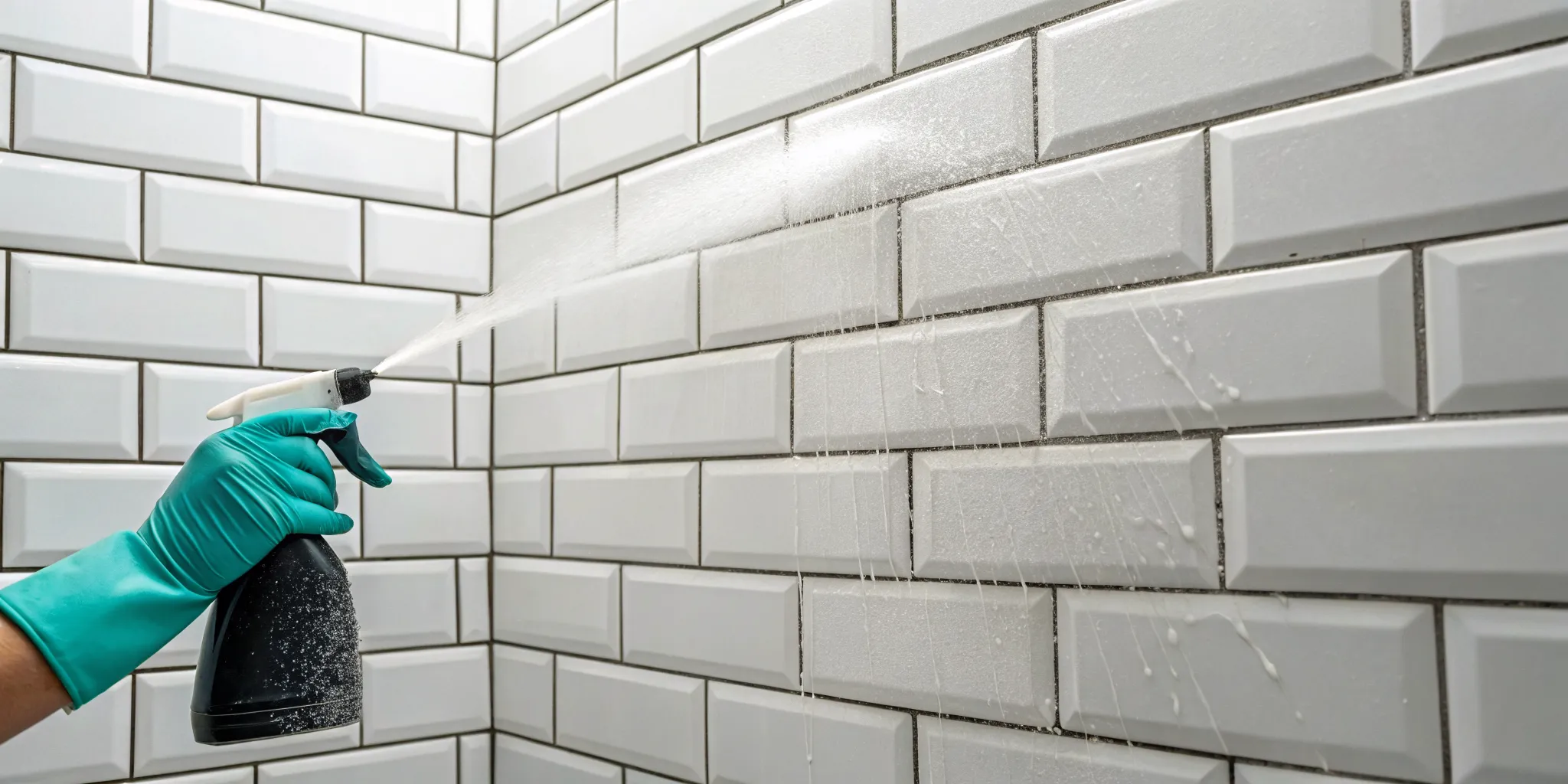
You don’t necessarily need harsh chemicals to clean a small area of mold. For non-porous surfaces like tile, glass, or metal, a simple solution of soap or detergent and water is often enough to do the job. Scrub the surface thoroughly and dry it completely. If you choose to use a bleach solution, be sure to use it safely. The CDC recommends a mixture of no more than one cup of household bleach per gallon of water. Never mix bleach with ammonia or other cleaning products, as this can create toxic fumes. Always ensure the room is well-ventilated by opening windows and doors.
A Step-by-Step Guide to Cleaning Mold
Ready to get started? Here’s a straightforward process for cleaning mold on hard surfaces. First, and most importantly, fix the water problem that caused the mold to grow. Next, scrub the mold off the surface with your chosen cleaning solution and a brush. Once the surface is clean, dry it completely with a clean cloth. Any porous materials like carpet, ceiling tiles, or drywall that have mold growth should be bagged and thrown away, as they are nearly impossible to clean fully. Following these mold cleanup guidelines will help you manage the issue without spreading spores elsewhere in your home.
When to Call a Professional for Mold Removal
While I’m all for a good DIY project, mold removal is one area where you need to know your limits. Tackling a small spot of mildew on your shower tile is one thing, but some situations are too complex or hazardous to handle on your own. Calling in a professional isn’t giving up; it’s making a smart, safe decision for your home and your health. Professionals have the right training, equipment, and protective gear to handle extensive mold problems safely and effectively, ensuring it’s gone for good.
If you find yourself in one of the following situations, it’s time to put down the cleaning supplies and pick up the phone to call for an expert assessment.
If the Mold Covers a Large Area
A good rule of thumb, recommended by the EPA, is to call a professional if the affected area is larger than 10 square feet (roughly a 3-foot by 3-foot patch). When mold spreads over a large surface, it’s often a sign of a deeper, more significant moisture problem. A professional mold removal team can not only clean the visible mold but also identify and address the hidden growth behind walls or under flooring. They use specialized equipment like air scrubbers and containment barriers to prevent spores from spreading to other parts of your home during the cleanup process, a step that’s nearly impossible to replicate with DIY methods.
If Your HVAC System Is Involved
Finding mold on or around your air vents is a major red flag. If you suspect mold has gotten into your heating, ventilation, or air conditioning (HVAC) system, do not turn it on. Running the system will blow mold spores throughout your entire home, spreading the contamination from one room to every room. Cleaning ductwork and HVAC components requires specialized knowledge and tools to do it safely and thoroughly. It’s a complex job best left to professionals who can ensure your home’s air circulation system is completely decontaminated. You can contact us for an assessment to keep your air clean and safe.
When You Have Health Concerns or Major Water Damage
If anyone in your household has asthma, severe allergies, or a compromised immune system, it’s best not to risk exposure. The CDC advises that individuals with these conditions can be more sensitive to mold, and attempting a DIY cleanup could worsen their health issues. Similarly, if your home has experienced significant water damage from a flood, burst pipe, or major leak, you should call for help. Widespread moisture creates the perfect breeding ground for mold, which can grow quickly in hidden, saturated materials like drywall and insulation. A professional team can handle both the water damage restoration and mold remediation to protect your property and your family’s health.
What Does Professional Mold Removal Cost?
Let's talk about one of the biggest questions on every homeowner's mind: the cost. When you're dealing with mold, you want it gone, but you also need to know what to expect financially. Professional mold removal isn't a one-size-fits-all service, so the price can vary quite a bit. Generally, you can expect the cost to range from about $1,200 to $3,750, with the average project landing around $2,300. Of course, these are just ballpark figures. For a very small, contained issue, you might pay as little as $500. On the other hand, extensive mold that has spread throughout a home, especially in areas like a basement or attic, could cost $10,000 or even more.
It's important to remember that this cost covers much more than just scrubbing away visible spots. A professional mold removal service includes identifying and fixing the moisture source, containing the area to prevent spores from spreading, removing contaminated materials like drywall or insulation, and cleaning the air. Think of it as a comprehensive treatment for your home's health, not just a cosmetic fix. The final price tag depends on several key factors, which ultimately determine the scope and complexity of the job.
What Affects the Final Price?
So, what makes one mold job cost more than another? It really comes down to the specifics of your situation. The biggest factor is the scale of the problem. A small patch of mold in a bathroom corner is a much simpler fix than a widespread infestation throughout a basement. The type of mold can also play a role; certain toxic molds require more specialized safety gear and disposal methods, which can add to the cost.
Where the mold is located matters, too. Mold that’s easily accessible is less expensive to remove than mold hidden inside walls or in your HVAC system. Finally, the materials involved are a major consideration. Cleaning mold off a hard surface like tile is one thing, but if it has seeped into porous materials like drywall, carpet, or wood, those materials often need to be completely removed and replaced. Getting a professional assessment of your home is the only way to get an accurate quote.
Understanding Average Removal Costs
If you prefer to think in terms of square footage, that can also give you a rough idea of the cost. Professionals often charge between $12 and $28 per square foot for remediation. The exact rate depends on the severity of the growth and the methods needed to treat it effectively. A lighter case might be on the lower end of that scale, while a more serious problem will be on the higher end.
Remember, choosing a remediation company isn't just about finding the lowest price. A specialized, experienced team might have a higher upfront cost, but they ensure the job is done right the first time. This saves you money and stress down the road by preventing the mold from returning. Investing in a thorough, professional service protects your home and your family's health, which is always worth it. You can learn more about a company's experience by checking out their past projects and testimonials.
How to Prevent Mold from Coming Back
Successfully removing mold from your home is a huge relief. But the job isn’t quite finished. The final, and arguably most important, step is making sure it doesn’t return. Mold spores are everywhere, just waiting for the right conditions to grow. The key to keeping them at bay is to make your home as inhospitable to them as possible. This all comes down to one thing: moisture control.
Think of mold prevention as an ongoing part of your home maintenance routine. By being proactive, you can protect your home’s structure, your belongings, and your family’s health. It doesn’t require a complete overhaul of your life, just a few consistent habits and a keen eye for potential problem spots. From managing indoor humidity to choosing the right building materials, you have the power to create an environment where mold simply can’t thrive. If you've recently dealt with an infestation, these steps are your best defense against a repeat performance. A professional mold removal service is the first step, and these preventative measures are the follow-through that keeps your home safe for the long haul.
Control Humidity and Improve Ventilation
Mold thrives in damp, stagnant air, so one of the best things you can do is keep the air in your home dry and moving. Aim to keep your indoor humidity levels between 30% and 50%. You can easily track this with an inexpensive humidity monitor. In areas that produce a lot of moisture, like the kitchen and bathroom, always run the exhaust fan when cooking or showering. If you have a basement, crawl space, or any room that feels persistently damp, a dehumidifier can be a game-changer. On nice days, simply opening a few windows is a great way to circulate fresh air and reduce moisture buildup throughout your home.
Fix Leaks and Water Damage Immediately
A tiny drip can lead to a massive mold problem. Water from a leaky pipe, a damaged roof, or a poorly sealed window provides the steady moisture source that mold needs to flourish. Make it a habit to regularly check under sinks, around toilets, and near appliances that use water. After a heavy rain, take a quick look for any signs of water stains on your ceilings or walls. If you find a leak, address it right away. The longer you wait, the more damage it can cause. Promptly fixing leaks and thoroughly drying any affected areas is crucial for preventing excess moisture from settling into your home and creating a breeding ground for mold.
Tips for Regular Home Maintenance
A little bit of routine upkeep can go a long way in preventing mold. Start by making sure your gutters are clean and directing water away from your home’s foundation. Inside, wipe down your shower walls and door after each use to stop moisture from lingering. Be sure to spread out damp towels so they can dry completely. If you have a spill on a carpet or rug, clean and dry it thoroughly within 24 to 48 hours. These small, consistent actions eliminate sources of moisture and make it much harder for mold to get a foothold. For more helpful tips, you can always check out our resource library.
Choose Mold-Resistant Materials
If you’re renovating, finishing a basement, or repairing an area after water damage, you have a great opportunity to build in some extra mold protection. Opt for mold-resistant products whenever possible. This includes materials like mold-resistant drywall, which uses fiberglass instead of paper facing, and paints that contain mildewcides to inhibit mold growth. These products are specifically designed for use in high-moisture areas like bathrooms, laundry rooms, and kitchens. While they might cost a little more upfront, they can save you a lot of trouble down the road by creating surfaces that are much less friendly to mold. If you need guidance on post-remediation repairs, feel free to contact our team for advice.
Common Mold Removal Mistakes to Avoid
When you find mold, your first instinct might be to grab some cleaning supplies and tackle it yourself. While that can-do spirit is great, some common DIY mistakes can actually make the problem worse or even put your health at risk. Knowing what not to do is just as important as knowing the right steps to take. By avoiding these pitfalls, you can handle mold removal more safely and effectively, ensuring you get the job done right the first time.
Misusing Bleach on Porous Surfaces
It’s a common myth that bleach is the ultimate mold killer. While it can work on non-porous surfaces like tile or glass, it’s not the right tool for materials like drywall, wood, or carpet. Bleach often only kills the surface mold, leaving the roots intact to grow back. Plus, since bleach is mostly water, it can soak into porous materials and feed the remaining mold. If you do use bleach for cleaning, the CDC recommends a solution of no more than one cup of bleach per gallon of water and warns to never mix it with ammonia, as this can create dangerous toxic fumes.
Forgetting Safety Gear or the Moisture Source
Scrubbing away mold without the right protection is a serious mistake. Disturbing mold releases spores into the air, which you can easily inhale. The CDC’s mold clean up guidelines stress the importance of wearing an N95 mask, protective gloves, and goggles to protect your mouth, skin, and eyes. Equally important is addressing the root cause. If you only clean the visible mold but don’t fix the underlying leak or moisture issue, the mold is guaranteed to return. A professional mold removal service will always identify and address the water source first.
Taking on a Large-Scale Problem Alone
A small spot of mold on your shower tile is one thing, but a large infestation is a different beast entirely. According to the EPA, you should call a professional if the affected area is larger than 10 square feet. Trying to manage a widespread problem on your own can lead to cross-contamination, spreading mold spores to other areas of your home. You should also seek expert help if you suspect mold is in your HVAC system. Running a contaminated system can circulate spores throughout your entire house, creating a much bigger issue. When in doubt, it’s always safer to contact a professional.
Frequently Asked Questions
Is all black mold the dangerous "toxic" kind? This is a common source of panic, but the color of mold isn't a reliable indicator of its danger. While certain types of black mold can produce mycotoxins, so can molds of other colors. The most important thing to remember is that any type of mold growing in your home should be treated seriously, as all molds can cause allergic reactions and respiratory issues. Instead of worrying about the specific type, focus on addressing the growth and the moisture source causing it.
Can I just paint over a small patch of mold? Painting over mold is like putting a bandage on a serious wound. It might hide the ugly spot for a little while, but it doesn't solve the problem. The mold is still alive underneath the paint, where it will continue to grow and eat away at the drywall or wood. Eventually, the paint will peel, and the mold will reappear, often worse than before. You have to completely remove the mold and fix the water issue to get rid of it for good.
How long does the professional mold removal process usually take? The timeline really depends on the size and location of the problem. A small, straightforward job in an accessible area might only take one to three days. However, a more extensive project, like one involving a large basement or an entire HVAC system, could take a week or more. The process includes setting up containment, removing contaminated materials, cleaning the air, and making sure the area is completely dry, so it’s important to allow for a thorough job.
Will my homeowner's insurance cover the cost of mold removal? Insurance coverage for mold can be tricky, as it almost always depends on the source of the moisture. Generally, if the mold resulted from a sudden and accidental event that is covered by your policy, like a burst pipe, you may have coverage. However, if the mold is due to a long-term issue, such as a slow leak or high humidity from poor maintenance, it typically is not covered. Your best bet is to review your specific policy and speak directly with your insurance agent.
What's the real difference between mold and mildew? Think of mildew as a specific type of mold. It usually grows on the surface of things and has a flat, powdery, or downy appearance, often in shades of gray or white. You commonly see it on shower grout or damp windowsills. Other molds can be fuzzy or slimy and come in many colors, and they often grow their roots deep into materials like drywall. While mildew is often considered less destructive, both are fungi that need to be cleaned up to protect your home and air quality.