
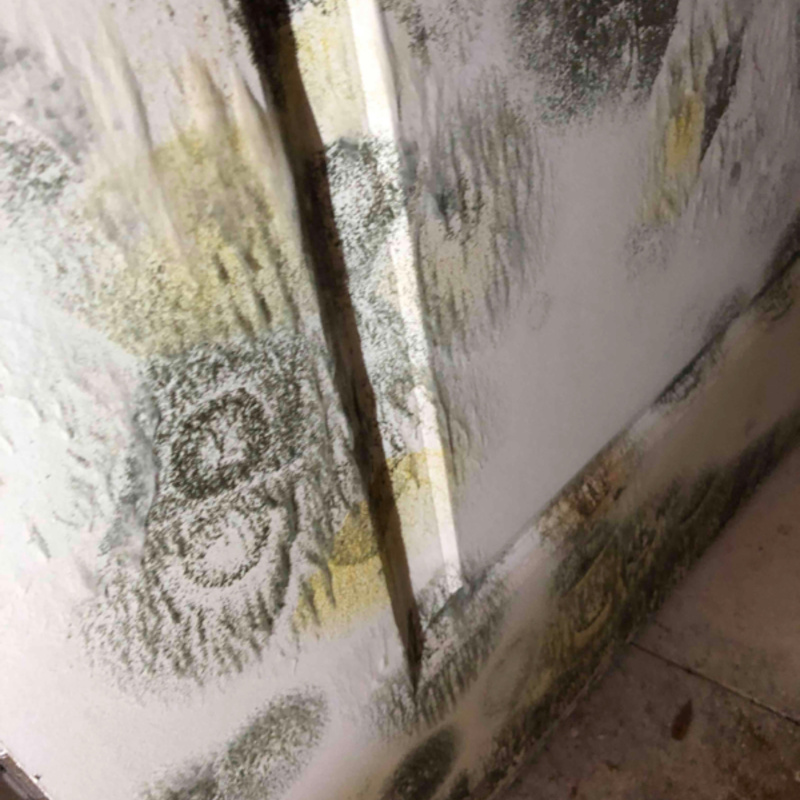
A home's foundation is built to support the entire structure, but in North Carolina, the crawl space underneath is often a major source of hidden moisture and mold. Because roughly half of the air on your first floor rises directly from the crawl space, a moldy foundation can compromise your indoor air quality and affect your family's comfort. Understanding how to manage crawl space moisture is essential for protecting both your property and your indoor air.
At Remtech Environmental, we emphasize an education-first approach. We believe in transparent explanations and providing real solutions without scare tactics or high-pressure sales lines.
If you suspect mold in your foundation or crawl space, get a free consultation from Remtech Environmental or call our Raleigh team today.
Why Do NC Crawl Spaces Get So Moldy?
The climate in North Carolina is humid and warm for much of the year, which creates perfect conditions for mold to grow underneath homes. Traditional crawl spaces are built with exterior foundation vents designed to circulate air. While this design was once a standard building practice, modern building science has shown that vented crawl spaces actually make moisture problems worse in humid climates.
When warm, humid summer air enters a cool, shaded crawl space through foundation vents, it hits the cool wooden framing and floor joists. As the warm air cools down, it releases moisture in the form of condensation, much like water droplets forming on a cold glass of iced tea. This persistent dampness saturates the wood, creating an ideal breeding ground for mold spores, which feed on organic wood cellulose.
Common Signs of Crawl Space Mold
Because crawl spaces are dark and rarely visited, mold problems can grow out of sight for months or even years. However, several telltale signs can indicate that moisture is building up underneath your home.
Key indicators of mold growth
- Musty odors: A persistent earthy or damp smell on your first floor is often the first sign that mold is growing in your crawl space. This smell is carried upward through gaps in your flooring and HVAC vents.
- Cupping hardwood floors: Excess humidity under your subfloor can cause your solid wood floors to expand and warp, making the edges of the boards higher than the centers.
- Allergy flare-ups: Increased sneezing, coughing, watery eyes, or congestion while indoors can be a sign that mold spores from underneath the home are entering your living areas.
- High indoor humidity: If your home's interior feels muggy and your air conditioner is struggling to keep humidity levels comfortable, moisture may be rising from below.
The Solution: Mold Remediation and Crawl Space Encapsulation
Resolving a crawl space mold problem requires a two-part approach: removing the existing mold and sealing the space to prevent moisture from returning.
Step 1: Professional mold remediation
Simply spraying bleach on wooden joists will not solve a crawl space mold problem. Bleach is mostly water and cannot penetrate deep into porous wood, meaning the mold roots will remain. Professional remediation involves:
- HEPA vacuuming: Removing loose spores and mold dust from all wood surfaces.
- Dry ice blasting or sanding: Safely removing the mold staining and cleaning the wood down to the bare, healthy timber.
- Applying EPA-approved antimicrobials: Treating the cleaned wood with specialized sealants to prevent future spore germination.
Step 2: Crawl space encapsulation
Once the wooden framing is clean and dry, the crawl space should be encapsulated. This involves sealing the entire space from the earth and the outdoor elements:
- Vapor barrier installation: Covering the dirt floor and foundation walls with heavy-duty, multi-ply plastic sheeting (typically 12-mil to 20-mil thickness).
- Sealing foundation vents: Closing off exterior vents to prevent warm, humid air from entering the space.
- Installing a crawl space dehumidifier: Running a specialized low-temperature dehumidifier to keep the relative humidity in the crawl space below 50% to 55%.
By encapsulating the space, you eliminate the high-humidity environment that mold needs to grow. It also protects your floor joists from dry rot, preserves your hardwood flooring, and improves your home's energy efficiency.
Doing the Right Work the Right Way
At Remtech Environmental, our IICRC-certified technicians voluntarily exceed state requirements to deliver high-quality, long-lasting moisture control solutions. We design customized plans for each home to ensure we address the root cause of the moisture problem.
To learn more about crawl space encapsulation or to schedule a professional crawl space mold inspection, contact Remtech Environmental today.