
Lead-based paint is a serious concern for many homeowners, landlords, and property managers in North Carolina, particularly in older neighborhoods across Raleigh, Durham, and Chapel Hill. Homes built before 1978 often contain lead paint, which poses significant health risks to families, particularly children and pregnant women, if the paint becomes chipped, peeled, or disturbed during remodeling.
At Remtech Environmental, we believe in doing the right work the right way. We provide education-first environmental solutions without scare tactics or high-pressure sales pitches. Understanding your options for lead paint testing and abatement is the first step to keeping your indoor air safe and your family healthy.
If you suspect lead-based paint on your property, get a free quote from Remtech Environmental or call our Raleigh office today.
Why is Lead-Based Paint Dangerous?
Lead is a toxic metal that can cause severe health complications if inhaled or ingested. When lead-based paint deteriorates over time, it breaks down into microscopic paint chips and dust that can settle on floors, window sills, and toys. This dust is easily breathed in or swallowed, especially by young children who explore their environments by putting hands and objects in their mouths.
In children, lead exposure can lead to development delays, learning difficulties, behavioral issues, and hearing damage. In adults, chronic exposure is linked to high blood pressure, joint pain, memory issues, and reproductive problems. Because lead accumulates in the body over time, addressing the source of contamination is critical.
The pre-1978 threshold
The federal government banned the residential use of lead-based paint in 1978. If your North Carolina home was built before this date, there is a strong possibility that lead-based paint was used on either the interior or exterior surfaces. Often, this paint is buried under several layers of modern, lead-free paint, but it remains a hazard if those top layers chip, peel, or are sanded down during a renovation.
Identifying Lead-Based Paint in Raleigh Homes
You cannot tell if paint contains lead simply by looking at it. The only way to confirm its presence is through professional testing or EPA-approved test kits.
Professional testing options
- X-Ray Fluorescence (XRF) analyzers: Certified inspectors use portable XRF machines to measure the lead content in paint layers without damaging your walls. This is the most accurate and non-destructive testing method.
- Paint chip sampling: Small samples of paint are scraped from suspect surfaces and sent to an accredited laboratory for chemical analysis. This is a highly accurate method but requires cutting through all layers of paint to the substrate.
- EPA-recognized DIY test kits: While home kits are available, they are less reliable than professional inspections and can sometimes produce false negatives or positives depending on the surface material and the user's technique.
Lead Paint Abatement vs. Lead Paint Stabilization
If lead-based paint is found in your home, you have options for managing the hazard. These solutions fall into two main categories: stabilization and full abatement.
Lead paint stabilization
Stabilization involves repairing any peeling or chipping paint to prevent it from turning into dust. This method requires scraping off loose paint, priming the surface, and repainting with a high-quality, lead-free paint. While this is an effective short-term option, it does not remove the lead from your home, meaning you must regularly inspect the surfaces to ensure they remain in good condition.
Lead paint abatement
Abatement is a permanent solution designed to eliminate lead paint hazards. This must be handled by certified professionals who follow strict EPA guidelines to prevent lead dust from spreading. Common abatement methods include:
- Removal: Completely removing the lead-based paint from surfaces using specialized wet scraping, heat guns, or chemical strippers.
- Replacement: Removing the entire building component (such as window sashes, doors, or trim) and replacing it with new, lead-free materials.
- Enclosure: Covering the lead-painted surface with a solid, permanent barrier like drywall, paneling, or siding.
- Encapsulation: Applying a liquid coating that bonds to the lead-based paint and seals it, preventing lead dust from escaping. This requires a specific encapsulant paint, not standard latex paint.
Working with Certified Professionals
Because lead dust is highly toxic, attempting to remove or disturb lead-based paint yourself can actually make the hazard worse. Standard sanding or dry scraping releases millions of microscopic lead particles into the air, where they can settle deep inside your HVAC vents and carpets.
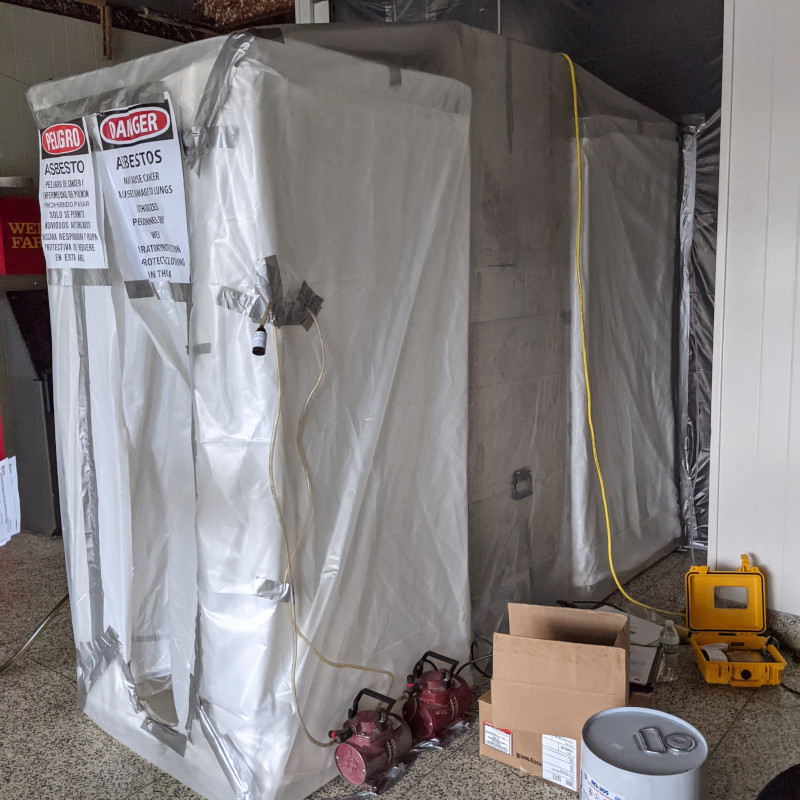
Always work with EPA-certified firms who hold the proper training and equipment to perform lead abatement safely. These specialists utilize high-efficiency particulate air (HEPA) vacuums, negative-pressure containment zones, and specialized wet-cleaning techniques to ensure that no lead dust remains in your living space once the work is complete.
For a Raleigh property-specific scope, review Remtech's lead-based paint removal services in Raleigh before scheduling work.
For experienced, certified, and fully insured environmental remediation services in Raleigh, contact Remtech Environmental today for a free consultation.