
Have you been dealing with a persistent cough or allergy symptoms that just won't quit, especially at home? Or maybe you’ve noticed a lingering musty smell you can’t seem to locate. These could be signs of a hidden problem: white mold. While it may look less intimidating than its darker cousins, the question of is white mold dangerous is one every homeowner should take seriously. Exposure to its airborne spores can trigger a range of health issues, particularly for children and the elderly. We’ll explore the real health risks of white mold and explain how to spot it before it becomes a bigger issue.
Key Takeaways
- Treat all mold as a potential risk: White mold is a clear sign of a moisture problem, and its color doesn't make it any less harmful than other types. Any mold can trigger allergic reactions and respiratory issues, so it's important to address it quickly.
- Focus on moisture control for prevention: The best defense against mold is keeping your home dry. Fix leaks immediately, improve ventilation in bathrooms and basements, and use a dehumidifier in damp spaces to create an environment where mold can't grow.
- Recognize when a job is too big for DIY: You can clean a small spot (less than 10 square feet) with proper safety gear, but you should call a professional for larger infestations. Experts are necessary when mold keeps coming back, you smell a musty odor without seeing mold, or you notice structural damage.
What Is White Mold?
If you’ve spotted a white, fluffy substance growing in your home, you might be looking at white mold. Simply put, white mold is a type of fungus that can appear powdery, fuzzy, or even cottony. It’s not a specific species of mold, but rather a general term for many types of mold that can grow in a whitish color. Think of it as a catch-all name for any mold that happens to be white.
The presence of white mold is almost always a red flag for a moisture problem. It thrives in damp, humid environments, which is why you’ll often find it in places like basements, crawl spaces, attics, and bathrooms. Essentially, any area with excess water or lingering humidity can become a breeding ground. If you see white mold, it’s a clear sign that you need to investigate the source of the moisture to prevent further growth and potential damage. Addressing the underlying water issue is the first step in any effective mold removal plan.
How to Identify White Mold
At first glance, white mold can be tricky to identify, especially on light-colored surfaces where it tends to blend in. Look for patches that appear fuzzy, stringy, or powdery. While it’s called "white" mold, its color can actually range from bright white to a more grayish or creamy hue. One of the most telling signs isn’t what you see, but what you smell. White mold often gives off a distinct musty, earthy odor, similar to the smell of damp soil or rotting leaves. If a part of your home smells persistently damp even when it’s dry, it’s worth taking a closer look for hidden mold growth.
Is It White Mold or Something Else?
It’s easy to confuse white mold with a couple of other common household substances: mildew and efflorescence. Mildew is also a type of fungus, but it typically grows on the surface of things and looks flat and powdery. Efflorescence, on the other hand, isn’t mold at all. It’s a harmless, crusty salt deposit that forms when water evaporates from concrete, brick, or stone, leaving the minerals behind. The key difference is that efflorescence will dissolve in water and feels brittle, while white mold is a living organism that will not. If you’re unsure what you’re dealing with, it’s always best to get a professional inspection.
Is White Mold Dangerous?
Finding any type of mold in your home can be unsettling, and it’s natural to wonder about the health risks. So, is white mold dangerous? The short answer is yes, it can be. While it might look less alarming than its darker counterparts, the color of mold doesn't determine its potential for harm. Any mold, regardless of its appearance, can release spores into the air that may cause health issues when inhaled.
The truth is, all types of mold have the potential to affect your health and your home's structural integrity. Exposure can trigger a range of physical reactions, from mild allergic symptoms to more severe respiratory problems. The level of risk often depends on the amount of mold present, the length of exposure, and an individual's personal health and sensitivities. Because of these variables, it's always best to treat any mold discovery with caution and address the underlying moisture problem that allowed it to grow in the first place. Taking swift action is key to protecting both your family and your property.
Common Allergic Reactions and Breathing Problems
For many people, the first sign of a mold problem isn't seeing it; it's feeling it. Exposure to white mold spores can cause a variety of allergy-like symptoms that are easy to mistake for a common cold or seasonal allergies. You might experience a persistent dry cough, sneezing, a sore throat, or itchy, red eyes. Some people also develop skin rashes after coming into contact with mold. For those with more sensitive respiratory systems, the effects can be more serious, leading to wheezing, sinusitis, and even breathing difficulties. If these symptoms seem to worsen when you're at home, it could be a sign that you need professional mold removal.
Who Is Most at Risk?
While anyone can be affected by mold, certain groups are much more vulnerable to its effects. Young children, whose immune and respiratory systems are still developing, can have stronger reactions to mold spores. The elderly are also at higher risk, as are individuals with compromised immune systems or pre-existing respiratory conditions like asthma or chronic obstructive pulmonary disease (COPD). For these individuals, even a small amount of mold can trigger significant health problems, turning minor irritation into a serious breathing issue. It’s crucial for anyone in these high-risk categories to avoid environments where mold is present.
Potential Long-Term Health Effects
Ignoring a mold problem doesn't just lead to ongoing discomfort; it can also contribute to more serious, long-term health issues. Chronic exposure to mold has been linked to the development of persistent asthma, memory problems, and ongoing breathing difficulties. Some studies even suggest a connection between long-term mold exposure and mental health challenges like depression and anxiety. These potential effects highlight why it's so important to address mold growth as soon as you find it. If you suspect you have a mold issue, it's wise to contact a professional to assess the situation and ensure it's handled safely and completely.
How to Spot White Mold in Your Home
Finding mold early is one of the best ways to protect your home and your health. But since white mold can be tricky to identify, you’ll need to use all your senses. It often gets mistaken for salt deposits or mildew, so knowing the specific signs to look for is crucial. From its appearance and smell to the places it loves to grow, here’s how you can become a better mold detective in your own home.
What to Look For
White mold often has a distinct appearance, but it can be a bit of a chameleon. Look for spots or patches that appear fuzzy, cottony, or powdery. Its texture can also be stringy or filmy, almost like a fine web. While it starts out white, its color can range from a light gray to a creamy off-white. Don't be fooled if you see other colors, either. Over time, or depending on the surface it's growing on, white mold can even take on a greenish or blackish tint. This is why it's important to investigate any unusual growth, regardless of its exact shade.
Unusual Smells and Physical Symptoms
Sometimes, you'll smell mold before you see it. White mold often produces a distinct musty, earthy odor that smells like damp soil or rotting leaves. If you notice this persistent smell, especially in a poorly ventilated area like a basement or closet, it’s a strong indicator of hidden mold growth. You might also feel its effects. If your allergies seem to flare up at home with symptoms like a stuffy nose, itchy eyes, a dry cough, or a sore throat, it could be a reaction to mold spores in the air. Paying attention to these physical cues is important, as they can signal a problem that needs professional mold removal.
Where White Mold Likes to Hide
White mold thrives in dark, damp environments with poor air circulation. The most common hiding spots are the places in your home that are prone to moisture. Be sure to check your basement, crawl space, attic, and bathrooms thoroughly. Look behind appliances, under sinks, and around window sills where condensation can collect. White mold isn't picky about surfaces, either. It can grow on wood, drywall, carpet, and even on personal belongings like cardboard boxes or old fabrics stored in a damp area. Finding white mold is often a clear sign that you have an underlying moisture issue that needs to be addressed. You can find more tips in our Resource Library.
How White Mold Damages Your Home
Beyond the health concerns, white mold poses a serious threat to the physical structure of your house. It's not just an unsightly nuisance; it's a destructive force that can compromise the materials your home is built from. Because mold is a living organism, it needs a food source to survive and spread. Unfortunately, it finds plenty to eat within your home’s walls, floors, and ceilings. Understanding how this damage happens can help you see why quick action is so important for protecting your investment.
Damage to Wood and Drywall
Think of white mold as an unwelcome guest that eats you out of house and home, literally. It feeds on organic, cellulose-rich materials, and many parts of your house are on its menu. Wood, drywall, and even the paper backing on insulation are primary food sources. As the mold grows, it eats away at these materials, causing them to rot and crumble. This can lead to ugly stains, but more importantly, it weakens the structural integrity of your walls and support beams over time. What starts as a small patch can slowly cause significant structural damage if it isn't addressed properly.
Threats to Your Home's Foundation and Frame
The damage from white mold isn't always visible on the surface. Because it thrives on moisture, its presence often signals a deeper, hidden water problem. The mold can grow deep inside walls, under floorboards, and in crawl spaces, making it difficult to spot until the damage is extensive. When left unchecked, this persistent growth can compromise your home's essential framework and even its foundation. The longer it's allowed to spread, the more it weakens the core components of your house. This is why a professional mold inspection is crucial for identifying the full extent of an infestation and protecting your home's long-term stability.
What Causes White Mold to Grow?
White mold doesn’t just appear out of thin air. It grows when specific conditions in your home create the perfect environment for it to thrive. Understanding these causes is the first step to preventing a bigger problem. Mold needs three key things to survive: a food source (like wood or drywall), the right temperature, and, most importantly, moisture. By managing these factors, you can make your home a much less welcoming place for mold.
The Role of Moisture and Humidity
Moisture is the single most critical ingredient for mold growth. When you find white mold, it’s a clear sign that part of your home is too wet. This excess moisture can come from obvious sources like a leaky pipe, a basement flood, or a roof leak. It can also be more subtle, stemming from high indoor humidity, condensation on windows, or poor ventilation in bathrooms and kitchens. Mold feeds on organic materials, so when moisture soaks into your home’s wood, drywall, or carpeting, it creates a feast. Finding white mold often points to an underlying moisture issue that needs to be addressed to prevent it from returning after cleanup.
How Temperature and Poor Airflow Contribute
While moisture is the main culprit, temperature and airflow play a big role in how quickly mold spreads. Mold loves stagnant, damp air, which is why it’s so common in areas with poor ventilation. Think about basements, crawl spaces, and cluttered closets; these spots often trap humid air, creating an ideal breeding ground. When conditions are just right, with enough moisture and a food source, white mold can begin to grow in as little as 24 to 48 hours. This combination of moisture and poor circulation is why a small leak can quickly turn into a widespread mold problem, especially in the humid climate we have across our North Carolina service areas.
How to Safely Clean Small Patches of White Mold
If you've found a small spot of white mold, say on a windowsill or under a sink, you might be able to handle it yourself. The key word here is small—generally less than 10 square feet. Anything larger, or anything that comes back after cleaning, is a job for the pros. Tackling a small patch requires the right gear and a careful process to avoid spreading spores or exposing yourself to them. Before you grab a sponge, it’s essential to understand that your safety comes first. Following these steps will help you clean the area effectively while protecting your health and your home.
Gather Your Safety Gear
This is non-negotiable. Mold spores can easily become airborne during cleaning and cause respiratory irritation or allergic reactions. Before you start, make sure you have the proper personal protective equipment (PPE). You’ll need an N-95 respirator mask to prevent inhaling spores, rubber gloves to protect your hands, and safety goggles (without side vents) to shield your eyes. Wearing old clothes that you can either wash in hot water or throw away afterward is also a smart move. Don't skip this step; proper protection is the most important part of any DIY mold cleanup.
A Step-by-Step DIY Guide
Once you have your safety gear on, you’re ready to clean. First, prepare the area to contain the spores. Close any doors to the room and turn off your HVAC system to prevent them from circulating through your home. If possible, open a window for ventilation. Next, use a commercial mold remover specifically designed for the surface you're cleaning. Spray it on the affected area and scrub gently with a brush or sponge. When you're done, place all used materials, including the sponge and your gloves, into a heavy-duty plastic bag, seal it tightly, and dispose of it immediately.
Fix the Moisture Problem First
Cleaning away the visible mold is only half the battle. If you don't address the underlying cause, the mold will almost certainly return. Mold needs moisture to grow, so you have to find and fix the source of the water. This could be a leaky pipe, condensation from high humidity, or a small crack in your foundation. Check the area thoroughly for any signs of water damage or dampness. If you can’t find the source or if the mold comes back after you’ve cleaned it, it’s a sign of a bigger issue. That’s when professional mold removal becomes necessary to protect your home and health.
When to Call a Professional for Mold Removal
While tackling a small spot of mold on your own can feel empowering, some situations are best left to the experts. Professional mold remediation isn't just about cleaning what you can see; it's about safely removing the mold, identifying the source of the moisture, and preventing it from returning. If you're on the fence, remember that your health and your home's structural integrity are at stake. A professional team has the right equipment, protective gear, and expertise to handle extensive or stubborn mold problems safely and effectively.
Think of it this way: cleaning the surface is like putting a bandage on the problem. A professional finds the cause of the wound and stitches it up properly. When you’re dealing with something that can impact your family’s well-being, getting it done right the first time is what matters most. If you suspect you have a mold issue that's more than a small surface spot, it's always a good idea to get a professional mold removal assessment.
The Mold Is Widespread or Keeps Coming Back
Size is a major factor when deciding between a DIY project and a professional job. As a general rule, if the mold covers an area larger than 10 square feet (roughly a 3-foot by 3-foot patch), it’s time to call for help. A large infestation suggests a significant underlying moisture problem that needs to be addressed.
Another clear sign is recurrence. If you’ve cleaned a moldy area only to have it grow back, that’s your cue. Persistent mold indicates that the source of the moisture hasn't been fixed, or the initial cleaning didn't fully remove the spores. A professional can trace the problem to its root, ensuring a permanent solution instead of a temporary fix.
You Suspect Hidden Mold or Have Health Concerns
Your health should always be your top priority. If anyone in your household is experiencing unexplained allergies, respiratory issues, or other chronic symptoms, mold could be the hidden culprit. Don't wait for the problem to get worse. Seeking professional help is crucial to protect your family's health and get peace of mind.
You should also call an expert if you suspect mold but can't see it. A persistent musty odor is a classic sign of hidden mold growing behind walls, under floors, or in your attic. Professionals use specialized equipment to detect moisture and find hidden mold colonies without tearing your house apart. An expert inspection can confirm if you have a problem and pinpoint exactly where it is.
You Notice Structural Damage or HVAC Contamination
White mold feeds on organic materials like wood and drywall. Over time, this can cause serious structural damage, weakening your home from the inside out. If you see warped walls, crumbling drywall, or softened wood near a damp area, it’s a sign that the mold has been there for a while and is compromising your home’s integrity. This is not a surface-level issue and requires immediate professional attention.
Your HVAC system can also become a breeding ground for mold. If you suspect mold in your air ducts, it’s a serious concern because the system can circulate spores throughout your entire home. This can turn a localized issue into a widespread contamination problem. Never try to clean HVAC mold yourself; always call a professional who can safely and thoroughly clean the system.
How to Prevent White Mold Growth
The best way to deal with white mold is to stop it from growing in the first place. Since mold thrives in specific conditions, you can make your home less inviting by managing moisture and airflow. A few proactive habits can save you a lot of trouble down the road by keeping your home dry, fresh, and mold-free. Taking these steps helps protect not only your property but also your family’s health.
Think of it as simple home maintenance. By staying on top of potential problem areas, you can prevent the damp, stagnant conditions that white mold loves. Here are the most effective strategies to keep your home protected.
Control Your Home's Moisture Levels
Moisture is the number one thing mold needs to grow. Excess moisture can come from obvious sources like leaky pipes or a flooded basement, but it can also build up from high humidity. Your top priority should be to eliminate any sources of unwanted water. Regularly check under sinks, around windows, and in your attic for any signs of leaks and fix them right away.
If you have naturally damp areas like a basement or crawl space, run a dehumidifier to keep humidity levels in check. It’s also a good idea to clean up spills as soon as they happen. If you experience significant water issues, professional water damage restoration can ensure the area is dried out completely, preventing future mold problems.
Improve Ventilation and Perform Regular Checks
Stagnant air traps moisture, creating the perfect environment for white mold to settle in. Improving your home's airflow is a simple but powerful prevention tool. Make a habit of opening windows to let fresh air circulate, especially after showering or cooking. Use exhaust fans in your kitchen and bathrooms to pull damp air outside, and make sure your home’s air vents aren’t blocked by furniture.
White mold often appears in dark, undisturbed places with poor airflow, like the back of a closet or in the basement. Get into the habit of regularly checking these spots for any fuzzy, white patches. If you find something suspicious during your checks, it’s always best to get a professional opinion on the next steps for mold removal.
Frequently Asked Questions
Is white mold less dangerous than black mold? This is a common question, and it’s easy to assume that a lighter-colored mold is less of a threat. The truth is, the color of mold doesn’t determine its potential to cause health issues. Any type of mold, regardless of its shade, can release spores that trigger allergic reactions and respiratory problems in sensitive individuals. The focus should always be on addressing the mold growth itself and the moisture problem causing it, not on what color it is.
Can I just use bleach to clean white mold? Many people reach for bleach, but it's often not the best solution for mold, especially on porous surfaces like drywall or wood. Bleach can kill surface mold, but its water-based formula can soak into the material and sometimes feed the mold's deeper roots, causing it to grow back. For a small, non-porous surface, it might work, but for most situations, a dedicated mold removal product or professional help is a much safer and more effective choice.
What's a simple test to tell if it's white mold or efflorescence? It can be tough to tell the difference just by looking. Here’s a quick test you can do: put on some gloves and spray a small amount of water on the white substance. If it’s efflorescence, which is just a salt deposit left by evaporating water, it will dissolve. If it’s white mold, it won’t dissolve and will likely just get wet. This simple trick can help you figure out what you're dealing with.
If I clean a small spot of mold, is it really gone for good? Cleaning the visible mold is a great first step, but it doesn't guarantee the problem is solved. Mold will return if its water source is still there. Think of the visible spot as a symptom of a deeper issue, like a slow leak, high humidity, or poor ventilation. To make sure the mold is gone for good, you have to find and fix whatever moisture problem allowed it to grow in the first place.
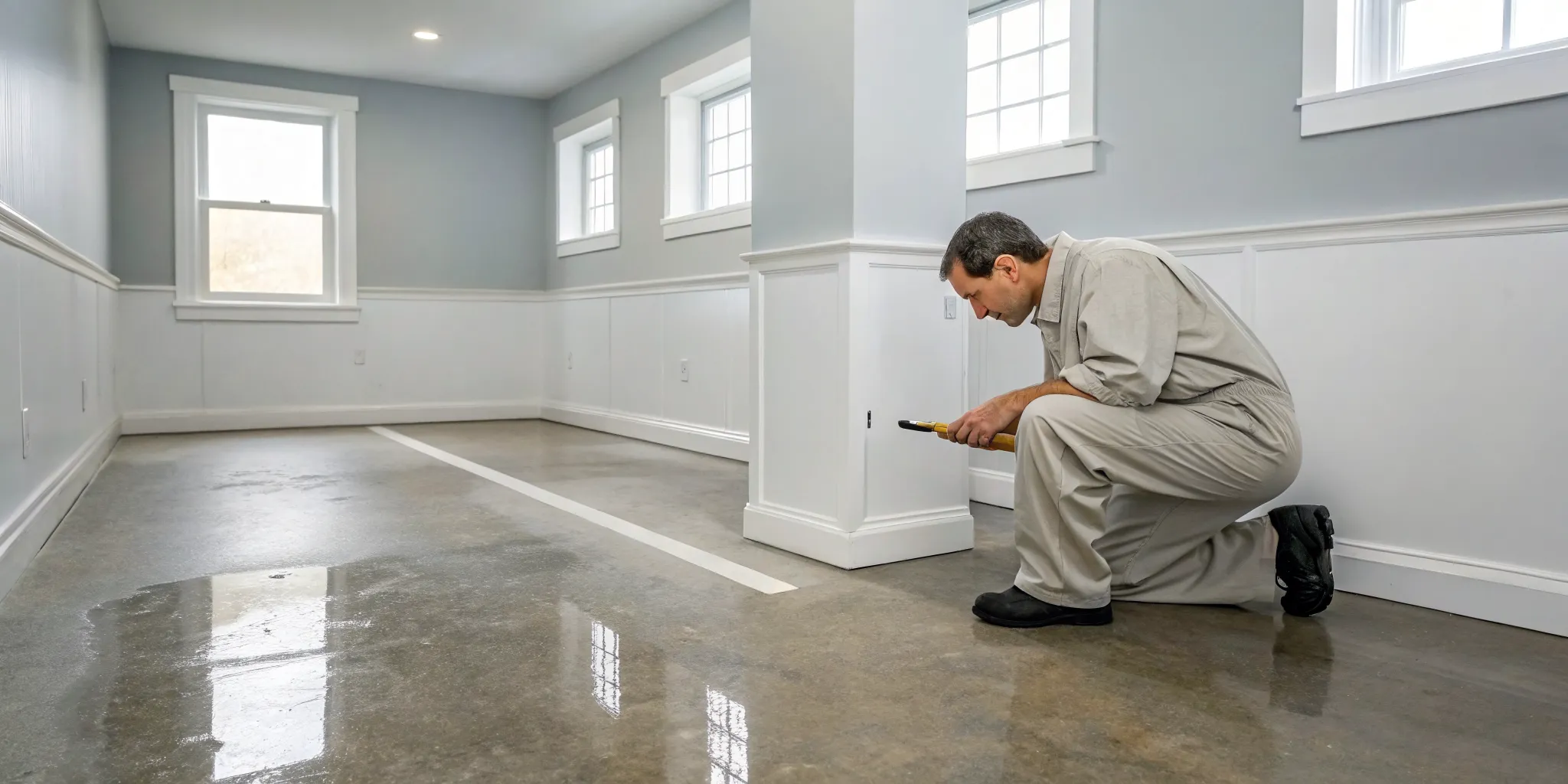
What happens during a professional mold inspection? A professional inspection goes far beyond what you can see on the surface. An expert will conduct a thorough visual assessment of your property, looking for signs of mold and water damage. They often use tools like moisture meters and thermal imaging cameras to detect hidden moisture in walls or under floors. The goal is to identify the full extent of the mold growth and, most importantly, to pinpoint the source of the moisture so a complete and effective remediation plan can be created.