
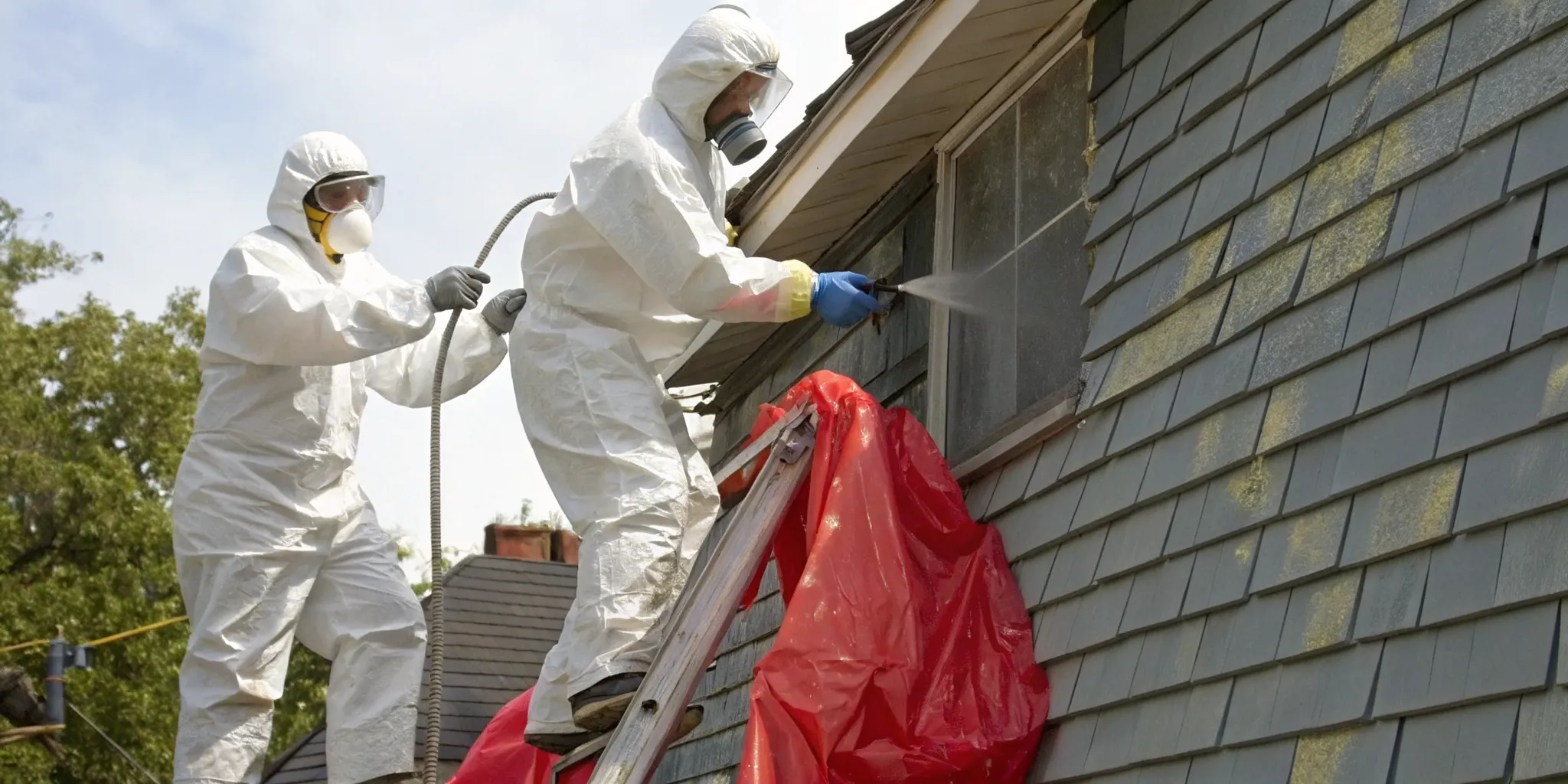
Owning an older home comes with a unique charm and, sometimes, a few unique challenges. Asbestos siding is one of them. Used for decades as a durable, fire-resistant building material, it’s a common feature on houses built before the 1980s. While the siding is generally safe when left undisturbed, its condition can change over time, leaving you to decide on the best course of action. This decision often comes down to two key factors: safety and budget. To plan effectively, you need a clear picture of how much to remove asbestos siding versus other options like encapsulation. We’ll explore the variables that affect the price and help you weigh your choices for your North Carolina home.
Key Takeaways
- Condition Determines the Risk: Asbestos siding is only hazardous when its fibers become airborne. If your siding is intact and undamaged, the asbestos is safely contained, and leaving it alone is a valid and often recommended option.
- Evaluate Your Three Main Choices: You don't have to default to complete removal. Consider encapsulation, which involves safely covering the siding, or professional abatement for a permanent solution. Both are effective ways to manage the material.
- Never Attempt DIY Removal: Handling asbestos is not a weekend project due to severe health risks and strict disposal laws. Always hire a licensed, insured, and certified asbestos abatement professional to ensure the job is done safely and legally.
What Is Asbestos Siding and Is It Dangerous?
If you own an older home, you might have heard whispers about asbestos siding. The word "asbestos" alone can be alarming, but finding it on your home’s exterior doesn’t automatically mean you have a crisis on your hands. Understanding what it is, when it poses a risk, and what your obligations are is the first step to making a smart, safe decision for your property. The danger isn't in the siding's presence, but in its condition.
A Quick History of Asbestos Siding
If your home was built before the 1980s, there’s a good chance it could have asbestos siding. For decades, asbestos was a builder's dream material. It’s a naturally occurring mineral fiber that’s incredibly strong, fire-resistant, and great for insulation. To make siding, manufacturers would mix asbestos fibers with cement, creating a durable and affordable product that could withstand the elements. It was used widely across the country until its health risks became widely known and its use was phased out in the late 1970s.
When Does Asbestos Siding Become a Hazard?
Here’s the most important thing to know: asbestos siding is generally considered safe as long as it’s in good condition. The asbestos fibers are locked tightly within the cement material. The danger arises when the siding is damaged, disturbed, or deteriorates. Activities like drilling, sawing, sanding, or even aggressive pressure washing can break the material down. This releases microscopic asbestos fibers into the air, which can be inhaled and lead to serious health issues like lung cancer and mesothelioma. If your siding is cracked, crumbling, or broken, it's time to call in a professional for an asbestos abatement assessment.
Your Legal Responsibilities as a Homeowner
When it comes to selling a home, honesty is the best policy, especially with asbestos. While it is legal to sell a house with asbestos siding in North Carolina, you are required to disclose its presence if you are aware of it. Failing to do so can lead to legal trouble down the road. Interestingly, you are not legally required to test for asbestos before a sale if you don't already know it's there. You also aren't obligated to pay for removal for a potential buyer, but it often becomes a point of negotiation. If you have any doubts, it's wise to contact a professional for guidance on testing and your options.
How Much Does Asbestos Siding Removal Cost?
Figuring out the budget for asbestos siding removal can feel overwhelming, but it’s a necessary step to protect your home and family. The total cost is a significant investment, as it involves specialized labor, safety equipment, and specific disposal procedures. Prices can vary quite a bit based on your home's size, the condition of the siding, and even your location within North Carolina.
Think of it less as a simple home repair and more as a specialized environmental service. The price reflects the expertise required for safe asbestos abatement. To give you a clearer picture, let’s break down the costs you can expect, from the price per square foot to potential surprises that might pop up along the way. This will help you prepare a realistic budget and know what to ask when you start gathering quotes.
Average Cost Per Square Foot
On average, you can expect the cost of removing asbestos siding to fall between $5 and $15 per square foot. Most homeowners find their project lands somewhere around the $8 per square foot mark. This price covers the careful labor of trained professionals, the setup of a contained work area to prevent fiber release, and the proper bagging and transport of the hazardous material. Keep in mind that this is a general range. A project with easy-to-access siding on a single-story home will likely be on the lower end of that scale.
Cost Estimates by Home Size
To make that per-square-foot price more tangible, let's look at a common house size. For a typical 1,500-square-foot home, the total cost for asbestos siding removal usually ranges from $7,500 to $22,500. The average cost often settles around $12,000. This estimate generally includes the entire process from start to finish: the careful removal of every siding panel, secure containment, and legal disposal at a designated facility. Seeing the total project cost helps you understand the full financial scope and plan accordingly for this important home safety upgrade.
Potential Hidden Costs to Watch For
When you remove old siding, you might uncover issues the siding was hiding. The most common and costly surprise is rotted wood sheathing or structural damage underneath. One homeowner shared a story about a friend whose bill ballooned to nearly $100,000 after discovering extensive wood rot. While that’s an extreme case, it’s wise to have a contingency fund for potential repairs. To get a fair price and avoid surprises, it’s a great idea to get estimates from at least three different certified companies. This lets you compare their processes and pricing before you commit to a contractor.
What Factors Affect Removal Costs?
Figuring out the cost of asbestos siding removal isn't as simple as looking up a price per square foot. Several key factors influence your final quote, making each project unique. The total cost depends on the specifics of your home, the condition of the siding, and even local regulations. Understanding these variables will help you get a clearer picture of the potential investment and prepare you for conversations with professional contractors. Let's break down the main elements that determine the price.
Project Size and Siding Condition
The most significant factors are the size of your home and the state of the siding. A larger house with more siding will naturally cost more to handle. For example, a 1,500-square-foot home could see removal costs ranging from $7,500 to over $22,000. Why the wide range? The condition of the siding plays a huge role. If the siding is intact, removal is more straightforward. However, if it's cracked or crumbling, the work becomes more complex. Professionals must take extra precautions to prevent asbestos fibers from becoming airborne, which increases labor and safety measures, affecting the overall cost of asbestos abatement.
Your Property's Accessibility
How easy is it for a crew to get to your siding? The accessibility of your property can directly impact the price. If your home is on a steep hill, has extensive landscaping against the walls, or is a multi-story building with hard-to-reach eaves, the job gets more complicated. Crews may need special equipment like lifts or scaffolding to work safely. These logistical challenges require more time and resources, which will be reflected in your quote. The best way to get an accurate estimate that accounts for your property's unique layout is to have a professional assess the site in person.
Local Labor, Disposal Fees, and Permits
Beyond the work on your property, several external costs contribute to the final price. Labor rates vary by location, and asbestos is a hazardous material that requires special handling. It can't go to the local landfill; it must be transported to a licensed facility, which charges fees from $50 to $200 per cubic yard. Additionally, most municipalities require permits for asbestos removal to ensure it's done safely. A professional contractor will handle this for you, but the costs for permits and proper disposal will be part of the total expense. This is why working with a team familiar with your local service area is so important.
Remove, Encapsulate, or Leave It Alone?
Once you've confirmed you have asbestos siding, you face a big decision: what to do about it. The answer isn't always straightforward and depends heavily on your siding's condition, your budget, and your long-term plans for the property. You generally have three paths you can take. Let's walk through each option so you can figure out the best approach for your home and family.
Option 1: Professional Removal
This is the most permanent solution. Professional removal involves a certified team completely taking down and disposing of all asbestos siding from your home. Because it eliminates the hazard for good, it’s also the most expensive route. Costs can average around $8 per square foot, which means a 1,500-square-foot home could cost between $7,500 and $22,500. This process is complex and generates hazardous dust, which is why you should never attempt it yourself. A licensed team will follow strict safety protocols to contain the area and ensure no fibers are released. If you want total peace of mind and have the budget, complete asbestos abatement is the most thorough choice.
Option 2: Encapsulation (Covering or Sealing)
If removal isn't in the budget, encapsulation is an excellent alternative. This process involves covering the asbestos siding with a new material or sealing it with a special coating. A common approach is to install new vinyl siding directly over the asbestos, which safely contains the fibers and gives your home a fresh look. Encapsulation is much more affordable than removal, typically costing between $2 and $6 per square foot. It effectively prevents the asbestos from being damaged or disturbed, which is the main source of risk. While it doesn't eliminate the asbestos, it contains it safely. If you're unsure whether this is the right fit for your property, you can always get a professional opinion to assess the situation.
When Is It Safe to Leave Asbestos Siding in Place?
Believe it or not, the safest and most common advice is often to do nothing at all. Asbestos is only dangerous when its fibers become airborne and can be inhaled. If your siding is in good condition, without any cracks, chips, or crumbling, the fibers are safely bound within the material. Problems only start when the siding is drilled, sawed, sanded, or otherwise damaged. If you choose to leave it, you should perform regular visual checks to ensure it remains intact. A professional inspection can give you a clear assessment of your siding's condition and help you monitor it over time, ensuring your home stays safe without the immediate cost of removal or encapsulation.
Can You Remove Asbestos Siding Yourself?
When you discover asbestos siding on your home, your first thought might be about how to get rid of it quickly and cheaply. It’s tempting to add it to your weekend project list, but this is one job you should never tackle on your own. The risks are simply too high, not just for your health but also for your wallet.
Professionals have the training, specialized equipment, and knowledge of regulations to handle asbestos safely from start to finish. Let’s break down why calling in an expert is the only safe and responsible choice for your home and family.
The Legal and Safety Risks of DIY Removal
Trying to remove asbestos siding yourself is incredibly dangerous. When disturbed, asbestos releases microscopic fibers into the air. As The Asbestos Institute puts it, "All types of asbestos are harmful if you breathe them in. Never try to remove it yourself." Inhaling these fibers can lead to serious, long-term health issues, including lung cancer and mesothelioma. Without proper containment and protective gear, you could easily contaminate your home, yard, and neighborhood, putting your family and others at risk.
Beyond the health hazards, you could also face legal trouble. Many states and local governments have strict laws governing how asbestos must be handled and disposed of. Failing to follow these rules can result in significant fines. This isn't just a matter of following guidelines; it's about protecting the community from hazardous waste.
Why Hiring a Pro Is the Safest Choice
The safest way to deal with asbestos siding is to hire a licensed professional. Certified asbestos abatement contractors are trained to manage the entire process without exposing anyone to dangerous fibers. They use specialized equipment, create sealed work areas, and follow strict procedures for removal and disposal. This ensures the material is handled correctly from the moment they start until it’s safely transported to an approved facility.
Even if your siding appears to be in good shape, it's wise to get a professional opinion. As Fixr.com notes, undamaged siding is generally safe because the fibers aren't being released. However, a trained expert can properly assess the condition and determine the best course of action. Choosing a professional gives you peace of mind that the job is done right, keeping your family safe and your property compliant with the law.
What to Expect During the Removal Process
Knowing your home has asbestos siding can be stressful, but the removal process itself doesn’t have to be. When you work with a certified team, the procedure is methodical, safe, and designed to protect you and your property. It’s a highly regulated process that leaves no room for error. While every project is a little different, a professional removal always follows three core steps: preparing the site, safely removing the material, and verifying that the air is clean. This structured approach ensures that once the job is done, your home is truly safe.
Step 1: Site Prep and Containment
Before any siding comes off the wall, the first priority is containment. Your professional crew will create a secure, sealed-off work zone around the removal area using heavy-duty plastic sheeting. They’ll also post warning signs to keep everyone safe. This step is critical for preventing asbestos fibers from spreading to other parts of your property or yard. The team may also use special equipment, like negative air machines with HEPA filters, to ensure that air flows into the work zone, not out of it. This meticulous preparation is a hallmark of a professional asbestos abatement service and is essential for a safe and successful project.
Step 2: Safe Removal and Disposal
Once the area is fully contained, the crew, dressed in full personal protective equipment (PPE), will begin the removal. This is not a demolition job. Technicians use specific methods to minimize fiber release, such as wetting the siding to keep dust down and carefully prying the materials off. The asbestos-containing siding is then immediately sealed in specially labeled, leak-proof bags. These materials can’t be thrown out with your regular trash. Your contractor will handle the transportation and disposal according to strict federal and state regulations, ensuring the asbestos is taken to a licensed facility equipped to handle hazardous waste.
Step 3: Air Quality Testing and Final Clearance
After all the siding has been removed and the area has been thoroughly cleaned, there’s one final, crucial step: air clearance testing. This isn't just a visual inspection. A third-party industrial hygienist will typically take air samples from inside and around the work area. These samples are sent to a lab and analyzed to confirm that the air is free of asbestos fibers and meets EPA safety standards. Only after receiving a passing air quality report will the containment barriers be taken down. This final verification gives you documented proof and complete peace of mind that your home is safe. If you have any concerns, you can always contact a professional to discuss the process.
How to Choose the Right Asbestos Contractor
Finding the right contractor is one of the most important decisions you’ll make in this process. This isn’t the time to simply go with the cheapest quote. You’re looking for a team with proven experience, a commitment to safety, and transparent communication. The right partner will not only remove the hazard but also give you peace of mind that the job was done correctly from start to finish. Taking the time to vet your options ensures your home and family are in safe hands.
Check for Licenses and Certifications
Before you even look at a quote, your first step should be to verify a contractor’s credentials. In North Carolina, professionals who handle asbestos must be properly licensed and certified. This isn't just red tape; it’s your assurance that the team has the right training to handle this hazardous material safely and legally. A licensed contractor understands the specific state and federal regulations for containment, removal, and disposal.
Don’t be shy about asking for proof of their license and insurance. A reputable company will have this information ready to share. Hiring a certified professional ensures they follow strict protocols to prevent cross-contamination and protect your property. This is a critical step in confirming you’re working with a true asbestos abatement expert.
Questions to Ask Before You Hire
Once you’ve confirmed a contractor is licensed, it’s time to ask some specific questions. Think of this as an interview to make sure they’re the right fit for your project. A clear, detailed contract is essential to avoid any surprises down the road. Make sure you get everything in writing before work begins.
Here are a few key questions to ask:
- Can you provide an itemized quote that breaks down all costs?
- What is your specific process for site containment and air monitoring?
- How will you legally dispose of the asbestos-containing materials?
- What is the estimated timeline for the project?
- Can you provide references from past clients?
Getting clear answers to these questions will help you feel confident in your choice. If a contractor is vague or unwilling to put details in writing, consider it a red flag. Feel free to contact us with your questions; we believe in total transparency.
Get Help From a North Carolina Asbestos Pro
I can’t say this enough: asbestos removal is never a DIY job. The health risks are far too serious. When asbestos siding is disturbed, it releases microscopic fibers into the air that, if inhaled, can cause life-threatening diseases years later. Professionals use highly specialized equipment, including personal protective gear, HEPA vacuums, and negative air pressure machines, to keep the work area contained and your family safe.
Beyond the safety risks, there are also strict regulations for how asbestos must be handled and disposed of. A qualified North Carolina asbestos professional knows exactly how to manage this process to comply with the law. Trusting an expert not only protects your health but also ensures the job is done right the first time, preventing future liability and contamination issues.
Related Articles
- Asbestos Siding, Greensboro, NC | Remtech Environmental
- Asbestos Removal Cost, Greensboro | Remtech Environmental
- Asbestos Removal Cost, Apex, NC | Remtech Environmental
- Asbestos Removal, Winston-Salem, NC | Remtech Environmental
- Asbestos Removal, Apex, NC | Remtech Environmental
Frequently Asked Questions
How can I tell if my siding is asbestos, and do I really need to get it tested? Visually identifying asbestos siding is very difficult because it often looks like traditional cement fiber siding. The only way to know for certain is to have a sample professionally tested. If your home was built before the 1980s and has a shingle-style siding with a slightly chalky texture, it's worth investigating. A certified professional can safely collect a sample without releasing fibers and get you a definitive answer.
My siding seems to be in good shape. Is it really necessary to remove or cover it? If your asbestos siding is in excellent condition, with no cracks, chips, or crumbling areas, the safest and most recommended action is often to leave it alone. The asbestos fibers are only dangerous when they become airborne, and intact siding keeps them safely contained. The key is to monitor it regularly for any signs of damage and avoid activities like pressure washing, drilling, or sanding that could disturb the material.
What's the main difference between encapsulation and removal, and why would I choose one over the other? Think of it as a choice between a permanent fix and a safe containment strategy. Professional removal completely eliminates the asbestos from your property, offering total peace of mind, but it is the most expensive option. Encapsulation, which involves covering the siding with a new material like vinyl, is a more budget-friendly alternative. It safely seals the asbestos, preventing fiber release, but the material technically remains on your home. Your choice often comes down to your budget and long-term goals for the property.
Why is professional asbestos removal so expensive? The high cost reflects the fact that this is a specialized safety service, not a standard home renovation project. The price covers much more than just labor. It includes the cost of highly trained and licensed workers, extensive containment setups to protect your home and yard, special equipment like HEPA filters, and legally required disposal fees at designated hazardous waste facilities. You are paying for a meticulous process that guarantees the safety of your family and community.
I'm planning to sell my house soon. Do I have to remove the asbestos siding first? In North Carolina, you are not legally required to remove asbestos siding before selling your home. However, if you are aware of its presence, you must disclose that information to potential buyers. The existence of asbestos siding frequently becomes a point of negotiation during the sale, where a buyer might ask for a credit or a price reduction to cover future removal costs.