
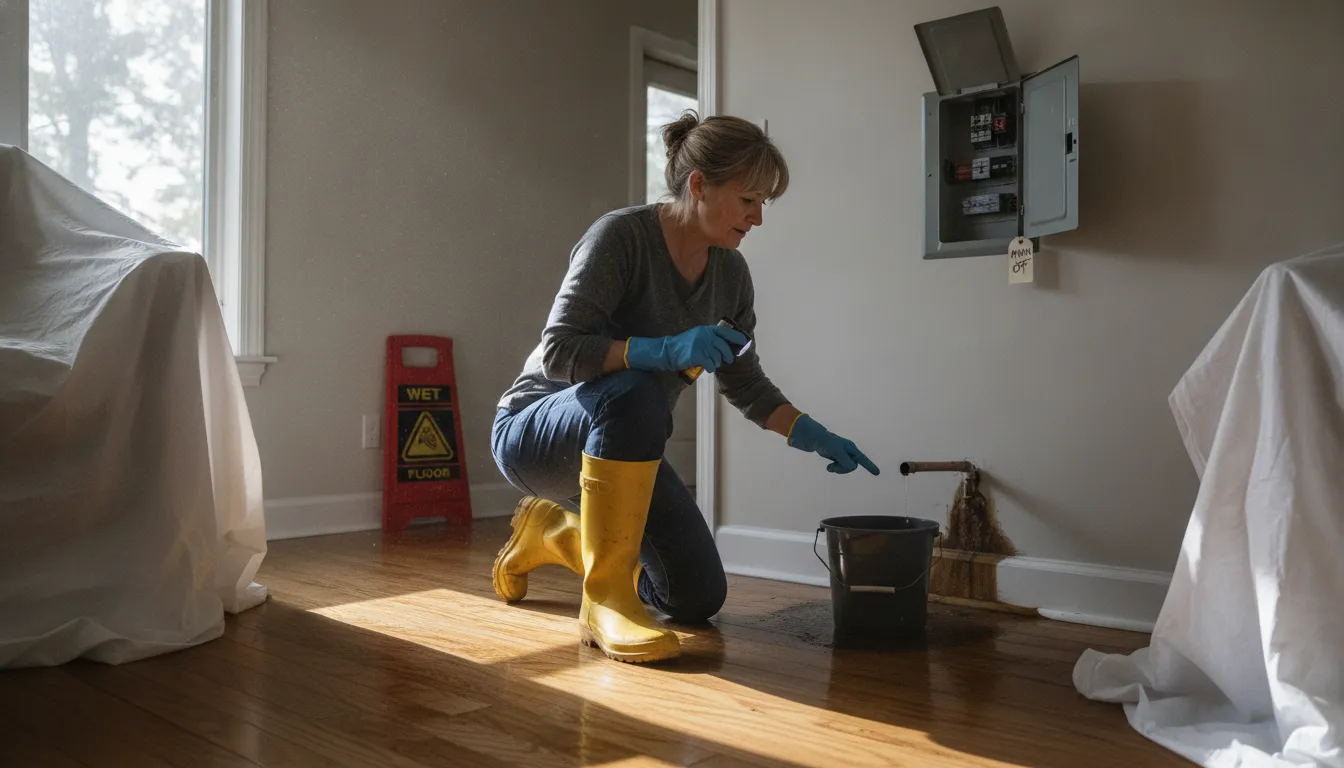
Unwanted water in a building calls for calm, safety-first decisions. The right first steps protect people, help a qualified mitigation provider work efficiently, and preserve useful information for your insurer.
Emergency water removal is the immediate extraction and drying work performed after a leak, overflow, or other water intrusion. Put safety first, stop the source only if you can do so safely, and contact a qualified water mitigation provider. Document affected areas and notify your insurer as appropriate. Remtech Environmental does not provide water removal, flood response, or 24/7 emergency response. After mitigation, Remtech can assess and remediate appropriate mold, asbestos, or lead-based paint concerns.
You may want to begin cleanup immediately, but the safest first move is to pause and assess electrical, structural, and contamination hazards.
Emergency water removal starts with safety, not cleanup
Emergency water removal starts with controlling danger before touching wet materials. Remtech Environmental recommends staying out of standing water near electrical sources, stopping the source only when it is safe, and contacting a qualified water mitigation provider for extraction. Remtech does not provide water removal, flood response, or 24/7 emergency response.
Immediate hazards at the site
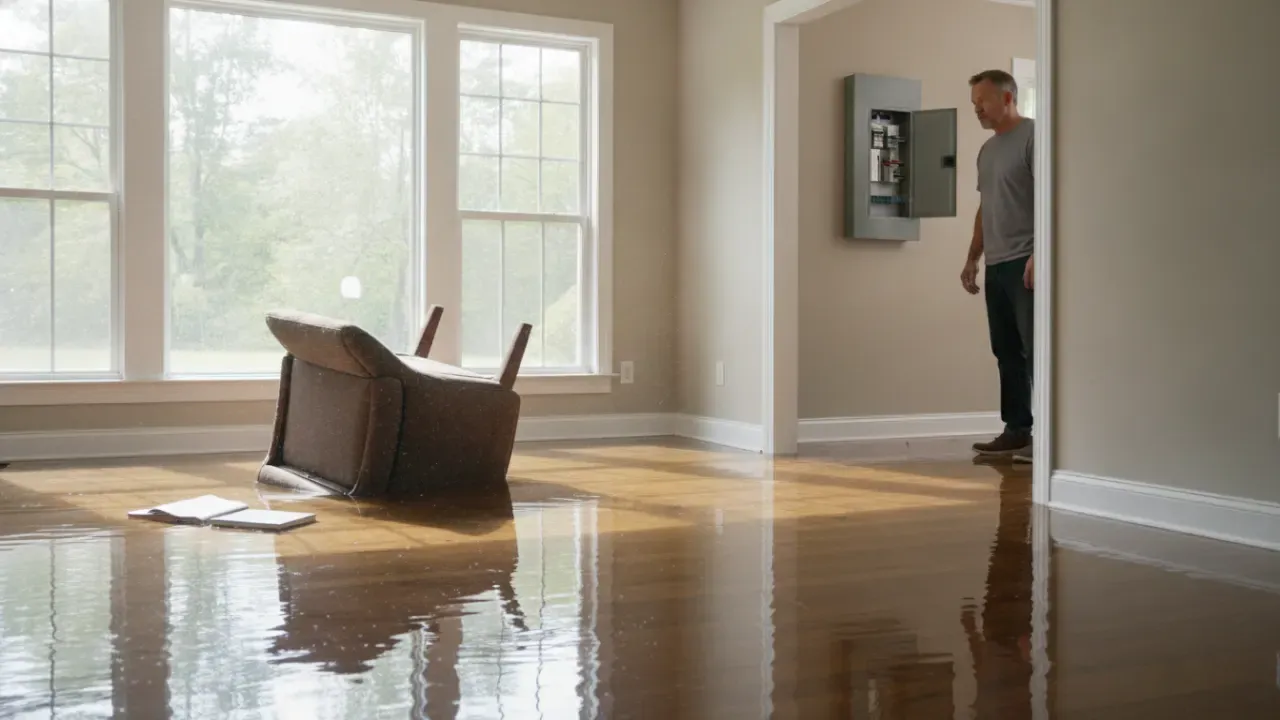
The first step is to look for power risks. Never walk into a room with standing water if the power is still on. You should turn off the main power at the breaker box if it is safe to reach. If you must walk through water to get to the box, do not do it. Call a pro or your power company for help. Water and power are a deadly mix that can cause shocks or fires.
Check for building frame issues too. Heavy water can make floors or ceilings weak. If you see sagging parts of the house, stay out. You also need to watch out for gas leaks. If you smell gas, leave the building at once. Do not use any tools that could make a spark. If you use a portable generator for power, keep it outside. It must stay at least 20 feet away from any door or window to prevent carbon monoxide poisoning (EPA).
Sorting the water source
Not all water is the same. You need to know where the water came from before you touch it. Clean water from a broken pipe or a leaky sink is Category 1. This water does not have sewage or chemicals in it. You can often clean this up yourself if the area is small. But you must act fast. Materials damaged by clean water should be dried within 24 to 48 hours to stop mold growth (NIH).
Gray or black water is much more dangerous. This includes water from toilets, dishwashers, or ground floods. This water can have germs and waste that make you sick. If the water is dirty, you should not try to clean it yourself. You need a team with the right gear to keep you safe.
When to seek expert help
If you have a major flood, you need help fast. You should call a local company that does fast water extraction. They have the pumps to pull water out of your house. Once the standing water is gone, you can look for visible mold warning signs. This is where a team like Remtech can help. We focus on the steps after the initial flood to keep your air clean and your home safe.
You may also need a pro if you cannot find the leak. A small drip behind a wall can lead to big problems. If you see wet spots but do not know why, a pro can find the source. Acting now saves money later. It stops rot and keeps your family healthy. Taking the right steps today keeps your home in good shape for years.
What should you do in the first 24 hours?
During the first 24 hours, protect people first, stop the source when safe, document the damage, notify your insurer, and arrange professional extraction and drying. Remtech Environmental recommends treating widespread, contaminated, or electrically hazardous water as a professional job and avoiding any area that may contain sewage, chemicals, or live electricity.
While you may feel a lot of stress, using a clear plan can help. You should focus on stopping the flow and calling for help right away. Fast work now can save you from big bills and health risks later.
Take safety steps first
Before you do anything, make sure the area is safe. Water and power can be a deadly mix. You should not walk into a wet room if the power is still on.
If you can reach the main switch without risk, turn off the power. Also, stay away from water that may have sewage or germs in it. After you are safe, you can look for an emergency water removal service to help dry the space. These pros have the pumps and tools to clear the mess fast.
- Stop the water source. If a pipe broke, turn off the main water valve. Only do this if you can get to it without walking through deep water.
- Shut off the power. Turn off the gas and lights to the wet areas. This helps stop fires or shocks while you work.
- Protect your family. Keep kids and pets away from the wet rooms. Floodwater can have germs that make people sick.
- Call a pro. Find a local firm for emergency water removal. They can pump out water and dry the floors in a short time.
- Move your goods. Pick up rugs, books, and small things. Move them to a dry spot to stop more damage.
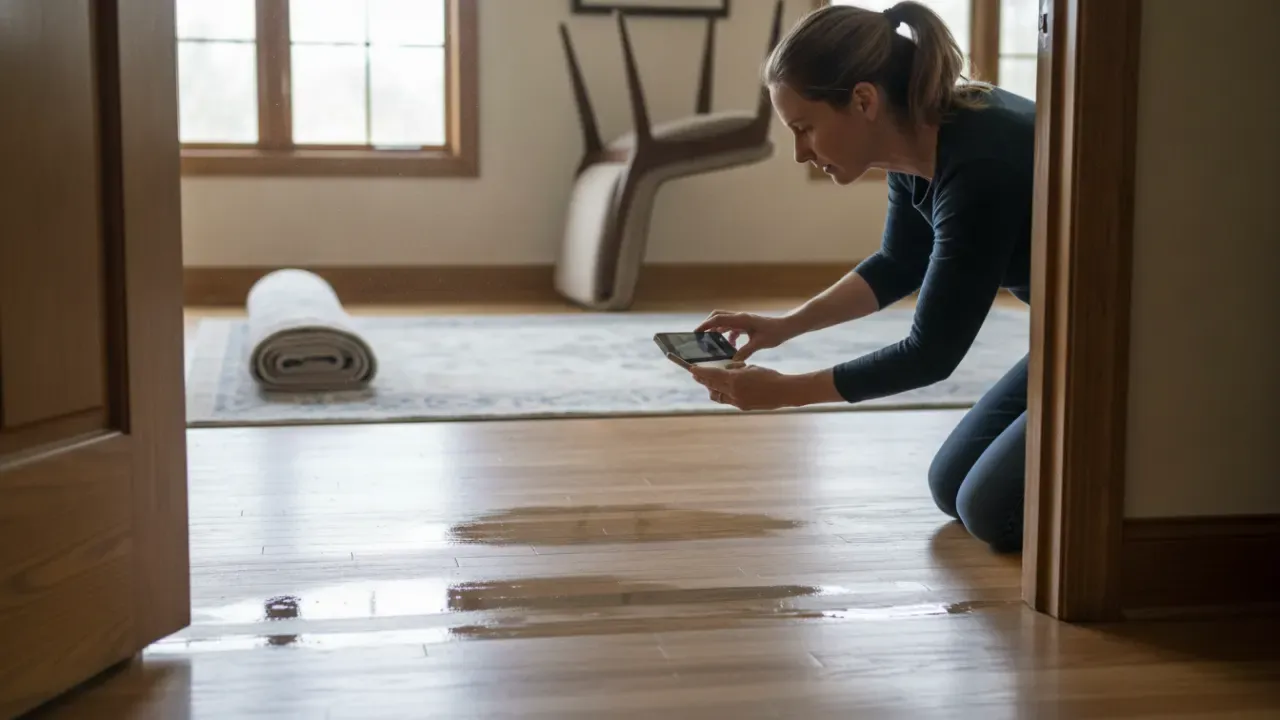
- Record the loss. Use your phone to take photos. Show the water level and all the wet items for your insurance claim.
- Call your agent. Tell your insurance firm about the leak or flood. They will tell you what steps to take next for your claim.
Why the 24-hour mark matters
Timing is the key to stopping mold. Most mold can start to grow on wet wood and drywall in just 24 to 48 hours. According to the CDC, you must dry or remove wet items within this short window.
If you wait too long, you might see what mold damage can look like on your walls or floors. This can lead to breathing issues and costly repairs. The NIH also states that the first day is the best time to stop mold from spreading.
Remtech Environmental does not provide the first water pumping or drying. We focus on the work that keeps your home safe once the water is gone. Our team helps with professional mold remediation to stop spores from growing.
We use high-grade tools to find hidden moisture in your walls. Once the water crew finishes their task, we can check for deep dampness. This ensures your home stays dry and safe for years to come.
If you wait past the 48-hour mark, the risk for mold is much higher. In fact, if you do not know how long the water has been there, you should act as if it has been there for days. This means you need a full check of your home.
You can reach out to our team for a free consultation once the main flooding is over. We will help you find a path to a clean and safe home again.
What kind of water are you dealing with?
The water source determines the safest cleanup approach. Remtech Environmental recommends treating sewage, stormwater, and water with unknown contaminants as unsafe for DIY cleanup. Even initially clean water can become more hazardous as it contacts building materials, remains standing, or reaches areas with potential asbestos, lead-based paint, or mold.
The three levels of water
The first type is clean water. This comes from a broken pipe or a sink that overflows. It does not have germs or waste in it. If the water is clean, you can often start the cleanup yourself. But you must act fast. If clean water sits for too long, it can turn into the next type of water.
The second type is grey water. This comes from things like your dishwasher or washing machine. It might have some soap, dirt, or food bits in it. This water could make you feel sick if you touch it. It is best to let a team handle this type to ensure your home stays safe.
The third type is black water. This is the most risky kind. It comes from sewage, storm floods, or rising river water. It is full of germs, waste, and toxins. You should never try to clean black water on your own. It needs expert mold remediation and deep cleaning to be safe again.
Water source and safety risks
Why does the source matter? Some water carries risks you cannot see. For example, storm water often picks up toxins from the road. Sewage has germs that can make you very ill. Even clean water from a pipe leak can be risky if it hits lead paint or asbestos in old walls. Always think about where the water came from before you touch it.
| Water Type | Common Source | Risk Level | Action Needed |
|---|---|---|---|
| Category 1 | Broken supply pipe | Low | Dry fast |
| Category 2 | Dishwasher leak | Medium | Pro cleanup |
| Category 3 | Sewage or flood | High | Expert only |
When to call for help
If you have widespread or contaminated water, contact a qualified mitigation provider. Once the water is gone, affected materials still need proper drying and verification. The NIH notes that clean water should be dried as soon as possible to limit mold risk.
Remtech does not perform water extraction, structural drying, flood response, or 24/7 emergency response. After mitigation, our team can assess appropriate mold, asbestos, or lead-based paint concerns. Review these possible mold growth after a leak, then contact us if you need help understanding the right next step.
How do you document water damage for insurance?
Clear documentation creates a reliable record of the event and the steps taken to limit further damage. Remtech Environmental recommends photographing the source and every affected area before moving items, recording dates and conversations, saving receipts, and asking the insurance carrier what evidence and approvals it requires before repairs begin.
Take clear photos and videos
Grab your phone before you move anything. Take many photos of the standing water. Show where the water came from, like a burst pipe or a leaky roof. Take wide shots of each room and close-up shots of damage to floors and walls. Video is also helpful. Walk through the house and talk about what you see. This creates a clear record for the insurance adjuster.
Do not throw away wet items yet. The adjuster may want to see them. If you must move things to stop more harm, take photos first. Label each photo with the date and time. The CDC says to dry or remove wet items within 24 to 48 hours to stop mold. Keeping these items until they are seen helps your claim.
Track your costs and receipts
Keep a list of everything you spend. This includes small items like buckets or mops. Save all receipts from contractors. If you buy fans to dry a room, keep that bill too. Put all these papers in one folder. You can also take photos of the receipts so you do not lose them. These costs add up fast, and you want to be paid back.
List any items that are ruined. Write down the brand, the price you paid, and when you bought them. Find old receipts for big items like a couch or rug if you can. This list shows the value of what you lost. Looking for mold damage indicators early helps you find hidden damage for your list.
Speak with your insurance agent
Call your agent as soon as you can. Ask them what your policy covers. Every plan is different, so do not guess. Ask what documents they need. Find out if they have a list of preferred contractors. They might tell you if you need to wait for an adjuster before starting big repairs. Knowing their rules keeps you from making mistakes that could hurt your claim.
Ask about your deductible and how the process works. Write down the name of everyone you talk to and the date of the call. Keep a log of what was said. Once the water is gone and the area is dry, you can get a free quote for the final repair work. This step ensures your home is truly safe from long-term hazards like mold or rot.
What does a water mitigation provider do?
A qualified water mitigation provider stops ongoing damage by extracting standing water, locating hidden moisture, setting up controlled drying equipment, and tracking moisture until materials reach appropriate drying goals. Remtech Environmental is not a water mitigation provider; Remtech addresses separate environmental concerns such as mold, asbestos, and lead-based paint when appropriate.
Role of emergency water removal
The first job is to get the water out. This step is called emergency water removal. A pro team uses big pumps and vacuums to clear standing water. This stops the water from soaking into your walls and subfloors. It is vital to start this in the first 24 to 48 hours to prevent recognizing mold-related damage from appearing.
Remtech Environmental does not offer 24/7 emergency water removal or flood response. If you have a pipe burst or a flood right now, you must call a local emergency team first. They have the gear to pump out water and stop the immediate leak. Once the water is gone and the leak is fixed, you can look at the next steps for your home.
Evaluation and deep drying
A pro does more than just pull out water. They look at how wet the air and materials are. They use tools to find water behind walls where you cannot see it. After the main water is gone, they set up fans and dehumidifiers. This gear pulls moisture out of the air and deep inside wood or drywall. This step is key because wet items can grow mold in as little as 24 to 48 hours according to the CDC.
Experts also check for safety risks. They look for saggy ceilings or electrical hazards. They might use antimicrobial sprays to stop germs from growing. This full check ensures the home is truly dry, not just dry on the surface. If you miss this step, you might need professional mold remediation later on.
What to ask a provider
When you call for help, ask about their tools and plans. A good team should explain how they find hidden wet spots. Ask if they will check the crawl space or attic too. You should also ask how they plan to track the drying progress. Ask for clear drying goals and an explanation of how the provider will confirm that affected materials are ready for the next step.
Remember that extraction is only the start. The scope may also include drying, cleaning, and verification, depending on the source and affected materials. Once the site is dry, Remtech Environmental can assess and remediate mold, asbestos, or lead-based paint concerns that were revealed or disturbed. Remtech does not provide emergency water removal, flood response, or 24/7 response.
When does water damage become an environmental concern?
Water damage becomes an environmental concern when moisture supports mold growth or when cleanup may disturb asbestos-containing materials or lead-based paint. Remtech Environmental can evaluate those concerns after immediate extraction and drying are underway. Not every leak needs environmental remediation, and the appropriate scope depends on the materials and conditions present.
The risk of fast mold growth
Water damage becomes a health issue very quickly. Mold can start to grow on wet wood, drywall, and furniture in just 24 to 48 hours. If you cannot dry the area in that time, the risk to your air quality goes up. This is why the first two days after a leak are the most critical for your property.
If you find examples of mold damage after a leak, request a professional assessment before disturbing affected materials. The appropriate scope depends on the materials, the extent of growth, and moisture conditions. A measured assessment helps identify the right next step without relying on guesswork.
Disturbing hidden hazards
Water can also reveal or disturb older building materials that may contain asbestos or lead-based paint. If suspect materials are damaged or must be removed, pause before cutting, sanding, scraping, or tearing them out. A qualified professional can determine whether testing or controlled remediation is appropriate.
Remtech Environmental provides asbestos abatement services for these specific situations. We do not provide emergency water removal, flood response, or 24/7 response. Instead, our EPA-accredited specialists and IICRC-certified technicians address appropriate environmental concerns after immediate water mitigation.
Remtech's role in your recovery
Our team focuses on planned remediation of mold, asbestos, and lead-based paint. We help property owners in the Triangle, Western North Carolina, and coastal and eastern markets after the immediate water issue is controlled. If you have unwanted water now, contact a qualified water mitigation provider first. Once the standing water is removed and drying is underway, Remtech can assess appropriate environmental concerns.
Remtech's role is distinct from structural drying. We explain findings clearly, recommend a project-specific scope, and perform appropriate environmental remediation without scare tactics or high-pressure sales language. It is part of doing the right work the right way.
What should you avoid after water enters a building?
After water enters a building, avoid electrical hazards, contaminated water, uncontrolled demolition, and cleanup methods that can spread pollutants. Remtech Environmental recommends not using fans around sewage, stormwater, visible mold, or unknown contamination, and not cutting into older building materials until potential asbestos or lead-based paint hazards have been evaluated.
Safety risks with power and water
Never walk into a room with standing water until you are sure the power is off. Water and electricity are a deadly mix. If you cannot reach your fuse box safely, wait for a pro. You should also avoid handling water that may be dirty. Water from floods or sewage can carry bacteria that could make you sick. Proper hand washing is vital if you must touch wet items. If you do not know how long the water has been there, treat it as if it has been there for more than 48 hours.
Errors in drying and cleaning
Many people try to dry a room using small fans. This is often a mistake if the area is already dirty. Fans can blow mold spores or bacteria into other rooms. You should also avoid painting over damp walls or floors. This traps moisture inside, which helps mold grow where you cannot see it. If you find mold warning signs in a home, do not try to tear out the drywall yourself. Tearing out wet parts without the right tools can spread dust through your whole house.
Documentation and disposal mistakes
It is tempting to throw away everything that got wet. But you should avoid tossing items before you take photos or videos for your insurance claim. Keep a list of all losses to help with your report. Before you start any big cleanup, you should contact local experts for help. Remtech Environmental does not provide 24/7 emergency water removal, but we can help with professional mold remediation once the area is dry. Professional drying is the best way to make sure no hidden moisture remains to cause long-term problems.
Frequently Asked Questions
These common questions explain the safest first steps after indoor water damage and when specialized environmental help may be appropriate. Remtech Environmental recommends using a qualified mitigation provider for immediate extraction and drying, then seeking a separate environmental assessment if mold, asbestos, or lead-based paint may complicate cleanup or repairs.
How to dry up water quickly?
First stop the source if it is safe, avoid electrical hazards, and contact a qualified water mitigation provider. Drying methods depend on the water source, affected materials, and contamination risk. Do not use fans in areas with sewage, stormwater, visible mold, or unknown contamination because air movement may spread contaminants. The EPA provides flood cleanup guidance for protecting indoor air.
Can I do water mitigation myself?
A small, clearly clean-water spill may be manageable if there are no electrical, structural, or contamination concerns. Widespread, hidden, sewage, stormwater, or unknown-source water calls for a qualified mitigation provider. Remtech does not provide emergency water removal, flood response, or 24/7 response. We address appropriate mold, asbestos, and lead-based paint concerns after mitigation.
How likely is mold after water damage?
Mold risk increases when materials remain wet. The CDC advises cleaning and drying wet items within 48 to 72 hours when possible. Visible growth, musty odors, or an uncertain moisture history are reasons to request a professional assessment rather than assuming the area is clear.
How much does water mitigation usually cost?
Water mitigation costs depend on the source, extent, affected materials, and drying scope. Ask a qualified water mitigation provider for a project-specific estimate and contact your insurer to discuss your policy. If mitigation reveals mold, asbestos, or lead-based paint concerns, request a separate free quote from Remtech for the appropriate environmental remediation work.
Get a Free Quote for Professional Remediation
Remtech Environmental provides project-specific consultation and remediation for mold, asbestos, and lead-based paint concerns across North Carolina. After a qualified provider handles emergency water removal and drying, Remtech can explain environmental findings and recommend an appropriate scope without scare tactics. Remtech does not provide water removal, flood response, or 24/7 emergency response.
Ready to get a free quote for environmental remediation concerns identified after water mitigation? Contact Remtech Environmental to discuss the right next step.
{"@context":"https://schema.org","@type":"FAQPage","mainEntity":[{"@type":"Question","name":"How to dry up water quickly?","acceptedAnswer":{"@type":"Answer","text":"First stop the source if it is safe, avoid electrical hazards, and contact a qualified water mitigation provider. Drying methods depend on the water source, affected materials, and contamination risk. Do not use fans in areas with sewage, stormwater, visible mold, or unknown contamination because air movement may spread contaminants. The EPA provides flood cleanup guidance for protecting indoor air."}},{"@type":"Question","name":"Can I do water mitigation myself?","acceptedAnswer":{"@type":"Answer","text":"A small, clearly clean-water spill may be manageable if there are no electrical, structural, or contamination concerns. Widespread, hidden, sewage, stormwater, or unknown-source water calls for a qualified mitigation provider. Remtech does not provide emergency water removal, flood response, or 24/7 response. We address appropriate mold, asbestos, and lead-based paint concerns after mitigation."}},{"@type":"Question","name":"How likely is mold after water damage?","acceptedAnswer":{"@type":"Answer","text":"Mold risk increases when materials remain wet. The CDC advises cleaning and drying wet items within 48 to 72 hours when possible. Visible growth, musty odors, or an uncertain moisture history are reasons to request a professional assessment rather than assuming the area is clear."}},{"@type":"Question","name":"How much does water mitigation usually cost?","acceptedAnswer":{"@type":"Answer","text":"Water mitigation costs depend on the source, extent, affected materials, and drying scope. Ask a qualified water mitigation provider for a project-specific estimate and contact your insurer to discuss your policy. If mitigation reveals mold, asbestos, or lead-based paint concerns, request a separate free quote from Remtech for the appropriate environmental remediation work."}}]}