
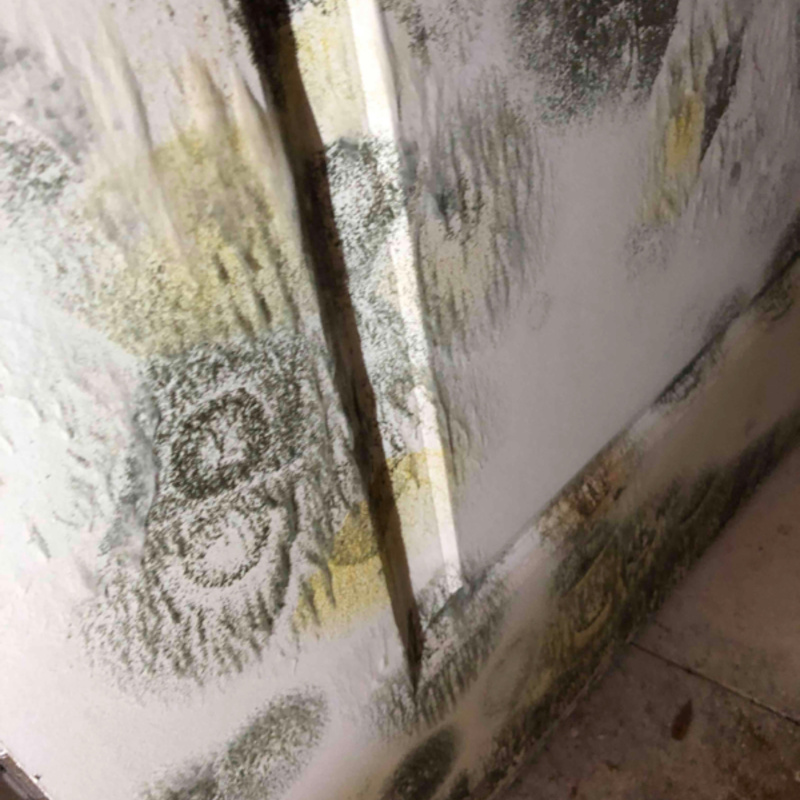
That persistent musty smell in your basement isn't just "basement smell." It’s often the first warning sign of a mold problem that can release harmful spores into the air you breathe. For many families, this can trigger allergy-like symptoms, asthma attacks, and other respiratory issues. When mold growth is widespread, it creates a hazardous environment that calls for emergency mold remediation in basement areas. We’ll explain the real health risks, help you identify the signs of a serious issue, and outline the professional process for making your home’s air safe and healthy once again.
Key Takeaways
- Act on mold immediately: A musty smell or visible growth is an emergency signal. Mold spreads rapidly and can cause health issues, so addressing it right away prevents a small problem from becoming a major one.
- Recognize when to call a professional: A DIY approach isn't safe for large mold patches (over 10 sq. ft.), recurring growth, or issues caused by contaminated water. Experts have the proper equipment to safely remove mold and fix the underlying cause.
- Prevent future mold by controlling moisture: The key to a mold-free basement is keeping it dry. Maintain humidity levels between 30-50%, fix drainage issues around your foundation, and perform monthly checks for leaks or dampness.
What Is Emergency Basement Mold Remediation?
When you find a significant amount of mold in your basement, it’s more than just a cleaning issue; it’s an emergency. Emergency basement mold remediation is a comprehensive process designed to tackle a sudden and widespread mold problem. It’s not just about wiping mold off a surface. True remediation involves identifying and fixing the moisture source, containing the affected area to prevent cross-contamination, removing the mold-infested materials, and cleaning the air to get rid of airborne spores. Think of it as a full-scale response to protect your property and your health.
Unlike simple mold removal, which might just address the visible growth, a professional mold remediation service treats the entire problem. Because mold can cause structural damage and pose serious health risks, a large or fast-growing colony requires an immediate and thorough solution. The goal is to return your basement to a safe, healthy state and ensure the mold doesn't come right back. This process is critical when you’re dealing with mold caused by a flood, a major leak, or any situation where moisture has been allowed to sit for more than a day or two.
Why Mold Loves Your Basement
If your basement were a resort, mold would be its most enthusiastic guest. Basements often provide the perfect trifecta of conditions mold needs to thrive: moisture, a food source, and darkness. Moisture can come from a leaky pipe, foundation cracks, high humidity, or condensation. For food, mold isn't picky; it will happily feast on drywall, wood studs, cardboard boxes, and even the dust on concrete surfaces. Add in the typically dark, stagnant environment of a basement, and you’ve created an ideal breeding ground. This is why routine checks for leaks and dampness are so important for preventing a small issue from becoming a major infestation.
How Quickly Mold Spreads
One of the most alarming things about mold is how fast it can grow. A small, unnoticed water leak can lead to a visible mold colony in as little as 24 to 48 hours. Within 72 hours, those small spots can spread and begin colonizing a much larger area. What starts as a minor problem over the weekend can become a significant contamination by the start of the week. This rapid growth is why a quick response is so important. The longer you wait, the more extensive the damage becomes, and the more complex the remediation process will be.
Common Mold Myths That Delay Action
Many people put off dealing with mold because of a few persistent myths. You might have heard that a little mold is harmless or that all basements are supposed to smell a bit musty. This is simply not true. Any visible mold growth is a sign of a larger moisture problem that needs to be addressed. Another common myth is that you can just spray the mold with bleach and it will go away. While bleach might kill surface mold, it doesn't eliminate the spores or fix the underlying issue, meaning the mold will likely return. Don't let these misconceptions delay you from getting the help you need; contacting a professional is the safest first step.
Signs You Have a Basement Mold Emergency
Sometimes, a mold problem is obvious. Other times, it’s much more subtle. Because mold can spread quickly behind walls or under flooring, it’s important to know the early warning signs. Trust your senses; if something looks, smells, or feels off in your basement, it probably is. Catching a problem early can save you a lot of stress and protect your home and health. Here are the key signs that you might be dealing with a basement mold emergency.
Visible Mold and Water Stains
The most straightforward sign of a mold problem is seeing it. Mold can appear as spots or patches and can be black, green, white, or even orange. It might look fuzzy, slimy, or powdery. You should also be on the lookout for water stains on your walls, ceiling, or floors. These discolored patches, even if they’re dry, indicate a past or present moisture issue, which is the perfect breeding ground for mold. Since mold is a fungus that thrives in damp places, visible growth or water damage is a clear signal that you need professional mold removal to assess the situation and protect your home.
Musty Smells and Stale Air
If your basement has a persistent musty, earthy, or damp smell, don't just dismiss it as "basement smell." That distinct odor is often caused by microbial volatile organic compounds (mVOCs), which are gases released by mold as it grows. When you smell that dank air, you are literally inhaling byproducts of a mold colony. This is why the smell itself can sometimes cause headaches or respiratory irritation. Trust your nose; if an area smells moldy, there's a very high chance mold is hiding nearby, even if you can't see it. Our team of experts knows exactly how to track down these hidden sources.
Moisture and Structural Red Flags
Mold needs moisture to survive, so signs of excess water are major red flags. Look for condensation on pipes, windows, or concrete walls. You might also notice peeling paint, bubbling wallpaper, or warped floorboards. These are all indicators that there’s too much humidity or a hidden leak. Basements are particularly vulnerable due to foundation water intrusion and poor ventilation. Pay attention to cracks in the foundation or signs of poor drainage outside your home, as these structural issues often lead to the damp conditions mold loves. For more prevention tips, you can explore our resource library.
What Are the Health Risks of Basement Mold?
Discovering mold in your basement is more than just a structural concern; it's a potential health hazard. Mold releases tiny spores into the air, and when you breathe them in, they can cause a range of health issues. While some people might not notice any effects, others can get sick from even a small amount of mold. The truth is, any mold growth in your home should be taken seriously, as it can affect your family’s well-being. Addressing the problem with professional mold removal is the best way to protect both your property and your health.
The type of mold, the amount of exposure, and a person's individual sensitivity all play a role in how their body reacts. You can’t always tell what kind of mold you have just by looking at it, which is why it’s so important to treat any discovery with caution. Understanding the potential risks can help you recognize the signs and know when to take action.
Immediate Health Symptoms
Can mold in your basement make you sick? Absolutely. For many people, the first signs of a problem are allergy-like symptoms that don’t seem to go away. You might experience a stuffy nose, wheezing, itchy or red eyes, and skin irritation. It can feel like a persistent cold or seasonal allergies that just won't quit. According to the New York State Department of Health, it's difficult to predict how much mold will cause health problems, as some people are much more sensitive than others. If these symptoms worsen when you’re in the basement, mold is a likely culprit.
Long-Term Effects of Mold Exposure
Living with mold over a long period can lead to more serious health complications. What starts as minor irritation can develop into chronic issues. Prolonged exposure is linked to the development of asthma in some people, along with persistent lung inflammation and shortness of breath. Certain types of mold also produce mycotoxins, which are toxic substances that can cause severe respiratory problems, chronic fatigue, headaches, and even cognitive issues. Ignoring a mold problem doesn't just put your home at risk; it creates an unhealthy living environment that can have lasting consequences for you and your family.
Who Is Most Vulnerable?
While anyone can be affected by mold, some people are at a much higher risk of developing severe symptoms. This includes individuals with pre-existing asthma or mold allergies, who can have serious reactions like fever and difficulty breathing. Children, infants, and the elderly are also more vulnerable because their immune systems are either still developing or are naturally weaker. The same goes for anyone with a compromised immune system due to other health conditions. Protecting the most vulnerable members of your household is a critical reason to address a mold issue as soon as you find it. Our team at Remtech is committed to creating a safe environment for everyone.
What to Do While You Wait for the Pros
Finding mold is stressful, and waiting for professional help to arrive can feel just as anxious. While you’ve made the right call by contacting a remediation company, there are a few important things you can do (and a few you shouldn't) to keep the situation contained and your family safe. Think of this as your holding pattern guide. Following these steps ensures that when our team arrives, we can get to work as efficiently as possible without any new complications. Your safety is the top priority, so let’s walk through how to handle the next few hours before help is on site.
Your First Steps
As soon as you spot mold, your first move should always be to contact a professional. You’ve already done that, which is the most critical step. Now, head to your thermostat and turn off your HVAC system completely. This is so important because running your heat or air conditioning can circulate mold spores throughout the rest of your home, turning a contained basement issue into a whole-house problem. If you can safely identify and stop the source of moisture, like turning off a water valve to a leaking pipe, go ahead and do that. Don't attempt any major repairs, just focus on stopping any active water flow.
What to Avoid Doing
It’s tempting to want to start cleaning right away, but please resist the urge. Avoid using fans to try and dry the area; this will only spread mold spores into the air and to other surfaces. You should also steer clear of trying to scrub the mold yourself, especially with harsh chemicals like bleach. While some chemicals can kill surface mold, they can also be harmful to breathe in without proper ventilation and a respirator. Our mold removal process uses specialized equipment and safe, effective techniques. Disturbing the moldy area can release a flood of spores, so it's best to leave it completely untouched until we arrive.
How to Stay Safe
Your health is the number one concern. The best thing you can do is limit your exposure by staying out of the basement. Breathing mold can trigger allergic reactions and respiratory symptoms, even in healthy individuals. For people with asthma, allergies, or compromised immune systems, the effects can be more severe, sometimes including fever or shortness of breath. If you absolutely must enter the area, wear a well-fitting N95 respirator mask. Keep pets and children away from the basement, and close the door to the area to help contain the air. Our team at Remtech Environmental is trained to handle these hazards safely, so let us take on the risk for you.
What to Expect During Professional Mold Remediation
Calling in a professional for a mold problem can feel a little daunting, but knowing what happens next can make the entire process feel much more manageable. A certified team follows a strict, methodical process to ensure every trace of mold is gone and won’t come back. It’s not just about cleaning what you can see; it’s about addressing the root cause and restoring your home to a safe, healthy environment.
The goal of professional mold remediation is to be thorough and efficient, getting your life back to normal as quickly as possible. From the initial inspection to the final air quality test, every step is designed to protect your property and your family’s health. Here’s a breakdown of what you can expect when our team arrives.
Step 1: Inspection and Assessment
The first thing we do is a comprehensive inspection of your basement. This initial assessment is critical because it helps us understand the full scope of the problem. Our technicians will identify all visible mold growth and use specialized equipment to find hidden moisture sources that are feeding the colony. This detailed evaluation allows us to create a targeted plan to remove the mold and prevent it from returning. We map out the affected areas and determine the right strategy for your specific situation.
Step 2: Containment
Before any removal begins, we set up a containment area. This is one of the most important steps, as it prevents mold spores from spreading to other parts of your home during the cleanup process. We use physical barriers, like plastic sheeting, and may create negative air pressure to direct spores out of the house. We also shut down any heating and air conditioning systems that could circulate contaminated air. This careful containment protects the unaffected areas of your property and ensures the problem stays isolated.
Step 3: Mold Removal
Once the area is contained, our team gets to work on the actual mold removal. We use specialized, EPA-approved cleaning agents to treat mold on surfaces. If materials like drywall, insulation, or carpeting are too deeply penetrated by mold, they can't be salvaged. In these cases, we carefully remove and dispose of the damaged materials according to industry regulations. This ensures that the mold is completely eliminated, not just covered up, leaving a clean slate for restoration.
Step 4: Cleaning and Restoration
After the mold and affected materials are gone, we perform a deep cleaning of the entire area. This includes cleaning walls, floors, and any other surfaces within the containment zone. We also clean personal items and furnishings that may have been affected. Our team uses advanced techniques, including HEPA vacuuming, to capture any lingering mold spores. The goal is to leave your basement clean, sanitized, and ready for any necessary repairs or reconstruction to restore it to its original condition.
Step 5: Final Testing and Verification
The job isn’t done until we can confirm your basement is safe. After the cleaning and restoration are complete, we conduct final testing to verify that the mold has been successfully removed. This often involves air quality testing to ensure that spore levels have returned to a normal, healthy baseline. Using tools like air scrubbers and HEPA vacuums throughout the process helps us achieve this. This final verification gives you the peace of mind that you can find in our customer testimonials.
When to Call a Professional for Basement Mold
It’s tempting to tackle a small mold spot with a bottle of cleaner, but some situations are best left to the experts. Knowing the difference can save you time, money, and a lot of stress. A professional mold remediation service doesn't just clean the visible mold; we find the source of the moisture, contain the area to prevent cross-contamination, and ensure the mold is gone for good. If you're on the fence about whether your basement mold is a DIY project or a job for a pro, there are a few clear signs that it's time to make the call. Ignoring these red flags can lead to a bigger problem and potential health concerns for your family. Let's walk through the specific scenarios where calling a professional is the smartest and safest move you can make.
The Mold Covers a Large Area
If the mold in your basement covers more than 10 square feet (roughly a 3x3 foot patch), it’s time to call for backup. A large patch of mold is a sign of a significant, ongoing moisture problem that needs to be identified and fixed. Mold can spread incredibly fast, sometimes in less than 72 hours, turning a small issue into a major infestation. Trying to clean a large area on your own without proper containment can release millions of spores into the air, spreading the problem to other parts of your home. Our team has the specialized equipment and training to handle large-scale mold removal safely, so you can be confident the job is done right.
It’s Caused by Contaminated Water
Mold resulting from a sewage backup or floodwater is not a DIY situation. This type of water, known as "black water," is contaminated with bacteria, viruses, and other dangerous pathogens that pose serious health risks. Cleaning this up requires more than just scrubbing away the mold; it involves handling hazardous materials. Professionals are equipped with the necessary personal protective equipment (PPE) and follow strict protocols to safely remove the contaminated water and materials. Don’t expose yourself to harmful contaminants. If you suspect the water source is anything other than clean, please contact us immediately for a safe and thorough cleanup.
DIY Fixes Aren't Working
You’ve scrubbed the moldy spot with a store-bought cleaner, but a few weeks later, it’s back. Or maybe the musty smell in your basement just won’t go away, no matter what you do. If your DIY efforts aren't working, it’s a clear sign that the root of the problem hasn't been addressed. Mold can grow deep inside porous materials like drywall and wood, and surface cleaning won’t reach it. A persistent mold issue almost always points to a hidden moisture source. Instead of getting stuck in a cycle of cleaning, let a professional find and fix the underlying issue. We have the tools to detect hidden moisture and eliminate the mold completely.
Someone in Your Home Is High-Risk
If anyone in your household has asthma, allergies, a weakened immune system, or is very young or elderly, you should call a professional for any amount of mold. For these individuals, even a small amount of mold exposure can trigger serious health problems. According to health experts, mold can cause symptoms ranging from respiratory irritation to more severe reactions in vulnerable people. It’s simply not worth the risk to their health. A professional remediation company will use proper containment to prevent spores from spreading during removal, protecting your family and ensuring your home’s air quality is safe for everyone. Our clients' well-being is our top priority, as you can see in our testimonials.
How to Choose the Right Mold Remediation Company
Discovering a mold emergency is stressful enough without having to worry about hiring the right team to fix it. When you’re looking for a professional, you want a company you can trust to handle the problem safely, thoroughly, and efficiently. Not all remediation companies operate with the same standards, so it’s important to do a little homework before you hire someone. Taking the time to vet your options ensures your home and family are in good hands. A quick search might give you a long list of names, but the best choice isn't always the first one you see.
A reputable company will be transparent about their process, qualifications, and what you can expect. By focusing on a few key areas, you can find a reliable partner to get your basement back to normal. Look for a team with the right training, prompt availability, positive feedback from past clients, and experience with the insurance process. These factors separate the experts from the rest and give you peace of mind that the job will be done correctly. The right remediation partner will guide you through every step, from the initial inspection to the final sign-off, making a difficult situation much more manageable.
Check for Proper Certifications
When you’re dealing with something as serious as mold, you can’t afford to hire a team that isn’t properly trained. Before you commit, make sure the company’s technicians hold the right certifications. The most respected credential in the industry comes from the Institute of Inspection, Cleaning and Restoration Certification (IICRC). This certification means the team has been trained on the latest industry standards for safe and effective mold removal. It’s your assurance that they know how to contain the area, remove the mold without spreading spores, and protect your home’s air quality. Don’t be afraid to ask for proof of certification; a professional company will be happy to provide it.
Ask About Their Availability and Response Time
A basement mold problem is not something that can wait. The longer mold is left to grow, the more damage it can cause to your home’s structure and your health. That’s why it’s critical to choose a company that can respond quickly. When you call, ask about their availability and typical response time for emergencies. The best companies offer 24/7 services because they understand that these issues don’t stick to a 9-to-5 schedule. A rapid response can make a huge difference in minimizing damage and getting the remediation process started right away. Confirm that they serve your specific location so you know they can get to you without delay.
Read Customer Reviews
One of the best ways to get an honest look at a company is by reading what past customers have to say. Customer reviews and testimonials offer unfiltered insight into a company’s professionalism, communication, and quality of work. Look for feedback that mentions the team’s thoroughness, respect for the property, and overall customer service. While one negative review might not be a dealbreaker, a pattern of complaints is a major red flag. Reputable companies are proud of their track record and often feature testimonials directly on their website. These firsthand accounts can give you the confidence you need to make the right choice.
Confirm They Assist with Insurance
Filing an insurance claim for mold damage can feel like a full-time job. The paperwork is often confusing, and the documentation requirements can be strict. A top-tier remediation company will do more than just remove the mold; they will also help you with the insurance process. Ask potential companies if they have experience working with insurance providers and if they can assist with documenting the damage and the work performed. This support is incredibly valuable, as it can help streamline your claim and ensure you have the correct evidence to get the coverage you’re entitled to. When you reach out, make this one of your first questions.
How to Prevent Future Mold Growth
After you’ve gone through the process of professional mold remediation, the last thing you want is a repeat performance. Taking proactive steps to prevent future growth is the best way to protect your home and your family’s health. Mold prevention isn’t about a single quick fix; it’s about creating an environment where mold simply can’t thrive. This means managing the two things mold loves most: moisture and an organic food source, like wood or drywall paper.
By focusing on controlling humidity, sealing up potential water entry points, using the right materials, and performing regular checks, you can make your basement an inhospitable place for mold. Think of it as an ongoing maintenance plan for the health of your home. These strategies work together to reduce the risk of water intrusion and keep the air dry, effectively stopping mold before it has a chance to start. It's a multi-layered defense where each step supports the others. For example, good drainage outside means less water pressure on your foundation, which makes sealing cracks even more effective. If you ever feel overwhelmed or spot a problem you can't handle, remember that professional mold removal services are always available to help you stay on the right track and keep your home safe.
Control Humidity and Improve Airflow
Mold thrives in damp, stagnant conditions, which is why basements are often ground zero for growth. The key is to manage humidity and keep the air moving. Your goal should be to maintain a humidity level between 30% and 50%. A good dehumidifier is your best friend here; run it regularly, especially during humid months, to pull excess moisture from the air. You can also improve airflow by using fans to circulate air or by opening windows when the weather is dry. Make sure appliances like clothes dryers and bathroom fans are properly vented directly to the outside, not into the basement or crawl space, to prevent adding more moisture to the area.
Seal Cracks and Address Drainage
The most effective way to keep your basement dry is to stop water from getting in. Start by inspecting your home’s exterior. Clean your gutters and ensure downspouts direct water at least six feet away from the foundation. The ground around your house should slope away from it, not toward it. Next, check your basement walls and floor for any cracks or gaps and seal them with a waterproof sealant. This "outside-in" approach reduces the amount of water that even reaches your foundation, providing a strong first line of defense against moisture intrusion. If you find significant cracks or drainage issues, it's wise to contact a professional for an assessment.
Use Moisture-Resistant Materials
If you’re finishing your basement or repairing it after remediation, choose building materials that resist moisture. Standard drywall and wood studs are like a buffet for mold when they get wet. Instead, opt for moisture-resistant drywall (often called "green board" or "purple board") and consider using metal studs. For flooring, avoid carpet, which traps moisture and dirt. Better options include vinyl plank, ceramic tile, or sealed concrete. While these materials are not mold-proof, they don’t absorb water like their organic counterparts, making it much harder for mold to find a food source and establish a foothold in your basement.
Perform Routine Inspections
Don’t wait for a musty smell to tell you there’s a problem. Make a habit of inspecting your basement at least once a month. Look for damp spots on walls, signs of condensation on pipes or windows, and any peeling paint or warped wood. Use your nose; a musty, earthy odor is often the first sign of hidden mold. Check on your sump pump to ensure it’s working correctly, and keep an eye on areas where you’ve had previous water issues. Catching a small leak or a patch of condensation early can prevent a major mold outbreak. Our resource library has more tips to help you keep your home healthy.
Related Articles
- Trust the Experts for Reliable Mold Remediation | Remtech Environmental
- Mold Removal Services Asheville NC - Mold Removal - Remtech
- Mold Remediation, Asheville, NC | Remtech Environmental
- Mold Removal, Raleigh | Remtech Environmental [Infographic]
- What You Need to Know About Mold Remediation | Remtech Environmental
Frequently Asked Questions
What is the real difference between mold removal and mold remediation? Think of it this way: mold removal is like wiping a stain off the wall, while mold remediation is about finding and fixing the leaky pipe that caused the stain in the first place. Remediation is a complete process that includes identifying the moisture source, containing the area to prevent spores from spreading, cleaning the air, and removing contaminated materials to ensure the mold doesn't return. It addresses the entire problem, not just the visible symptoms.
Can I stay in my home during the basement remediation process? In most cases, yes, you can stay in your home. A professional team uses heavy-duty plastic sheeting and negative air pressure to create a sealed containment zone around the basement. This prevents any dust or mold spores from traveling to the rest of your house. However, if the contamination is extremely severe or if someone in your home is highly sensitive to mold, we might recommend making other arrangements for a short time for maximum safety.
How long does the entire remediation process usually take? The timeline really depends on the extent of the mold growth and the amount of water damage. A smaller, more contained issue might take just a couple of days to resolve. A more complex project, especially one that involves removing and replacing large sections of drywall or flooring, could take a week or longer. After our initial inspection, we can give you a much more specific and realistic timeline for your project.
Will my homeowner's insurance cover the cost of basement mold remediation? Insurance coverage for mold can be tricky, as it often depends on the source of the problem. Many policies will cover mold damage if it’s the result of a sudden, covered event, like a burst pipe. However, they are less likely to cover mold that grew over time due to a slow leak or general humidity. We have a lot of experience working with insurance providers and can help you document the damage properly to support your claim.
Why can't I just use bleach to get rid of the mold myself? This is a common question, but bleach is not the solution it seems to be. While it might kill surface mold on non-porous materials like tile, it can't penetrate porous surfaces like drywall or wood, where the mold's roots are. It also doesn't eliminate airborne spores or fix the moisture issue causing the growth, so the mold will almost certainly come back. Plus, trying to scrub mold can release a huge number of spores into the air, potentially making the problem worse.