
If your home was built before 1990, there’s a good chance asbestos is present in materials like insulation, floor tiles, or ceiling textures. For years, it can remain harmlessly sealed away. An emergency arises when those materials degrade, get damaged by water, or are disturbed during a renovation. Suddenly, a hidden risk becomes an active threat. Knowing how to identify the warning signs of damaged asbestos is a crucial skill for any older-home owner. This guide will teach you where to look for potential hazards, how to recognize the signs of deterioration, and when it’s time to call for emergency asbestos removal services to protect your family’s health.
Key Takeaways
- Condition is more important than presence: An asbestos emergency isn't about simply having asbestos in your home; it's about that material being damaged or disturbed. Intact materials are generally safe, but crumbling or broken ones release dangerous fibers.
- Follow the "stop, secure, and call" rule: If you find suspicious material, your only job is to stop all activity, secure the area by clearing it and closing it off, and then call a certified professional. Do not touch, sweep, or vacuum the debris.
- Always hire a certified and insured professional: Asbestos removal is not a DIY project because it is highly regulated for safety. A qualified team has the right training and insurance to handle hazardous materials legally, protecting you from health risks and liability.
What Is an Asbestos Emergency?
An asbestos emergency doesn't happen just because asbestos is present in your home. Many homes, especially those built before 1990, contain materials made with asbestos. The real issue arises when these materials are damaged or disturbed, releasing harmful fibers into the air. When asbestos-containing materials (ACMs) are in good condition and left untouched, they typically don't pose a significant risk.
An emergency situation occurs when these materials are broken, crumbling, or otherwise compromised. This could happen during a renovation, after a pipe bursts, or simply due to age and deterioration. The U.S. Environmental Protection Agency (EPA) is clear: if asbestos material is more than slightly damaged, it's time to call in a professional. Understanding what constitutes damage and what scenarios create a risk is the first step in keeping your family safe. The goal isn't to cause panic, but to help you feel prepared and know exactly when to pick up the phone for expert help.
When Is Asbestos an Emergency?
A situation with asbestos turns into an emergency the moment there's a risk of fibers becoming airborne. Intact asbestos in your floor tiles or insulation isn't the immediate threat. The danger comes from damaged materials that can be easily crumbled, releasing microscopic fibers you can't see, taste, or smell. If you're doing a remodel and discover brittle, broken materials, you have a potential emergency.
The most important response is to prevent anyone from inhaling these fibers. If you uncover what you believe is damaged asbestos, you should stop all activity immediately and clear the area. Do not try to sweep or vacuum the debris, as this will only send more fibers into the air.
Scenarios Requiring Immediate Action
Certain situations should always be treated with urgency. If your home was built before 1990, be extra cautious during any projects that involve cutting, sanding, or tearing out materials. A home renovation is a common trigger for an asbestos emergency. Other red flags include discovering crumbling insulation around old pipes or ductwork, or finding broken or deteriorating vinyl floor tiles or ceiling panels.
Water damage or a fire can also create an emergency by compromising the structure of asbestos-containing materials. According to health officials, it's this kind of disturbance that turns a stable material into a hazard. If you encounter any of these scenarios, the safest move is to secure the area and contact a team of certified asbestos abatement professionals to assess the situation.
How to Spot Potential Asbestos in Your Home
You can’t identify asbestos just by looking at it. The only way to know for sure if a material contains asbestos is through professional testing. However, you can learn to recognize the warning signs. Knowing the age of your home and which materials are likely to contain asbestos can help you determine if you need to call in a professional for an assessment. If you’re planning a renovation or notice that older materials in your home are damaged, it’s especially important to be aware of these potential risks.
Figuring out if you have an asbestos problem starts with a visual inspection of your property. Pay close attention to areas with older construction materials, especially if they show signs of wear and tear. Remember, the goal isn't to diagnose the problem yourself but to gather enough information to decide if it's time to contact a certified professional. Taking a cautious and informed approach is the best way to protect yourself and your family from potential exposure.
High-Risk Materials and Property Age
The age of your property is the single biggest clue. If your home was built before the 1980s, there's a significant chance that some of its original building materials contain asbestos. Before its health risks were widely known, asbestos was a popular additive used to make products stronger, more durable, and fire-resistant. Common materials from that era that may contain asbestos include vinyl floor tiles, "popcorn" or textured ceilings, roofing shingles, and certain types of insulation. If your home fits this age profile and hasn't undergone major, modern renovations, it's wise to be cautious about these materials.
Where Asbestos Is Commonly Found
Asbestos can be found in many places throughout a home, often where you least expect it. In attics, you might find vermiculite insulation, which often looks like small, grayish-brown pebbles. Basements are another common spot, with asbestos used to insulate boilers and hot water pipes. You might see it as a white, chalky-looking wrap or tape. Other potential locations include vinyl sheet flooring, ceiling tiles, and the adhesive used to stick them down. Even textured paint and wall-patching compounds used before the 1990s could contain asbestos fibers.
Signs of Damaged Asbestos
The mere presence of asbestos isn't always an immediate emergency. Asbestos-containing materials that are in good condition and left undisturbed are generally not considered a high risk. The danger arises when these materials become damaged, releasing microscopic fibers into the air that can be inhaled. According to the U.S. Consumer Product Safety Commission, damaged asbestos is a health hazard. Look for signs of wear and tear like crumbling, cracks, water damage, or abrasions on suspected materials. If you see dust or debris around an old pipe, tile, or ceiling, do not touch or disturb it. This is a clear sign to call for professional help immediately.
Why Asbestos Exposure Is a Serious Health Risk
Finding asbestos in your home can be unsettling, and for good reason. The health risks associated with it are serious and well-documented. The danger doesn't come from the material itself sitting dormant in your walls or floors. Instead, the risk arises when asbestos-containing materials are damaged or disturbed, releasing microscopic fibers into the air. Once inhaled, these tiny, sharp fibers can become lodged in your lungs and other tissues, leading to severe health problems years or even decades down the line. Understanding these risks is the first step in knowing why a quick and professional response is so important.
Health Conditions Caused by Asbestos
When asbestos fibers are inhaled, they can cause irreversible damage. Over time, this can lead to several devastating health conditions, including lung cancer and asbestosis, a chronic lung disease that causes scarring and severe breathing difficulties. Asbestos exposure is also the primary cause of mesothelioma, a rare and aggressive cancer that affects the lining of the lungs and abdomen. All types of asbestos are considered known human carcinogens, and health experts stress that no amount of exposure is safe. Even minimal contact can cause irritation that may develop into serious illness later on, making it critical to avoid breathing in these fibers at all costs.
The Importance of Acting Quickly
The mere presence of asbestos doesn't automatically create a hazard. If the material is in good condition and left undisturbed, it poses little risk. The emergency happens when it becomes damaged, friable (easily crumbled), or is disturbed during a renovation or repair project. This is when dangerous fibers are released into the air you breathe. If you suspect asbestos-containing material is even slightly damaged, or if you're planning any work that might disturb it, you need to act fast. The EPA recommends calling a trained and accredited asbestos professional for repair or removal. Timely action is the key to preventing exposure and protecting the long-term health of everyone in your home.
Your Immediate Action Plan for a Suspected Asbestos Emergency
Finding what you think might be asbestos can be alarming. It’s natural to feel worried, but having a clear plan makes all the difference in keeping everyone safe. If you suspect you’ve found damaged asbestos-containing materials in your home or business, your immediate actions are critical. Don't panic. Instead, follow these four simple but essential steps to manage the situation safely until a professional can take over. This plan is designed to minimize exposure and prevent the problem from getting worse.
An asbestos emergency happens when materials that contain asbestos are disturbed or damaged, releasing harmful fibers into the air. This can occur during renovations, after a water leak, or simply as old materials degrade over time. Because these fibers are microscopic and easily inhaled, they pose a serious health risk that requires a swift and careful response. Let's walk through exactly what you need to do, step by step.
Step 1: Don't Touch Anything
The most important rule is to leave the material alone. Stop all activity in the area immediately. If you were in the middle of a renovation or cleaning, put down your tools and walk away. The greatest danger from asbestos comes when its microscopic fibers become airborne and are inhaled. Touching, sweeping, dusting, or vacuuming debris will release these fibers into the air, creating a significant health risk. Resisting the urge to clean up the mess is the single best thing you can do to protect yourself and others in the building.
Step 2: Clear and Secure the Area
Your next priority is to get everyone out of the immediate vicinity. Have all people and pets leave the room or affected area. Once the space is clear, shut any doors to the room to begin containing it. It's also a good idea to turn off your heating, ventilation, and air conditioning (HVAC) system. This prevents your system from picking up airborne fibers and circulating them throughout the rest of your property. Securing the area this way helps keep the potential contamination localized to one spot.
Step 3: Isolate the Room
After clearing the area, take simple steps to seal it off as best you can. This doesn't require special equipment. You can place damp towels at the base of the doors leading into the room and use tape to cover any vents or other openings. The goal is to create a barrier that helps prevent the spread of asbestos fibers to other parts of your home. Remember, this is a temporary fix. It’s a crucial holding pattern to maintain safety until a certified team can arrive and properly contain the space with professional methods.
Step 4: Call a Certified Professional
Asbestos is not a DIY problem. Handling and removing it requires specific training, equipment, and disposal procedures to be done safely. Once you have secured the area, your final step is to contact a certified asbestos professional. An expert can take samples for testing in a lab to confirm if asbestos is present. If it is, they will create a detailed plan for safe abatement and removal. Calling a professional ensures the situation is handled correctly from start to finish, giving you peace of mind and protecting your health.
How to Choose the Right Asbestos Removal Service
Finding asbestos is stressful enough; choosing a company to remove it shouldn't add to your anxiety. The right team will handle the situation with professionalism, safety, and clear communication. But with so much at stake for your family’s health and your home’s safety, how do you know who to trust? It comes down to doing a little homework. Taking the time to vet a company by checking their credentials, asking smart questions, and looking out for red flags will give you peace of mind that the job is being done correctly from start to finish.
Check for Licenses and Certifications
This is non-negotiable. Asbestos removal is a highly regulated field for a reason, and you should only work with professionals who are properly certified. In North Carolina, companies must follow specific state and federal guidelines for asbestos abatement. Ask any potential contractor to provide proof of their license and individual worker certifications. A reputable company will have this information readily available. This ensures they have the right training to handle hazardous materials safely and legally. A team of certified professionals understands the specific protocols for inspection, removal, and disposal, protecting both their workers and your family from exposure.
Verify Their Insurance and Liability
If a company can't provide proof of insurance, walk away. Proper insurance protects you from liability in case of an accident or property damage during the removal process. A legitimate asbestos abatement contractor should carry several types of coverage. This includes general liability to cover any damages to your property, and workers' compensation in case one of their employees gets injured on the job. They should also have specific pollution liability or errors and omissions insurance, which covers issues unique to environmental work like asbestos removal. Don't just take their word for it; ask for a certificate of insurance to confirm their policies are active.
Key Questions to Ask Before You Hire
Once you've confirmed a company is licensed and insured, it's time to dig a little deeper. The answers to these questions will reveal a lot about their process and professionalism. Before you sign a contract, make sure to ask:
- What is your process for testing and confirming the presence of asbestos?
- How will you contain the work area to prevent fibers from spreading?
- What safety procedures do your workers follow?
- How will you dispose of the asbestos-containing materials?
- Will you perform air quality testing after the removal is complete?
A trustworthy company will be happy to explain their procedures in detail. Feel free to contact our team with any questions you have about our process.
Warning Signs to Look For
Just as there are signs of a great company, there are also red flags that signal you should look elsewhere. Be cautious of any contractor who gives you a quote over the phone without seeing the property first. A thorough inspection is essential for an accurate estimate. Also, be wary of scare tactics or high-pressure sales pitches that rush you into a decision. Finally, avoid any company that suggests you can save money by skipping steps like proper containment or final air testing. These are critical safety measures, and cutting corners puts your health at risk. A professional asbestos removal service will always prioritize safety over speed.
What to Expect During the Removal Process
Once you’ve made the call for professional help, a certified team takes over with a clear, step-by-step plan designed for one thing: safety. Knowing what to expect can help ease your mind during a stressful time. A professional asbestos removal process is methodical and thorough, ensuring your property is left safe for you, your family, or your employees. From the initial inspection to the final air test, every action is deliberate and controlled. Here’s a look at how a certified team handles the process from start to finish.
Assessment and Testing
The first step is always a professional assessment. A trained and accredited asbestos inspector will visit your property to visually inspect the area and identify materials that are likely to contain asbestos. It is crucial that you don’t touch, sweep, or disturb the materials before this inspection, as that can release dangerous fibers into the air. The inspector will carefully collect small samples of the suspected material, which are then sealed and sent to a lab for analysis. This testing definitively confirms whether asbestos is present and helps determine the scope of the removal project. This initial, careful approach ensures the problem is correctly identified without creating additional risk.
Safe Containment and Removal
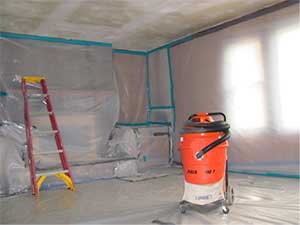
After asbestos is confirmed, our team begins the removal process by completely isolating the work area. We use heavy-duty plastic sheeting to seal off doorways, windows, and ventilation systems to prevent any cross-contamination to other parts of your home or building. Our technicians use specialized equipment, including negative air pressure machines with HEPA filters, to ensure all airborne fibers are contained within the workspace. Dressed in full protective gear, our professionals then carefully remove the asbestos-containing materials using methods that minimize fiber release. All materials are then sealed in leak-proof bags for safe and compliant disposal.
Final Air Testing and Documentation
Once all the asbestos-containing materials have been removed, the job isn't quite finished. The final, and arguably most important, step is to verify that the air is safe to breathe again. An independent third party often performs a final visual inspection and conducts air clearance testing. This test measures the concentration of fibers in the air to ensure it falls below the safe, permissible level. Only after the area passes this test will we remove the containment barriers. You will then receive full documentation confirming that the abatement was successful, giving you the certified proof and peace of mind that your property is safe.
Understanding the Cost of Emergency Asbestos Removal
When you’re dealing with a potential asbestos emergency, the last thing you want to worry about is a surprise bill. Understanding the potential costs upfront can help you make clear-headed decisions. The final price for emergency asbestos removal isn't a one-size-fits-all number; it depends on several unique factors related to your property and the specific situation. Let's walk through what influences the cost, whether your insurance might help, and how you can prepare financially for the process.
What Influences the Final Cost?
The price of professional asbestos removal can vary quite a bit because every situation is different. The main factors that determine your final cost are the size of the contaminated area, the type of asbestos-containing material, and how difficult it is to access. For example, removing a small, easily accessible patch of asbestos flooring will cost less than abating an entire basement full of crumbling pipe insulation. An initial asbestos inspection and assessment is the first step, which helps a certified team understand the scope of the work. This detailed evaluation is what allows a professional company to provide an accurate and transparent quote for your specific project.
Will Your Insurance Cover It?
This is one of the most common questions we hear, and the answer is: it depends. Standard homeowners insurance policies don't typically cover asbestos removal on its own, especially if it's part of a planned renovation. However, if the asbestos-containing materials were damaged by a covered event, like a fire or a storm that caused a tree to fall on your roof, your policy might help with the cost. The key is to review your specific policy documents and speak directly with your insurance agent. They can clarify what your home insurance covers and guide you on how to file a claim if your situation qualifies for coverage.
Preparing for the Cost
Knowing some typical cost ranges can help you prepare. While a small project might be a few hundred dollars, more extensive work can be a significant investment. For instance, removing asbestos-covered pipes can range from a few thousand dollars to over ten thousand, depending on the length and location. A full abatement for a residential boiler or siding can also be substantial. The best way to prepare is to get a detailed quote from a certified asbestos abatement professional. They can assess your specific needs and provide a clear estimate. You can also look into whether any federal or state grants are available to help homeowners with the cost of making their homes safe.
Asbestos Removal Regulations in North Carolina
When you’re dealing with an asbestos emergency, the last thing you want to think about is legal paperwork and state rules. The good news is, you don’t have to. North Carolina has specific regulations in place to make sure asbestos is handled safely, and a certified professional will manage the entire process for you. These rules are not just bureaucratic red tape; they are essential safeguards for your family’s health, your property, and the environment.
Understanding these regulations helps you see why hiring a qualified team is non-negotiable. A certified company knows the ins and outs of state requirements, from initial notification to final disposal, ensuring every step is handled correctly and legally. This protects you from liability and gives you peace of mind that the job is done right. When you hire experts for asbestos services, you are bringing in a team that is fully prepared to meet these important standards.
Licensing and Accreditation Rules
In North Carolina, you can't just hire any contractor to remove asbestos. The state requires individuals and firms to be specially trained and accredited to perform this work. Professionals who offer asbestos abatement must complete rigorous training courses and earn certification for specific roles, such as inspector, project designer, and abatement worker.
This isn't just a formality. This level of training ensures the team in your home understands the precise, scientific methods for containing and removing asbestos without releasing dangerous fibers into the air. It’s your guarantee that the professionals you hire are equipped with the knowledge and skills to handle this hazardous material safely, protecting your home from cross-contamination and keeping your family safe.
Disposal and Compliance Guidelines
Getting rid of asbestos isn't as simple as bagging it up and putting it on the curb. North Carolina has strict guidelines for the entire process. For most projects, the state requires a formal notification to be filed at least 10 working days before removal begins. This allows regulatory agencies to oversee the work and ensure compliance.
Furthermore, asbestos-containing waste is considered hazardous and must be disposed of at a specially licensed landfill. The material must be properly wetted, sealed in leak-proof containers, and clearly labeled. A professional firm handles all of this for you, from filing the initial paperwork to transporting and documenting the final disposal. This ensures you can protect your family and remain fully compliant with state law.
Get Professional Help to Protect Your Home and Health
When you discover something in your home that looks like damaged asbestos, it’s natural to feel a sense of urgency. But before you do anything else, please know this is not a DIY situation. Disturbing asbestos-containing materials, even slightly, can release microscopic fibers into the air. According to the EPA, professional removal is necessary for any asbestos that is damaged or will be disturbed during a renovation. The goal is to protect your family from exposure, and that starts with leaving the material untouched.
The moment you suspect an asbestos issue, your only job is to ensure everyone’s safety. Stop any activity in the area, clear the room, and prevent anyone from entering. Whatever you do, don’t try to sweep, vacuum, or handle the debris. These actions can make the contamination much worse. Once the area is secure, your next step is to call a certified professional. An experienced team can properly assess the material and, if needed, perform asbestos abatement using specialized containment methods and equipment to keep your home and family safe.
Bringing in a professional team isn't just about getting the job done; it's about getting it done right. Certified technicians follow strict state and federal regulations for removal and disposal, which protects both your health and the environment. At Remtech, our team has the training and experience to manage asbestos emergencies safely and effectively, giving you confidence that your home is in good hands. We handle every step, from initial testing to final air clearance, so you can breathe easy again.
Related Articles
- Asbestos Abatement, Raleigh, NC | Remtech Environmental
- Asbestos Removal, Asheville, NC - Commercial & Residential - Remtech
- Asbestos Abatement, Asheville, NC | Remtech Environmental
- Mitigate Health Risks with Asbestos Removal | Remtech Environmental
- What Did You Do About the Asbestos? | Remtech Environmental
Frequently Asked Questions
What if the damage to the material looks really minor? Is it still an emergency? Any damage to asbestos-containing material, no matter how small it seems, should be treated with caution. The danger comes from friable asbestos, meaning it can be easily crumbled by hand, releasing fibers. A small crack or chip can be a sign of a bigger problem or the start of further deterioration. The safest approach is to assume any damage could release fibers and call a professional for an assessment. It's better to have an expert confirm it's not a major issue than to risk exposure.
Can I just seal or paint over the damaged asbestos material myself? While sealing asbestos (a process called encapsulation) is a valid professional technique, it is not a safe DIY project. Attempting to paint or seal it yourself can disturb the material and release fibers, which is the very thing you're trying to prevent. Proper encapsulation requires specific sealants and application methods to be effective and safe. This is a job that should always be left to a certified asbestos professional.
Do I have to leave my home during the asbestos removal process? Yes, for your safety, you and your pets will need to vacate the property while the active removal is happening. A professional team will completely seal off the work area to contain all dust and fibers, but it is standard safety protocol for occupants to be away from the premises. This ensures there is absolutely no risk of exposure to you or your family during the abatement.
My home was built right around 1990. How can I know if I should be concerned about asbestos? The 1980s is a general guideline, but the use of asbestos wasn't completely phased out overnight. Some products containing asbestos were still available and used in construction into the early 1990s. Because you can't identify asbestos just by looking at it, the only way to be certain is to have the material professionally tested. If you're planning a renovation or see signs of damage in older materials, getting a test is a wise and proactive step.
Is it safe to be in the house immediately after the removal is done? You can be confident it is safe to return once you get the all-clear from the professionals. A critical part of the process is the final air clearance testing, which is done after the removal and cleanup are complete. This test confirms that the air quality is back to a safe level. A reputable company will not remove their containment barriers or consider the job finished until the air passes this test, providing you with documented proof that your home is safe again.