
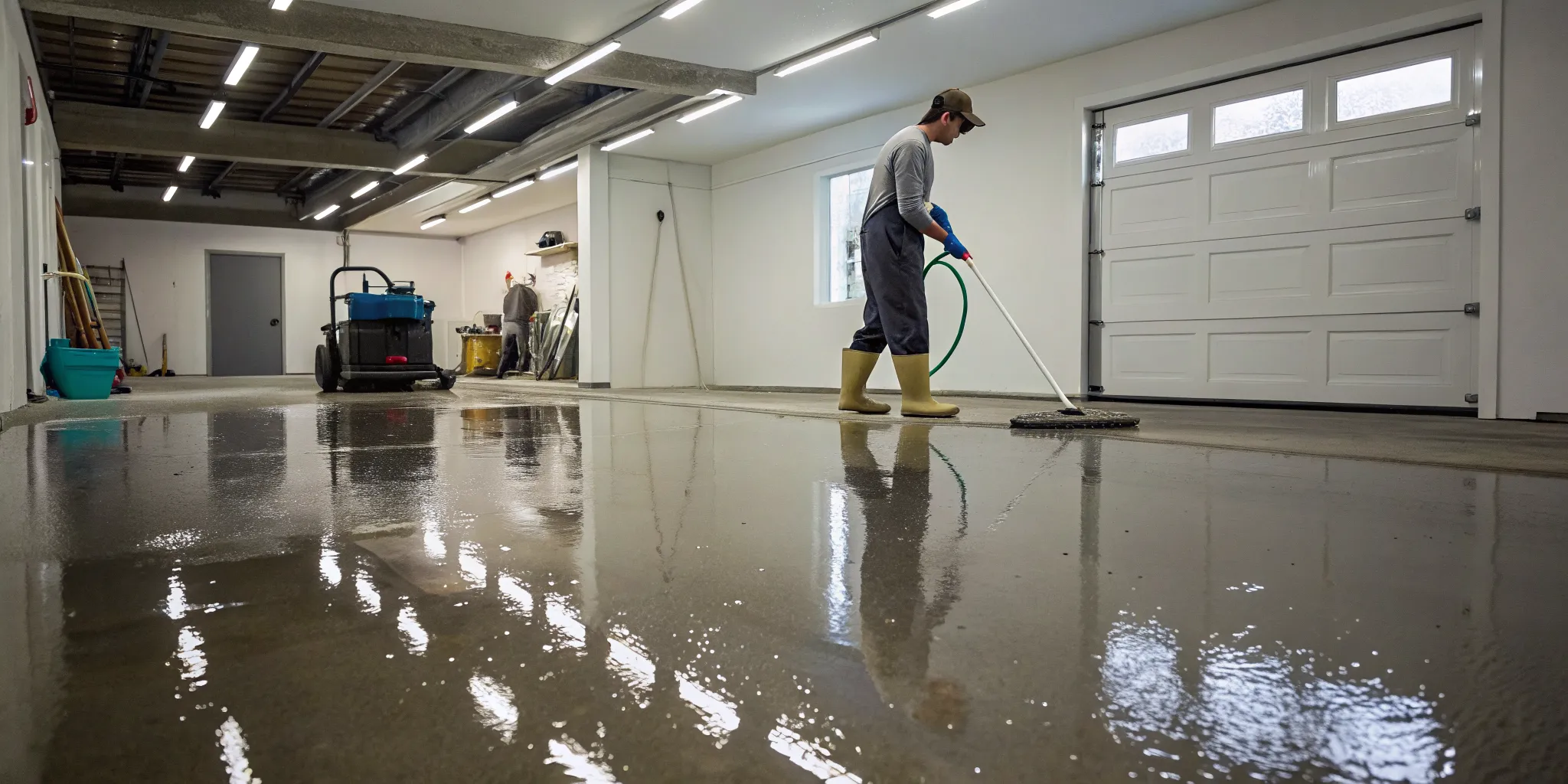
When your basement floods, you’re in a race against time. The longer water sits, the more it soaks into drywall, flooring, and structural beams, creating the perfect environment for destructive mold to grow in as little as 24 hours. Your quick response can save you thousands of dollars in repairs and protect your home’s value. Figuring out what to do when your basement floods from rain means acting fast, but also acting smart. This guide is designed to be your emergency action plan. We’ll show you how to prioritize tasks, from documenting the damage for insurance to safely removing water and salvaging your belongings, ensuring you make the right moves from the very beginning.
Key Takeaways
- Prioritize Safety Above All Else: Before entering a flooded basement, your first steps should be turning off the electricity and water supply. Always wear protective gear like waterproof boots and gloves, and call a professional if you're dealing with deep water or potential sewage contamination.
- Document First, Then Dry Everything Out: Before moving anything, take detailed photos and videos of the damage for your insurance claim. After that, work quickly to remove standing water and set up fans and dehumidifiers to start the drying process and get ahead of mold growth.
- Focus on Long-Term Prevention: Once the immediate crisis is over, take proactive steps to protect your home. Regularly clean your gutters, seal any cracks in your foundation, and consider installing a sump pump with a battery backup to prevent future flooding.
First Steps for a Flooded Basement
Discovering a flooded basement is a homeowner's nightmare. It’s easy to feel overwhelmed, but your immediate actions are critical for safety and minimizing damage. Before you rush in to save your belongings, take a deep breath and follow these essential first steps. Putting safety first will protect you from hidden dangers and set you up for a smoother recovery process. Let's get you started on the right foot.
Prioritize Safety: Turn Off Utilities
Your absolute first priority is safety, and the biggest threat is electricity. Never walk into a flooded basement if the power is still on. The risk of electrocution is severe, so it's critical to follow proper electrical safety protocols. If you can safely access your home's main circuit breaker and it's not in the flooded area, shut off the power to the basement immediately. However, if the breaker box is in the basement, do not attempt to turn it off yourself. Instead, call a licensed electrician to handle it safely. It’s also a good idea to shut off your home's main gas line and water supply to prevent further complications.
Gear Up Before You Go In
Once the utilities are safely off, you still need to protect yourself before entering the water. Floodwater is often far from clean; it can be contaminated with sewage, chemicals, and bacteria that pose serious health risks. Before you step into the basement, put on the right protective gear. This includes waterproof rubber boots (hip or chest waders are even better), heavy-duty rubber gloves, and an N95-rated mask to protect you from inhaling airborne contaminants. Protecting your skin and respiratory system is not just a suggestion, it's a crucial step to avoid getting sick.
Identify Potential Hazards in the Water
The murky water in your basement can hide a number of dangers. Be extremely cautious as you move around. The water might contain harmful substances like sewage or chemicals from stored containers that have tipped over. Be careful not to touch any wet electrical equipment, even with the power off, and avoid standing in water near outlets or appliances. Watch your step for submerged objects that could cause you to trip or get injured. If the flooding is severe, there could also be structural damage to consider. When in doubt, it's always safest to wait for professional water damage restoration experts to assess the situation.
Safely Removing the Water
Once you’ve confirmed the basement is safe to enter, your next priority is to get the water out as quickly as possible. The longer water sits, the more damage it causes to your home’s structure and the greater the risk of mold growth. This phase is all about damage control. You’ll need to remove the standing water, document everything for your insurance company, and start clearing out any items that have been affected.
Tackling this process methodically will make a huge difference. It can feel overwhelming to see your belongings soaked and your basement underwater, but breaking it down into these three steps makes it much more manageable. Grab your phone to take pictures, find some waterproof bins for salvageable items, and get ready to start the cleanup process. Remember, speed is key here to minimize long-term issues.
Select the Right Equipment for the Job
The right tool for the job depends entirely on how much water you’re dealing with. If you only have an inch or two of water, a wet/dry vacuum can be your best friend. You’ll have to empty it frequently, but it’s a great tool for smaller floods. For more significant amounts of standing water, you’ll need something with more power, like a submersible pump. You can rent these from most home improvement stores. Just place the pump at the lowest point in your basement and run the hose outside and away from your foundation. If the water level is high or you’re not comfortable handling the equipment, professional water damage restoration is your safest bet.
Document the Damage for Insurance
Before you move a single item or remove any water, stop and pull out your phone. You need to become a detective for your insurance claim. Take photos and videos of everything. Capture wide shots of the entire basement to show the scope of the flooding, then get detailed shots of the water line on the walls, damaged furniture, soaked appliances, and any other affected belongings. This visual evidence is crucial and will make the claims process much smoother. Be as thorough as possible; you can’t have too many pictures. This documentation is your proof of loss, so don’t skip this step.
Clear Out Soaked and Damaged Items
Now it’s time to start moving things out. Carefully carry any salvageable items to a dry, well-ventilated area, like a garage or covered patio, where they can begin to dry. This part can be tough, but you need to be realistic about what can be saved. Porous items that have been saturated for a long time, like upholstered furniture, mattresses, rugs, and particleboard, are often impossible to salvage and can quickly harbor mold growth. It’s better to dispose of them properly than to risk bringing mold into your home. Remember to take photos of everything you throw away for your insurance records.
Handling Water-Damaged Belongings
Once the water is gone, you’re left with the difficult task of sorting through everything it touched. This part can feel overwhelming, but a methodical approach helps you make clear decisions. Your goal is to move quickly to prevent mold and further damage. Focus on saving what you can while prioritizing a healthy home environment. Breaking the process down into sorting, disposing, and cleaning will make it much more manageable.
Sort What's Salvageable
Start by setting up a staging area in a dry, well-ventilated space like a garage. As you go through your belongings, separate them into three piles: keep, discard, and undecided. Items made of hard, non-porous materials like plastic, metal, and glass are generally the easiest to salvage. Porous items, such as upholstered furniture, rugs, and mattresses, are much harder to save because they absorb water deep within their fibers. Be realistic about what you can thoroughly clean and dry. Anything you decide to keep should be moved to your staging area immediately to begin drying.
Dispose of Contaminated Items Safely
This is where you have to be strict for your home’s health. Any porous item that has been wet for more than 24 to 48 hours is a potential breeding ground for mold and should be discarded. Before you throw anything away, take detailed photos for your insurance claim; documenting the damage is crucial. Items like soaked drywall, insulation, and carpets are often a total loss. Safely disposing of these materials is a critical step in preventing a future mold removal project. When in doubt, it’s always safer to throw it out.
Clean and Sanitize Anything You're Keeping
For the items you’ve deemed salvageable, a thorough cleaning is next. Start by washing all hard surfaces with soap and warm water to remove dirt left by the floodwaters. After cleaning, you’ll need to sanitize everything to kill lingering bacteria and mold spores. A solution of household bleach and water is effective for many surfaces, but work in a well-ventilated area and protect your skin and eyes. For items that can’t be bleached, other commercial disinfectants are available. If you’re unsure how to properly sanitize certain belongings or the job feels too big, don’t hesitate to contact a professional for help.
Drying Your Basement and Preventing Mold
Once the water is gone, the race against mold begins. A damp, dark basement is the perfect breeding ground for mold, which can start to grow in as little as 24 to 48 hours. Thoroughly drying and disinfecting the area isn't just about cleaning up; it's about protecting your home and your family's health from the long-term problems mold can cause. This phase is critical, and taking the right steps now will save you a lot of trouble later. If the job feels overwhelming, remember that professional water damage restoration services are equipped to handle this quickly and effectively, preventing mold before it starts.
Create Airflow with Fans and Dehumidifiers
Your main goal is to get everything as dry as possible, as fast as possible. The best way to do this is to create a ton of airflow. Open up any basement windows (if it’s not raining, of course) and set up as many fans as you can get your hands on. Box fans, oscillating fans, and industrial blowers will all help. Point them at the dampest areas to speed up evaporation. A good dehumidifier is also your best friend here. It will pull moisture directly out of the air, which helps dry out walls, floors, and anything else that got wet. Keep these running around the clock until everything is completely dry to the touch.
Disinfect All Affected Surfaces
Floodwater isn't clean. It carries bacteria, dirt, and all sorts of contaminants that you don't want lingering in your home. Every single surface that the water touched needs to be cleaned and disinfected to prevent mold growth. Start by scrubbing all hard surfaces like concrete floors and walls with soap and hot water. After cleaning, you'll need to disinfect. A solution of one cup of bleach to one gallon of water is effective for killing any remaining mold spores. Be sure to wear gloves and ensure the area is well-ventilated when you work with bleach. This step is non-negotiable for a safe, clean basement.
Keep an Eye Out for Moisture and Mold
Even after you’ve cleaned and dried everything, your job isn’t quite done. You’ll need to be vigilant for a while. Check your basement every day for at least a week, looking for any new signs of moisture or mold. Pay close attention to corners, the base of walls, and any areas that were slow to dry. Look for discoloration or fuzzy spots, and be aware of any musty smells. If you spot a small amount of mold, you can clean it with your bleach solution. However, if you find a large patch or the musty smell persists, it’s a sign of a deeper problem. That’s when it’s time to call for professional mold removal to ensure it’s handled correctly.
Preventing Future Floods
After you’ve managed the immediate crisis of a flooded basement, your focus should shift to making sure it never happens again. Taking proactive steps to protect your home is the best way to avoid the stress and expense of future water damage. By addressing the root causes, you can create a stronger defense against heavy rains and storms. These preventative measures range from simple weekend tasks to more involved installations, but each one plays a vital role in keeping your basement dry for good.
Check Your Gutters and Outdoor Drainage
Your home's first line of defense against rainwater is its gutter system. When gutters and downspouts are clogged with leaves and debris, water can't flow freely. Instead, it spills over the sides and pools directly around your foundation, where it can easily seep into your basement. Make it a habit to clean your gutters at least twice a year, especially in the spring and fall. While you're up there, check that your downspouts extend several feet away from your house, directing water toward a part of your yard where it can safely drain away. This simple maintenance can save you from needing extensive water damage restoration down the road.
Install a Sump Pump or Backwater Valve
A sump pump is a powerful tool for actively protecting your basement from groundwater. Installed in a pit in the lowest part of your basement floor, it automatically pumps out water before it can reach a damaging level. Since heavy storms often cause power outages, it’s smart to install a model with a battery backup to ensure it keeps working when you need it most. For homes connected to municipal sewer systems, a backwater valve is another great investment. This simple device is installed on your main sewer line and prevents sewage from backing up into your basement during periods of heavy rainfall, providing an extra layer of security against unsanitary and destructive flooding.
Seal Foundation Cracks and Waterproof Walls
Water is persistent and will find its way through any available opening. Take the time to carefully inspect your basement's foundation walls and floor for any cracks or gaps, no matter how small. You can seal these openings with hydraulic cement or a polyurethane caulk to stop water intrusion at the source. For an added layer of protection, consider applying a waterproof coating to your interior basement walls. Addressing these vulnerabilities is crucial. Even minor, consistent leaks can compromise your home's structure and create the perfect damp environment for mold growth, which can be a serious health hazard.
When to Call a Professional
Tackling a flooded basement on your own can feel empowering, but it's crucial to know when to step back and call for backup. Water damage cleanup can be more complex and hazardous than it looks. Safety should always be your top priority, and some situations are simply too dangerous to handle without professional training and equipment. Recognizing the signs that the job is beyond a DIY fix will protect your health, your home, and your peace of mind. It’s about making a smart, safe decision when the stakes are high.
Signs the Job Is Too Big to Handle Alone
If you're facing a large amount of standing water, more than an inch or two, it's time to call a professional. Deep water presents serious risks, including hidden structural damage and electrical hazards from submerged outlets and appliances. Another major red flag is contaminated water. If the floodwater came from a sewage backup or has mixed with chemicals, it's considered "black water" and can contain harmful bacteria and pathogens. Don't attempt to handle this yourself. If you feel at all uncomfortable or overwhelmed by the scope of the cleanup, trust your gut and get expert help. Your safety is not worth the risk.
What to Expect When You Call Remtech Environmental
When you contact our team, we immediately get to work. Our first step is to assess the situation and ensure the area is safe. We use powerful, specialized equipment like industrial-grade pumps and vacuums to remove standing water quickly and efficiently. Once the water is gone, we bring in high-velocity air movers and dehumidifiers to thoroughly dry every surface, from the concrete floor to the wall cavities. This rapid drying process is key to preventing secondary damage, especially the growth of mold. We handle the entire restoration, helping you get your home back to normal as soon as possible.
Frequently Asked Questions
How long does it take for a basement to dry completely? The drying time can vary a lot depending on how much water there was and the materials involved. While the air might feel dry in a day or two, moisture can hide inside drywall, wood studs, and concrete for much longer. A professional team uses moisture meters to get an accurate reading, but a good rule of thumb for a DIY approach is to run fans and dehumidifiers for at least three to five days after you think everything is dry. Rushing this step is the fastest way to end up with a mold problem.
What if I already see or smell mold? If you notice visible mold growth or a persistent musty odor, it's a sign that the problem has already taken root. At this point, it's best to stop your DIY efforts and call a professional. Trying to scrub away significant mold can release spores into the air, potentially spreading the issue to other parts of your home. A certified mold removal team has the proper containment procedures and equipment to handle it safely and effectively.
Do I really have to throw away my wet carpet and furniture? This is a tough one, but for your health, the answer is usually yes. Porous items like carpets, upholstered furniture, and mattresses act like giant sponges. They don't just soak up water; they also absorb any contaminants that were in it. It's nearly impossible to clean and sanitize them thoroughly enough to prevent mold from growing deep within the fibers. It's safer to document them for your insurance claim and dispose of them properly.
Will my homeowner's insurance cover the cost of professional water damage restoration? Insurance coverage for water damage really depends on the source of the water and your specific policy. Generally, damage from sudden and accidental events, like a burst pipe or washing machine failure, is often covered. However, flooding from groundwater seepage or sewer backups may require a separate rider or flood insurance policy. The best first step is to call your insurance agent as soon as possible to review your coverage and start the claims process.
Is it safe to turn the power back on after the water is gone? You should never turn the power back on yourself after a flood. Even after the standing water has been removed, moisture can remain in your electrical system, including outlets, wiring, and appliances. This creates a serious risk of fire or electrocution. Always have a licensed electrician inspect your entire system and give you the official all-clear before you restore power to the basement.