
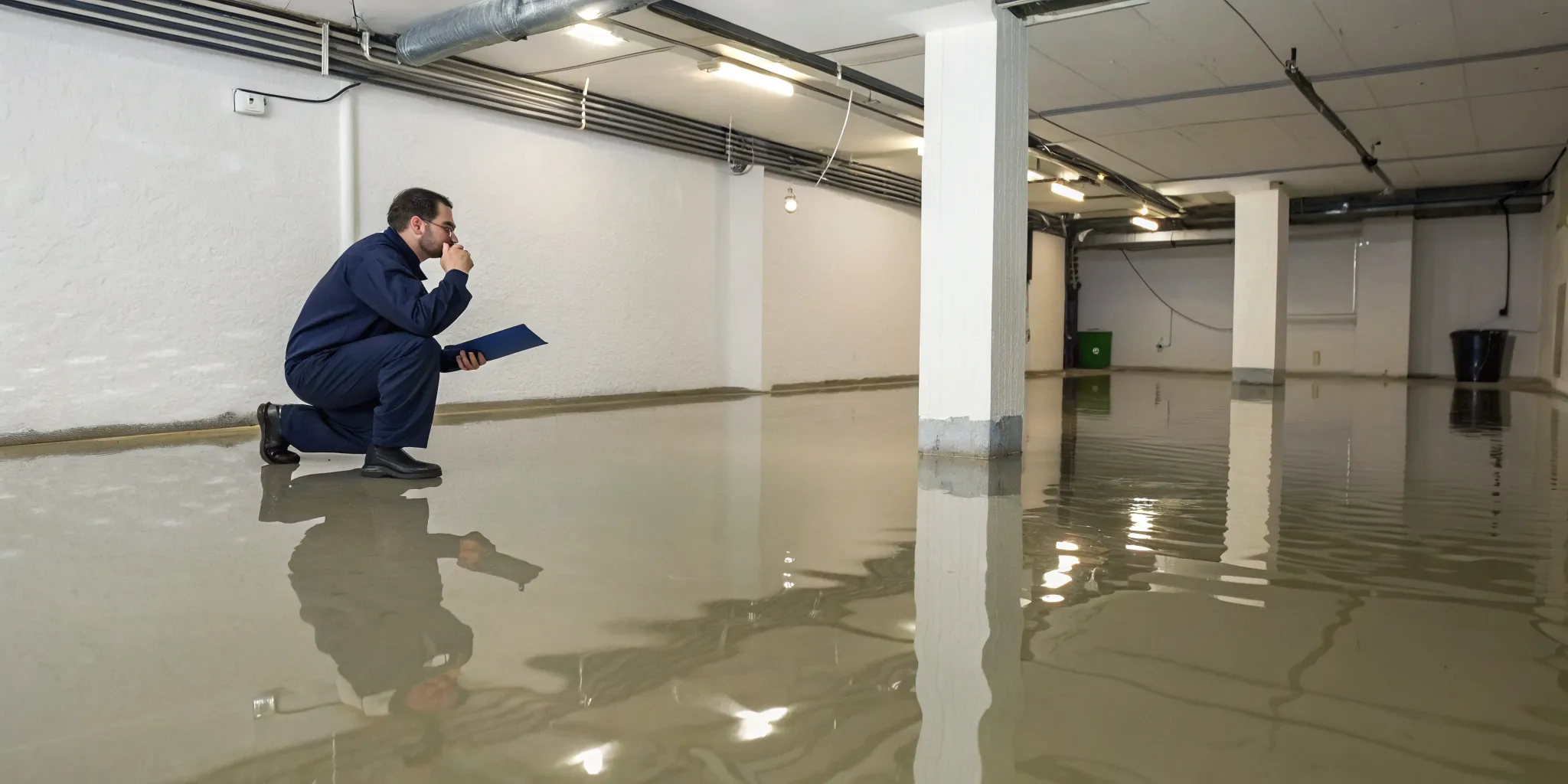
A flooded basement is more than just a mess; it’s a hazardous environment filled with hidden dangers. The standing water can conceal live electrical currents, and it’s often contaminated with bacteria, sewage, or chemicals that pose serious health risks. Your safety, and that of your family, is the absolute top priority. Before you even think about cleanup, knowing the answer to “my basement flooded who to call” for immediate safety is crucial. This article serves as your emergency checklist, guiding you through the essential first calls to an electrician and other utility services to secure the area before any restoration work begins.
Key Takeaways
- Secure the Area Before Taking Action: Your first priority is safety, not cleanup. If you can safely reach your breaker box and gas valve, shut them off immediately; otherwise, your first call should be to an electrician and the gas company to handle these hazards professionally.
- Assemble Your Professional Team Immediately: Water damage worsens by the hour, leading to mold and structural problems. Contact a water damage restoration company right away to start the drying process and prevent more extensive, costly repairs down the road.
- Create a Detailed Record for Insurance: Before moving or discarding anything, thoroughly document the damage. Take extensive photos and videos and create an itemized list of all affected belongings to build a strong, clear case for your insurance claim.
Your First Safety Steps for a Flooded Basement
Discovering a flooded basement is stressful, but your immediate actions can make a huge difference in protecting your safety and minimizing damage. Before you even think about cleanup, you need to secure the area. Taking a few key safety precautions is the most important first step. It ensures that you and your family stay out of harm's way while you figure out your next move. Think of this as your emergency checklist to run through the moment you find water where it shouldn’t be.
Turn Off the Electricity and Gas
Your absolute first priority is to address the risk of electric shock. Water and electricity are a dangerous combination, and submerged outlets or appliances can energize the entire flooded area. If you can safely access your home’s main circuit breaker and gas valve without stepping in water, shut them off immediately. If the water is blocking your path, do not attempt to wade through it. Instead, your first call should be to a licensed electrician who can safely cut the power to your home.
Identify the Water Source
Once the immediate electrical hazard is handled, try to figure out where the water is coming from. Stopping the flow is crucial to preventing further damage. Common causes include a burst pipe, a failing sump pump, or a backed-up sewer line. If you can identify the source and safely stop it, like by turning off the main water valve to your house, do so. If the problem is more complex, you’ll need to call a plumber, but knowing the cause will help the water damage restoration team act faster when they arrive.
Wear Protective Gear
Never enter a flooded basement without the right protection. Floodwater is often contaminated with bacteria, chemicals, sewage, and other hazards that can make you sick. Before you step into the affected area, put on waterproof rubber boots, gloves, and a protective face mask. This gear will help shield you from direct contact with unsanitary water and prevent potential skin infections or respiratory issues. Keeping yourself safe and healthy is a critical part of managing the situation effectively.
Know When to Evacuate
Sometimes, the safest thing you can do is stay out of the basement entirely. If the flooding is severe, if you see sparks, or if the water is clearly contaminated with sewage (often called "black water"), do not enter the area. The risk of electrocution or exposure to dangerous pathogens is simply too high. In these situations, your priority shifts from assessment to evacuation. Get everyone out of the house and contact a professional remediation team immediately. Your property can be repaired, but your well-being is irreplaceable.
Who to Call First in an Emergency
When your basement floods, it’s easy to feel overwhelmed. But before you even think about cleanup, you need to address the immediate safety risks. Making a few key phone calls right away can protect your family and prevent further damage to your home. This is the moment to call in the experts who can handle utility-related hazards safely. Once the area is secure, you can then focus on professional water damage restoration.
Call 911 for Immediate Dangers
If you see sparks, smell gas, or the water level is rising rapidly, your first call should be to 911. A flooded basement can present serious hazards, including the risk of electrocution or even drowning. Emergency services are equipped to handle life-threatening situations and can coordinate the immediate response needed to keep your family safe. Don't hesitate to make this call if you feel the situation is beyond your control. Your safety is the absolute top priority, and professionals can assess the scene and manage any immediate dangers.
Call an Electrician to Secure Your Power
Once you've confirmed there are no immediate life-threatening dangers, your next call should be to a licensed electrician. Floodwater and electricity are a lethal combination. Even if the power is out in your whole house, you should never enter a flooded basement until an electrician has disconnected the power to that area. They can safely shut off the main breaker and assess whether any wiring or outlets have been compromised. This critical step prevents the risk of electric shock when you or a restoration team begin the cleanup process.
Contact the Gas Company About Potential Leaks
If you have any gas-powered appliances in your basement, like a furnace or water heater, your next call is to the gas company. Floodwaters can extinguish pilot lights or damage gas lines, creating a serious risk of a gas leak. The gas company can send a technician to safely shut off the gas supply to your home. This is a crucial step to prevent a potential explosion or carbon monoxide poisoning. Don't try to do this yourself; always leave it to the professionals to handle your gas lines.
Notify the Water Company About Main Line Breaks
Sometimes the source of the flood isn't inside your home at all. If you suspect a broken water main is the culprit, contact your local water company right away. They need to know about the break so they can shut off the supply and begin repairs, which will stop more water from entering your home. Acting fast also helps you get ahead of secondary problems. The longer water sits, the higher the chance of structural damage and mold growth, which can create a whole new set of health hazards for your family.
Assembling Your Restoration Team
Once the immediate emergencies are handled and the area is safe to enter, your focus can shift to recovery. Restoring a flooded basement isn't a one-person job; it requires a team of specialists who can address every aspect of the damage. Each professional brings a specific skill set to ensure your home is not only clean and dry but also safe and structurally sound for the long term. Think of it as building a recovery crew where each member plays a critical role. From extracting water and drying out the space to repairing plumbing and checking for mold, a coordinated effort is the best way to get your home back to normal.
Knowing who to call and in what order will make the process smoother and prevent small issues from turning into major, costly problems down the road. This team will be your greatest asset in handling the cleanup and repair process effectively. You'll start with the most urgent needs, like water removal, and then move on to addressing the source of the flood and any secondary damage, such as mold growth or structural issues. By bringing in the right experts at the right time, you can feel confident that every corner of your basement is being properly cared for. This systematic approach ensures a thorough restoration and gives you peace of mind.
Start with a Water Damage Restoration Pro
Your first call should be to a professional water damage restoration company. These experts have the industrial-grade equipment needed to extract standing water and thoroughly dry out your basement, including hard-to-reach areas inside walls and under flooring. Getting all the moisture out quickly is critical because it helps prevent secondary damage, especially the kind of mold growth that requires professional remediation. A restoration team can assess the extent of the damage, create a drying plan, and get to work immediately. This step lays the foundation for all other repairs and is essential for a successful recovery.
Find a Licensed Plumber for Pipe Repairs
If the flood was caused by a burst pipe, a failing water heater, or a backed-up sewer line, you'll need a licensed plumber. After an electrician has confirmed the area is safe from electrical hazards, a plumber can identify and fix the source of the leak. Repairing the plumbing issue is a crucial step to prevent the basement from flooding again. A plumber can also inspect the rest of your system to check for any other potential weaknesses that could cause problems in the future. Don't skip this step; simply cleaning up the water without fixing the cause is only a temporary solution.
Bring in a Mold Remediation Specialist
Even with professional drying, the risk of mold is high after a flood. Basements are often damp, dark environments where mold can thrive, and it can begin to grow within 24 to 48 hours of water exposure. Mold poses significant health risks, including respiratory problems and skin irritation. A certified mold removal specialist can inspect your basement for any signs of growth, even hidden mold behind walls or under floors. If mold is found, they have the training and equipment to safely remove it and treat the area to prevent it from returning, ensuring your home’s air quality is healthy.
Check Your HVAC System with a Technician
Floodwater is more than just water; it often contains bacteria, chemicals, and other contaminants. If this contaminated water reached your HVAC system, it could circulate harmful particles throughout your entire home every time the heat or air conditioning turns on. An HVAC technician should inspect your furnace, air ducts, and any other system components located in the basement. They can clean and sanitize the system to remove any contaminants and ensure it’s operating safely. This is an important step for protecting your family’s health and maintaining good indoor air quality throughout your house.
Consult a Structural Engineer for Foundation Concerns
For severe floods or if the water was left standing for a long time, you may need to consult a structural engineer. Water can exert immense pressure on your foundation walls and can weaken wooden support beams and other structural elements over time. If you notice any new cracks in the foundation, bulging walls, or uneven floors after the flood, it’s a sign of potential structural damage. A structural engineer can assess the integrity of your home’s foundation and framework and recommend any necessary repairs to ensure your home remains safe and stable.
How to Document Damage for Your Insurance Claim
Once you’ve addressed any immediate safety concerns, your next priority is documenting the damage for your insurance claim. Being thorough at this stage can make a significant difference in how smoothly the process goes and the settlement you receive. Think of yourself as a detective building a case; the more clear and detailed evidence you provide, the stronger your claim will be. Following these steps will help you create a comprehensive record of the damage and prepare you for working with your insurance provider.
Take Photos and Videos
Before you move or clean up anything, grab your phone and start recording. Take extensive photos and videos of the entire flooded area from various angles. Capture wide shots to show the overall scope of the flooding and close-ups of specific damage. Get detailed images of soaked drywall, warped flooring, damaged furniture, and any appliances that were in the water. Be sure to document the high-water mark on the walls, as this shows the peak level of the flood. This visual evidence is undeniable and will be one of the most important tools you have when filing your claim.
Create an Inventory of Damaged Items
Alongside your photos, make a detailed list of every item that was damaged or destroyed. For each possession, write down a description, its approximate age, where you bought it, and what it would cost to replace it. If you have receipts or can find the item online, include that information to support its value. This inventory should include everything from large furniture and electronics to smaller items like books, rugs, and stored belongings. A comprehensive list helps ensure you account for all your losses and provides your insurance adjuster with a clear, itemized breakdown of what needs to be replaced.
Get a Professional Assessment Report
Your photos and inventory are crucial, but a report from a certified professional adds a powerful layer of credibility to your claim. A water damage restoration specialist can provide a formal assessment that details the extent of the damage, including issues you can’t see, like moisture trapped in walls. This report will outline the necessary steps for remediation, from water extraction to drying and preventing mold growth. This expert documentation validates the scope of work required and helps justify the costs to your insurance company, ensuring you get the coverage you need for a proper restoration.
Contact Your Insurance Agent Immediately
Don’t wait to notify your insurance company. Call your agent as soon as you and your family are safe. The sooner you report the flood, the faster you can begin the claims process. Your agent will explain the next steps, inform you of any deadlines for filing paperwork, and clarify what your policy covers. They can also tell you what documentation they’ll need from you. Acting quickly demonstrates that you are taking the situation seriously and allows your insurance provider to guide you from the very beginning, which can help you avoid costly missteps.
Understand Your Insurance Coverage
It’s important to know that not all water damage is covered by a standard homeowner's policy. Typically, damage from internal sources, like a burst pipe or a faulty appliance, is covered. However, flooding caused by external events, such as heavy rainfall or overflowing rivers, often requires a separate flood insurance policy. Review your documents carefully and ask your agent specific questions about your coverage. Understanding the fine print will help you set realistic expectations and prepare for any potential out-of-pocket expenses. This knowledge empowers you to plan your next steps effectively.
Common Mistakes to Avoid After a Basement Flood
When you discover a flooded basement, your first instinct is to jump into action. But in the rush to clean up, it’s easy to make mistakes that can lead to bigger, more expensive problems. Taking a moment to pause and proceed correctly can protect your health, your home, and your finances. By avoiding a few common missteps, you can ensure the restoration process is smooth and effective, preventing long-term issues like structural damage and mold. Here’s what you need to watch out for.
Entering an Unsafe Area
Your safety should always come first. A flooded basement is full of hidden dangers you might not see. The standing water can conceal electrical hazards from submerged outlets and appliances, creating a serious risk of electrocution. The water itself is often contaminated with sewage, chemicals, and bacteria that can make you sick. Before you even think about going downstairs, make sure the electricity is turned off at the breaker box. If you can't reach it safely, call an electrician. It's best to wait for a professional to assess the situation and confirm the area is secure before you enter.
Waiting Too Long to Call for Help
Time is not on your side when it comes to water damage. The longer water sits, the more damage it causes to your home’s structure and your belongings. Mold can begin to grow in as little as 24 to 48 hours in damp conditions, leading to poor air quality and potential health problems. While it might seem like a problem you can handle later, delaying a call to a professional water damage restoration team will only make the cleanup more difficult and costly. Acting quickly is the best way to minimize the damage and get your home back to normal as soon as possible.
Ignoring the Source of the Water
Cleaning up the water is only one part of the solution. If you don’t find and fix what caused the flood in the first place, you’re setting yourself up for a repeat performance. The issue could be anything from a burst pipe or a failing sump pump to clogged gutters or cracks in your foundation. A professional restoration team can help you identify the source of the water intrusion. Once you know the cause, you can hire the right expert, like a plumber or foundation specialist, to make the necessary repairs and prevent future flooding.
Trying to Handle Major Damage Yourself
The desire to save money by tackling the cleanup yourself is understandable, but a few towels and a shop vac are no match for a significant flood. Professionals use industrial-grade equipment like powerful water extractors, air movers, and dehumidifiers to remove all moisture, including what’s trapped in drywall, flooring, and wood framing. Without proper drying, you risk hidden mold growth and structural rot. Leaving the job to a certified mold remediation specialist ensures every last bit of moisture is gone, protecting your property value and your family’s health.
Assuming Your Insurance Covers Everything
Don’t make assumptions about your insurance policy. Many standard homeowner’s insurance plans cover water damage from internal sources, like a broken washing machine hose, but they often exclude damage from natural flooding, such as heavy rains or overflowing rivers. You may need a separate flood insurance policy for that kind of coverage. Contact your insurance agent as soon as possible to report the damage and clarify what your policy covers. Understanding your coverage early on will help you make informed decisions about the restoration process without facing unexpected out-of-pocket costs later.
Frequently Asked Questions
What is the absolute first thing I should do if my basement floods? Before you do anything else, prioritize your safety by addressing the risk of electric shock. If you can get to your main circuit breaker without stepping in any water, shut off the power to your home immediately. If the water blocks your path, stay out of the basement and call a licensed electrician right away. Securing the electricity is the most critical first step before you assess the damage or make any other calls.
How quickly do I really need to act to prevent mold? You should act as quickly as possible, because mold can start growing within 24 to 48 hours of water exposure. The key is not just removing the standing water but also completely drying the structure. Hidden moisture trapped in drywall, insulation, and wood framing creates the perfect environment for mold to thrive. This is why calling a professional restoration team promptly is so important; they have the equipment to dry everything out thoroughly and prevent a long-term mold problem.
Can I just clean up a minor flood myself? While it might be tempting to handle a small amount of water with a shop vac and some fans, it’s often not enough. The real danger lies in the moisture you can't see. Water easily seeps into flooring, baseboards, and wall cavities. Without specialized equipment to detect and remove this hidden moisture, you risk structural damage and mold growth down the line. For a truly effective cleanup, it's always best to at least consult with a professional.
Will my standard homeowner's insurance cover flood damage? This is a common point of confusion. Generally, standard homeowner's insurance policies cover water damage from internal sources, such as a burst pipe or a malfunctioning appliance. However, they typically do not cover damage caused by external flooding from events like heavy rainfall or overflowing rivers. That type of event usually requires a separate flood insurance policy. Your best course of action is to call your insurance agent immediately to understand your specific coverage.
What if I can't figure out where the water is coming from? Don't worry, you don't have to be a detective. If the source of the water isn't obvious, your first call should be to a water damage restoration company. These professionals are trained to trace the path of water intrusion to find the origin point. They can help you determine if the problem is a plumbing issue, a foundation crack, or something else, and then guide you on which specialist, like a plumber or foundation expert, to call next.