
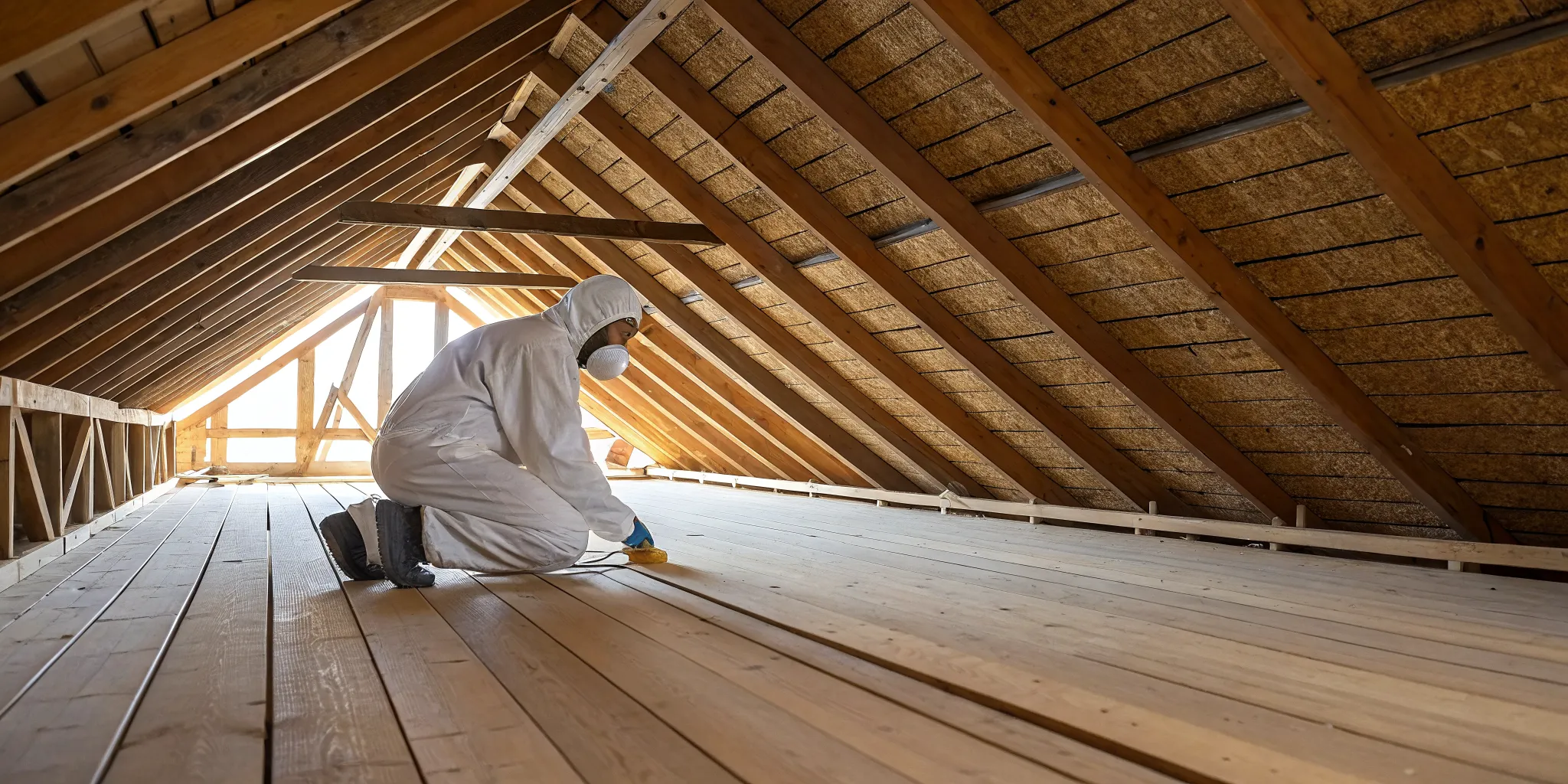
Your home is likely your biggest investment, and hidden threats can silently undermine its value. Attic mold is one of those threats. It feeds on the wooden structures that support your roof, potentially causing long-term damage that is expensive to repair. Beyond the structural concerns, the presence of mold can significantly lower your property value and become a major red flag for potential buyers. This guide will help you understand the risks mold poses to your investment and your family’s health. We’ll explain the steps involved in a professional remediation, helping you protect your home and make an informed decision about attic mold removal Raleigh NC.
Key Takeaways
- Address Attic Mold for Your Health and Home: Don't dismiss a musty smell or dark stains in your attic. These are signs of a problem that can affect your family's respiratory health and damage your home's structure, especially in Raleigh's humid climate.
- Solve the Water Problem First: Simply cleaning mold isn't enough because it will grow back if moisture is still present. A real solution involves finding and fixing the source, whether it's a hidden roof leak, poor attic ventilation, or a bathroom fan venting indoors.
- Hire a Pro for a Safe and Lasting Fix: Tackling attic mold yourself can be risky and spread spores throughout your home. A certified professional has the right equipment to contain the area, safely remove the mold, and ensure the job is done correctly for your peace of mind.
What Is Attic Mold and Why Should You Care?
If you’ve ever gone into your attic and noticed a musty smell or dark stains on the wood, you might be looking at attic mold. It’s a type of fungus that absolutely loves the conditions found in many attics: warmth, moisture, and plenty of organic material (like wood) to feed on. While finding mold anywhere in your home is unsettling, attic mold is particularly common because attics often lack proper ventilation. It might seem out of sight and out of mind, but ignoring it can lead to serious problems for your health, your home’s structure, and its overall value. Understanding what you’re up against is the first step toward protecting your home and family.
Why Raleigh's Climate Puts Your Attic at Risk
Living in Raleigh means enjoying beautiful seasons, but it also means dealing with significant humidity, especially during our warm, sticky summers. This humid climate creates the perfect environment for mold to thrive. Your attic can easily trap this warm, moist air, and when it meets a cooler surface like your roof sheathing, condensation forms. This moisture is all mold needs to start growing on the wooden rafters and insulation. Because North Carolina's weather patterns contribute so heavily to indoor moisture, homeowners here need to be extra vigilant. It’s not a matter of if your attic has the right conditions for mold, but when you’ll need to address them with proper mold removal and prevention.
The Health Risks of Attic Mold
Attic mold isn't just a cosmetic issue; it can have a real impact on your family's health. Mold reproduces by releasing tiny spores into the air, and these spores can easily travel from your attic into your home's living spaces through gaps in ceilings, light fixtures, and HVAC systems. For many people, exposure to mold can trigger allergic reactions, including sneezing, itchy eyes, and skin rashes. For individuals with asthma or other respiratory conditions, mold spores can cause more severe reactions and breathing difficulties. The Environmental Protection Agency notes that prolonged exposure can affect even healthy individuals, making it crucial to address any mold problem as soon as you find it.
How Mold Damages Your Home's Structure and Value
Beyond the health concerns, attic mold can cause significant physical damage to your home. Mold's primary function in nature is to break down organic matter, and in your attic, that organic matter is the wood framing that holds up your roof. Over time, an unchecked mold infestation can weaken the structural integrity of your home. It can also ruin your insulation. When insulation gets damp and moldy, it loses its effectiveness, causing your heating and cooling bills to creep up. If you ever decide to sell, the presence of mold can drastically lower your home's value and even scare away potential buyers. Taking care of the problem now protects your investment for the future.
How to Know If You Have Attic Mold
Because most of us don't spend much time in our attics, a mold problem can easily go unnoticed until it becomes a major issue. The good news is that you don’t need to be an expert to spot the early warning signs. By using your senses and looking for a few key indicators, you can get a good idea of what’s happening above your ceiling. An attic provides the perfect environment for mold, with its potential for high heat and humidity, so regular checks are a smart move for any homeowner.
If you suspect something is off, it’s worth taking a look. A quick check can help you catch a problem before it spreads and causes serious damage to your home and health. Pay attention to what you see, what you smell, and any other clues that point to excess moisture. These signs are your home’s way of telling you it needs help. If you find anything concerning during your inspection, it’s always best to get a professional opinion. A certified mold specialist can confirm the presence of mold, identify the moisture source, and create a safe plan for removal.
Visible Signs: Stains and Growth
One of the most straightforward ways to identify attic mold is by looking for it. Grab a good flashlight and carefully inspect the wooden surfaces, including the rafters, sheathing (the boards that form the underside of your roof), and trusses. You’re looking for discoloration or fuzzy growth. While mold is often associated with dark black stains, it can also appear as white, gray, or green patches. It might look like simple water stains at first, but upon closer inspection, you may see a textured or speckled pattern. If you see any suspicious growth, you have a clear sign that moisture is present and a mold colony has taken hold.
Musty Odors and Changes in Air Quality
You can often smell a mold problem before you see it. If you open your attic hatch and are hit with a distinct musty, earthy, or mildew-like odor, consider it a major red flag. This smell is caused by microbial volatile organic compounds (MVOCs), which are gases produced by mold as it grows. Don't ignore this scent, even if you can't find any visible signs of growth. The odor alone indicates that active mold removal may be necessary. Since air circulates throughout your home, these spores and gases can easily travel from the attic into your living spaces, affecting your indoor air quality and potentially causing health issues for your family.
Indirect Clues: Water Damage and Damp Insulation
Mold needs moisture to survive, so any evidence of water issues in or around your attic is a strong clue that mold could be growing nearby. Look for signs of past or present roof leaks, like water stains on the wood or ceiling below. Another telltale sign is damp, compressed, or discolored insulation. Wet insulation is not only a breeding ground for mold but also loses its ability to insulate your home effectively, which can lead to higher energy bills. You should also pay attention to condensation on pipes or windows in the attic. If you notice water dripping from light fixtures, bathroom fans, or smoke detectors on the floor below, it’s a serious indication of a moisture problem that requires immediate attention.
What Causes Mold to Grow in Your Attic?
Finding mold in your attic can feel overwhelming, but understanding its cause is the first step toward a solution. At its core, mold has one simple requirement: moisture. Without a source of water or persistent dampness, mold simply cannot grow. So, when we find mold in an attic, our first job is to play detective and figure out where that moisture is coming from.
Most attic mold problems in Raleigh trace back to a handful of common culprits. These issues often involve ventilation, direct water leaks, or condensation from the air inside your home. Identifying the specific cause is critical because simply cleaning the mold isn't enough. If you don't fix the underlying moisture problem, the mold will almost certainly return. Let’s walk through the four most frequent causes we see in homes across North Carolina.
Poor or Blocked Ventilation
Your attic needs to breathe. Proper ventilation allows air to flow in through vents near the bottom of your roof (soffit vents) and exit through vents at the top (ridge vents). This constant circulation helps regulate temperature and whisk away moisture. The most common problem we encounter is blocked soffit vents, often stuffed with insulation or clogged by debris. When these vents are blocked, warm, moist air from your living spaces rises and gets trapped in the attic. As this humid air hits the cold roof sheathing, it condenses into water, creating the perfect damp environment for a widespread mold problem.
Roof Leaks and Water Intrusion
While poor ventilation often causes a thin layer of mold across a large area, a roof leak typically creates a more concentrated patch of growth. Even a small, slow leak can provide enough moisture for mold to thrive. You should look for dark water stains on the underside of the roof deck or on the wooden beams, as these are clear signs of water intrusion. Pay close attention to areas where the roof is penetrated, such as around chimneys, plumbing vents, skylights, and attic windows. The valleys where two roof planes meet are also common spots for leaks to develop and go unnoticed until mold appears.
Exhaust Fans Venting Directly into the Attic
This is a surprisingly common construction shortcut that creates a direct pipeline for moisture into your attic. Exhaust fans in your bathrooms, kitchen, or laundry room are designed to pull humid air out of your home. However, they must be vented all the way to the exterior. If a fan terminates in the attic, it’s pumping gallons of warm, moist air directly into the space every time you shower or run the dryer. This creates a constant source of humidity that can lead to serious condensation and mold growth, defeating the entire purpose of the fan.
Poor Insulation and Condensation
Insulation plays a key role in your home's energy efficiency, but it can also contribute to moisture problems. If your attic insulation is old, compressed, or has gotten wet from a past leak, it loses its effectiveness. Damp insulation acts like a sponge, holding moisture against the wooden floor joists and roof trusses of your attic. This not only creates a prime breeding ground for mold but also makes your HVAC system work harder, costing you more on energy bills. Ensuring your insulation is dry and properly installed is essential for a healthy, efficient attic. For more tips, you can explore our resource library.
How Serious Is Your Attic Mold Problem?
So, you’ve spotted something that looks like mold in your attic. Before you panic, take a breath. The seriousness of an attic mold problem can range from a minor nuisance to a major issue that affects your home's structure and your family's health. The key is to figure out what you're dealing with. The severity depends on a few things: the type of mold, how much of it there is, and how long it's been growing. Some mold might just cause cosmetic discoloration on the wood sheathing, while other types can release spores into the air that trigger allergies, asthma attacks, or other respiratory issues.
The challenge is that you can't tell how serious a mold problem is just by looking at it. A small visible spot could be the tip of the iceberg, with a much larger colony hiding behind insulation or under roof decking. That's why a thorough assessment is so important. It helps you understand the full scope of the issue and what it will take to fix it correctly. Ignoring the problem or making assumptions can lead to bigger headaches down the road, including more extensive damage and costlier repairs. Getting a clear picture of the situation is the first step toward a real solution that protects both your investment and your well-being.
Common Types of Attic Mold
Your attic provides a perfect storm for mold growth: it’s often dark, can be humid, and has plenty of organic material (like wood) to feed on. Because of this, several types of mold are commonly found there. You might see white, green, or black mold, but the color isn't a reliable way to identify the type or its potential risk. Some common culprits include Aspergillus, which can be allergenic, and Cladosporium, which often appears as black or green "peppery" spots. The infamous "black mold," or Stachybotrys chartarum, is less common but is well-known for its potential health effects. Ultimately, any type of mold can cause problems if left unchecked, which is why professional mold removal is so important for your home's health.
DIY Inspection vs. Professional Testing
It’s tempting to grab a flashlight and investigate the attic yourself, and a quick visual check can confirm your suspicions. However, a DIY inspection has its limits and risks. Attics can be dangerous places with tripping hazards, exposed nails, and poor ventilation. Disturbing a mold colony without proper protective gear can also release a cloud of spores into your home's air. This is why we strongly recommend a professional inspection. A trained technician knows exactly what to look for and can safely assess the situation. They can identify the moisture source, determine the extent of the growth, and take air or surface samples for lab testing if needed. This gives you a complete and accurate picture of the problem, which is the foundation for an effective remediation plan.
The Professional Mold Removal Process
When you discover mold, it’s easy to feel overwhelmed. But tackling it with a clear, professional strategy makes all the difference. A proper mold remediation process isn't just about scrubbing away visible spots; it's a systematic approach designed to eliminate the current problem and prevent it from coming back. Each step is crucial for protecting your home and your family's health.
Understanding what a professional team does can help you feel more in control and know what to expect. From the initial inspection to the final sign-off, the goal is to be thorough and safe. This multi-step process ensures that mold spores aren't spread to other areas of your home and that the underlying moisture issue is resolved for good. Let’s walk through what a comprehensive mold removal project looks like from start to finish.
Step 1: Inspect and Assess the Damage
The first thing a professional will do is a detailed inspection. This isn't just a quick look around; it's a fact-finding mission to understand the full scope of the problem. A trained technician will identify the type of mold and the extent of its growth. More importantly, they will pinpoint the source of the moisture that allowed the mold to grow in the first place, whether it's a leaky roof, poor ventilation, or condensation. This assessment is critical because without fixing the water problem, the mold will simply return. This step allows the team to create a tailored remediation plan for your specific situation.
Step 2: Contain the Area and Ensure Safety
Once the plan is set, the next priority is containment. Mold spores are microscopic and can easily travel through the air to other parts of your home. To prevent this, professionals will seal off the attic from the rest of the house using plastic sheeting and tape. They often use negative air pressure machines with HEPA filters to ensure that air flows into the contaminated area, not out of it. The team will also wear personal protective equipment (PPE), like respirators and suits, to protect themselves. This meticulous setup is a key part of what makes professional remediation so effective and safe for your family.
Step 3: Remediate and Treat the Mold
With the area safely contained, the actual removal begins. Depending on the surface and the severity of the growth, this can involve several techniques. Technicians will use antimicrobial agents to clean mold from non-porous surfaces like wood framing. For porous materials like insulation or drywall that have been heavily contaminated, removal is often the only safe option. These materials are carefully bagged before being taken out of the attic to prevent cross-contamination. The goal is to physically remove the mold, not just cover it up, ensuring a truly clean slate for your attic space.
Step 4: Clean Surfaces and Filter the Air
After the visible mold and contaminated materials are gone, the deep cleaning begins. Even after removal, microscopic mold spores can remain on surfaces and in the air. Professionals use HEPA vacuums on all surfaces in the contained area to capture these lingering spores. They will also run industrial-grade air scrubbers for an extended period. These machines continuously filter the air, removing any airborne particles. This two-part cleaning process is essential for restoring healthy air quality, a step you can see reflected in our team's testimonials from satisfied homeowners.
Step 5: Make Repairs and Conduct a Final Inspection
The final step is to address the root cause and restore your attic. This involves repairing the water source that was identified in the initial inspection, such as fixing a roof leak or improving ventilation. Any materials that were removed, like insulation or drywall, will be replaced. Once all repairs are complete, a final inspection is performed. This may include post-remediation testing to verify that the mold has been successfully eliminated and the air quality is back to normal. This final check gives you peace of mind that the job was done right. If you're ready to get started, you can contact us for an assessment.
How Long Does Attic Mold Removal Take?
Every homeowner wants to know how long their attic will be a work zone. The timeline for attic mold removal really depends on the size of the space and the extent of the mold problem. A small, contained issue in an easily accessible attic might only take one to three days. However, a more severe case with widespread growth, significant water damage, and hard-to-reach areas could take five days or more. The process includes setting up containment, removing the mold, thoroughly drying the area, and completing repairs, all of which take time to do correctly and safely.
How Much Does Attic Mold Removal Cost in Raleigh?
One of the first questions homeowners ask is about the cost. It helps to have a ballpark figure in mind so you can budget accordingly. For professional mold removal in an attic, crawlspace, or basement, you can generally expect the cost to fall between $500 and $4,000. Most homeowners in the Raleigh area find their final bill is somewhere around $2,000.
Of course, this is just an estimate. The price can swing higher or lower depending on the specifics of your situation. The size of your attic, the extent of the mold growth, and the amount of work required all play a role. The only way to get a precise number for your home is to have a professional come out and perform a thorough inspection. This initial assessment is key to understanding the full scope of the problem and what it will take to fix it correctly. A trustworthy company will provide a detailed quote that breaks down all the associated costs, so you know exactly what you’re paying for before any work begins.
What Factors Influence the Cost?
The final price tag for mold removal is based on more than just scrubbing away visible spots. The single most important factor is identifying and fixing the underlying moisture problem. If you only remove the mold without addressing the roof leak, poor ventilation, or condensation issue that caused it, the mold will simply grow back. A true remediation plan always includes a solution for the source of the moisture.
Other factors that influence the cost include the total square footage of the affected area, how difficult it is to access the space, and the extent of the damage. If mold has compromised insulation, drywall, or wooden support beams, those materials will need to be carefully removed and replaced, adding to the overall project cost. A comprehensive mold removal service will account for all these variables in its estimate.
Does Homeowners Insurance Cover Attic Mold?
This is a tricky question, and unfortunately, the answer is often no. In most cases, homeowners insurance typically does not cover mold. The exception is if the mold was caused by a "sudden and accidental" event that your policy already covers. For example, if a pipe suddenly bursts and floods your attic, your insurance might cover the resulting water damage and the mold that grew because of it.
However, most attic mold problems stem from gradual issues like high humidity, poor ventilation, or a slow, undetected roof leak. Because these are considered maintenance issues rather than sudden accidents, insurance providers almost always deny claims related to them. It’s always a good idea to read your policy carefully and speak directly with your insurance agent to understand what is and isn’t covered.
How to Prevent Attic Mold from Returning
After you’ve gone through the process of professional mold removal, the last thing you want is a repeat performance. The good news is that preventing mold from returning is entirely possible. It all comes down to controlling the environment in your attic. By taking a few key preventative steps, you can keep your attic dry, well-ventilated, and free from mold for good. Think of it as protecting your investment in a clean, healthy home. These proactive measures are your best defense against future mold growth and the problems that come with it.
Improve Your Attic's Ventilation
Proper ventilation is your attic’s best friend. An attic needs to breathe, with air flowing in through vents near the bottom (soffit vents) and out through vents at the top (ridge vents). This constant circulation helps remove warm, moist air before it has a chance to condense on cool surfaces. A common problem we see is insulation blocking the soffit vents, which traps that humid air inside. When this happens, condensation forms on the wood, creating the perfect damp conditions for mold. Ensuring your attic has a clear path for airflow is one of the most effective steps you can take.
Control Moisture and Humidity
At its core, a mold problem is a moisture problem. Without a source of water, mold simply can’t grow. That’s why identifying and eliminating excess moisture is critical. This often starts with checking for roof leaks, which can let rainwater seep into your attic insulation and wood. High humidity in your home can also contribute to attic condensation. If you’ve had a leak, it’s important to completely dry the area and address the source of the water damage to prevent future issues. Keeping your attic dry is the foundation of a mold-free home.
Redirect Exhaust Fans
Here’s a detail that’s surprisingly easy to overlook: where your home’s exhaust fans are pointing. Bathroom fans, kitchen vents, and dryer vents are designed to pump warm, moist air out of your living spaces. However, if they are vented directly into the attic instead of outside the house, you’re just moving the moisture problem upstairs. This is a common shortcut in construction that can lead to serious mold growth over time. Take a moment to check where your fans terminate. Ensuring they all vent completely outdoors is a simple fix that can prevent a major headache down the road.
Schedule Routine Inspections
Even with the best preventative measures, it’s smart to have a professional look at your attic periodically. An expert can spot the subtle, early signs of a potential issue that you might not notice, like minor changes in ventilation or the first hints of a new leak. Scheduling a routine inspection gives you peace of mind and allows you to catch problems when they are small and easy to fix, long before they turn into a full-blown mold situation. If you have any concerns or just want to confirm your attic is in good shape, you can always contact our team to schedule a look.
How to Choose the Right Mold Removal Company in Raleigh
Finding mold in your attic is stressful enough; choosing the right company to remove it shouldn’t add to your worries. But with so many options in the Raleigh area, how do you find a team you can trust? The right choice means finding a partner who will not only eliminate the mold but also protect your family’s health and your home’s integrity.
Making an informed decision comes down to doing a little homework. You’ll want to look for a company with the right credentials, a stellar reputation, and a transparent process. Taking the time to vet your options ensures the job gets done right the first time, giving you lasting peace of mind.
Check for Certifications and Licensing
When you’re looking for a mold professional, their qualifications matter. Certifications from respected industry organizations show that a company is committed to staying current with the best practices for safe and effective mold removal. A reputable company will have the necessary credentials and be happy to share them with you. Don’t hesitate to ask for proof of their licensing and insurance; this protects you and ensures they are accountable for their work.
A professional team understands that their job is to create a healthy living environment for you. This commitment is often reflected on their website, where they share their story and qualifications. You can learn a lot about a company’s expertise and values by reviewing their About Us page.
How to Read Reviews and Testimonials
Customer reviews are your window into a company's actual performance. While a company’s website will tell you what they promise, reviews tell you what they deliver. Look for comments that mention specifics like professionalism, honesty, and how the team communicated throughout the process. Many homeowners praise companies that are quick to respond and show genuine care when handling a stressful situation.
As you read, look for patterns. A single negative review might not be a major concern, but several complaints about the same issue could be a red flag. Check reviews on Google and other third-party sites in addition to the company’s own website. A strong collection of positive testimonials is a great sign that you’re looking at a reliable and respected local business.
Questions to Ask Before You Hire
Before you sign any contracts, it’s important to ask some direct questions. Think of it as an interview; you’re hiring a team for a critical job in your home. A trustworthy company will welcome your questions and provide clear, confident answers.
Here are a few key things to ask any potential mold removal company:
- What is your process for containing the work area to prevent mold spores from spreading?
- How will you find and fix the moisture source that caused the mold?
- Are your technicians certified in mold remediation?
- Can you provide a detailed, itemized quote for the entire project?
- What steps do you take to ensure the mold won’t return?
The quality of their answers will tell you a lot about their expertise. If you have any concerns about mold or your home’s air quality, a professional team should be ready to help. When you’re ready, contact a specialist to get the answers you need.
Our Attic Mold Removal Services
Finding mold in your attic can feel overwhelming, but you don’t have to handle it alone. At Remtech Environmental, we offer a complete solution that goes beyond just scrubbing away visible spots. We focus on identifying the root cause, safely removing the mold, and implementing solutions to keep it from coming back. Our process is designed to restore your attic and protect your home’s air quality for the long term. We believe in doing the job right the first time, giving you peace of mind.
Mold Inspection and Testing
The first step in any effective plan is a thorough investigation. Before we begin any work, our certified professionals conduct a detailed attic inspection. We don’t just look for visible mold; we use moisture meters and thermal imaging to find hidden water sources that feed its growth. If needed, we can also perform mold testing to identify the type and concentration of mold present. This data-driven approach allows us to create a precise, effective remediation plan tailored specifically to your home’s needs, ensuring we address the entire problem, not just the symptoms you can see.
Remediation and Water Damage Repair
Once we have a clear picture of the situation, our team gets to work. Our remediation process starts with containing the attic to prevent spores from spreading to other parts of your home. We then safely remove all mold-contaminated materials, clean the underlying structures, and apply an antimicrobial treatment to prevent regrowth. Crucially, we also address the source of the moisture. Whether it’s a leaky roof, poor ventilation, or condensation, our team has the expertise to handle the necessary water damage repairs, ensuring the problem is truly solved.
Crawl Space Encapsulation and Air Quality Solutions
Your home is a system, and often, an issue in one area is linked to another. Poor conditions in your crawl space can contribute to moisture and air quality problems throughout your entire house, including the attic. That’s why we also offer crawl space encapsulation. By sealing the crawl space with a heavy-duty vapor barrier, we can stop moisture and soil gases from entering your home. This helps control humidity levels, improves overall air quality, and creates a healthier living environment from the ground up. You can learn more about creating a healthy home in our resource library.
Why Choose Remtech Environmental for Your Raleigh Home
Finding the right company to handle mold in your home can feel overwhelming. You need a team you can trust, especially when it comes to the health and safety of your family. When you’re dealing with something as serious as attic mold, choosing a local expert who understands the specific challenges of our area is essential.
This is where being a local company makes a huge difference. We’re not just based in Raleigh; we live here, too. We understand how North Carolina's humidity and weather patterns create the perfect conditions for attic mold. Our team has specific experience with the types of mold that thrive in our area, which means we know exactly what to look for and how to treat it effectively. Our commitment to the community drives us to provide solutions that work for our neighbors.
We also believe in providing a complete solution, not just a quick fix. Our process is thorough, covering everything from initial inspection and testing to complete mold removal and addressing the underlying water issues that caused the problem in the first place. Your family's safety is our top priority, so we follow strict industry standards to ensure the remediation process is handled correctly and contained effectively. You can see what our clients have to say about our professionalism and thoroughness in our customer testimonials. Choosing Remtech means choosing a healthy, safe environment for your loved ones.
Related Articles
- Mold Removal, Raleigh | Remtech Environmental [Infographic]
- Mold Cleanup, Raleigh, NC | Remtech Environmental
- Mold Removal Companies, Raleigh, NC | Remtech Environmental
- Mold Remediation, Raleigh, NC | Remtech Environmental
- Mold Removal Services Asheville NC - Mold Removal - Remtech
Frequently Asked Questions
Can I just clean the attic mold myself with bleach? While it might seem like a quick fix, using bleach on attic mold is not a good idea. Bleach doesn't work well on porous surfaces like wood, so it only cleans the surface without killing the mold's roots. More importantly, trying to scrub or remove mold yourself without proper containment can release millions of spores into your home's air, potentially making your family sick and spreading the problem to other areas.
My attic mold is black. Does that mean it's the dangerous toxic kind? It's a common myth that only black-colored mold is dangerous. The truth is, mold comes in many colors, including white, green, and gray, and you can't determine its type or potential health risk just by looking at it. Any color of mold in your attic is a sign of a moisture problem that needs to be addressed. A professional can help you figure out the extent of the issue and create a safe plan for removal, regardless of its color.
What happens if I just ignore a little bit of mold in the attic? Ignoring even a small amount of mold can lead to bigger problems down the road. Mold's job is to decompose organic material, so it will continue to eat away at your home's wooden structure, potentially causing serious damage over time. It will also continue to release spores that can travel into your living space, affecting your home's air quality and possibly triggering allergies or respiratory issues for your family.
Will my homeowners insurance pay for mold removal? Unfortunately, most standard homeowners insurance policies do not cover mold removal. Coverage is sometimes available if the mold was a direct result of a sudden, covered peril, like a burst pipe. However, most attic mold is caused by gradual issues like high humidity or a slow roof leak, which are typically considered maintenance problems and are excluded from coverage. It's always best to review your specific policy or talk to your agent.
After professional removal, is the mold guaranteed not to come back? A key part of professional mold remediation is not just removing the mold but also fixing the moisture problem that caused it. A reputable company will identify and address the root cause, whether it's a roof leak, poor ventilation, or an improperly vented fan. As long as the moisture source is eliminated and the attic is kept dry, the mold should not return. Prevention is all about controlling moisture.