
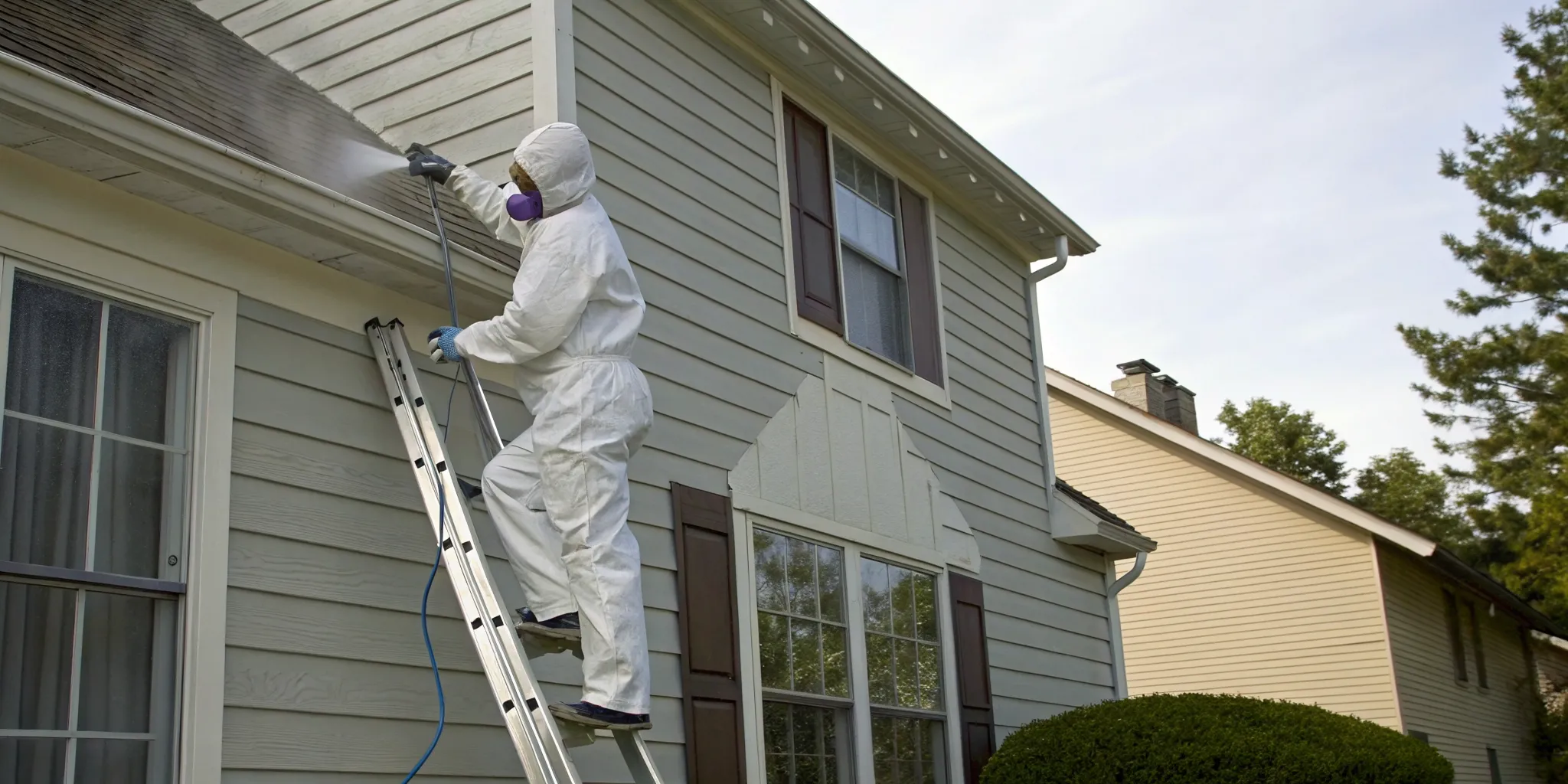
When faced with a big home project, the DIY route can be tempting. It seems like a great way to save money and take control. However, when the project involves asbestos, the stakes are incredibly high. This isn't like painting a room or fixing a leaky faucet; it's a hazardous material abatement. Disturbing asbestos siding without the right training and equipment can release dangerous, invisible fibers into the air, putting your family’s health at risk for years to come. Before you even think about picking up a tool, let's talk about the realities of asbestos siding removal, the strict legal requirements, and why hiring a professional is the only truly safe choice.
Key Takeaways
- Condition Is Everything: Asbestos siding isn't automatically dangerous; the risk comes from airborne fibers released from damaged material. If your siding is intact and undisturbed, it's considered safe. The moment it becomes cracked, broken, or crumbly is when you need to take action.
- Choose Your Strategy, But Never DIY: You have choices for managing asbestos siding, including encapsulation, covering it, or complete removal. Each has different costs and benefits, but attempting any of them yourself is not an option. The health risks from improper handling are far too serious to justify it.
- Certainty and Safety Require a Pro: Since asbestos is impossible to identify visually, professional testing is the only way to know for sure. For your family's health and your own peace of mind, all work (from taking a small sample to full removal) must be handled by a certified professional who can manage the process safely and legally.
What Is Asbestos Siding (And Why Is It a Concern)?
If your home was built before the 1980s, there’s a chance its siding contains asbestos. While that might sound alarming, it’s important to understand what that really means for you and your family. Asbestos siding isn't automatically a hazard, but it becomes a serious concern when it’s disturbed or starts to degrade. Let's walk through what it is, how it becomes dangerous, and the long-term health risks involved.
The Story Behind Asbestos Siding
For decades, asbestos was seen as a miracle material. When added to cement, it created siding that was incredibly durable, fire-resistant, and long-lasting. That’s why it was a popular choice for homes built from the 1920s through the early 1980s. The goal was to give homeowners a strong, low-maintenance exterior that could withstand the elements. While the use of asbestos has since been heavily restricted, millions of homes still have this original siding. If your house falls into that age range, understanding the history of asbestos materials is the first step in knowing how to manage it safely today.
Understanding the Health Risks of Exposure
The main thing to know is that asbestos is only dangerous when its fibers become airborne and are inhaled. When siding is intact and in good condition, it's considered "nonfriable," meaning the fibers are safely locked in place. The problem starts when the siding gets damaged. Years of exposure to weather, impacts from falling branches, or even pressure washing can cause the material to become brittle and "friable." This means it can easily crumble and release asbestos fibers into the air. Once airborne, these microscopic fibers can be breathed in, posing a significant health risk to anyone nearby.
The Long-Term Dangers: Asbestosis, Mesothelioma, and Lung Cancer
Breathing in asbestos fibers can lead to serious, life-threatening diseases, often decades after the initial exposure. These conditions include asbestosis (a chronic lung disease that causes scarring of lung tissue), lung cancer, and mesothelioma, a rare and aggressive cancer that affects the lining of the lungs and other organs. The health risks are cumulative, so every exposure adds up over time. This is why you should never cut, sand, drill, or scrape asbestos siding yourself. Protecting your family’s health is the number one priority, which is why any work involving these materials should be left to a certified professional who follows strict safety protocols.
How to Tell If Your Siding Has Asbestos
If your home was built before the 1980s, there’s a chance its siding contains asbestos. This fibrous mineral was a popular additive because it made materials stronger and more fire-resistant. While it’s impossible to be 100% certain without professional testing, there are a few clues you can look for. The age of your home is the biggest indicator, but the style and texture of the siding can also offer hints. Remember, these are just starting points. The only way to know for sure is to have a sample analyzed by a professional.
Identifying the Visual Signs
So, what does asbestos siding look like? It often comes in the form of rigid, shingle-like panels that can be brittle. Some common products that contained asbestos were cement-asbestos boards (often known by the brand name Transite), imitation brick or stone veneers, and siding designed to look like wood shakes or slate. The texture can vary from a pressed wood grain pattern to a smooth or slightly dimpled surface. The problem is, many modern fiber cement siding products look very similar. Because visual identification is so unreliable, you should treat any suspected material with caution, especially if it’s cracked, broken, or crumbling.
Why Professional Testing Is a Must
You can’t confirm the presence of asbestos with the naked eye. The only way to know for certain is through professional testing, a process called Polarized Light Microscopy (PLM). While it might be tempting to break off a piece and send it to a lab yourself, please don’t. Disturbing the material, even for a small sample, can release dangerous asbestos fibers into the air. A certified asbestos abatement professional knows how to collect a sample safely without contaminating your home or property. They follow strict protocols to ensure the area is contained, giving you a definitive answer without putting your family’s health at risk.
Selling Your Home? Know the Disclosure Rules
Discovering asbestos siding can be stressful, especially if you’re planning to sell your home. The good news is that you can legally sell a house with asbestos. However, transparency is key. Most states, including North Carolina, have laws that require you to disclose your knowledge of asbestos to potential buyers. You aren’t typically required to test for it, but if you have tested and know it’s there, you must inform them. If the siding is in good condition (not damaged or flaking), it may not be a major issue. Some homeowners choose to leave it in place or encapsulate it, which can be a safe and cost-effective solution.
Your Options for Handling Asbestos Siding
Discovering you have asbestos siding can feel overwhelming, but it doesn’t have to be. You have several choices, and the right one for you depends on the condition of your siding, your budget, and your long-term plans for your home. The key is to understand that the danger lies in damaged asbestos, which releases harmful fibers into the air. From leaving it in place to complete removal, let’s walk through what each option involves so you can make an informed decision.
Leaving It Alone: When Is It the Safest Option?
Believe it or not, the safest and most recommended course of action is sometimes to do nothing at all. If your asbestos siding is in good condition, meaning it’s not cracked, crumbling, or broken, it poses very little risk. The asbestos fibers are dangerous only when they become airborne. As long as the siding remains intact and undisturbed, those fibers stay safely encapsulated. If you choose this path, you should periodically inspect the siding for any signs of wear or damage. If you notice any changes, it’s time to reconsider your options and consult with a professional about your asbestos concerns.
Option 1: Encapsulate and Seal
Encapsulation is a great middle-ground option that adds a layer of safety without the cost of full removal. This process involves applying a special, durable sealant over the siding. The sealant binds the asbestos fibers together and creates a protective shell, preventing them from being released into the air. It’s a cost-effective solution, typically running between $2 and $6 per square foot. While encapsulation makes your home safer, remember that the asbestos is still there. It’s a solid choice for managing the immediate risk, but it may still be a point of discussion if you decide to sell your home later.
Option 2: Cover with New Siding
Another popular approach is to cover the existing asbestos siding with a new, modern material like vinyl or fiber cement. This is often seen as a simpler and more affordable alternative to removal. By covering the old siding, you effectively seal it off from the elements and prevent it from being disturbed, which is the main safety goal. However, this method simply hides the problem instead of solving it. The asbestos is still part of your home's structure, which you’ll likely need to disclose during a future sale. It also adds significant weight to your home’s exterior, so it’s important to consult with trusted professionals to ensure it’s a viable option for your property.
Option 3: Complete Removal and Abatement
For total peace of mind, complete removal is the only permanent solution. Asbestos abatement involves a certified team systematically removing all asbestos-containing materials from your property and disposing of them according to strict regulations. This is the most thorough option, as it eliminates the hazard for good. While it is the most expensive choice upfront, it resolves any future liability and can be a positive selling point for your home. Given the serious health risks, asbestos abatement is a job that should only be handled by licensed and experienced professionals. It is not a DIY project.
How Professionals Safely Minimize Fiber Release
When you hire a professional for asbestos removal, you’re paying for their expertise in handling hazardous materials safely. The process is meticulous. First, the team seals off the entire work area with heavy-duty plastic sheeting to create a contained environment. They use specialized vacuums with HEPA filters to capture any stray fibers. The siding is kept wet during removal to minimize dust. Once removed, the asbestos-containing materials are carefully placed into sealed, labeled, and leak-proof containers for proper disposal at a designated facility. This careful procedure is why so many homeowners trust our team to protect their families and properties.
Should You Attempt a DIY Asbestos Removal?
When you’re faced with asbestos siding, the temptation to grab your tools and handle it yourself can be strong. Many homeowners are confident DIY-ers, and it’s easy to think of it as just another exterior renovation project. However, asbestos removal is in a category of its own. It is a hazardous material abatement, not a simple home repair. Before you even consider a DIY approach, it’s critical to understand the significant risks, complex procedures, and strict legal requirements involved. This isn’t a project where you can afford to learn as you go. The stakes are simply too high for your health and your family's safety. While the idea of saving money is appealing, the potential costs of a mistake, both in terms of health and legal fines, far outweigh any upfront savings.
The Risks and Realities of a DIY Approach
The primary danger of asbestos comes from its microscopic fibers. When siding is broken, cut, or disturbed, these fibers become airborne and can be easily inhaled. They are invisible to the naked eye and can linger in the air for hours. Exposure to these fibers is linked to serious lung diseases, including asbestosis, mesothelioma, and lung cancer, with symptoms often not appearing for decades. The risk is cumulative, meaning even small, repeated exposures can add up over time. While some jurisdictions may legally permit a homeowner to remove asbestos from their own single-family home, the health risks to you, your family, and your neighbors are immense if the job isn’t done perfectly.
Essential Safety Gear and Procedures
Proper asbestos removal requires more than just a dust mask and gloves. Professionals use highly specific personal protective equipment (PPE) to prevent fiber inhalation and contamination. This includes a full-body Tyvek suit, sealed eye protection, and, most importantly, a NIOSH-approved respirator with P100 cartridges designed for asbestos. The work area must also be completely sealed off with plastic sheeting. A critical procedure is to keep the siding materials wet at all times during removal; this helps suppress dust and prevent fibers from becoming airborne. Once removed, all waste must be carefully double-bagged in specially marked, leak-proof asbestos disposal bags.
How to Legally Dispose of Asbestos in North Carolina
You can’t just put asbestos waste in your weekly trash bin. Asbestos is a regulated hazardous material, and North Carolina has strict rules for its disposal. Homeowners who perform their own removal are responsible for ensuring the waste is transported and disposed of according to state law. This means finding a landfill that is specifically permitted to accept asbestos waste. You will need to follow their exact protocols, which often include specific bagging, labeling, and scheduling requirements. The North Carolina Department of Environmental Quality provides guidance, but the process can be complicated and unforgiving of mistakes.
Why Hiring a Pro Is the Smartest, Safest Choice
Given the health risks and complex regulations, hiring a certified professional is the most responsible choice. A licensed asbestos abatement contractor has the training, specialized equipment, and experience to handle the material safely and efficiently. Professionals manage every step of the process, from setting up containment and performing the removal to handling all the legal paperwork and disposal. This not only protects your family’s health but also gives you complete peace of mind. While there is a cost involved, it pales in comparison to the potential long-term health consequences and legal liabilities of a DIY job gone wrong.
Understanding North Carolina's Rules and Permits
Navigating the legal landscape for asbestos removal can be challenging. In North Carolina, regulations are enforced at both the state and local levels. This means the rules in Raleigh might have slight variations from those in Asheville or Greensboro. Before starting any project, you would need to contact your local city and county authorities to understand the specific permit, notification, and disposal requirements for homeowners. A professional firm is already deeply familiar with these local rules across all its service areas, ensuring your project is fully compliant from start to finish and saving you from a major bureaucratic headache.
What Does Asbestos Siding Removal Cost?
Let's talk about the elephant in the room: the cost. Figuring out the budget for asbestos siding removal is often the biggest hurdle for homeowners. The truth is, the price can vary quite a bit depending on the size of your home and the approach you take. While it's a significant investment, think of it as a crucial step toward protecting your family's health and preserving your home's value. The good news is that you have options, from complete removal to more budget-friendly solutions like encapsulation. Understanding these choices is the first step toward creating a safe, asbestos-free environment. Our team is here to help you make sense of the asbestos abatement process and find a solution that fits your needs and budget.
Cost Breakdown: Removal vs. Encapsulation vs. Overlay
When you get a quote, you'll likely see a few different approaches. Complete removal is the most thorough solution, but also the most expensive. On average, you can expect to pay between $5 and $15 per square foot. For a 1,500-square-foot house, that adds up to around $12,000. A more affordable alternative is encapsulation, which involves sealing the asbestos siding with a special coating. This typically costs $2 to $6 per square foot, bringing the total for the same house to between $3,000 and $9,000. An overlay, where new siding is installed over the old, is another option with a similar cost profile. The best choice depends on your siding's condition and your long-term plans.
Factors That Influence Your Final Cost
So, why the wide price range? Several key factors affect your final bill. The most obvious one is the amount of siding that needs to be addressed; a larger home will naturally cost more. Your location also plays a big role. Different municipalities have their own regulations for asbestos handling, and the distance to a certified disposal facility can add to the expense. The condition of the siding matters, too. If it's badly damaged, removal might be the only safe option, which influences the cost. Getting a professional on-site inspection is the only way to get a truly accurate estimate for your specific situation. You can contact our team to schedule an assessment.
Hidden Costs to Watch For: Fees, Labor, and More
When reviewing a quote, it's smart to ask about potential costs that might not be listed upfront. Professional labor is a major component, often running between $150 and $300 per hour. Make sure you understand how labor is billed. Beyond that, there are costs for specialized materials, like special packaging and warning labels required for safe transport. You may also see fees for securing local permits and handling the necessary paperwork for disposal. A reputable company will be transparent about these charges, but it never hurts to ask for a complete breakdown so you can avoid any surprises on the final invoice.
How Asbestos Siding Impacts Your Property Value
Dealing with asbestos siding isn't just about safety; it's also a financial decision that can affect your home's value. The reality is that the presence of asbestos can make your property harder to sell. Many potential buyers are wary of the health risks and the future cost of removal, which can lead to lower offers or a longer time on the market. According to real estate experts, you can sell a house with asbestos, but addressing the issue beforehand often makes your home much more attractive. Investing in professional abatement can be a smart move that helps you protect your property's value and ensures a smoother sale down the road.
Related Articles
- Asbestos Siding, Greensboro, NC | Remtech Environmental
- Asbestos Siding, Durham, NC | Remtech Environmental
- Asbestos Siding, Raleigh, NC | Remtech Environmental [Video]
- Asbestos Removal, Asheville, NC - Commercial & Residential - Remtech
- Asbestos Abatement, Asheville, NC | Remtech Environmental
Frequently Asked Questions
My asbestos siding looks fine. Is it still a problem? If your siding is in good shape, meaning it isn't cracked, chipping, or crumbling, it generally isn't an immediate hazard. The danger with asbestos comes from inhaling its fibers, which are released when the material is disturbed or damaged. As long as the siding remains intact, the fibers stay safely locked in place. The best thing you can do is to inspect it periodically from a safe distance to check for any signs of wear and tear.
Can I just paint over the siding to seal it? While it might seem like a simple fix, a standard coat of house paint is not enough to safely contain asbestos fibers. The correct method is called encapsulation, which uses a special, high-performance sealant designed to penetrate and bind the asbestos material, creating a durable, protective shell. This is a job best left to professionals who can apply the correct product to ensure the siding is truly sealed and safe.
What should I do if I accidentally damage a piece of siding? First, don't panic, and definitely don't try to handle the broken pieces yourself. The most important thing is to minimize the release of dust. If you can do so safely from a distance, you can gently wet the damaged area with a spray bottle to help keep fibers from becoming airborne. Avoid sweeping or vacuuming the debris. Your next step should be to call a certified asbestos professional to assess the damage and recommend a safe plan for cleanup and repair.
Do I have to remove asbestos siding before I sell my home? You are not legally required to remove asbestos siding to sell your house in North Carolina. However, you are required to disclose its presence to potential buyers if you know about it. Having asbestos siding, even in good condition, can sometimes make buyers hesitant or lead to lower offers. Choosing to have it professionally removed can make your home more appealing on the market and lead to a smoother sale.
Why does professional asbestos removal cost so much? The cost of professional removal reflects the serious safety measures required to handle this hazardous material. You are paying for a team's specialized training, expensive protective gear, and high-tech equipment like HEPA-filtered vacuums. The price also includes the meticulous process of sealing off the work area to prevent contamination, as well as the fees for legally transporting and disposing of the waste at a licensed facility. It's an investment in doing the job right and protecting everyone's health.