
Is There a Chance You Have Asbestos in Your Home?
Published by Remtech Environmental Team · Last updated April 2025
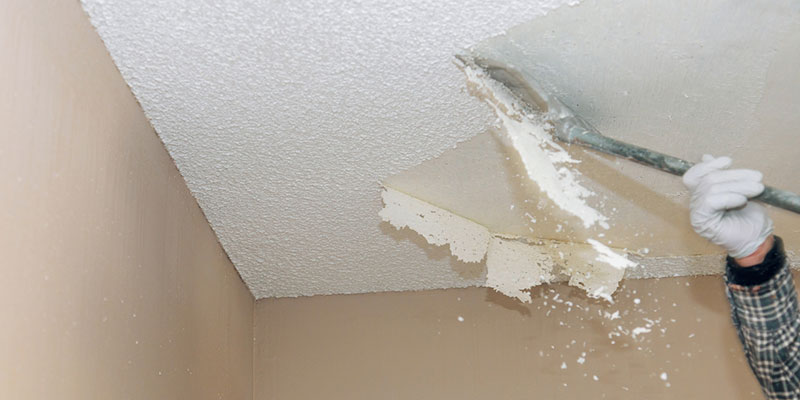
Asbestos is a type of fiber that was commonly used in construction projects before the 1980s. If the fibers have been disturbed or damaged and released into the air, they could potentially cause health problems. Yes — if your home was built in 1985, there is a real chance it contains asbestos-containing materials. Federal regulators began restricting asbestos in the late 1970s, but the phaseout was gradual and builders continued installing existing inventory through the mid-1980s. That means a home built in 1985 could still have asbestos in popcorn ceilings, floor tiles, insulation, drywall compound, and elsewhere. Here are some common building materials from before 1985 that may contain asbestos:
Is Asbestos Still Used Today?
Many countries have banned asbestos, but the ban did not pass in the U.S. You can still find asbestos in different products like roofing materials, cement piping, potting soil, and even a few home appliances; however, less than one percent of the final product is asbestos. It’s much less of a problem than it was in building materials from before the 1980s, but it could still be worth inspecting if you’re concerned.
How Can You Tell if There’s Asbestos in Your Home?
Unfortunately, you can’t really see or smell asbestos, but it isn’t actually a dangerous substance until the fibers have been disturbed or damaged. If your home was built before 1985, it’s important to look out for the above materials because they likely contain asbestos. If you’re not sure about the materials in your home but know it was built before 1985, you can give us a call at Remtech Environmental to schedule an evaluation and removal today.
- Popcorn ceilings.
- Exposed insulation.
- Linoleum flooring and tiles.
- Drywall.
- Roof shingles.
- Siding.
If your North Carolina home was built before 1985, there is a meaningful chance that asbestos is hiding somewhere inside it. Asbestos was the workhorse mineral of mid-century construction, valued for its tensile strength, fire resistance, and thermal insulation. Builders working across Raleigh, Durham, Greensboro, Charlotte, Winston-Salem, and the Research Triangle relied on asbestos-containing materials in everything from popcorn ceilings to vinyl floor tiles, pipe insulation, drywall joint compound, exterior siding, and roofing felt. Federal regulators began restricting asbestos use in the late 1970s, but the phaseout was gradual, and existing inventory continued to be installed in homes well into the mid-1980s. That timeline matters because it defines a substantial pre-1985 housing cohort across North Carolina, and homeowners in that cohort should treat asbestos not as a hypothetical but as a real possibility worth verifying. The good news is that asbestos in good, undisturbed condition typically poses little immediate hazard. The risk arises when fibers become airborne through demolition, drilling, sanding, water damage, or simple deterioration. Knowing whether your home contains asbestos, where it is located, and what condition it is in puts you in control before a remodel, a roof replacement, or a flood-related cleanup turns into an exposure event.
Key Takeaways
- Homes built in North Carolina before 1985 should be presumed to contain asbestos until tested by a licensed inspector.
- Common asbestos-containing materials include popcorn ceilings, 9x9 vinyl tiles, transite siding, pipe insulation, vermiculite, joint compound, and roof shingles.
- Asbestos in good condition is generally low-risk; the danger comes from disturbance through renovation, demolition, water damage, or deterioration.
- Testing requires a licensed inspector, proper bulk sampling, and PLM or TEM analysis at an NVLAP-accredited lab; never collect your own samples.
- Inspect before renovating, after water damage, before real estate transactions, when materials show deterioration, and before roof replacement.
- NC DHHS, EPA NESHAP, AHERA, and OSHA all govern asbestos work in North Carolina; only licensed contractors can legally perform abatement.
Need Help with Environmental Services?
If you have concerns about mold, asbestos, or water damage in your property, contact Remtech Environmental today for a free consultation.
Get a Free Quote